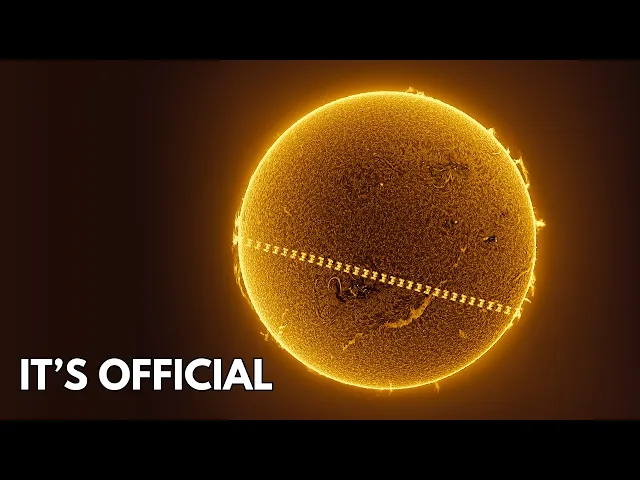
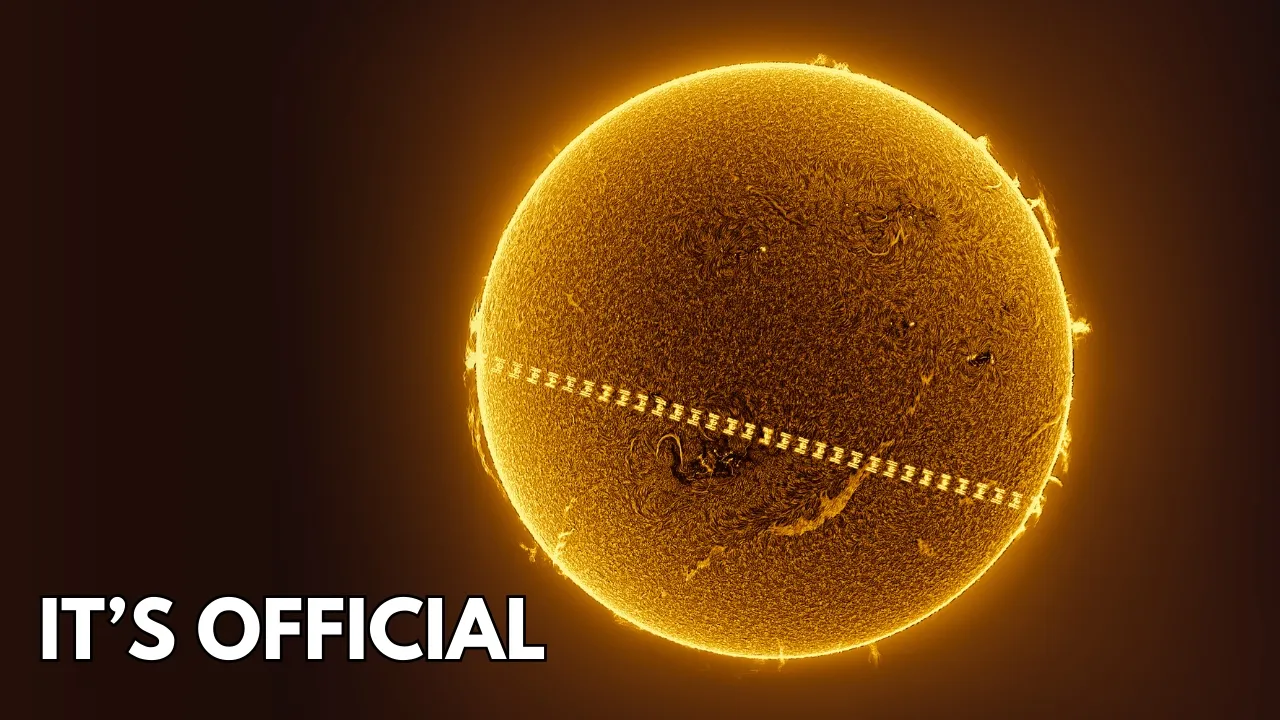
this video is sponsored by moag Globes on May 1st 2024 a seemingly ordinary Sunspot appeared on the Eastern edge of the Sun at first it was nothing unusual just one of the many sunspots that come and go but as the days passed this Sunspot grew at an astonishing rate swelling to a size 17 times larger than Earth itself scientists labeled it active Region 3 664 and it didn't take long to live up to its name this colossal Sunspot Unleashed Fierce solar flares some so powerful they triggered coronal mass ejections aimed straight at Earth the result one of the most dazzling Aurora displays in recorded history with vibrant lights stretching across the globe to places that had never seen them before according to NASA this was the most powerful geomagnetic storm in 500 years and it even rattled observatories deep underground the sun didn't settle down after the intense solar storms in May instead it continued to unleash bursts of M and Mild x-class flares keeping space weather experts on high alert then on October 3rd it released an enormous X 9. 0 flare the strongest scene in seven years right from the center of its disc within a week a powerful ful G4 geomagnetic storm hit Earth lighting up the skies with vibrant auroras in places unaccustomed to such displays and disrupting radio communications in some parts of the world all of this pointed to one thing the approach of solar maximum now NASA has officially confirmed it the sun's magnetic field has flipped and the solar maximum has arrived so what will the solar maximum do to our planet in the coming months how long will this period of heightened solar activity last finally and most importantly will this increase the average global temperature and warm our planet over the next year the sun may look like a bright constant ball of light but it's far from steady every 11 years or so it goes through a dramatic transformation known as the solar cycle this cycle which impacts our planet in many ways involves changes in the sun's activity magnetism and even appearance the discovery of the solar cycle dates back to the late 1700s when astronomers noticed something strange while observing sunspots dark patches on the sun's surface astronomers realized they didn't appear randomly instead the number of sunspots grew and shrank in a pattern over time the observations revealed that sunspots increased and decreased in number every 11 years a cycle that scientists would eventually call the solar cycle following this discovery astronomers started paying close attention to this phenomenon for a long time they kept a record of solar activity by observing the behavior of sunspots alone but as technology improved they noticed two more things that changed over a solar cycle the first was the solar magnetic field our sun is a huge ball of charge gas gas or plasma and its magnetic field is constantly changing astronomers found that the magnetic field goes through a complete reversal of polarity with each solar cycle this means that the solar magnetic north becomes South and the South becomes North the pole reversal happens around a solar maximum marking a Cycle's midpoint another aspect of the Sun that changes with the solar cycle is its overall activity including solar wind flares and coronal mass ejections this activity reaches its highest point at the solar maximum and its lowest at the solar minimum because of these findings monitoring solar Cycles now involves looking at solar activity and polarity reversal in addition to Counting sunspots since the initial discovery of the solar Cycles astronomers have tracked each cycle and assigned them numbers were currently in solar cycle 25 but each of the preceding 24 Cycles had unique characteristics While most followed the expected pattern of rising to a maximum with many sunspots and then declining into a quiet minimum there were two strange periods in history that we still can't explain just as we observe each solar cycle with awe wondering what Mysteries lie in its rise and fall moag Globes lets you bring that same Wonder of awe right on your deck Des powered by ambient light and hidden magnets they spin silently creating a Serene and mesmerizing display in your home or workplace no cords no batteries just a Charming display of science on your desk moag Globes comes in over 40 captivating designs including an outer space collection that features planets moons asteroids and constellations it's a perfect way to keep the Wonder of space Within Reach every day and for viewers of this channel I've arranged a special offer use the code s@ mob. com to get 10% off on 6in and 8.
5 in MOA Globes so check out the link in the description and bring a piece of the cosmos home now back to the Sun the first unexplained span is the m minimum a period of extremely low solar activity between 1645 and 1715 during these 70 years sunspots became almost non-existent with astronomers observing only about 50 sunspots over the entire period compared to the thousands that typically appear in a single cycle this extended solar minimum coincided with a Time known as the little ice age when parts of the world experience colder than average temperatures rivers that rarely froze like the tames in London iced over and Europe faced har Winters following the M minimum the Dalton minimum occurred from about 1790 to 1830 although less extreme this period also had lower than average solar activity like the Mand minimum the dalan minimum coincided with a phase of cooler global temperatures major volcanic eruptions during this time like the 1815 eruption of Mount Tambora also contributed to global cooling creating what is known as The Year Without a summer in 1816 when widespread crop failures and food shortages affected Europe and North America solar cycle 24 which started in 2008 was particularly weak Sunspot numbers in solar activity were well below average marking it as one of the least active Cycles in over a century scientists were surprised by its low intensity as it had far fewer solar flares and coronal mass ejections than expected this quiet cycle raised questions about what causes such variability in solar activity and whether a future Grand minimum similar to the m minimum could occur when the current solar cycle began in December 2019 it was predicted to be even weaker than the preceding cycle but we were wrong solar cycle 25 beat all expectations in August 2024 the average daily Sunspot number likely reached 299 more than double the anticipated value this level has not been observed in more than 20 years a fascinating twist in the current solar cycle is that its peak arrived sooner than scientists expected when this cycle kicked off in December 2019 forecast aimed for a peak in July 2025 with around5 sunspots but by January 2024 Noah's space weather prediction set adjusted its forecast now expecting the peak to fall between January and October 2024 with a more intense estimate of 137 to 173 sunspots on October 15th NASA confirmed that the solar maximum period had officially begun however NASA's announcement doesn't mean this is the highest level of solar activity we'll see while the sun has entered the solar maximum period i identifying the exact peak of activity will take time scientists need to track solar activity for months possibly years to confirm the true Peak only determined after observing a sustained decline notably the past 2 years have already shown elevated activity with frequent sunspots marking this active phase scientists now expect the sun to stay at its maximum phase for about another year before it begins its gradual slide back to a mitter period known as the solar minimum this means the next few months are going to be critical and we can expect severe geomagnetic storms and spectacular auroral displays many powerful solar storms in recorded history have left a lasting impact on Earth the Carrington event is the most famous and intense solar storm on record it occurred on September 1st and 2nd 1859 when British astronomer Richard Carrington observed a massive solar flare just hours later a coronal mass ejection slammed into Earth unleashing an intense geomagnetic storm Telegraph systems across Europe and North America when Haywire some Telegraph operators reported receiving electric shocks While others observed that their machines worked even with the batteries disconnected powered solely by the storm's induced electric currents Aurora Borealis displays reached as far south as the Caribbean Illuminating the night sky brightly enough for people to read newspapers Outdoors according to Noah gold miners in the Rocky Mountains woke up and made coffee bacon and eggs thinking the sun had risen on a cloudy morning two operators of the American Telegraph line between Boston and Portland could communicate for 2 hours using no battery power and working only with the current induced by the Aurora during their exchange they even remarked that the communication was clearer than when their batteries were in use then in May 1921 the infamous New York Railroad storm struck our planet it was the most intense geomagnetic storm of the previous Century although there were no satellite systems at the time it still wre havoc on Earth's electrical infrastructure notably the storm caused a fire at a railway station in Brewster New York and disrupted Railroad Road signaling systems across the Northeastern United States in August 1972 a powerful solar storm struck Earth between the Apollo 16 and Apollo 17 missions to the moon this solar event was so intense that had astronauts been in space at the time they would have received lethal doses of radiation it also set off unexplained camine explosions off the coast of Vietnam as the intense magnetic activity triggered sensors in the the mines then in March 1989 an intense solar storm brought Earth's modern electrical grid infrastructure to its knees in Quebec Canada the storm caused a major blackout leaving about 6 million people without power for over 9 hours the electrical grid collapse was so severe that it caused voltage instabilities and Transformer damage across North America the event highlighted the vulnerability of power grids to solar activity and prompted new protective measures in Energy Systems worldwide more recently in early 2022 a flare from the Sun was powerful enough to cause geomagnetic storms resulting in the loss of 40 newly launched starlink satellites today our society heavily relies on satellites and various technologies that need stable magnetic environments to function correctly this dependence makes us more vulnerable to the effects of significant solar activity any disruption could lead to trillions of dollars in monetary losses and pose risks to life dependent on these systems the potential impact of a Carrington class event today has been estimated to result in Damages ranging from 0. 6 to $2.