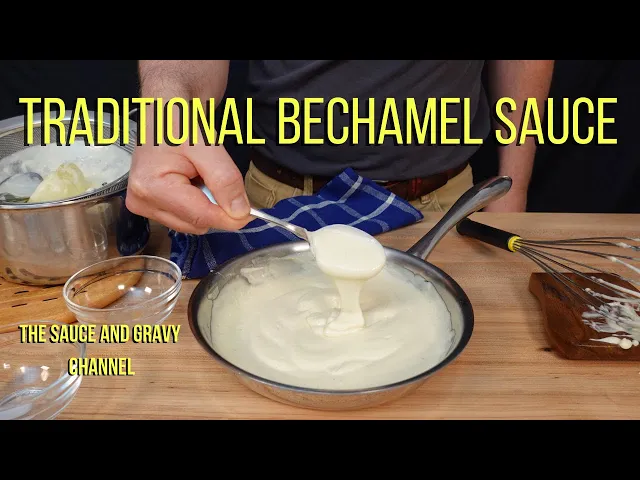
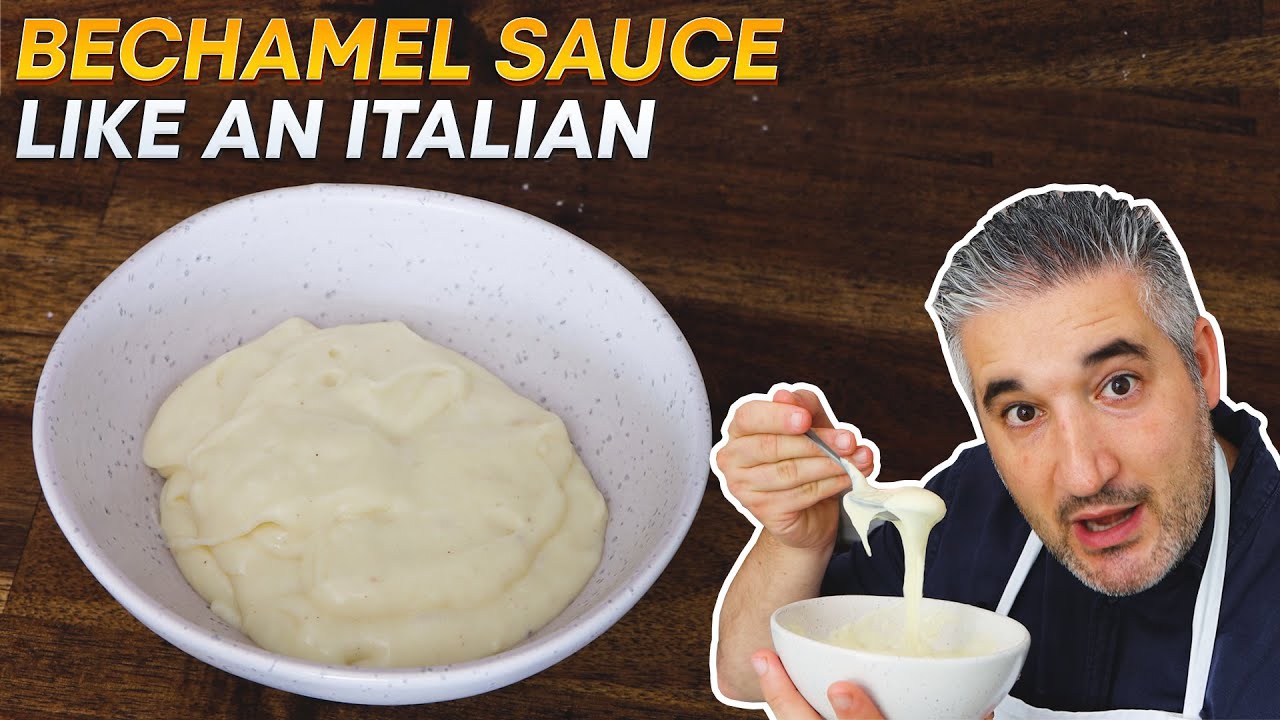
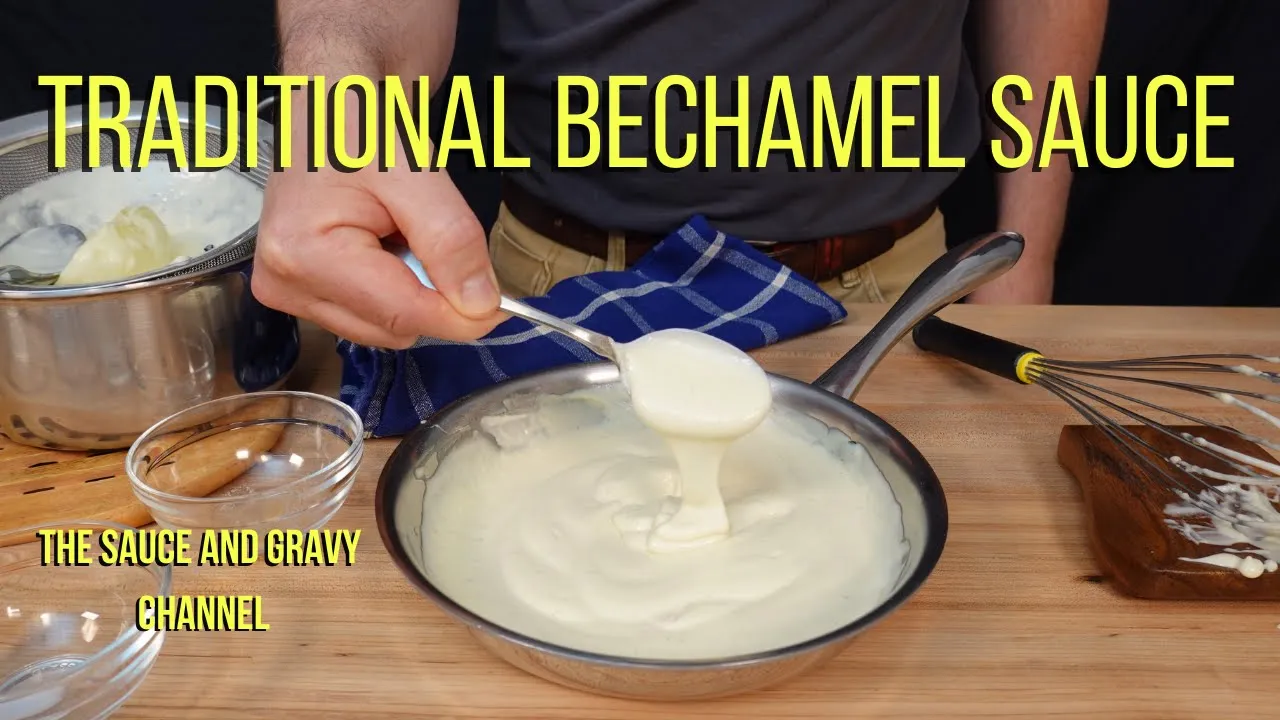
Béchamel. Just because it's one of the five French mother sauces doesn't mean that it's difficult to make. Let me walk you through how easy it is to make this simple white sauce.
And for a little extra bonus, I'll let you in on a secret on how to make a lump free sauce. Welcome to The Sauce and Gravy Channel. This is Johnny Mac, and we're going to dive into a French mother sauce, a traditional bechamel sauce.
Buckle up. Let's go. All right, let's start off this traditional sauce recipe.
We're going to work with the butter. First. We're over a low to medium heat.
We're going to put in two tablespoons of butter, or roughly about 30 grams. Of course, the basic Bechamel is a white sauce. So we don't want to Brown the butter.
We don't want to make it blonde. We want to keep it as light as possible. So just make sure you watch the heat and just slowly melt the butter down.
For the next step, we're going to go ahead and add our flour. I'm going to put 20 grams of flour, or roughly two tablespoons. Traditionally, you put equal parts butter and flour.
So 30 grams butter, 30 grams of flour. However, I've found that in order to get an evenly cooked Roux and also to help keep the roux from burning and clumping up, if you put a little bit more butter, so, say 30 grams of butter and just 20 grams of flour does the same thing. Plus, it helps that Roux Cook a little bit more evenly.
So check it out. You can see that Roux. It's bubbling up nicely.
Everything's cooking very evenly. Looks really well. Make sure that you do watch the heat.
You definitely don't want to burn it, so just keep your eye on it. We've cooked our roux for one to three minutes. We've gotten rid of that flour flavor.
So we're going to go ahead and add the milk, two cups or 500 ML. Here's a little secret on how to make a lump free sauce. The best way to do that is to add cold milk to the hot roux.
That will reduce the chances of your sauce lumping up. And you're going to want to break out that whisk and whisk it up a little bit. And it's a good idea to grab a spoon, scrape around the edge of the pan.
The whisk really can't get in there. So just make sure that you take that spoon and dig it in. And then also scrape the bottom of the pan just to make sure that all of that remixture is well incorporated into the liquid.
And the next ingredient for this traditional bechamel sauce is half of an onion or 50 grams. We're also going to throw in one Bay leaf and then one clove. For the next step of the process, we're going to go ahead and we're infusing those flavors.
We're going to infuse the flavor of the onion, the Bay leaf, the clove. We're going to let it release their flavors. And we're also going to reduce this mixture down so that it becomes nice and thick.
So turn your burner to low heat. And if you're on a flame, you're going to want to have it on low and then move your pot to the backside. So just a portion of the pot is overlaying the flame.
We're just going to simmer this ever so slightly for 30 minutes. In the meantime, you'll probably see a nice film or skin on the top of the sauce. You're going to want to get a spoon and skim the top of the sauce.
And you can discard any of the impurities. You definitely want a nice, clean sauce. It's been 30 minutes.
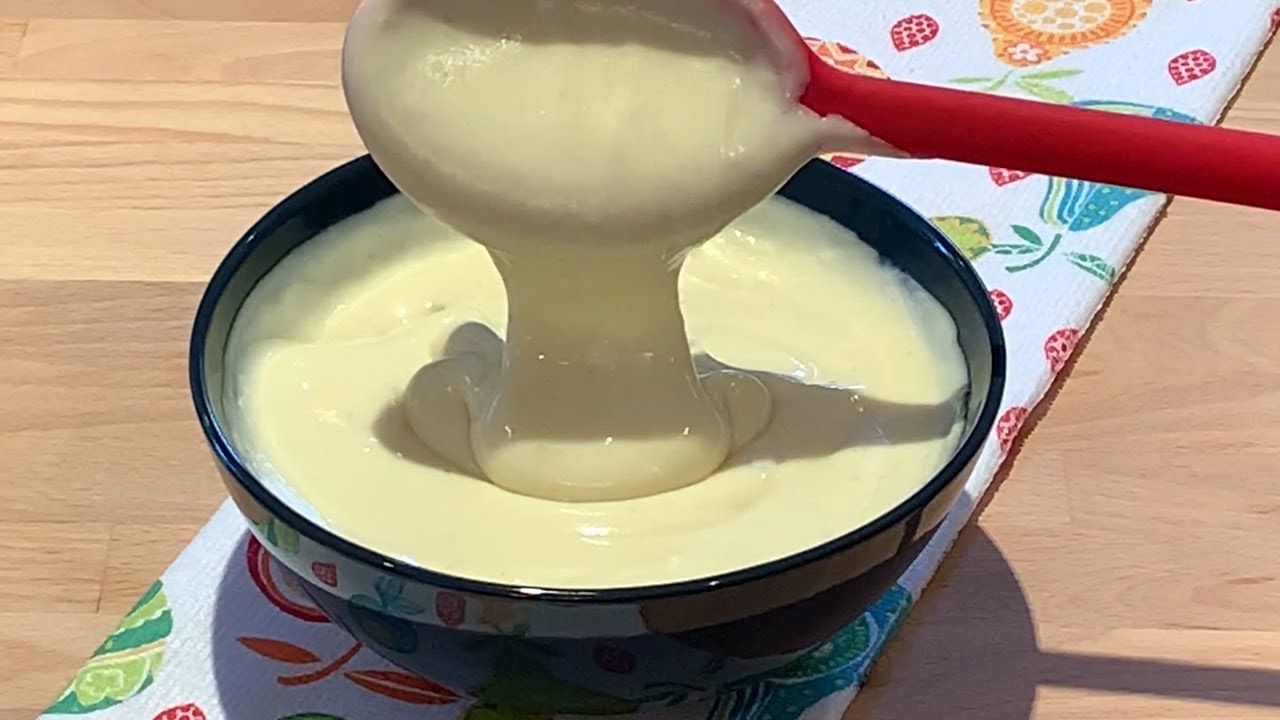
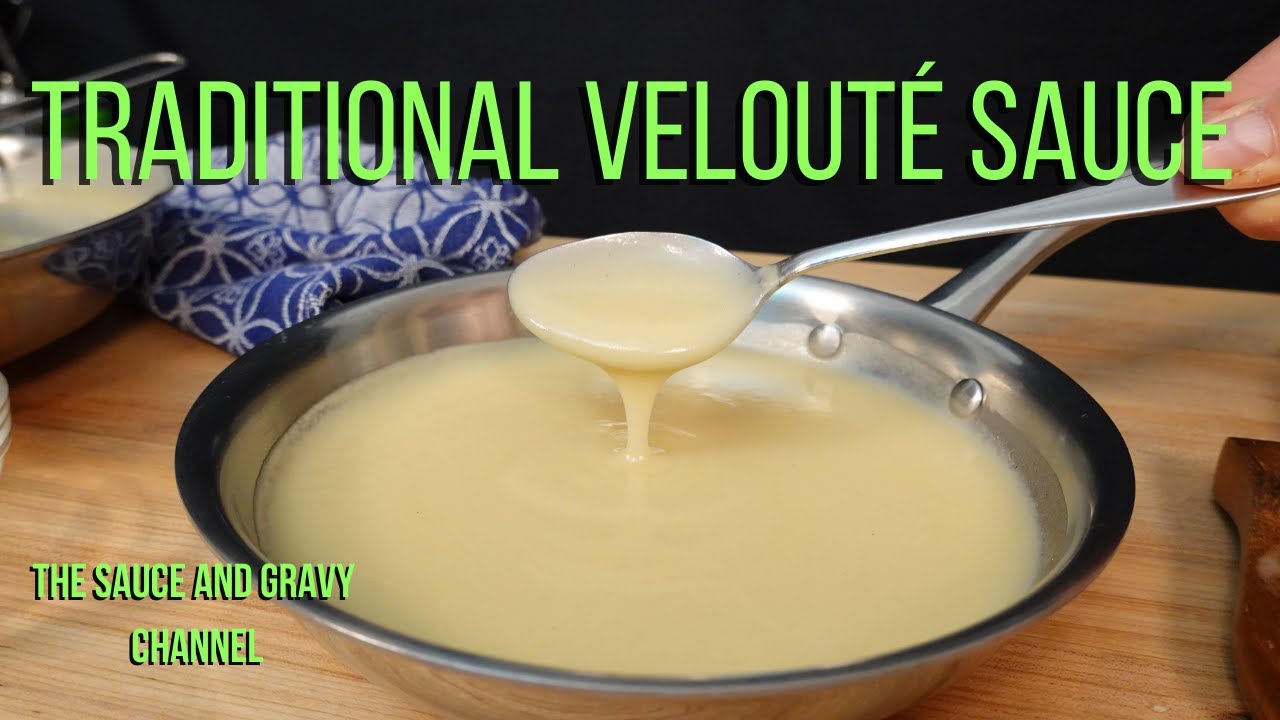
The sauce looks great. It's nice and thick. It's smooth, it's glossy, it's infused those flavors.
Now to check it to make sure that it's done, take that spoon, dip it into the sauce, run your finger down the spoon. If the line stays, you're good to go. Now it's time to go ahead and clean up the sauce.
So we're off heat. Grab another saucepan, grab a fine sieve. We're going to pour the sauce through the sieve.
We're going to filter out the Bay leaf, the clove, the onion, as well as any sort of lumps. And to ensure that you have a silky smooth traditional Bechamel sauce, it's always a good idea to take a spoon and tap the side of the fine sieve that helps the sauce to come through. Plus it also keeps all of those impurities and lumps in the fine sieve.
And you definitely don't want to take the spoon and smash the sauce through the filter. If you do that, you're just going to smash through the lumps and impurities. And that kind of defeats the purpose of filtering it.
And you can say goodbye to the silky smooth sauce. And once again, we're off heat here. So we're just wrapping everything up and check out that traditional Béchamel sauce.
It looks silky smooth. It's nice and thick. Looks absolutely delicious.
Now, to add a tiny bit of a touch of flavor, we're going to add some white pepper, 1/4 teaspoon. And then we're going to put in a little bit of salt, just a pinch of salt to taste. And to wrap up this traditional white sauce or Béchamel sauce, we're going to throw in a dash of nutmeg, the Bechamel sauce.
It is one of the French five mother sauces. And by itself, it's really just a simple white sauce. And that's the beauty of this simple white sauce.
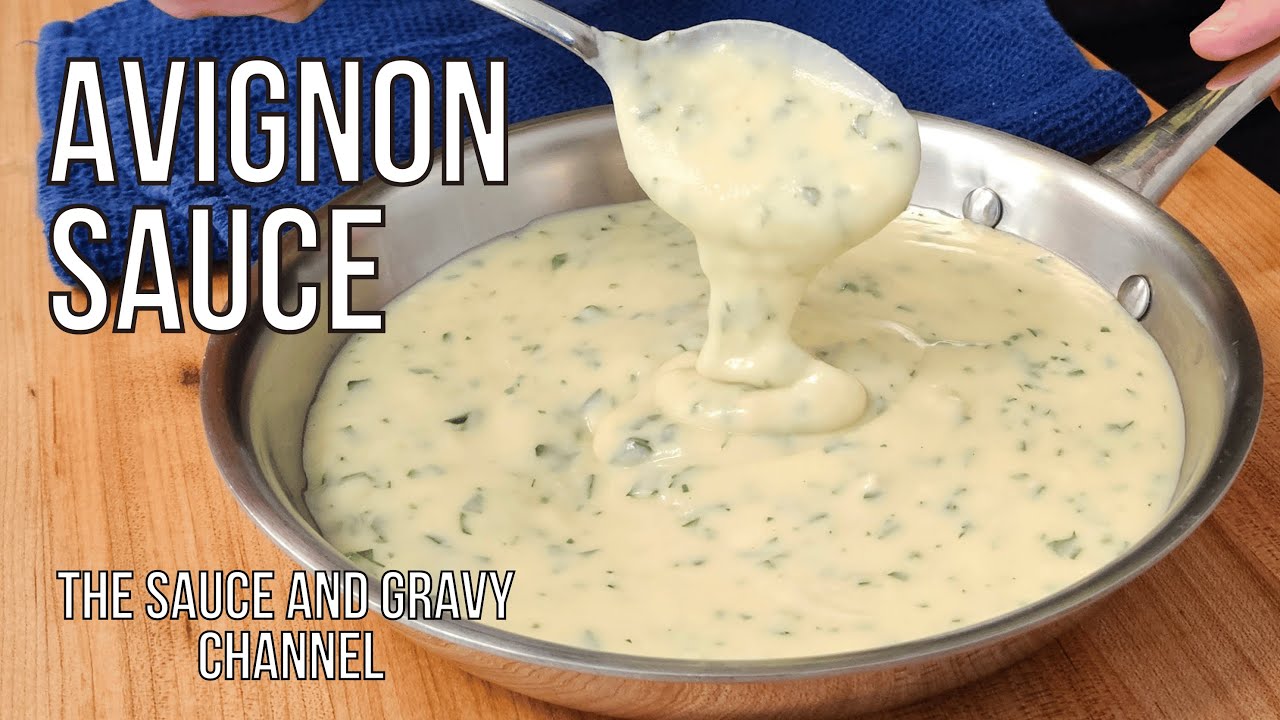
Your options are endless. You can add all sorts of flavors to it to create any sort of derivative sauce that you like. For instance, cheese for mornay or onions for soubise .
The options are endless. All right. Sauce and Gravy nation.
So now you know how to make the traditional Bechamel sauce. Now go on out. Give it a try.
Leave a comment on how it worked out for you and if you haven't had a chance to subscribe just yet, go ahead and smash that subscribe button and we'll see you next time.