y welcome to reporters here in France 24 I'm Mar in this Edition we go under the sea the next phase of world industrial Evolution according to the experts will depend on access to rare Metals any country that has these will clearly have an advantage in the global Marketplace Norway has in this sense struck gold but the booty well it's at a hidden depth 300 MERS Under the Sea our reporter Arno gigaton is with us Arno why then is deep sea exploitation so strategic it's completely strategic deep sea mining in the Arctic would allow Norway to
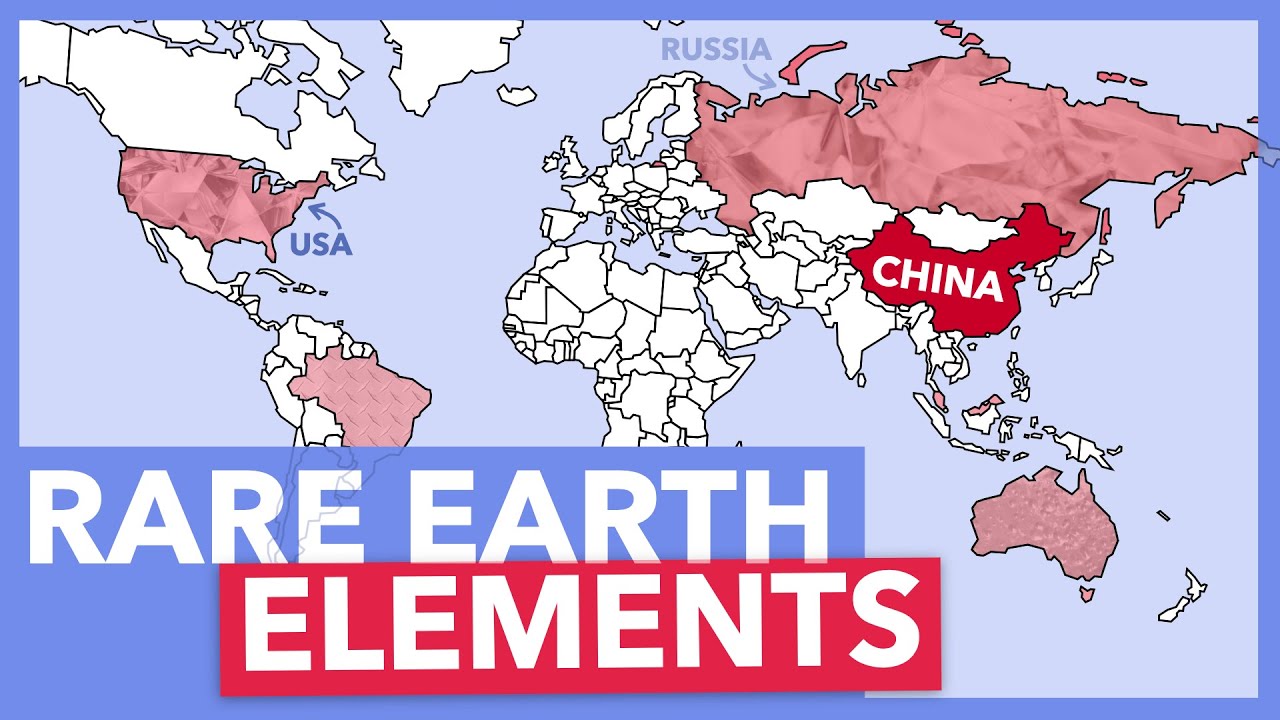
fulfill two Ambitions first of all to successfully carry out its ecological transition and second stop being energy dependent on China which supplies a large quantity of rare earth metals Norway wants to boost its renewable energy production by using wind and electricity these green technologies use a lot of rare Metals Norway knows that its Ocean Floors could hold large quantities of minerals such as cob lithium and copper so it wants to explore its Ocean Floors like it has done with regards to petrol since the 1970s easier said than done is n Aro thank you very much
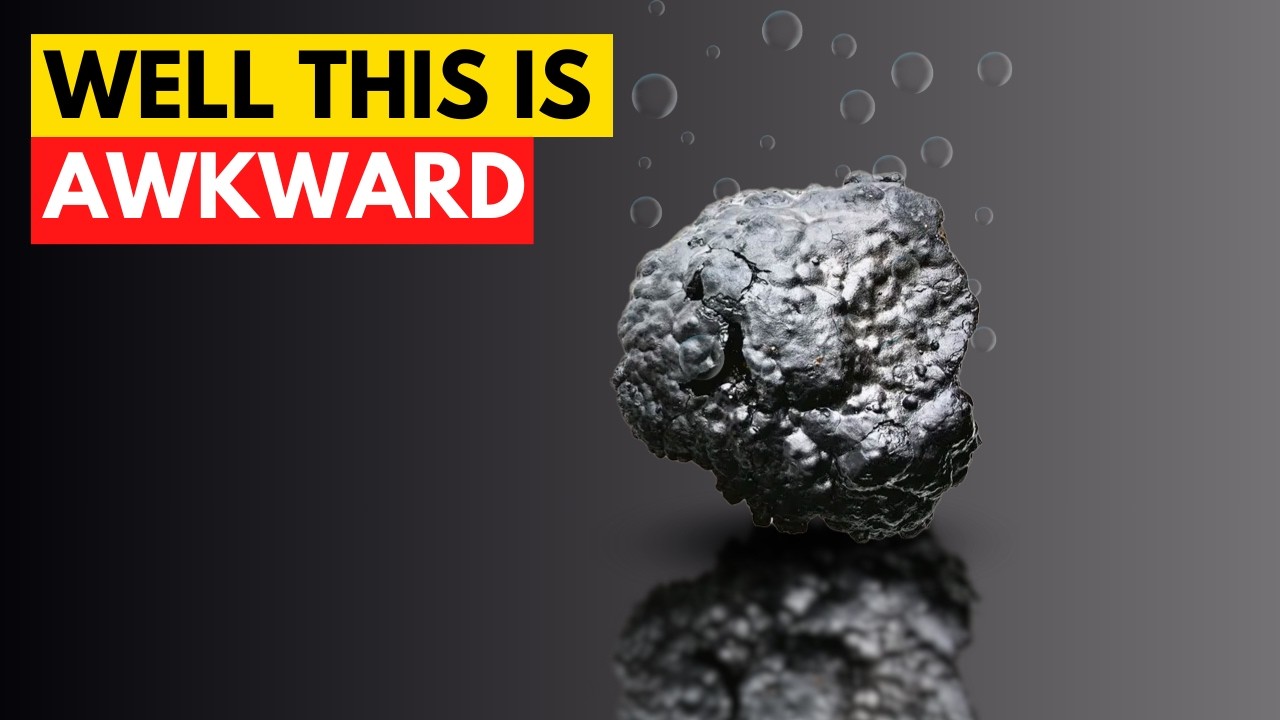
indeed let's take a look then at the report by guom kange and Aro [Music] gig [Music] a treasure hidden in the depths of the Arctic Ocean 3,000 M below the surface mineral deposits lie on the seabed off the coast of Norway these rocks the size of a potato may seem insignificant yet they contain precious metals in high demand for green technologies this geologist knows the metals well this is Sufi deposit picked up at the Moon Ridge and here you can see it's enriched in pirate microp pirate and this red colar indicating that it's rich in
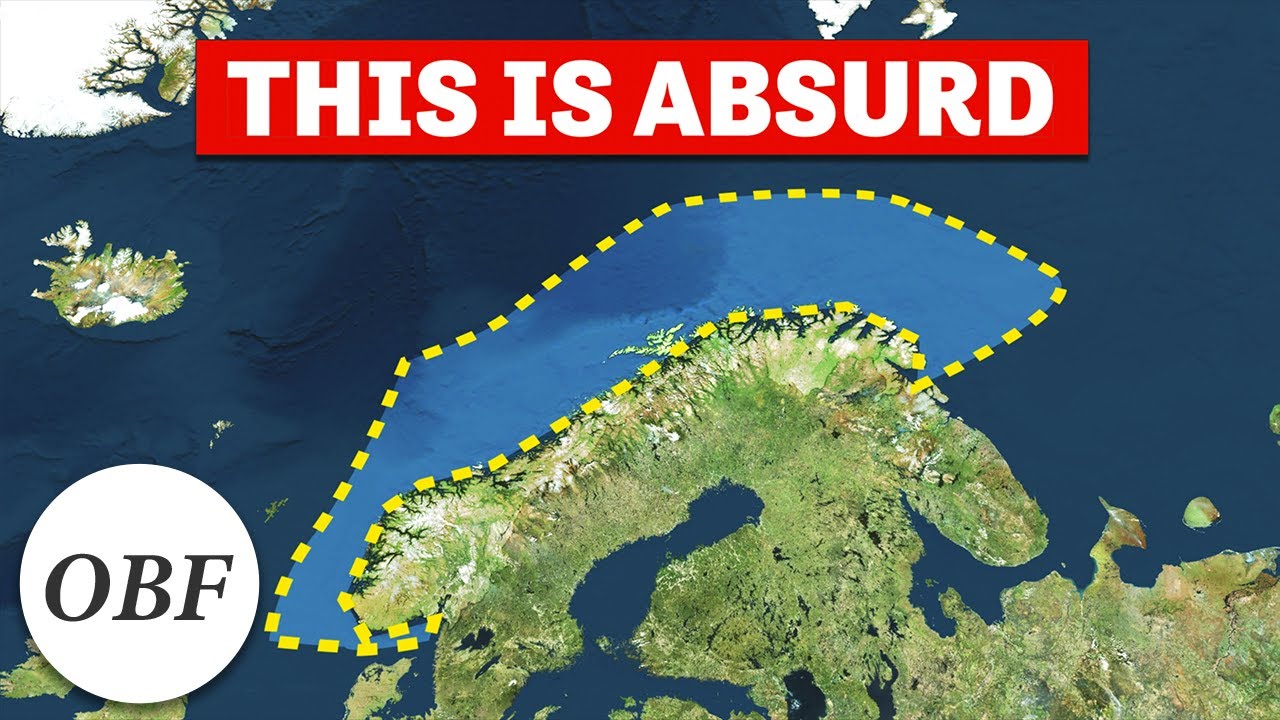
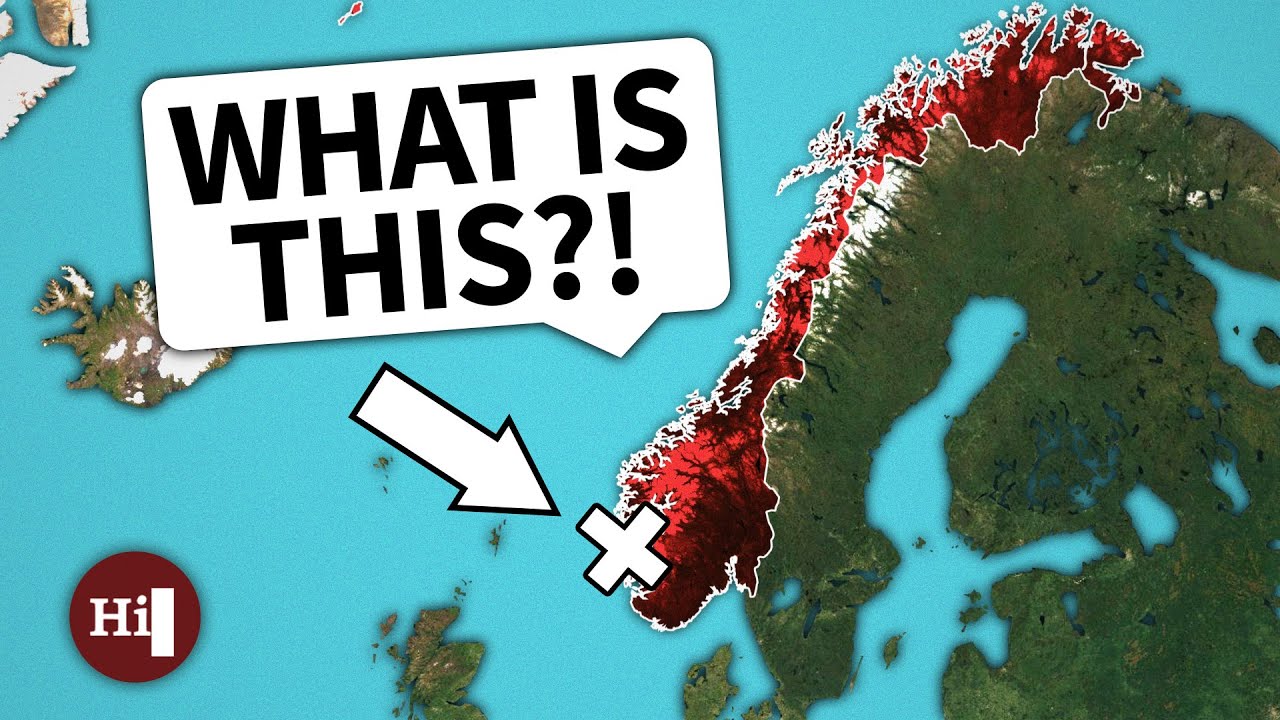
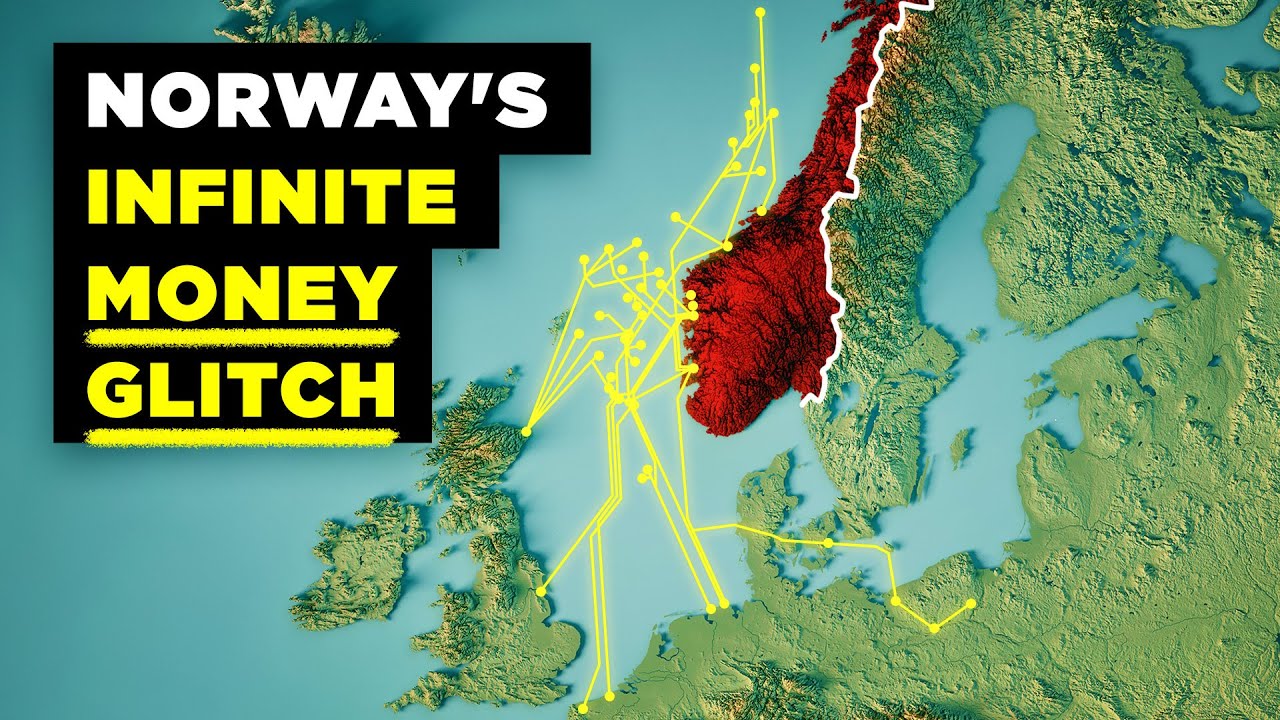
iron if you look here you can see this green color again caused by the by ataka and it's indicating that it's rich in Copper as well between Yan mayen Island and the spad archipelago 12 fields of sulfide and 27 manganese crusts have already been identified and could be worth billions of Euros the area is thought to contain 3 million tons of rare Metals 4 million tons of cobalt 38 million tons of copper lithium magnesium tungsten and 185 million tons of Manganese that's nine times the world's annual production on land yeah so the moons and which
which are interesting uh to look at in for terms of sulfide deposits because you have hot water coming out precipitating important minerals like copper sink gold and silver creating uh black smokers and when they these are collapsing we can pick them up and they contain very important minerals such resources are needed for the production of wind turbines solar panels and batteries for electric vehicles many are keen on getting their slice of the cake several Norwegian companies and universities have already started developing new techniques to harvest the minerals underwater drones autonomous robots teleoperated collectors millions are
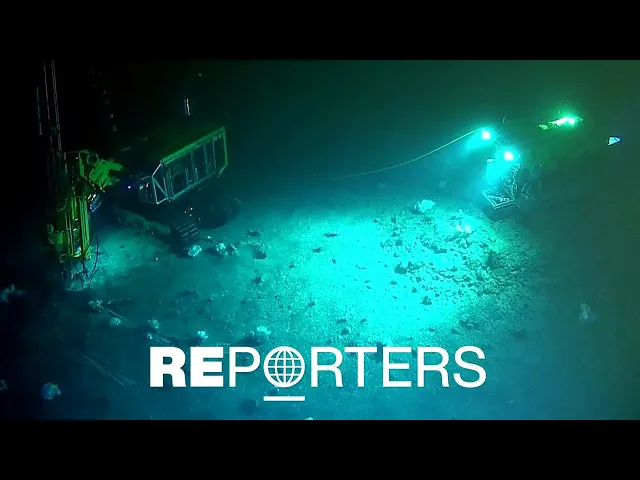
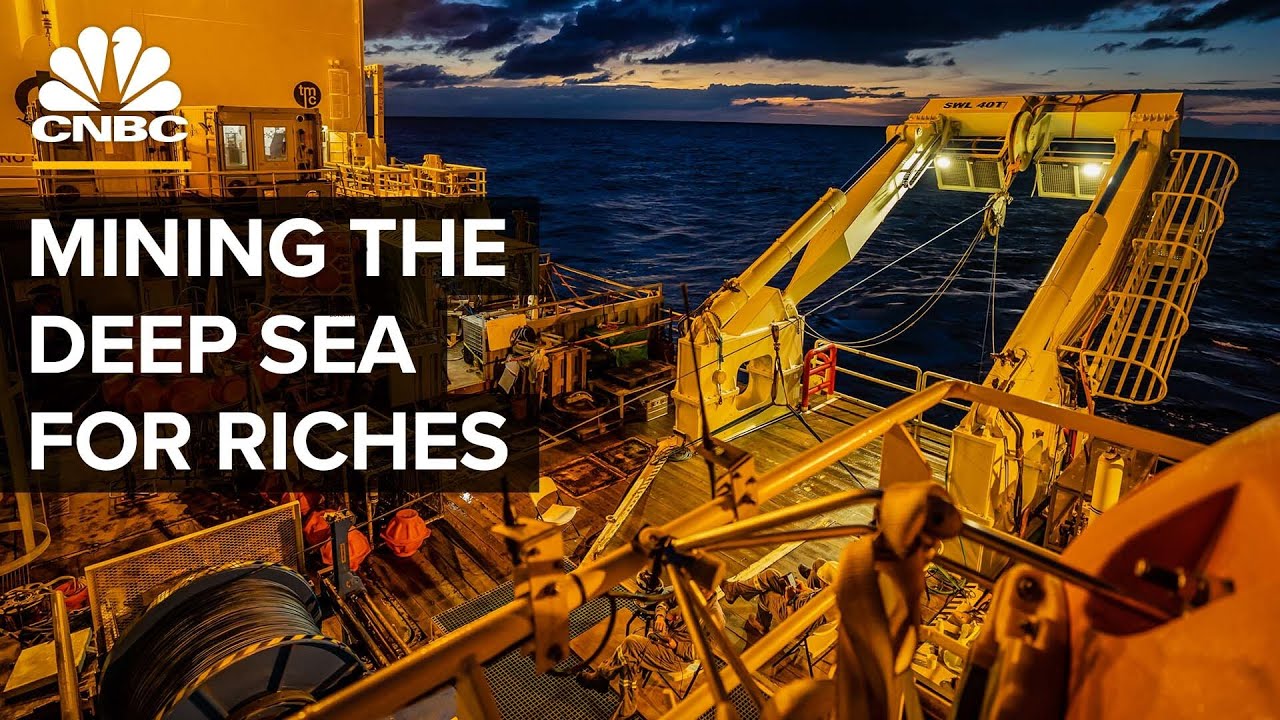
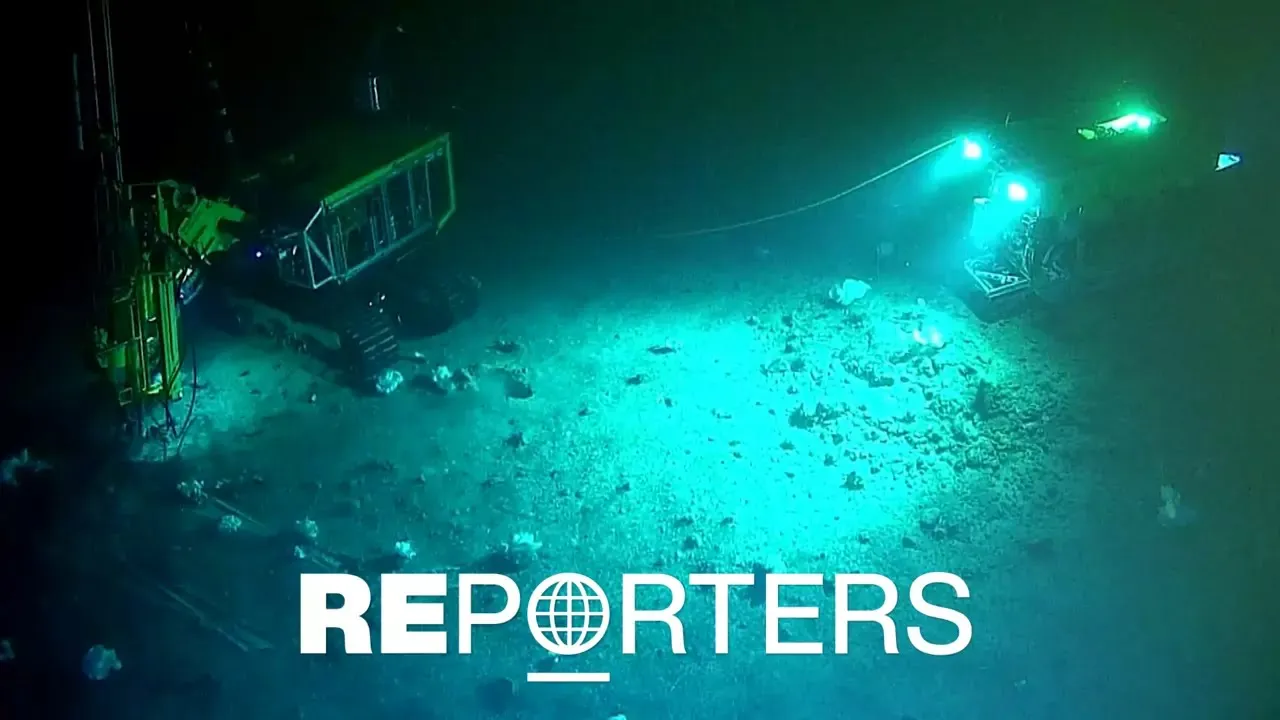
invested in the race for deep sea [Music] mining see bed Solutions specializes in extraction equipment on land and it's convinced that underwater mines are the future in 2019 the company bought a 16 ton excavator previously used by a wreck diver with its tracks and drilling head it can dig extract and travel across the deposits if we're down at 4,000 M that pressure is in the area of 400 Bars so you have to take care of that and you must also be sure that all the mechanical Parts like booms and arms Etc are not enclosed because
then they will be crushed last time the excavator plunged into the Norwegian sea it was tested for drilling operations it was powered thanks to a steel cable and remotely controlled from a ship by two operators there will be a race for for minerals according to EAA and um the International Energy agency and the World Bank uh the demand for minerals will be at least 10 times higher for many minerals when we now go into uh the fourth Industrial Revolution we will see several new technologies emerging we will have uh synthetic biology 6G uh artificial intellig
all these technologies have that in common that they are enabled by uh minerals and Rare Earth elements as long as China controls the supply of those elements and also the refining and production China also have the upper hand in the Innovation phase so far no country has authorized deep sea mining but the Norwegian government says it's keen on the idea hoping to move away from the oil and gas industry while becoming a major mineral producer in Europe Ruben odal is against the project he leads the Norwegian Environmental Protection Association dubbed the green Warriors he wants
to ban underwater mining as it might pollute the ocean and have a devastating impact on marine life you will see now this is a very small scale operation so if they want to make this big to make it commercialized then it will be a lot bigger but you can see yeah here you can see the dust from the operation spreading into the water like here and if you are mining for copper if the rock is containing copper then it's copper you are spreading it should be obvious to people you you would rather eat fish and
muscles and and healthy Seafood than minerals Cobalt copper and other things that it's really just a mineral Bergen Port the geosar vessel is about to set sail Bound for the Greenland sea on board scientists from The Institute of Marine research they're going to explore an area potentially rich in minerals and study its ecosystems previous Expeditions have already revealed the presence of sperm whales raws herrings and halibuts a species that grazes the sea Flor if there's a seabed u mining activities uh then uh there would be sound and uh noise and there would be the uh
decomposition or destruction of habitats and we know that U it is a complex topography with ridges and seamounts and canyons and within these uh there are high densities of filter feeders such as uh sponges corals and anons they typically live for a long time thousands of years for the corals if they are removed from an area they recolonize it very slowly uh which means that any impact would be longlasting another expert of the Arctic ecosystem is Professor Ribero he's a marine biologist at Burgen University he's holding a geodia sponge collected from a depth of 1500
M it's mostly undamaged there's only a little bit missing here so the sponge is on the sea Flor is attached to the seaf Flor and then the sponge itself is gets colonized by different different animals so you see you have you have different um the little carnivorous asbesto pluma sponges you have another sponge uh carnivorous sponge species here you have a soft Coral here so if you look closely you actually have different animals that grow on top of the sponge so so the large sponge is a is an ecosystem engineer because it creates Habitat to
other animals that can grow on top most of the species listed here are endemic to the Arctic Professor ri's job is to find out more about the manganese crust and how its mineral extraction could affect biodiversity we don't know exactly how much turbidity and how much sedimentation will cause uh mortality in these sponges what we know is that all filter feeders will be affected but if you have a sediment plume there is a limit to how much they can they can resist to to variations in their environment the the deep sea envir environment and most
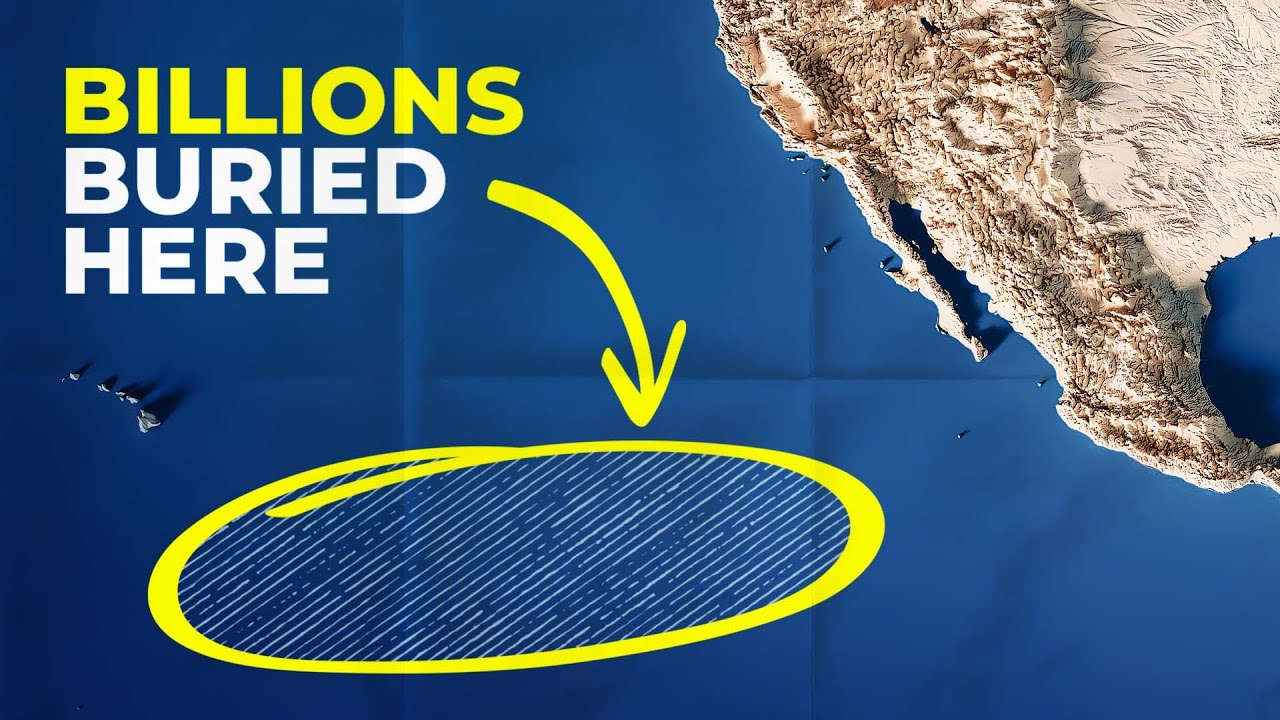
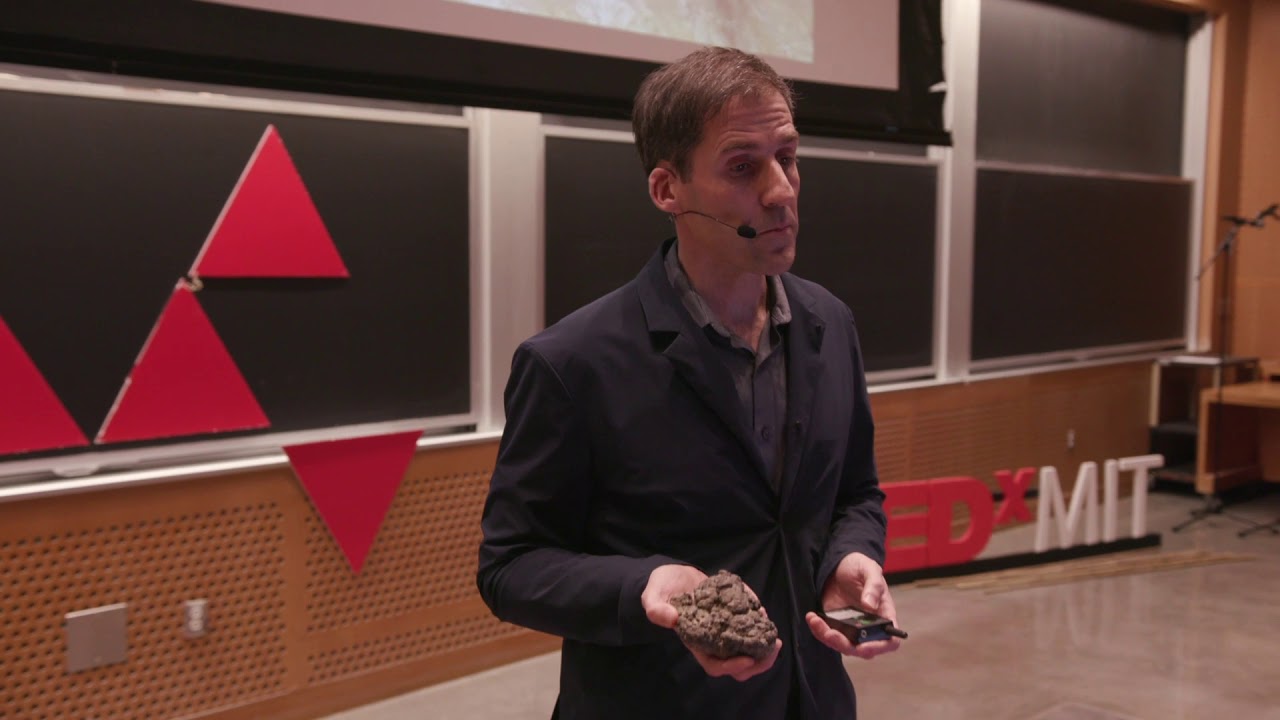
of them are quite constant you know in terms of temperature in terms of uh of the turbidity of the water also in terms of currents stavenger birthplace of the oil industry on the shores of the North Sea that's where Walter son built his underwater exploration company the geophysicist spent his entire career in the oil industry before switching to the exploration of poly metallic nodules in the Pacific Ocean so what I have in my hand here is uh is a few nodules coming from uh actually one of our licenses in the clear and clipon Zone which
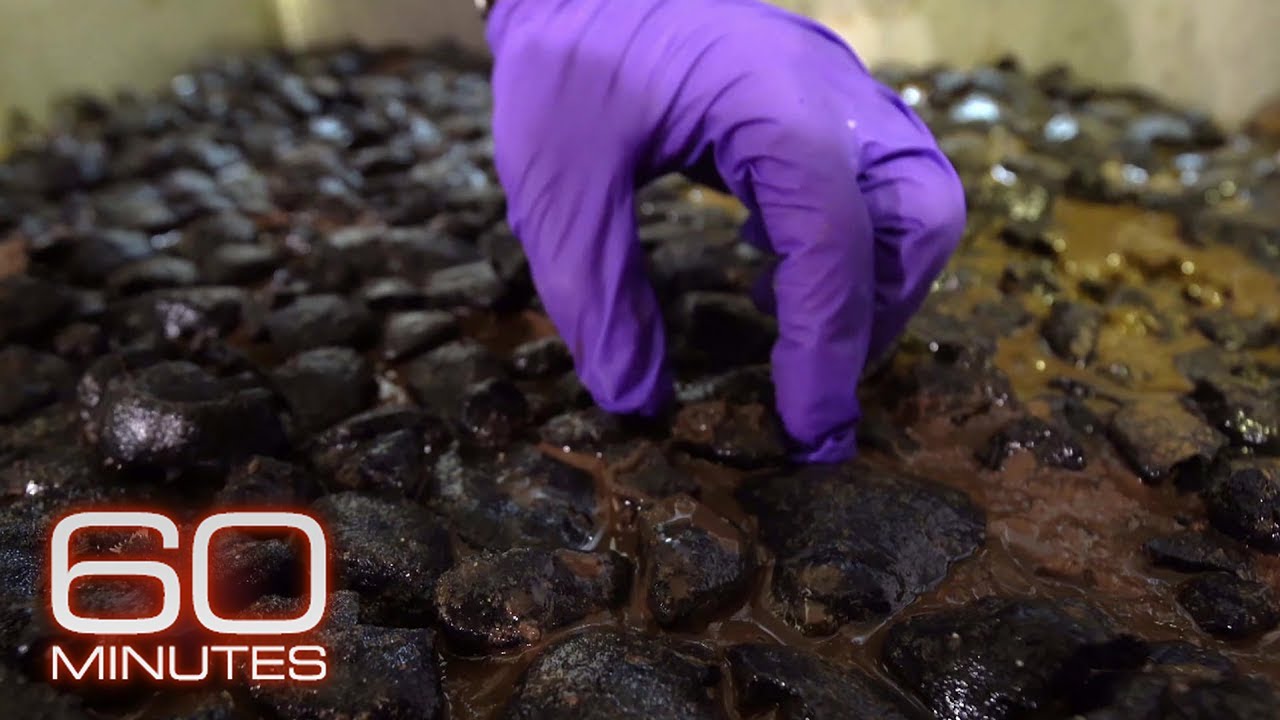
is in a Pacific Ocean between Mexico and um and Hawaii and these are picked up at approximately 4,000 meters of water depth and they grow over several millions of years and then they are highly enriched in nickel copper Cobalt and manganese and iron and there are huge amounts of these in on the ocean bed up to 30 billion tons of these prized rocks are believed to cover the claran clipon Zone more than a dozen countries that work with public or private companies hold exploration contracts in the area Walters company has two such contracts authorities haven't
given him the green lights to pluck the nodules from the ocean floor yet but he's eventually hoping to get more than 2 million tons a year by 2031 if the minerals on the ocean or resources on the ocean can be a better alternative than new terrestrial mines in the say in rainforest of um Indonesia or in Africa and so on because it's not only about the environmental impact it's also about secure Supply and today China is dominating that role the the deep ocean minerals they are taking away the geopolitical risk but we need to make
sure that we have an technology that can minimize the impact 55 years after discovering its first oil field Norway is Keen to become a Pioneer in commercial scale underwater mining but faced with much criticism the country has vowed to remain cautious I understand that some people come to the conclusion that we should not conduct activities and do not want to allow for deep sea mining in the future from my perspective I view it somewhat differently I think that we should look into the potential that deep sea mining uh might have and the Norwegian government is
ready to say no at any time if we found out from the research and the information that we gather that it's not possible to do it in a sustainable and coexistent way with uh acceptable impacts on the natural habitat in our oceans but the need for minerals going forward in energy transition that we're going through is so great so saying no also has consequences and we believe that those consequences are so big that we should allow for at the the possibility that deep sea mining can play an important and crucial role in the development of
uh low carbon Energy Systems in the future after months of consultations the Norwegian Parliament has just approved a controversial Bill Paving the way for future mining in its Waters no licenses have been issued yet Norwegian authorities say each project will be scrutinized to protect the environment as much as [Music] possible I know gigon is still with us um how come we don't have more studies about the ecological effect of these operations I the impact studies are very hard to put in place they cost a lot of money and are logistically very complicated I'm talking of
course on a large scale they've already carried out tests with small machines taking samples which had small quantities of minerals there's a company in Germany called The gomar Institute which has been carrying out research since 2015 in the claron clipon zone the research is funded by a dozen Oro European countries including France and Norway and according to the institute's projections one year of deep sea mining could destroy a biological layer of the ocean bed measuring between 200 and 300 Square kilm it's huge it is absolutely enormous as you say if Norway authorizes full exploitation does
this then pave the way for other countries to do the same thing the vote in Norway's Parliament which took place on January 9th clearing the way for mining exploration in the Arctic Ocean May pave the way for future Explorations today there's one zone that attracts the most interest that's the Clarion clipon Zone and its deposits of polymetallic nodules several mining companies have already asked for Mining rights but they've all been refused by the international seabed Authority last July 167 member states of the ISA gathered to create a mining C that would regulate mining activity whilst
respecting an environmental chart but during filming with industry groups who agreed to speak to us they told us they're optimistic they think it'll be possible to begin mining operations in the next 5 to 10 years I know thank you very much indeed thanks to g k and an gigon for that fascinating film about Norway and rare metal as you can see their report again of course for our website france24.com this is reporters on france24 thank you for watching do stay with [Music] us