have you ever eaten a vegetable thinking it's super healthy only to feel bloated fatigued or just off what if I told you that some common veggies could secretly be harming your health especially if you're over 50 in this video we're revealing six vegetables that seniors should never eat and why they might be causing digestive issues joint pain or even kidney problems but don't worry we'll also share simple ways to enjoy them safely without risking your well-being stay with us until the end because even your favorite healthy veggie might be on this list and knowing how
to prepare it right could make all the difference before we begin I would appreciate it if you like this video you can help me continue to spread the old age lesson if you haven't subscribed yet I recommend you subscribe and turn on the Bell so you don't miss any videos If you like this video please comment number one if you don't like it comment number zero to let me know so I can make a better video for you now let's get started let's start this journey towards safer eating one corn corn with its bright golden
hue and neatly arranged kernels is a staple food enjoyed in many cultures worldwide whether grilled boiled or ground into flour for tortillas and Cornbread it remains a beloved and versatile ingredient originating from the Americas corn has been cultivated for thousands of years and holds significant cultural and economic value however despite its delicious taste and widespread popularity consuming corn corn in excess may present unexpected health concerns particularly for older individuals the nutritional profile of corn corn is a complex carbohydrate that provides energy and essential nutrients a 100 G serving of corn contains approximately 21 G of
carbohydrates a considerable portion of which consists of natural sugars while this composition makes corn a satisfying and energizing food it can pose challenges for individuals who need to carefully regulate their blood sugar levels such as seniors with pre-diabetes or diabetes excessive intake of carbohydrate foods can lead to spikes in blood glucose increasing the risk of insulin resistance and other metabolic complications the impact of fiic acid on nutrient absorption Beyond its carbohydrate content corn also contains fiic acid a natural plant compound with both beneficial and potentially harmful effects fiic acid acts as an antioxidant offering some
protective benefits against oxidative stress and inflammation however it also binds to important minerals like calcium zinc and iron reducing their bioavailability in the body according to the Spanish Society of nutrition this characteristic is particularly concerning for older adults who are more prone to mineral deficiencies due to age related metabolic changes and decreased nutrient absorption efficiency insufficient intake of these minerals can lead to conditions such as osteoporosis from inadequate calcium weakened immune function due to low zinc levels and anemia result resulting from poor iron absorption other health considerations in addition to its effects on blood sugar
and mineral absorption excessive corn consumption can contribute to digestive discomfort for some individuals corn contains insoluble fiber which while beneficial for gut health can be difficult for some seniors to digest potentially causing bloating gas or discomfort additionally genetically modified GM corn is widely available and while research on its long-term effects is ongoing some individuals may prefer to opt for organic or non-GMO varieties to avoid potential concerns related to genetic modification and pesticide residues how to enjoy corn while minimizing risks if you love corn and want to continue including it in your diet while minimizing potential
health risks consider the following strategies limit consumption instead of eating corn daily aim for moderate intake around 70 to 100 gram per week to prevent excessive carbohydrate consumption and reduce the impact of fiic acid on Mineral absorption pair with vitamin C- rich foods combining corn with foods high in vitamin C such as red bell peppers tomatoes or strawberries can enhance iron absorption and help counteract the effects of fiic acid choose whole forms of corn opt for fresh minimally processed corn rather than refined corn products such as corn syrup or highly processed corn-based snacks to ensure
better nutrient intake diversify carbohydrate sources instead of relying on corn as a primary carbohydrate source incorporate a variety of whole grains like quinoa brown rice and oats to provide a broader spectrum of nutrients monitor blood sugar levels if you have diabetes or pre-diabetes pay attention to how corn affects your blood sugar and adjust portion sizes accordingly to maintain stable glucose levels if you are still watching this video and finding these lessons useful please comment number one below to let me know that you are still watching this video with me thank you for your valuable time
two peas peas those small bright green spheres often found in soups salads and side dishes are a staple in many kitchens around the world They are packed with essential nutrients including fiber protein vitamins such as Vitamin K and vitamin C and minerals like iron and magnesium their mild flavor and versatility make them a popular ingredient in a variety of dishes however despite their numerous health benefits peas can have certain drawbacks particularly for seniors when consumed in excess the connection between peas and uric acid one of the primary concerns associated with peas is their purine content
purines are naturally occurring compounds that the body metabolizes into uric acid while uric acid itself is a normal byproduct of metabolism excessive levels in the bloodstream can lead to the formation of urate crystals in the joints resulting in a painful condition known as gout according to the Spanish Society of Rheumatology individuals over 50 especially those predisposed to gout should be cautious with their purine intake peas contain approximately 84 mg of purines per 100 grams which classifies them as moderately high purine food while not as problematic as certain Meats and Seafood regular consumption of peas in
large quantities could contribute to uric acid buildup increasing the risk of joint pain and inflammation people with kidney disease should also be mindful of their purine intake as excess uric acid can place additional strain on the kidneys potentially worsening existing conditions digestive challenges associated with peas another potential issue with peas is their lectin content lectins are plant-derived proteins that can interfere with nutrient absorption and may contribute to digestive discomfort while lectins are present in many legumes and vegetables their effects are more pronounced in individuals with sensitive digestive systems such as seniors who may experience bloating
gas and Mild gastrointestinal distress after consuming large amounts of peas as we age our digestive efficiency tends to decline making it harder to break down and absorb certain compounds in food this means that while younger individuals may tolerate peas well older adults could be more susceptible to their digestive side effects particularly if they already have conditions like irritable bowel syndrome IBS or slow gastric motility how to safely consume peas despite these potential downsides peas can still be enjoyed as part of a balanced diet provided they are consumed in moderation and prepared properly here are some
practical tips for minimizing their negative effects limit portion size keep daily consumption below 80 gam to reduce the risk of excessive purine intake and digestive discomfort cook thoroughly cooking peas at high temperatures helps break down lectin making them easier to digest boiling steaming or saing are all effective methods soak before cooking soaking peas for several hours or overnight before cooking can help lower the purine and lectin content making them gentler in the digestive system pair with other Foods combining peas with fibrous vegetables and lean proteins can help balance digestion and slow the absorption of purines
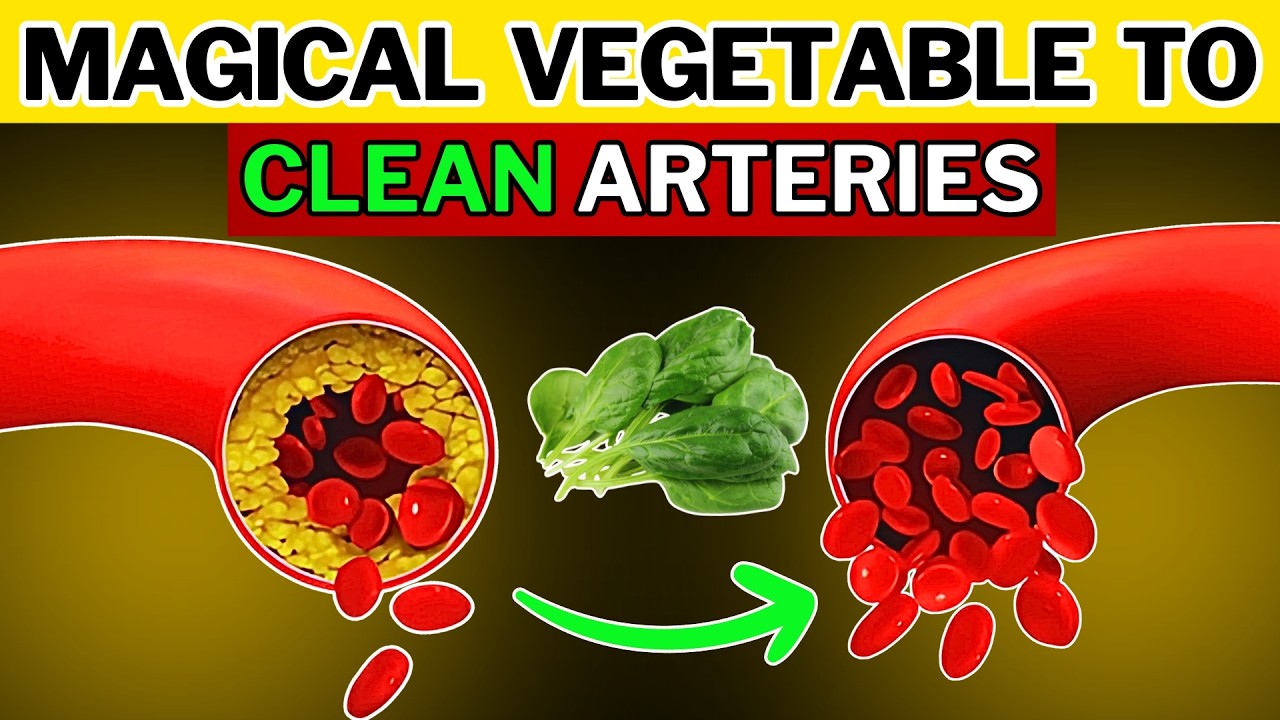
monitor individual tolerance seniors with a history of gout kidney problems or digestive sensitivities should pay attention to how their body reacts to peas and adjust intake accordingly if you are still watching this video and finding these lessons useful please comment number two below to let me know that you are still watching this video with me thank you for your valuable time three spinach spinach a leafy green vegetable with origins in ancient Persia has long been celebrated for its impressive nutrient profile and numerous health benefits packed with essential vitamins and minerals it is a rich source
of iron calcium magnesium and vitamins a c and k due to its high antioxidant content spinach is often regarded as a superfood that supports immune function Eye Health and Cardio vascular well-being however despite its many advantages spinach also contains compounds that may pose risks especially for seniors the issue with oxalates one of the main concerns with spinach is its high oxalate content oxalates are naturally occurring compounds found in many plant foods but spinach is particularly rich in them a 100g serving of raw spinach contains approximately 970 mg of oxalates which can bind to calcium in
the body and form calcium oxalate crystals these crystals May accumulate in the kidneys increasing the risk of kidney stone formation a problem that disproportionately affects seniors due to the Natural decline in kidney function with age according to research published by the Spanish Society of nephrology More than 70% of kidney stones are composed of calcium oxalate seniors especially those with a history of kidney stones or reduced kidney function should be mindful of their oxalate intake to minimize the risk of developing painful and potentially dangerous stones iron absorption and anemia risk spinach is well known as a
plant-based source of iron but the type of iron it contains non-he iron is not as easily absorbed by the body as heem iron which is found in animal products compounding this issue the oxalates present in spinach further inhibit iron absorption potentially making it less effective in preventing iron deficiency anemia seniors who are already at higher risk for anemia due to factors such as reduced stomach acid production and certain medications should take extra care when relying on spinach for iron pairing spinach with vitamin C rich foods such as lemon juice bell peppers or citrus fruits can
help improve non- heem iron absorption making it more bioavailable for the body balancing spinach in the diet despite these concerns spinach remains a valuable addition to a balanced diet when consumed in moderation and prepared correctly here are some tips for safely including spinach in a senior's diet limit portion sizes seniors prone to kidney stone should limit spinach intake to 50-70 G per serving no more than twice per week cook spinach to reduce oxalates boiling spinach can significantly lower its oxalate content as oxalates dissolve in water discarding the cooking water can further reduce oxalate levels combine
with vitamin C- rich foods adding sources of vitamin C such as a squeeze of lemon juice can enhance the absorption of non- heem iron diversify leafy greens instead of relying solely on spinach seniors can rotate with lower oxalate greens like kale Roma lettuce or arugula for similar nutritional benefits without as much oxalate Risk by consuming spinach in controlled amounts and preparing it in ways that mitigate its oxalate content seniors can continue to enjoy its health benefits while minimizing potential drawbacks four asparagus asparagus with its long vibrant green stalks and delicate tips has been a prized
vegetable since ancient times originating from the Mediterranean Reg region this nutrient-dense vegetable is packed with essential vitamins and minerals including vitamins a c e and K along with folate fiber and antioxidants its health benefits include supporting digestion reducing inflammation and promoting heart health however despite its numerous advantages asparagus contains a compound that may be problematic for certain individuals particularly seniors purines the connection between asparagus and uric acid levels purines are naturally occurring substances found in various Foods including Meats seafood and some vegetables like asparagus when purines are broken down by the body they produce uric
acid while uric acid is typically excreted through urine excessive levels can lead to health issues such as gout a form of arthritis characterized by sudden and severe joint pain and kidney problems including the formation of kidney stones according to the Spanish Society of Rheumatology consuming 200 of asparagus can contribute approximately 30 to 40 Mig of purines for individuals who are prone to high uric acid levels or have a history of gout or kidney stones frequent or excessive consumption of puring rich foods including asparagus May exacerbate these conditions safe consumption tips for seniors for those who
enjoy asparagus but need to monitor their purine intake there are ways to incorporate it safely into a balanced diet moderation is key if you have a predisposition to gout or kidney stones limit asparagus consumption to no more than 100 G per day to reduce the risk of excessive uric acid buildup cooking methods matter boiling asparagus before consuming it can slightly reduce its purine content as some purines dissolve into the cooking water discarding the water after boiling may help lower the impact on uric acid levels pair with low purine foods to minimize risks eat asparagus alongside
low purine foods such as leafy greens whole grains and dairy products which may help balance overall uric acid levels stay hydrated drinking plenty of water can help flush excess uric acid from the body reducing the likelihood of Crystal formation in the joints or kidneys if you are still watching this video and finding these lessons useful please comment number three below to let me know that you are still watching this video with me thank you for your valuable time five potatoes who doesn't love potatoes this humble tuber has been a fundamental part of Spanish cuisine for
centuries finding its way into beloved dishes such as tortilla Espanola patas bravas and Calo goo thanks to their affordability long shelf life and nutritional value potatoes have become a dietary staple not just in Spain but across the globe potatoes are an excellent source of carbohydrates providing energy for daily activities they also contain important nutrients such as Vitamin C potassium and fiber especially when eaten with a skin however despite their many benefits potatoes can pose a hidden health risk due to the presence of a natural toxin called solanine what is solanine solanine is a glyco alkaloid
toxin that the potato plant produces as a defense mechanism against pests fungi and bacteria while small amounts of solanine are generally harmless high concentrations can be toxic to humans the highest levels of solanine are typically found in the skin of the potato any green parts of the tuber Sprouts or eyes that develop when potatoes are stored for too long the area just beneath the skin especially in damaged or bruised potatoes exposure to light or improper storage conditions can trigger the production of solanine causing potatoes to develop a greenish tint due to an increase in chlorophyll
while chlorophyll itself is harmless its presence is often a visual indicator that solanine levels may have risen to dangerous levels potential health risks of solanine according to the Spanish Institute of nutrition and food safety insa consuming more than 2 Mig of solanine per kilogram of body weight can lead to adverse health effects this means that for a person weighing 70 kg 154 lb ingesting more than 140 mg of solanine could cause toxicity symptoms symptoms of solanine poisoning can include gastrointestinal issues nausea vomiting diarrhea stomach cramps neurological effects dizziness headaches confusion hallucinations and in extreme cases
seizures cardiovascular effects lower blood pressure and irregular heartbeats for sensitive individuals such as seniors young children or those with weakened immune systems even lower amounts of solanine may be harmful to put this into perspective a medium-sized green potato can contain up to 25 mg of solanine if several green or sprouted potatoes are consumed in one meal it could lead to mild toxicity symptoms in some individuals how to consume potatoes safely to enjoy the many benefits of potatoes while minimizing the risks associated with solanine follow these safety guidelines avoid green or sprouted potatoes if a potato
has turned green or developed Sprouts it's best to discard it or cut away the affected areas generously peel potatoes before cooking since solanine is concentrated in the skin peeling reduces your intake of this toxin store potatoes in a cool dark place light exposure encourages chlorophyll and solanine production so keep potatoes in a paper bag or a well-ventilated pantry instead of a brightly lit kitchen counter or refrigerator avoid frying potatoes excessively deep frying May concentrate solanine and introduce unhealthy trans fats instead opt for boiling steaming or baking which helps preserve the potatoes nutrients while keeping toxin
levels in check be mindful of portion sizes for seniors a safe serving size is around 150g of boiled or baked potatoes per day ensuring they get the nutritional benefits without unnecessary health risks by following these precautions you can continue to enjoy delicious and nutritious potato based dishes safely and without worry six mushrooms mushrooms though often considered a healthy and nutritious addition to meals can pose certain risks that many people Overlook while they are low in calories and packed with essential vitamins minerals and antioxidants they also contain compounds that may be problematic for some individuals one
such compound is purines which when broken down by the body convert into uric acid excess uric acid can crystallize in the joints leading to gout or contribute to kidney problems by forming kidney stones or impairing kidney function according to the Spanish Institute of nutrition and food safety insa mushrooms contain approximately 12 to 15 Mig of purines per 100 G while this may seem like a relatively low amount compared to high purine foods such as organ meats or certain types of seafood the risk lies in the accumulation of purines over time especially for individuals predisposed to
gout or kidney disease regular consumption of mushrooms particularly in large quantities can contribute to elevated uric acid levels potentially triggering painful flare-ups or worsening existing conditions additionally some types of wild mushrooms contain natural toxins that can be harmful if ingested while cultivated varieties like button mushrooms shitake and Porto Bell are generally safe for consumption improperly prepared or foraged mushrooms may contain harmful substances that can cause digestive issues liver damage or even severe poisoning for individuals with a history of gout kidney disease or uric acid Related Disorders moderation is key when consuming mushrooms Consulting a healthc
care professional for dietary guidance can help manage the risks while still allowing for the occasional enjoyment of this popular ingredient so what have you learned so far were you surprised by any of these vegetables and their hidden effects on health let us know in the comments what's one thing you've learned today that you'll start applying in your daily life if you found this video helpful please leave your comment below and don't forget to like share and subscribe to our YouTube channel for more health tips that can make a real difference thanks for watching and take
care of your health