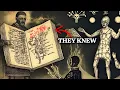
They told you reality was simple: birth, work, death, done. But what if that's a lie you've swallowed whole for centuries? An impossible book, the Voynich manuscript, has defied every expert, every genius.
Why? Because hidden inside those alien plants, bizarre symbols, and star maps from no known sky could be the ultimate keys to life, death, and even time itself. This isn't just another dusty relic; it's a forbidden guide that threatens to rip open the universe's secret playbook.
Trust your gut; you've always sensed something deeper. Today, we're cracking the code that no one dared to decode. Stay right here; you're about to discover why this book shouldn't exist and how it might forever reshape your destiny.
They told you reality was straightforward. They packaged existence like a monotone assembly line and sold it as truth. But right now, I want you to imagine stepping off that conveyor belt.
Picture yourself in a towering library that stretches beyond your line of sight, each shelf bowing under the weight of human knowledge: encyclopedias, textbooks, scientific journals, row upon row, all reflecting the familiar narrative we've been spoon-fed: that we've mapped the world, explained the cosmos, understood the mind, and mastered nature's secrets. Sure, we've got advanced medicine, quantum physics, global communication; by all accounts, we think we've figured it out. But have we?
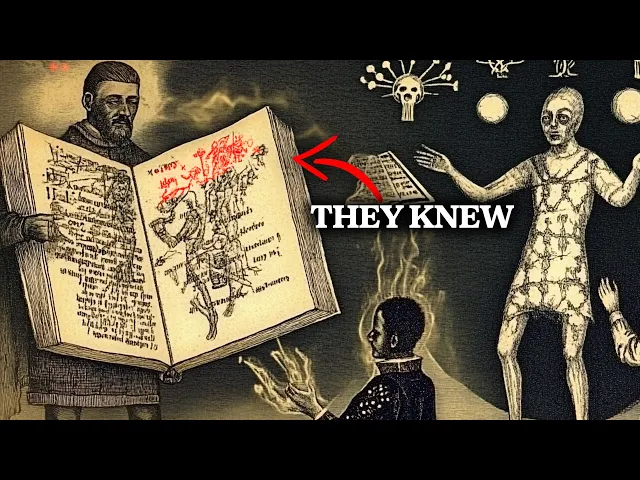
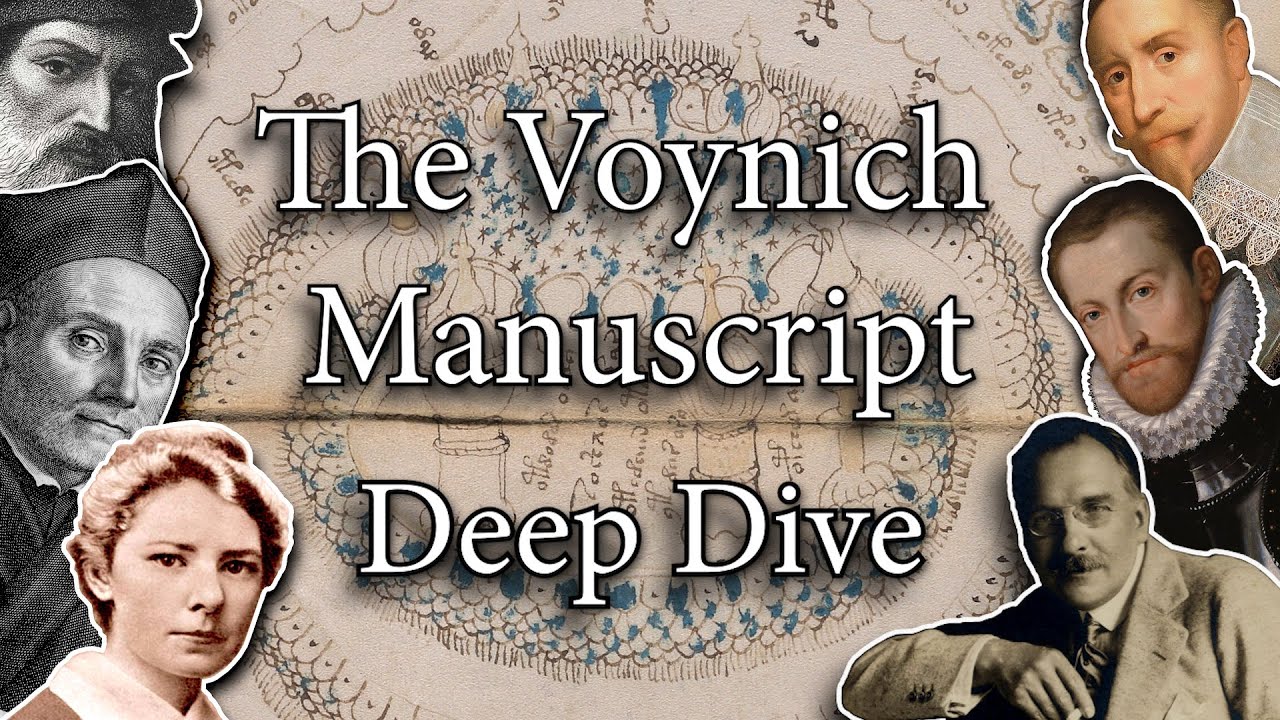
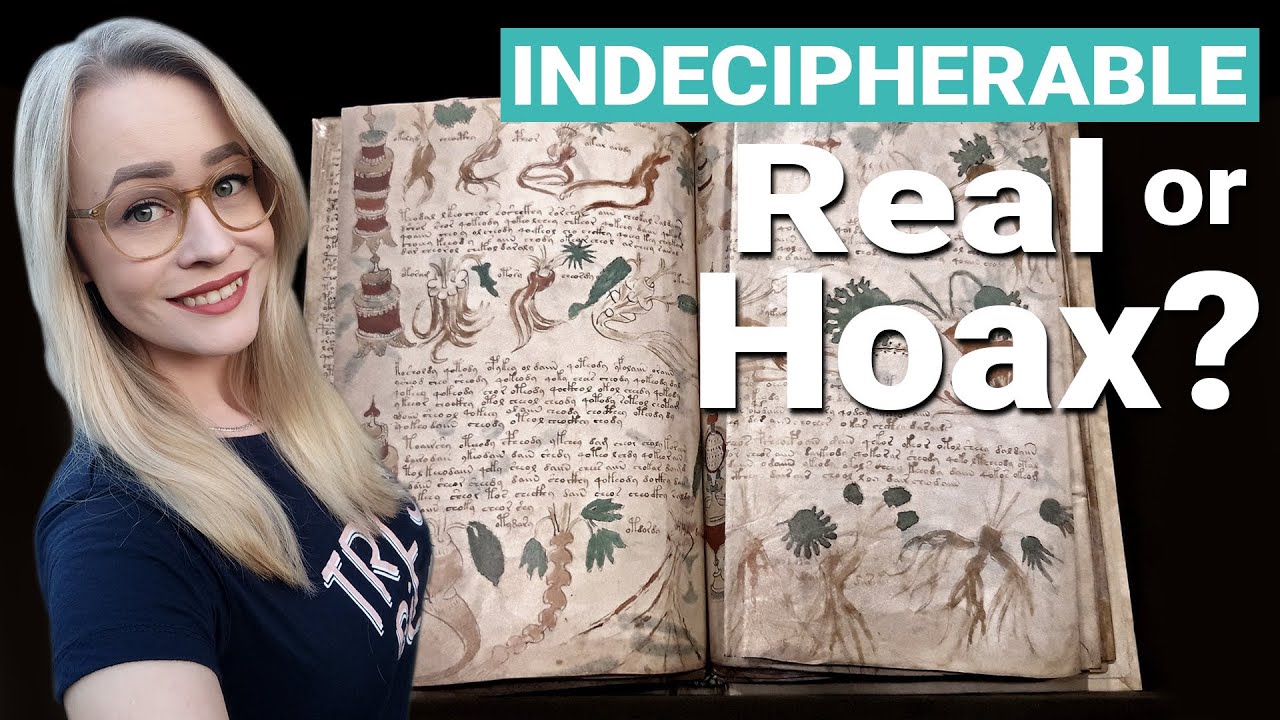
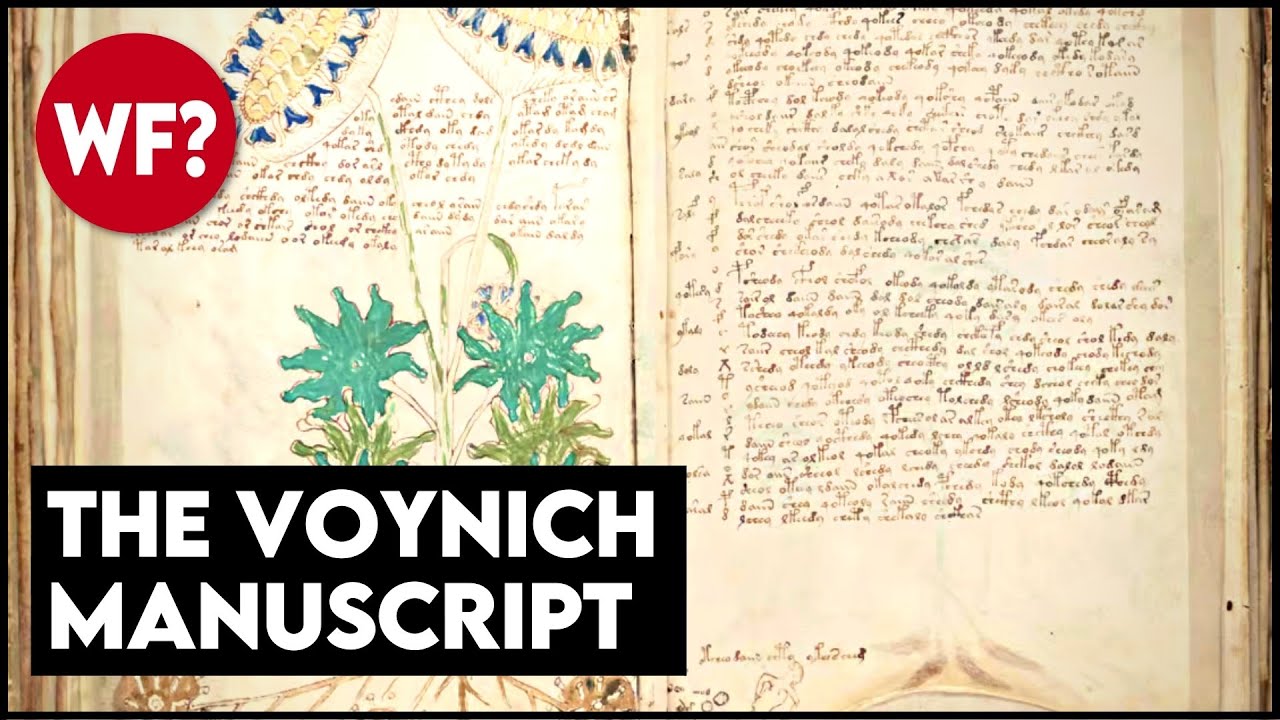
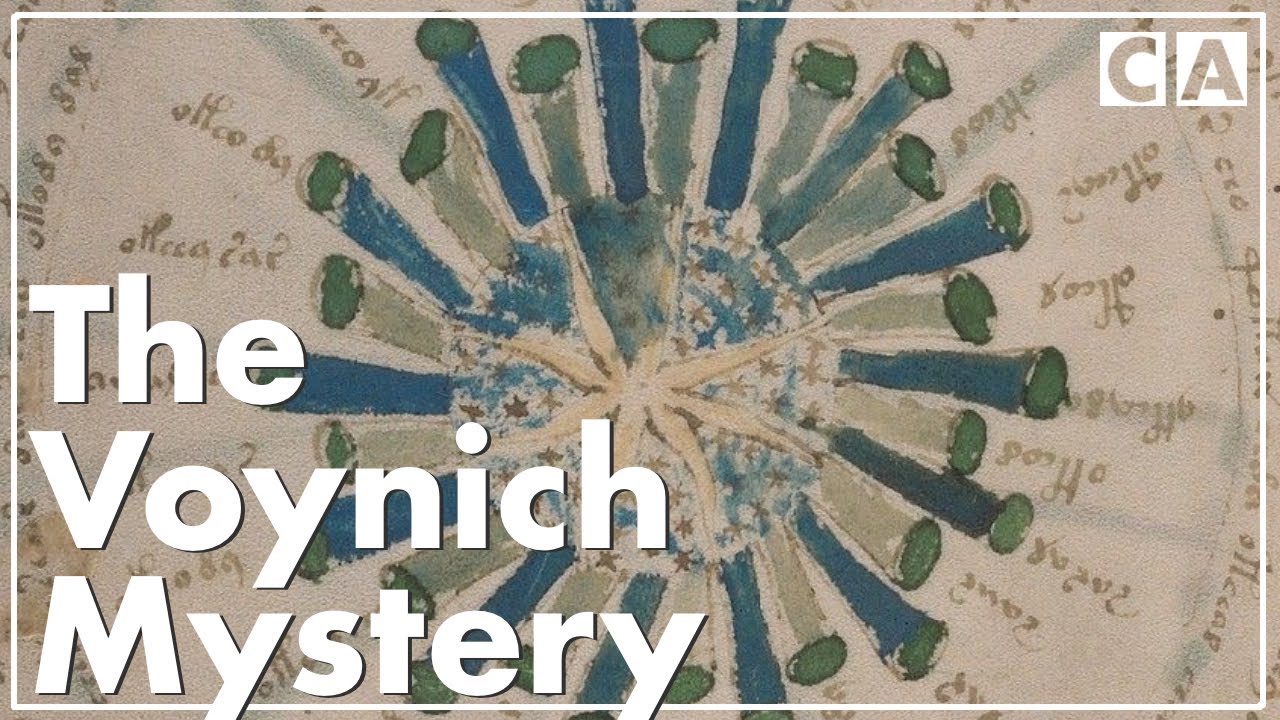
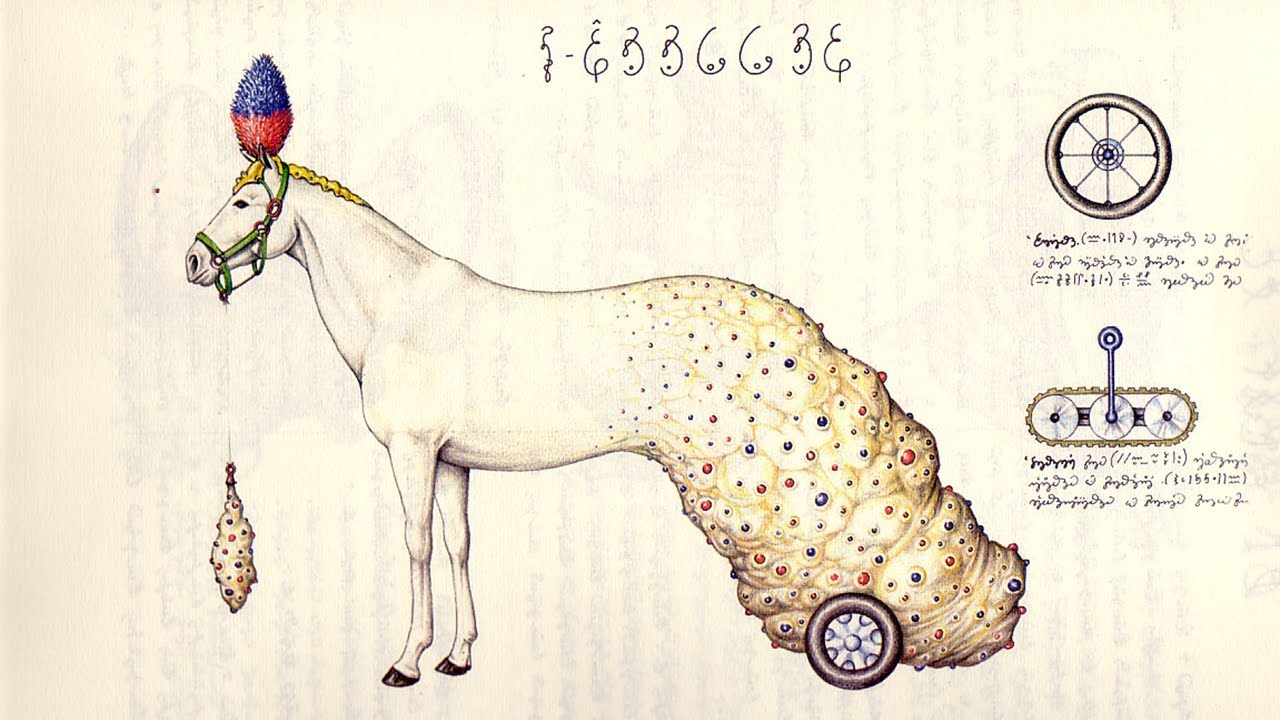
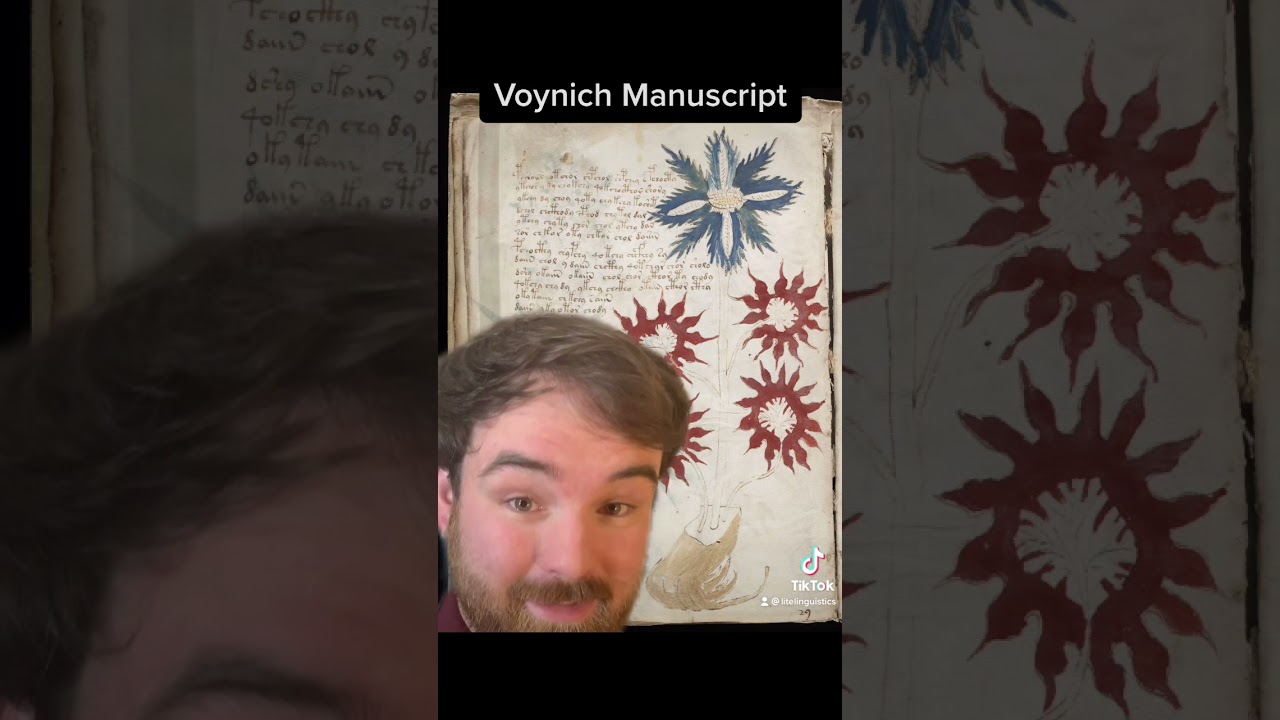
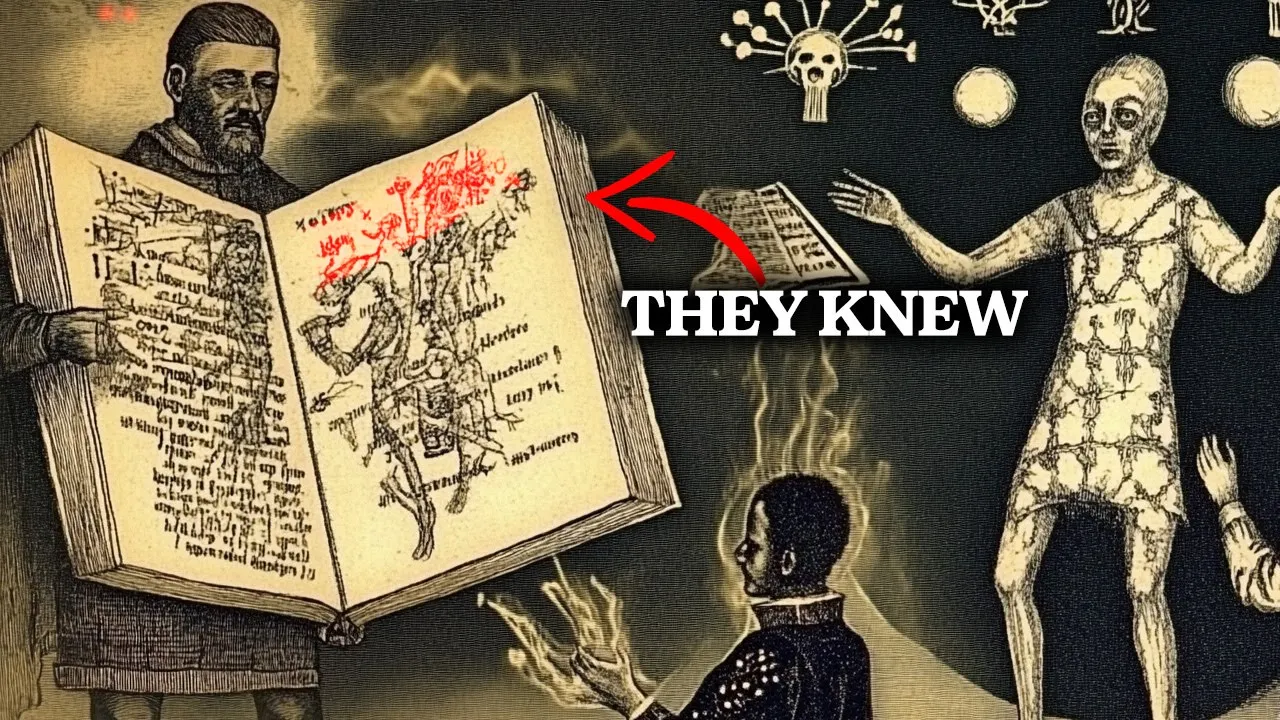
Because tucked away in a guarded corner of this metaphorical library, away from the spotlights, footnotes, and polite academic consensus, there exists a singular, impossible book: a codex that has refused to bow to human intellect for over six centuries. It's real, physically carbon-dated to the early 1400s, which means it predates printing presses and the Renaissance boom of knowledge. Within its vellum pages are strange illustrations of alien-looking plants, star maps that don't align with any known constellation, and lines upon lines of text written in a script no one can read.
I'm talking about the Voynich manuscript, one of the greatest enigmas that continues to baffle historians, cryptographers, linguists, and even modern AI algorithms. Think about that: we live in an era where artificial intelligence can translate ancient languages, identify fake paintings, and predict stock markets. Yet when it stares at the Voynich manuscript, it draws a blank.
The NSA's top cryptanalysts have given it a shot—brilliant linguists and codebreakers from World War II, people who cracked enemy ciphers that decided the fate of nations, have tried and failed. Even machine learning models trained on countless dialects and scripts come up short. What does that tell you?
It tells you we're dealing with something beyond our current frameworks, suggesting that maybe, just maybe, the official narrative that we're the pinnacle of understanding is dangerously incomplete. The mere existence of this manuscript hints that reality might be bigger, weirder, and more layered than the voices of authority have ever admitted. Now, why should you care about some undeciphered old book locked away in Yale's Beinecke Rare Book and Manuscript Library?
Because this isn't just about a historical curiosity; it's about reclaiming your sense of wonder and possibility. Deep in your bones, you felt it: that restless whisper saying the world's not as neatly defined as they claim. You've sensed that what's taught in schools and reported on the evening news is just the tip of an iceberg that plunges into unknown depths.
The Voynich manuscript is like a neon sign flashing, "There's more! " Daring you to consider that life might not be a closed system of equations but an open mystery teeming with revelations waiting to be unlocked. Look around you: humanity is at a crossroads.
It's changing at a pace we can't ignore. Economic systems wobble; mental health crises surge; technology connects us but also isolates us. We are hungry—no, starving—for a deeper meaning, for a narrative that doesn't just shuffle us from cradle to grave but shows us how to thrive, expand, and transcend.
The Voynich manuscript, in its silent defiance, stands as a symbol of what we've lost or forgotten. It's proof that not all keys have been found, not all doors opened. You might be thinking this all sounds too grand; it's just a strange old book.
But remember: every earth-shattering idea starts as heresy or madness before becoming the new normal. There was a time when the idea of radio waves—messages carried invisibly through the air—seemed like pure fantasy. Today, we rely on it every minute.
Once, the notion of heavier-than-air flight was ridiculed; now we cross continents in hours. If we can decode the genetic language of life, the human genome, and launch telescopes to see galaxies billions of light years away, why can't we crack this manuscript? The difference is that every known cryptographic technique has smashed against the Voynich's wall.
The text doesn't map onto known alphabets; its letter frequency is unique. Attempts to match it to Latin, Hebrew, Arabic, Chinese, or invented ciphers have fallen short. Some swear it's a constructed language like Tolkien Elvish used to safeguard precious knowledge.
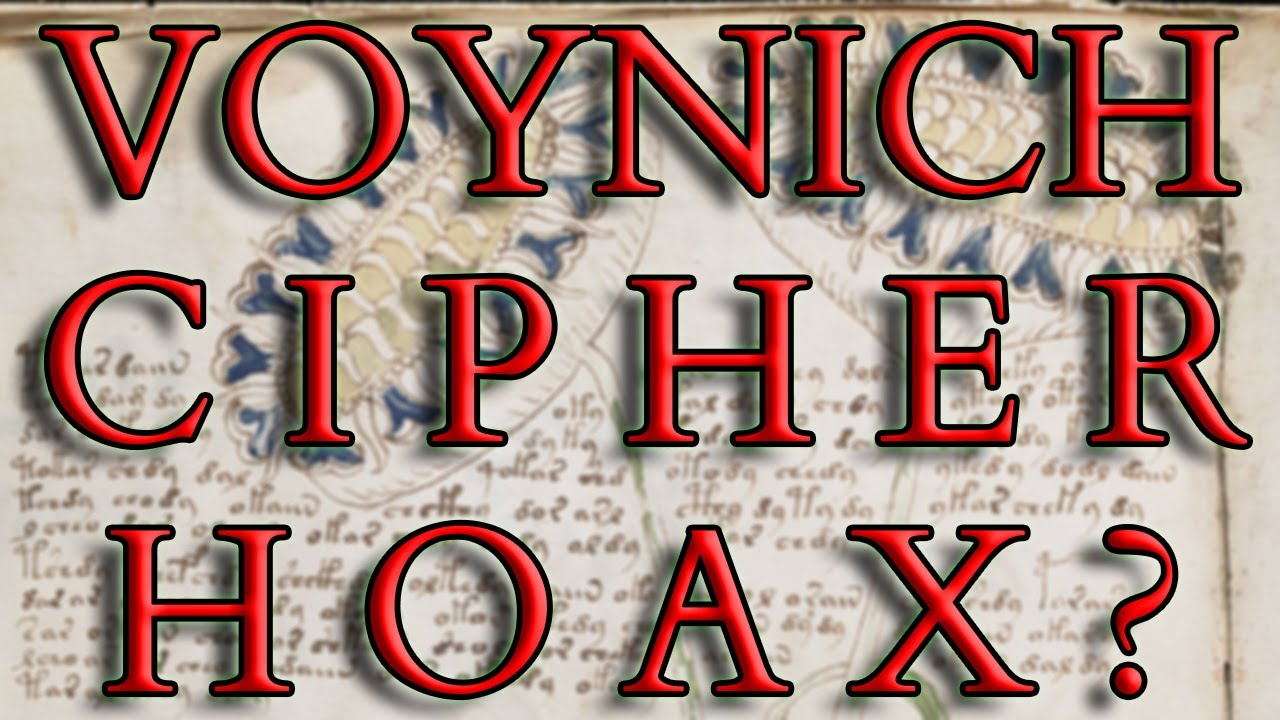
Others argue it's an elaborate hoax, though carbon dating and the complexity of the script make that unlikely. The reality is we just don't know, and not knowing is deeply uncomfortable to a civilization that prides itself on having all the answers. That's where the real power of this manuscript lies.
It shines a spotlight on our intellectual hubris and asks: Are we truly as smart as we think, or have we locked ourselves into a narrow corridor of acceptable possibilities? The Voynich manuscript doesn't just stump experts; it humbles them. It hints that to solve it, we might need to evolve our understanding of language, cognition, or even reality itself.
So let this moment be your awakening—your invitation to question the tidy narratives and embrace the unknown with open arms. The Voynich manuscript is living proof that our world still holds locked chests of knowledge guarded by codes we haven't cracked. Instead of frustrating us, this should excite us because a world that still harbors mysteries is a world that hasn't given up on surprise, innovation, and growth.
It means we haven't hit the ceiling of possibility. Stay with me as we journey deeper. In the next sections, we'll trace how this mysterious codex survived through secretive hands and scholarly bafflement, how its pages might hold spiritual recipes or cosmic cheat codes, and how it forces us to rethink everything we take for granted.
Close your eyes and imagine it's the early 1900s, and you're stepping into a dimly lit Jesuit college near Rome. The air is thick with incense and old secrets. You can almost taste the dust on the centuries-old shelves, each stuffed with manuscripts that have shaped minds and molded beliefs.
Now visualize a single figure gliding through the corridor: Wilfred Voynich, a daring book dealer with a keen eye for the extraordinary. He's not just here to buy; he's hunting. He can feel the potential in these pages—stories that could shift paradigms, rewrite histories, and unshackle human potential.
Suddenly, the Jesuits hand him a batch of old texts. Among them is one codex that instantly sets his pulse racing. He doesn't know why yet; he just knows it's different.
As he flips the pages, you can feel the tension mount. Strange alien plants stare back at him, their anatomy challenging everything a botanist might accept as fact. The text is written in a language that refuses to align with anything known, and those star diagrams—they're not from any sky you've ever seen.
It's as if the universe slipped him a riddle that can't be solved with old assumptions. Why would the Jesuits, men famous for their intellectual rigor and meticulous recordkeeping, just let this go? Why not shout its mystery from the rooftops, claim it as their own grand challenge?
Because deep down, they knew this manuscript doesn't follow the rules. It laughs at the idea that all knowledge has been categorized and tamed. It's a loaded weapon of possibility that could rip open the seams of accepted reality.
So instead of sounding alarms, they hand it over quietly—let Voynich deal with the fallout, let someone else dare to decode what even their brightest minds found impenetrable. If you've ever suspected that certain authorities pick and choose which truths to release, this moment validates your hunches. Let that rush of vindication wash over you because you're right: the world we've been handed is edited, curated, and censored for our protection.
The Voynich manuscript just broke the fourth wall and winked at you, saying, "Yes, there's so much more than they've told you. " Voynich knows he stumbled onto something massive. He parades the manuscript before scholars, linguists, and codebreakers—think of the best of the best, people who cracked wartime ciphers that swayed the balance of power.
They all line up, confident they'll crack this new code like they cracked so many others. Then silence. They back away, shaking their heads.
Not a single expert can force the Voynich to yield its secrets. They're baffled, maybe even embarrassed. Here's a manuscript that's older than their grandparents, written before the age of telescopes and printing presses, and it's making the brightest minds of the era feel like clueless amateurs.
This is the part where you start to feel that electric jolt of possibility. We've decoded Egyptian hieroglyphs, we've deciphered cuneiform from ancient Mesopotamia, we've revived lost languages by comparing them to living tongues, yet this book stands unbeaten. Why?
Because it's not simply another ancient language; it's a complete enigma that defies conventional keys. This is your wake-up call, your reminder that the map of human knowledge still has blank spaces and dragons lurking in the margins. As time marches on, the manuscript changes hands, slipping through eras and owners like a traveler from another dimension.
Voynich passes away, the codex moves on, and eventually, it settles at Yale's Beinecke Rare Book & Manuscript Library. Now imagine it resting behind glass, protected, preserved, and digitized for all to see. Anyone on Earth can now examine those peculiar illustrations and that mysterious script, yet still, not one person can say, "I've got it!
I know what it means. " The manuscript stands undefeated, daring us all: come on, try harder, think differently. This steady chain of custody—Jesuits, Voynich, scholars, Yale—reveals something profound: the truth can't be contained forever.
Secrets find their way out. Yes, powerful institutions might try to stash it in a quiet corner, downplay its importance, or dismiss it as nonsense, but here it is, front and center in the public arena. In the digital age, the cat's out of the bag.
Researchers, hobbyists, mystics, linguists—all are free to try their hand. And guess what? No one's nailed it yet.
That fact alone should ignite a firestorm in your mind. If you're feeling that mixture of awe and determination—good! You're supposed to.
This mystery is your invitation to grow beyond the intellectual fences society has placed around you. Ask yourself: if we can't decode one manuscript from medieval Europe, what else might be lurking outside our current understanding? What cures, insights, or evolutionary leaps have we missed simply because we haven't evolved the right perspective?
The Voynich manuscript's journey shows how powerful knowledge can remain hidden in plain sight. It's a direct challenge to the narrative that humanity's got it all figured out. If you've ever rolled your eyes at official stories that feel too neat, this manuscript is your ultimate "I told you so.
" That voice in your head that says there's more to history, more to spirituality, and more to the tapestry of existence—listen to it. It's on to something. And don't think for a second this is just idle speculation.
We have solid data: the parchment's carbon dating places it in the early 1400s, ink analysis confirms its authentic material, and stylistic elements match the medieval era. This isn't a. .
. A hoax cooked up by some boorish scholar in a basement last week? It's genuinely ancient and deliberately crafted.
Every brush stroke, every letter formation, every layout decision cost labor, skill, and resources. Nobody invests that much effort into pure nonsense, especially not in an age where every resource was precious. This leads us to a critical realization: whoever created this manuscript did it with purpose.
They weren't joking around; they weren't scribbling random gibberish. They encoded something they valued so deeply they weren't willing to make it obvious. They guarded it behind an impenetrable wall of code, waiting for a time or a mind capable of cracking it.
Maybe they foresaw future generations and thought, "One day, when they're ready, they'll understand. " So here we are, over a century after Voit's discovery, still peering through the glass at Yale, still scratching our heads. But now we have something our ancestors didn't: a global network of curiosity.
Every time someone starts searching for patterns, running AI analyses, or comparing motifs to ancient herbals, we collectively edge closer to a breakthrough. The manuscript's presence online shatters any attempt to bury it. You can see it; anyone can.
No elites can fully control its narrative anymore. Don't look away; don't settle. Stick with me, because we're just getting warmed up.
Brace yourself: what you're about to discover flips the script on everything you thought was impossible. If the last chapter left you breathless, understand this: we're now plunging into territory so explosive, so unsettling, that most who dared tread these waters lost their grip on what they believed was reality. You've proven you can handle the unexpected, but can you handle the unimaginable?
We've established that the world is not a tidy encyclopedia it pretends to be. We just confirmed that unimaginably strange secrets lie hidden in plain sight. But now we must go deeper into the minds of those who tried to decode these secrets and failed spectacularly.
Only a handful dared to go where we're about to go; most backed away in terror, their reputations in tatters, their confidence crushed. You, on the other hand, have the courage to press on. You've chosen to see the truth, no matter how it shakes the foundations of your mind.
Imagine brilliant codebreakers, the kind who cracked enemy codes during World Wars and were hailed as national heroes, reduced to frustrated silence by the Voynich manuscript. Picture world-class linguists who'd resurrected dead languages suddenly hitting an impenetrable wall. Think of cutting-edge AI trained on millions of documents from every known culture, throwing up its virtual hands in defeat.
Every logical method known to our civilization has been thrown at this riddle, and every single one has shattered like glass against granite. If you thought previous failures were shocking, get ready. Some daring souls proposed theories so audacious they read like cosmic sci-fi.
They claimed the manuscript was penned by extraterrestrials scouting our planet long before telescopes graced our observatories. Others swore it was the product of an elite alchemical guild that safeguarded the secret to immortality, encoding their discoveries so that only the truly worthy—those capable of transcending ordinary thought—would ever comprehend it. Still others whispered that it might be a message from future civilizations, a time loop transmission sent backward to guide us through a reality we haven't learned to navigate.
These aren't random conspiracy theorists we're talking about, but respected academics and researchers who, after exhausting all rational routes, entertained the irrational. They peeked beyond the veil because conventional wisdom led nowhere. But in doing so, they risked their sanity and credibility.
Universities snubbed them; peers ridiculed them, and funding disappeared. The manuscript's challenge isn't just intellectual; it's personal, emotional, and spiritual. It tests not only our brains but our willingness to step outside the boundaries of the acceptable.
Feel that tightening in your chest? That's the thrill of standing at the edge of a chasm no one has successfully crossed. You're not just reading words; you're striding alongside explorers lost in a cosmic jungle, their intellectual machetes dulled by vines of incomprehension.
Time is running out, and there's no going back now. This is your frontier. What you glean here could rewrite your understanding of how knowledge evolves.
Each dead end reveals that our current toolbox—languages, cryptography, brute-force algorithms—might be too crude for such a refined enigma. Consider the legacy of William Friedman, the famed American cryptologist who helped break the Japanese purple cipher in WWII, an achievement that influenced the war's outcome. He attempted the voyage too.
A man who toppled enemy codes met his match in these baffling pages. Every pattern he tested collapsed; every hunch faded into a question mark. He died without ever cracking it.
Let that sink in: one of the greatest codebreakers of all time, a giant in his field, was humbled by this medieval puzzle. Fast forward to modern times. We've got quantum computers and AI sophisticated enough to simulate brains, yet when these digital geniuses confront the Voynich, they find patterns but no meaning; structures but no translation.
Like explorers mapping a coastline they can never land on, they identify statistical consistencies that suggest it's a language, but can't decode a single sentence. If these geniuses failed, what does that mean for us? Ask yourself: could these brilliant minds have missed the key ingredient—an evolved consciousness that only you, right now, are beginning to awaken?
Could it be that we're looking for an earthly solution to a cosmic puzzle? What if the Voynich manuscript demands a level of perception we haven't cultivated? The failures we've cataloged aren't defeats; they're neon signs flashing: think differently.
Each shattered attempt hints that we must transcend conventional thinking, blend logic with intuition, and open ourselves to forms of understanding that defy our normal senses. Alien origins, secret guilds, future beings—these theories aren't just crackpot ideas; they're creative attempts to grasp a puzzle that resists convention. Handles the question isn't whether these theories are right or wrong, but why we've been forced into such radical speculation.
The very fact that we must entertain these wild possibilities shows that the manuscript sits outside our neat categories. It's not just a locked door; it's a door to a room we can't even visualize. As you soak this in, remember you're part of a select few who dare confront these unsettling truths.
Many would dismiss this manuscript as a curiosity, click away, and never return. Not you. You're still here, heart pounding, mind racing, expanding your horizons.
This journey isn't just about cracking a code; it's about evolving your consciousness and embracing a universe far stranger than any textbook admits. We stand now at a steep cliff. Beyond lies a realm of understanding where old rules crumble.
If the brightest minds and most advanced machines can't decode this text with brute force, maybe we need a hybrid approach—something that marries science with spirituality, rationality with imagination. Maybe the Voynich manuscript was never meant to be read in the way we read ordinary books. Maybe it demands a form of reading that's more akin to communion; an intuitive leap that fuses pattern recognition, metaphoric thinking, and some deeper sense of resonance.
Feel that inner tension? Good. That's the sign you're on the brink of a shift.
Each failed attempt is a clue that we must become something more to succeed. If we keep bashing rational tools against this riddle, we'll keep failing. It's time to upgrade the operating system of our minds, and this is where we leave you—on the cusp of a brand new logic.
In the next section, we'll break even further from old paradigms. We're not just going to list more theories; we'll begin forging a new approach. Altogether, we'll explore how blending intuition, spiritual insight, and scientific rigor can usher us into a realm of understanding we've never touched before.
We'll ask: what if the path to decoding the Voynich isn't about being smarter but about evolving who we are? Now, let's dive deeper into the manuscript’s guts. Open it up virtually since digitized copies exist, and let your eyes run over those strange illustrations in the botanical section.
Imagine leaves that twist into spirals, roots that look like nervous systems. Some plants resemble common herbs but with anatomical glitches, as if someone mixed species or depicted a genetic blueprint beyond our known flora. What if these are not just plants but symbols of internal states, each leaf corresponding to a human emotion or organ function?
Consider that in many spiritual traditions, plants aren't just crops; they are teachers, guardians, or portals to other dimensions. Certain psychedelic plants today are known to unlock profound healing and mystical experiences. The Voynich plants might represent a compendium of teacher species that guide the soul through cosmic lessons.
If we cracked their code, perhaps we'd discover recipes for heightened perception, stepping beyond the veil that blinds us to spiritual realities. Turn the page, and you face astronomical diagrams that defy logic—constellations that don't match our known sky. They might be star charts of parallel universes, timelines, or internal astral landscapes.
Maybe the manuscript's authors mapped out states of consciousness as constellations, inviting us to navigate our minds like explorers sailing unknown seas. If we could interpret these maps, we might find a schedule for optimal rituals: times when universal energies align to support healing, learning, or transcending the body's limits. Then there's the language—cryptic glyphs dance across the parchment, repeating patterns that suggest syntax and structure but match no known tongue.
Imagine reading a text written in musical notes, where you must sing it to decode its message, or a script that requires synesthesia—tasting shapes, hearing colors—to glean meaning. If we're stuck trying to brute force it with our linear logic, maybe the manuscript laughs at our approach. Perhaps it's a language meant to be understood through meditation, dreams, or heart-centered intuition.
In the biological section, dozens of nude figures appear to be undergoing processes we can't label. Tubes, baths, and green fluids could represent life energy transfusions or alchemical rebirth. These scenes might describe methods to rejuvenate the body, align it with cosmic rhythms, or cleanse it of inherited limitations.
Imagine if these rituals, once decoded, taught us how to prevent diseases before they manifest, or how to harmonize bodily systems into a state of perfect equilibrium. That would revolutionize medicine, from reactive treatments to proactive evolution. The manuscript's complexity suggests it's not just a random mix of weird art; it feels purposeful, like a carefully orchestrated symphony.
Each element might interlock with the others—plants correlating to star phases, star phases correlating to spiritual practices, spiritual practices unlocking the language of the text. If so, it's a multi-dimensional puzzle. To solve it, you might have to become more than just an observer; you might have to undergo personal transformation, shedding limiting beliefs and embracing the notion that reality can be shaped by your intentions.
This inner requirement, this personal metamorphosis, explains why brute force decoding fails. The manuscript could be like a locked chest that opens only when you achieve a certain level of wisdom or vibration. Or, if this sounds mystical, consider how often human breakthroughs come from intuitive leaps rather than brute logic.
Einstein dreamed of riding beams of light before formalizing relativity. Great inventors have "aha" moments that feel more like revelations than deductions. Maybe to read this book, you need to shift from the role of rational skeptic to inspired creator.
This notion can be both thrilling and intimidating. It suggests that the power we seek over disease, time, and spiritual growth doesn't lie in the hands of external authorities but within our own capacity to evolve. In a world addicted to quick fixes and easy answers, the Voynich manuscript stands as a challenge: no shortcuts.
If you want what it offers, you must. . .
Expand yourself now. Let's tackle the manuscript's most provocative promise: it may redefine life and death themselves. We live in a world obsessed with extending life—anti-aging creams, regenerative medicine, transhumanist dreams of uploading consciousness to computers.
But what if the Voyich manuscript offers a more elegant solution? Not just to extend life in a mechanistic way, but to transform our understanding so radically that we no longer fear the grave. In many spiritual traditions, death is seen as a transition.
Near-death experiences, stories of reincarnation, and certain psychedelic journeys hint that consciousness doesn't flick off like a light bulb at death. If the manuscript encodes a method to experience this truth directly, maybe through certain herbal tinctures or meditative practices, then death stops being the ultimate boogeyman. Freed from that fear, humans could innovate and love more boldly, no longer shackled by existential dread.
This would shake our society to its core. Entire industries profit from our terror of mortality; entire power structures rely on the promise of rewards after death or the fear of eternal damnation to keep people in line. If the manuscript says, "Hey, death is just a doorway; you can learn to peek through," would we still follow the same leaders, obey the same rules, or accept the same narratives?
On a more personal level, imagine the serenity of knowing that you're part of a cosmic ecosystem, that your life's meaning isn't limited to a few decades of struggle and regret. If the plants detailed in the manuscript could realign your cellular structures, boost your immune system, or correct genetic flaws, we'd revolutionize healthcare. We would stop treating symptoms and start cultivating well-being at a fundamental level.
Mental health crises could dissolve as we access deeper layers of the psyche, guided by wisdom once locked away in indecipherable texts. If time itself proves flexible—a recurring hint in our exploration—then aging might be negotiable. Perhaps we could enter states of consciousness that slow perceived time, granting us richer life experiences, or learn to navigate timelines, gleaning lessons from future scenarios and applying them now.
This might sound like sci-fi, but consider that quantum theory and advanced neuroscience are already blurring the boundaries of what we deem impossible. The manuscript might be a roadmap to a new human species—one that sees the body not as a sack of meat doomed to rot, but as a dynamic interface with multiple layers of reality. This vision challenges everything: religion, economics, politics, education.
A humanity with less fear, more health, and a direct line to cosmic truths would be hard to manipulate. It would be a civilization that cooperates rather than competes, that explores rather than conquers. We're talking about a metaphysical revolution sparked by a book that nobody can read.
The irony is delicious; it's as if the universe is teasing us: your next big upgrade is right here, but you have to outgrow your old mind to claim it. Now, let's take a radical leap: what if the Voyich manuscript isn't just from our past, but from outside our entire linear understanding of time? Maybe it's a cheat sheet dropped by time travelers or beings who live in higher dimensions.
The fact that we can't decode it might be because it's written in a language that requires a four-dimensional perspective. We read left to right, but what if their sentences loop around in time? If we consider time not as a straight arrow but as a loop or spiral, then civilizations could rise and fall multiple times, leaving breadcrumbs for future iterations of humanity.
The Voyich manuscript could be a spark left by an older cycle of human existence—one that learned great secrets but perished in a cataclysm. They hid their wisdom in a form that only a future, more advanced humanity could grasp. We might be that humanity in progress.
Alternatively, if we live in a simulation—a cosmic video game run by advanced beings—this manuscript might be a hint from the programmers. Maybe it's coded in the underlying language of reality, and deciphering it would give us access to admin commands: the power to shape our environment or alter our parameters. If that sounds far-fetched, consider how video games often hide Easter eggs that grant special abilities.
Why wouldn't the universe have its own Easter eggs? These ideas, while wild, serve a purpose: they free us from the tyranny of the mundane. They encourage us to ask bigger questions, to dare to believe that the impossible might be possible.
The Voyich manuscript, in this sense, is less about a single solution and more about pushing the boundaries of our collective imagination. If time is cyclical or if we inhabit a simulation, then the manuscript's existence may be an intentional puzzle set by advanced intelligences—be they ancient humans, extraterrestrials, or digital architects. They might be testing our curiosity, our willingness to evolve.
If we fail, we stagnate in ignorance; if we succeed, we ascend to a new level of understanding, perhaps gaining the power to influence our destiny rather than being pawns in a cosmic chess game. This is where hope and responsibility intertwine. The idea that we're part of a larger narrative can be liberating.
It suggests we're not helpless victims of fate, but participants in a grand unfolding drama. And the manuscript—it's both a prop and a prompt, urging us to write the next act of our story more consciously. In recent decades, teams of researchers armed with advanced tools have tried their luck.
AI, trained on countless languages, can still only say, "This text has structure, but I can't translate it. " That's like having a master chef taste a mysterious sauce and say, "It has flavors, but I don't recognize the recipe. " What if the text is encoded, not just as language, but as a puzzle that integrates imagery, color frequencies, and symbolic logic, inaccessible to brute force methods?
Imagine if certain pages correspond to astrological alignments. And must be read when planets align in specific ways, or if you must physically act out the rituals depicted, chanting sounds corresponding to the shapes of letters before the meaning sinks into your subconscious. This changes the nature of the decoding effort; instead of a pure intellectual exercise, it becomes a holistic one.
Spiritual, artistic communal forums online speculate about hidden ciphers, transpositions, or steganographic layers. Some suggest shining UV light or infusing digital images with data analytics that reveal hidden patterns. We might need a fusion of archaeology, astronomy, biology, cryptography, and mysticism just to scratch the surface.
The repeated failure of conventional methods is a clue; it tells us that standard approaches, treating it like another Rosetta Stone, won't work. We must upgrade our paradigm. This is good news; it means the manuscript can't be claimed by one discipline or one authority.
It's an equal opportunity enigma that belongs to anyone daring enough to stretch their mind. In a time when AI is heralded as the solver of all puzzles, its failure here is humbling. It reminds us that human intuition, creativity, and empathy might be essential.
The human heart can understand poetry, music, and metaphor in ways machines struggle to emulate. Perhaps the manuscript is poetry of the cosmos, requiring not just decoding, but interpretation—like reading a mystical poem that reveals different layers of meaning as your soul matures. By now, we've painted a kaleidoscopic picture.
We started with a baffling old book and ended up questioning the nature of reality, consciousness, time, and human potential. That's the Voynich manuscript's real gift; it forces you out of your comfort zone. You can't think small when faced with something so defiantly other.
Your epic "aha" moment might be this: the manuscript's greatest secret is not simply what it says, but what it does—how it inspires us to transcend our limits. Even if we never fully decode it, the journey of trying might unlock latent abilities in our collective psyche. Maybe we'll discover new disciplines that blend art and science, or spiritual practices that integrate technology.
Maybe the manuscript's legacy is to spur a creative renaissance. In many hero's journeys, the hero chases an elusive goal, only to find that the pursuit transforms them. They return home changed, wiser, and ready to elevate their community.
The Voynich manuscript is our collective hero's journey. Trying to decode it pushes us toward higher states of ingenuity and unity. It's not just about answers; it's about evolution.
If one day we crack even a fragment of the manuscript and confirm that it offers, say, a method to heal the body at will, how would we respond? Would we share it freely, rewriting medicine overnight, or would corporate interests try to patent and profit from it? If it revealed techniques to perceive invisible energy fields, would we embrace them or dismiss them as heresy?
Our reaction to this hypothetical victory would reflect our collective maturity. The Voynich manuscript puts a mirror to our intentions. Are we seekers of truth or hoarders of power?
Are we ready to collaborate globally, pooling insights from every culture, tradition, and field to integrate its teachings responsibly? If we step up and handle it well, we might experience a profound shift. Education could teach intuition alongside logic, empathy alongside analysis.
Spiritual and scientific leaders might work together rather than bicker. Humanity could graduate from tribal conflicts into a cosmic society—curious and compassionate. If this sounds too idealistic, remember that every great leap—fire, the wheel, electricity, the internet—once seemed impossible.
The manuscript might represent the next quantum leap, a key to unlocking our fullest potential as beings that straddle physical and metaphysical realms. For now, the best next step is to keep the conversation alive. Discuss it with friends, comment below, support diverse research approaches, and celebrate the manuscript as a beacon of possibility rather than a frustrating puzzle.
By doing so, you pave the way for breakthroughs. We set out to explore a book no one can read, and we ended up challenging the foundations of our reality. That's the power of the Voynich manuscript; it refuses to be small or tame.
It dares you to dream bigger, to question harder, to become braver. You've walked through visions of alternative medicines, time-bending star maps, potential immortality, and cosmic evolutions. You've considered simulation theory and ancient civilizations whispering through encoded pages.
The manuscript showed you that the impossible might be a matter of perspective. Now it's your turn to act. Don't close this tab and return to the old routine unchanged.
Hit that like button, subscribe, and share this video. Grow the community of thinkers, dreamers, and truth seekers who demand more than the same stale answers. In the comments, speculate wildly.
What do you believe the Voynich manuscript conceals? Immortality potions? Dimensional travel guides?
A spiritual operating system? Your curiosity, your voice, your willingness to entertain the extraordinary fuels the collective engine of discovery. Together, we inch closer to the day we crack this code—if not literally, then metaphorically—by rising above old paradigms and stepping into a broader universe.
Remember, they told you reality was simple. Now you know better. The Voynich manuscript stands as proof that we've only just begun to explore the vast terrain of existence.
Keep questioning, keep seeking, and never settle for a world that pretends the extraordinary isn't possible. With every question you ask, you help pry open the locked door to a future far grander than we've yet dared to imagine.