- [Narrator] When Social Emotional Learning is successfully integrated school-wide, student perspectives and experiences shape daily school life. Staff engage students as leaders, problem solvers and decision makers. - When we think about Youth Voice there are two things we think about.
First, is the youth themselves. Do they have the competence, the skills, the confidence to use their voice? And secondly, are the adults in that space creating opportunities for the youth to be heard?
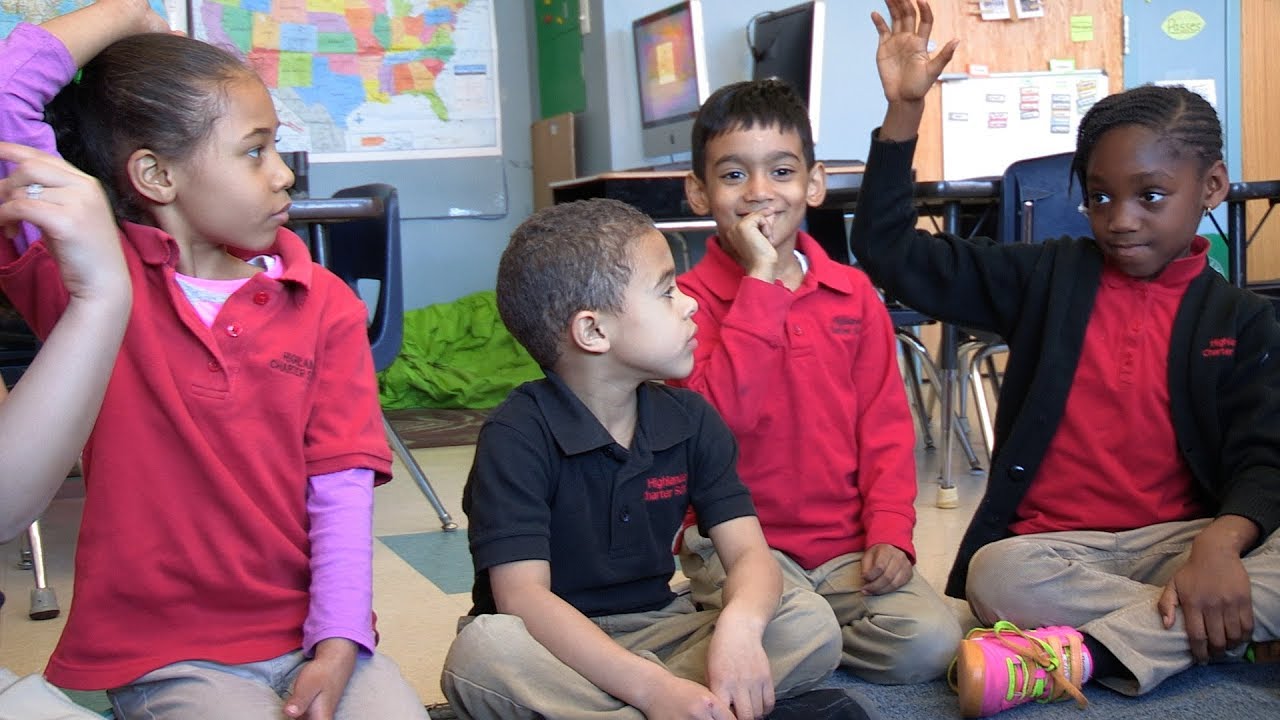
What it looks like in a classroom can be anything from the youth leading the instructional time. Even kids as young as kindergarten can lead that circle time and facilitate discussion among their peers. It can also look like students serving on committees to help problem solve in the school.
So it's important that they are real decision making collaborators not simply just planning prom or a safety patrol. - [Narrator] Principal Marc Engoglia, of Facing History New Tech High School in Cleveland, tackles youth voice and engagement by first creating a safe environment. He passionately believes when there's underlying trust, students feel more comfortable using their voice to advocate for change.
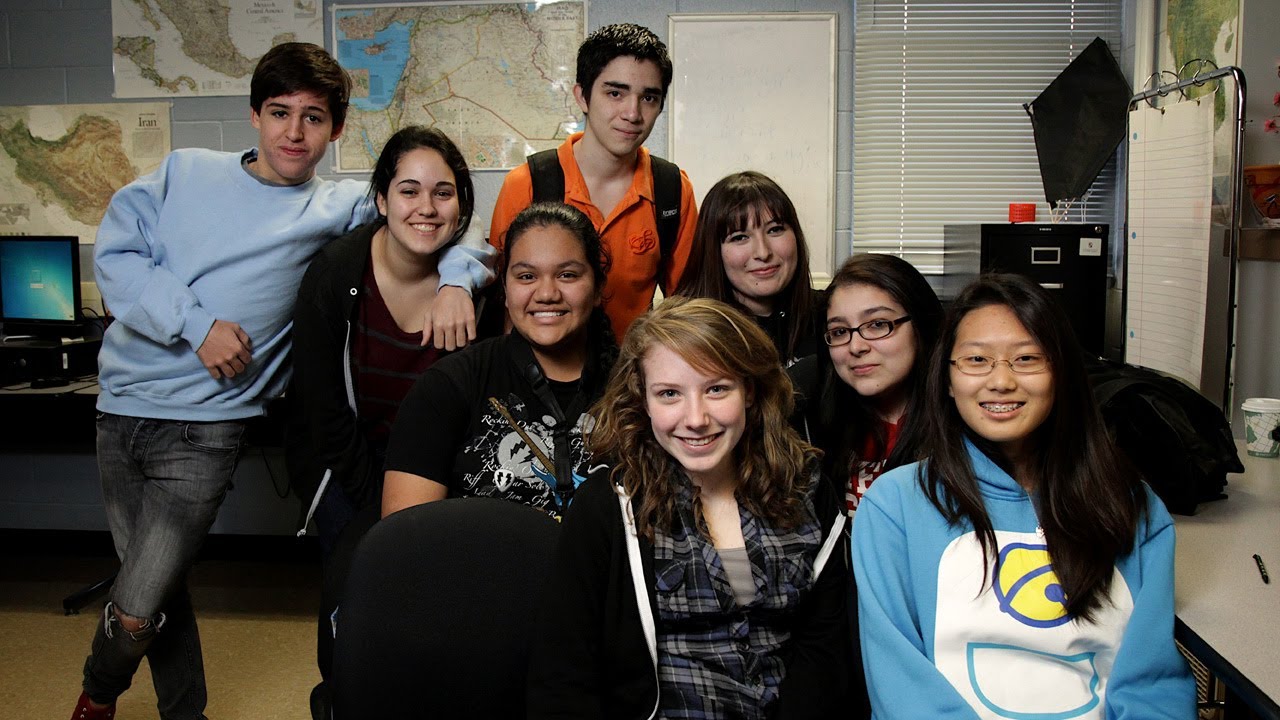
- In the tenth grade year we had this class where it was like a conjoined class and the students didn't like what we had, what was going on with the conjoined class. So we actually, we had a protest, like the tenth graders we all walked out of class and then eleventh, they fixed it. Like, eleventh grade year we had separate classes for the classes we protested for.
So yeah, they listened to what we said and it mattered for them. - [Marc] If they feel safe to say it, they will say it. If they don't trust us, they're not gonna say it.
But again, I think that's something that we've started here at Facing History New Tech since day one, where kids were gonna have a voice in what they do. The artwork around the building, it's theirs. I almost never say no.
The kids are like, "Can I do this? " Sure. If it's gonna make our place a better space, absolutely.
- [Narrator] To help create a climate of trust, Mr E, as he's called, has implemented peer mentoring programs, which empower students to take charge of their learning and growth. - [Mayrydennia] With my peers I have this, group called Lean Crew, which I'm in. It's where select juniors and seniors are like in a class and we mentor the freshman.
They come to us about work, life, how the teachers are treating them and we just help them through it. - [Narrator] Because of the strong relationships Mr E, has forged, the students felt comfortable using their voice to bring change to their school. - When they started here, the food in the cafeteria because we share with an elementary school, they were not getting the normal high school portions.
So, I reached out to the people I needed to reach out to and I kinda got a company line and the kids said, "Nothing changed," and I said, well, I think it's time for you guys to reach out. - [Narrator] The students took their concerns all the way to the district superintendent. - They reached out to Eric Gordon, he spent a day at lunch with them and within a few weeks they had different things.
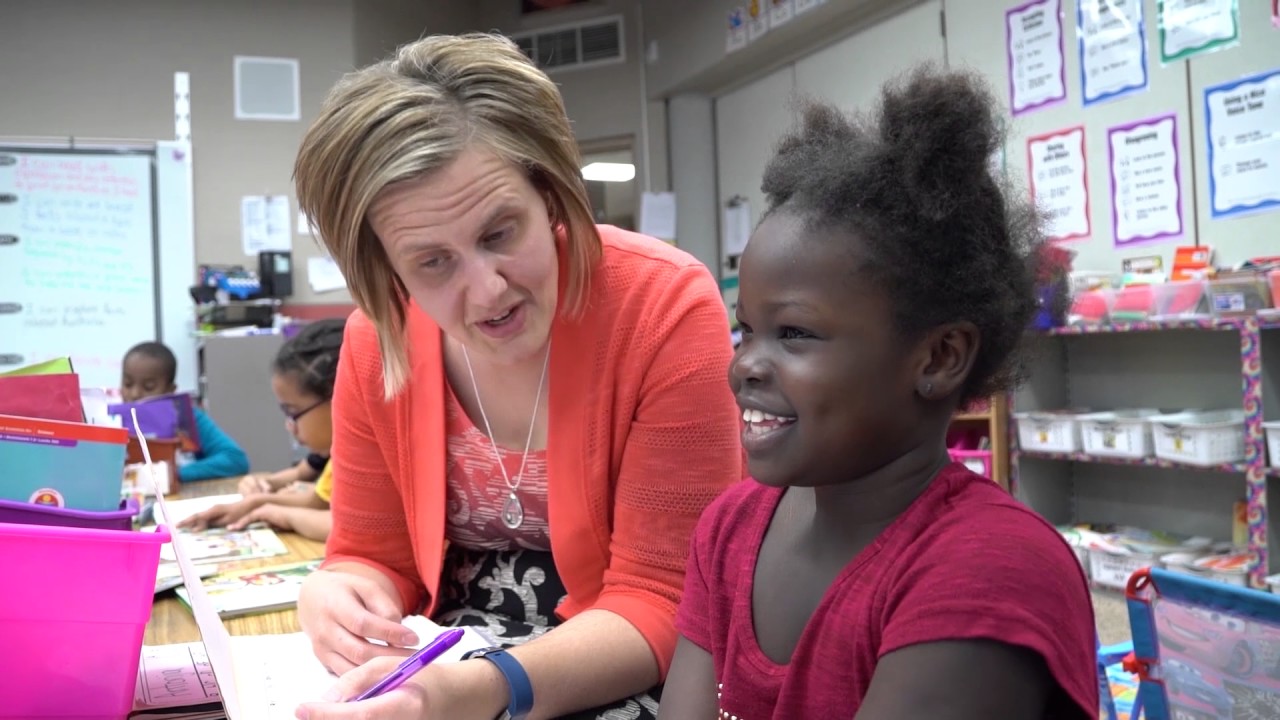
So, they were empowered to see that piece. - [Narrator] Just as the students have a voice in school culture, they are also part of the classroom decision-making process about learning activities. - [LaTonya] We are student led.
That lesson was not created by me, the scholars told me what to do and they told me when to stop reading and when to turn the next page and they presented it. - We want to continue with the important content of the academics. Obviously, that is key to what a school system needs to do.
But, it's the approach. Are we making our young people feel welcome in the classroom? Do they feel part of a group?
Are they able to work on problem-based learning? Is there collaboration and small group discussion? Student voice is extremely important in this process.
So, we want the very important content but at the same time the how we get it across is extremely important. Are we including all of our young people in our decision making? - [Narrator] Almira Principal, Jim Greene, is data driven.
He sends out surveys to all the students so he and his staff know exactly where some adjustments might need to be made. - The students voices must be heard because they're gonna let us know what supports they need and they're gonna let us know saying, "Hey, we really enjoy this, we don't enjoy that. " We have a survey it's called, "The Conditions for Learning Survey.
" It lets us know where the children, how they're feeling, do they feel safe? Do they feel challenged at school? How are their relationships at school with adults, with their peers?
And from the surveys, we're able to see where we're going, like, are we moving in the right direction or a negative direction? - [Narrator] High school students are supported at the district level by a program that brings together students from different schools. - [William] We have our student advisory committee and we bring anywhere from 430 to 450 high school students together four times a year for this activity.
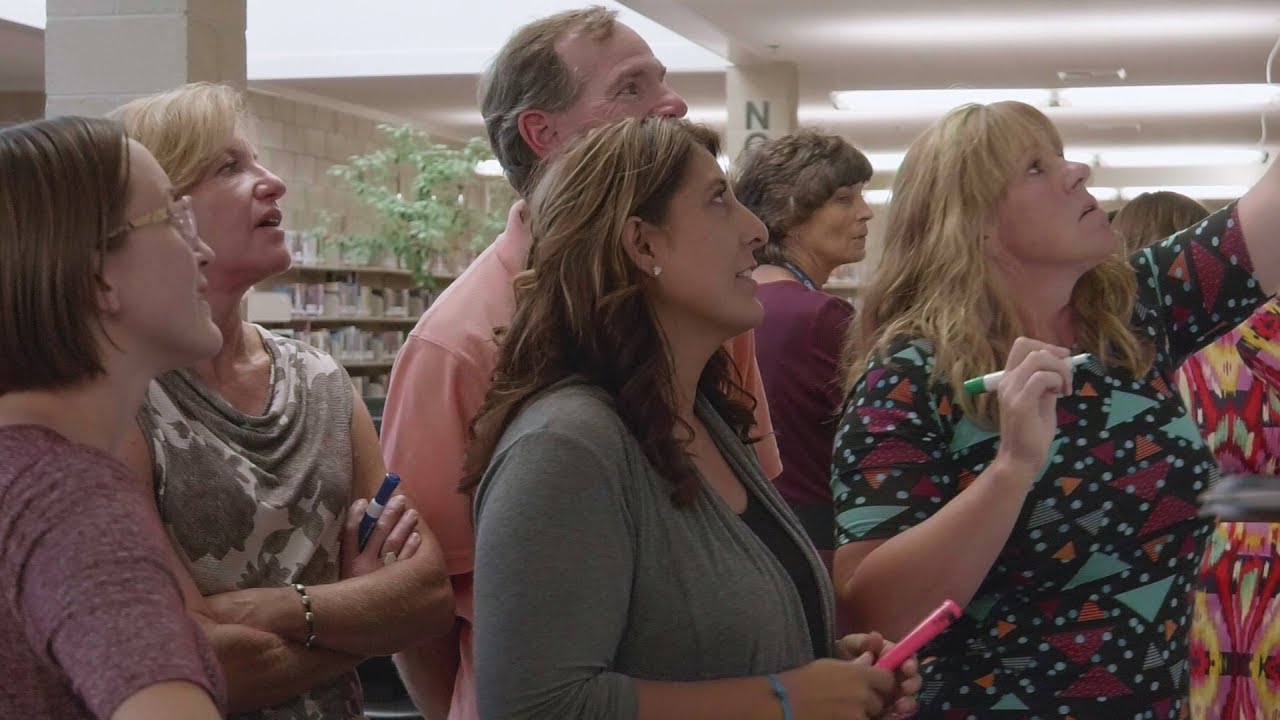
They talk about particular building problems, they also have programming that comes in and shares with them about teaching empathy and understanding emotion. They're also charged with taking back to their building and sharing at staff meeting the things that they've actually worked on. - Students are much more inclined to take up a challenge if they care about what they're learning.
And so having a project that they themselves are really invested in gives the fuel and the motivation for them to wanna figure out how to make this work and if they try one way and they have one result, they're much more likely to take up a challenge to try a different way if they actually care about the outcome that they're working towards. It's almost impossible to get them to persevere on something they don't care about.