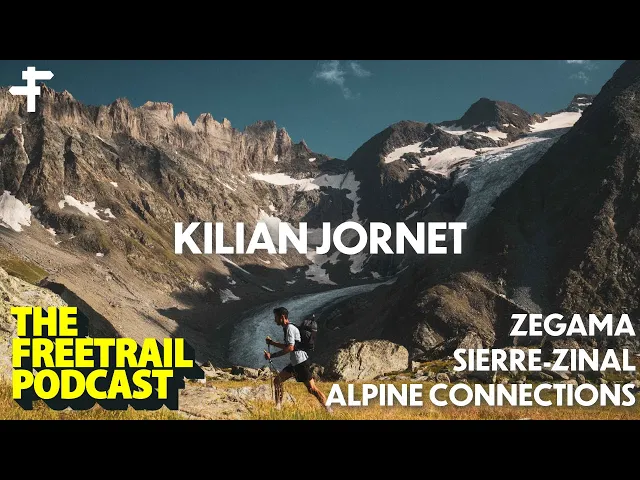
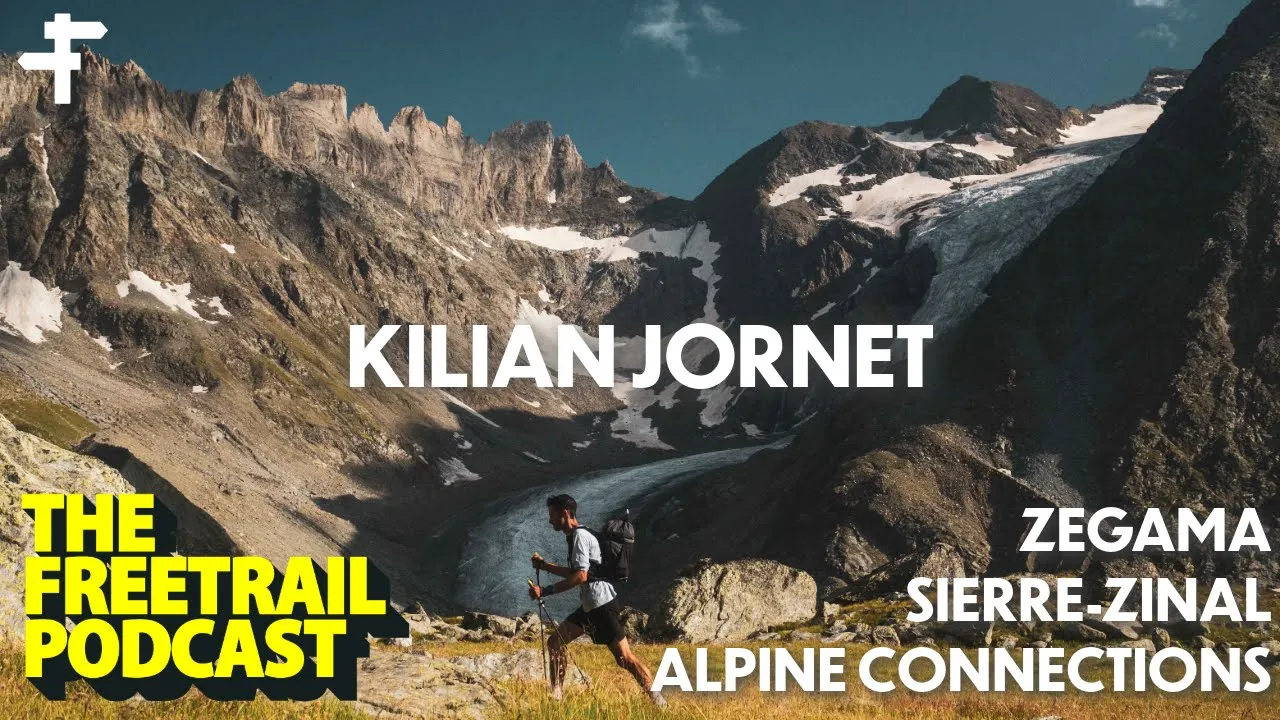
Killi and jordet welcome back to the podcast so good to see you buddy thank you Dyan it's a pleasure to be back what an honor it is to have you here I think this is our second time doing this officially the last time was a couple years ago was right around the the founding moment of normal which was a very exciting time and a brand that I've enjoyed following and I'm sure it's been a formative and fun project over the Course of the last couple years for you I think maybe we'll talk about that a
little bit in today's show of course you're a couple months removed from what you describe as the biggest hardest project of your career Alpine connection so we'll spend a lot of time talking about that too but maybe just starting with a broad open-ended question here in a moment of transition in terms of Seasons both competitively and between fall and Winter I'm just curious where you are personally athletically what are you thinking about in life in training what are you focused on right now November of 2024 yeah well no first um thanks for for having me
here and and yeah it was like uh yeah a couple of years ago when we talk it was the early or the beginning of normal uh also like uh it's been impressing to follow like your journey in this years with the free trail that it's it's it's building yeah Really working on the culture of of tra running and having this voice it's uh it's pretty good to have uh to have you and uh on that because it's uh it's something that we were missing I at that point and it's uh it's great to that you
are helping to to reach uh more people and to to elevate the yeah the the culture of of this sport that we love and yeah right now like kind of I'm I'm uh physically uh starting to train again pretty slow like uh I it's it's very far Still until I want to to be fast in the the summer so like uh trying to take it easy and just like uh uh do this pre-season waiting for the snow it's uh snow snow yet here so I just like try to to go out run a bit climb
a bit and just just start to to to build for for next season but um yeah the recovery from the the Alps project it it's been I think physically okay it took a lot of time like more neuromuscularly uh to to recover uh it was the biggest impact and Then psychologically also like I think after this kind of um uh big demanding projects it takes it's like uh you are in the moon and then you go back to Earth and it it takes a bit of time to to go back to Earth I would say
yeah yeah I bet I bet in those 19 days you probably become a totally different person and probably a much more simple individual focused on just putting one foot in front of the other and then you come back to real Life and all of a sudden you got to answer emails again and come on podcast so anyway back to real life I wanted to start with family Killian you and Emily announced like couple months ago I think that you're expecting your third child and of course before we pressed record I was telling you about how
I'm a dad now too which has been a really fun new chapter of my life but I wondered if you know as you think about how sport has Influenced you as a person I'm sure there's maybe some lessons that you hope to convey to your children you know things about winning and losing and injury dealing with adversity are there any specific lessons from sport that you intentionally try to convey to your daughters well yeah like uh both um Emily and I like we sport it's it's uh it's kind of in the center of our life
like uh even if we we we are not really like uh even if we pretend not to to be Thinking about the sport all day like we are so so so our kids are like growing with this this atmosphere but I think especially it's um we never like like we never talk much about results and victories and like the the what it means like achievements or that like I think we have a a relation with that that it's um it's very neutral um for kids is yeah it's it's normal like Papa Mama they they run
they ski they CL that's that's what people do so Um so it's it's all about like uh for them it's uh it just to be out it's it's mostly this connection with um with nature I think that's the first thing that uh that we try to to embrace us because kids is not that you can teach them things like they do what what you show is you can you cannot uh lie to them like if you are not walking the talk like uh they they figure out pretty quick so so we just like to like
to tell them yeah why we do sport it's it's Because we want to be out to Nature and and just to to try to remember the names of the different berries and the birds and like the why mountains are formed that way like talking to volcanos or how the the plages of the of the different continents uh collabs and they form like the the ranges where we are going so it's a lot about nature and this connection to to the men um and then um just just to be out to move and and I think
That's for for for health I think just like we we see that uh yeah so many kids they don't they don't move they don't go out and and so many parents are afraid that the kids go out and and and yeah themselves and like they and it's um it's looking not very good I think for the future when we see like more of the the health problems uh related to to sedentary lifestyle so trying to to encourage kids to to move and to go out And to explore and to and to just um understand that
uh many times you need to try and and it's not the first time that uh they will reach a a certain point but to keep a this connection to Nature and um an exploration in the center of everything competition like it's even if we are very competitive I think it's it's a yeah it's very far in the list of things that we think every day compared to to those others yeah I saw Something recently that said kids don't listen to your advice they follow your example which I think is only parents can truly understand but
it's so fundamentally true and I did wonder about that like to what degree your kids understand what you and Emily have been able to achieve in your life and the tension that might exist there I wonder maybe if Alpine connections might provide a perfect example for you to just like explain how you you as a Family interface like how you convey why is this important to you like why are you doing this things like that like how do you communicate that to your kids practically yeah yeah no it's fun that when it comes to Races
they don't understand really like uh because like we don't have like kind of I don't have any trophy at home Emily don't have anything like we have given all away and we don't have any like race related things and when they were in like we Travel not not too often and and when we go to races it's normally they like quiet places so they stay with my mom or with Emily's Mom and and and we are just racing and then going back and they want to play so they they don't have this close relation with
with it even if they know that sometimes they look their live streams and that but yeah in the in the Aline connection like it was fun that they were following for the first um for the first week and for them it was just Like yeah Pap's in the bik Pap's in the in the mountain climing so it's just like it's like every day but just longer so it's just that that I was not going to to be there like to prepare dinner and to and to sleep but it was kind of the same like it's
h yeah I think they they were just looking the mountains out today he's going to those mountains there and then he will back there but yeah I think it's uh I think we we don't want to to bring this uh Over yeah uh to to put too much focus on the on the achievement thing because achieving it's like I think yeah I think I have a pretty healthy relation with that but it's it's a very yeah and I think I have it now but I think it's many moments that our relation with with achievement with
uh uh success on the way that we we see a society is not that healthy uh and and it happened to me uh probably many times in the past that you put to much Emphasis on that and on on on on the external validation uh or in in an internal validation but maybe from you take the wrong the wrong uh KP eyes on on on uh on What's That validation for so uh yeah I think uh even if we like or I I I love racing because it's just a game and it's fun it's it's
it's amazing and I love winning because like I'm very competitor but uh but trying to to take away the the importance of uh of Achievement and and the importance of uh yeah of of success on that way and and yeah I think just for with the kids like trying to to say yeah it's it's just a race and and and we are racing and or like it's just like uh we are in the mountains and it's beautiful and and yeah it's it's hard but sometimes it's easier and to to to find that I think it's
a yeah yeah what we do but then kids are very competitive too like when they are playing like Cards they don't like to lose H it's he love to win just like Mom and Dad probably yeah you know it's just occurring to me now but just thinking back on your career was it in like 2010 2011 you did that Pines Crossing trip remember 2010 yeah yeah 2010 and I remember the story around that of being and I think one of the things that's made you so interesting is the the Confluence of Nature and nurture in
your career like clearly you have this like You know natural god-given talent but also you were born into a family who took you walking through the Pyrenees at you know basically when the rest of us are barely crawling around a house in a Suburban neighborhood I don't know if there's any Reflections that you have from that or from your childhood from Emily's childhood that you know that you maybe now try to mirror in your own family life the the values of just spending a life outside and exposing Your children to Mountain environments before we move
off this subject I'm asking because I'm a dad myself yeah no it's hard to figure out like how how yeah like we we take the kids to to walks like tomorrow it's um it's Sunday Saturday so we are planning okay where we which Summit we will go and where can they hike and and and still be fun and and that uh so it's it's a lot about that uh of course we try to to encourage them to to go and And and and to keep it fun but yeah sometimes they they are tired and and
it's hard to understand or to to know at what point it's to push them too much or not to push them at all because I remember like uh when I was a kid sometimes I was like also saying I'm tired I want to go back and then I 10 minutes after I was like super happy that we went there because we saw those animals and and those things and so I think it's hard to find what's the the Good amount like to to keep them fun but I think it's like just to take it easy
and and and I think to what what I've learned on that is not to not to have any expectation uh just to to see okay like we are we are going there to have fun and it doesn't matter if we reach that point or if we do that or if not like it's it's fun like some days like they will be super motivated and we will like do a much longer hike than uh we had Planned and many days like it will be just like shorter and we will find like some animals and we will
spend like one hour looking to those animals or to collect like a nuts in the in the forest and and not to have expectations and not to have uh and to be present I think also like um and that's something it's I think it's hard like to be especially today like we have so many distractions to say yeah like my work is to train and I know that I'm training when they are in kindergarten but when we are home like I don't do things work like uh work is like from when they are sleeping like
interviews is when they are sleeping I don't do when these things like uh the weekends like I train like uh I don't train much in the weekend because uh I don't want to be like doing things with them think oh I'm I need to put like three hours of running no weekends it's like just like something short and then Just spending time with them so to to find to be comfortable with that I think it's um it's very important for for them to not feel this pressure that you are thinking about something else so aw
for you also like to to to live with them but also like for not feeling stress that uh you need to do other things when are with them so it's uh it took us some time to figure out all that but I think we are hopefully arriving there yeah the one thing parenting really forces is in Improvement in the efficiency of how you use your time and there's nothing more guilt inducing than when you were supposed to be present and available mentally and physically for your children and being consumed or thinking about work or other
less important things anyway thanks for entertaining me with that it's fun to chat with you about fatherhood and Sport and how it relates to you know raising the Next Generation but as an observer of yours Of course I want to talk about some of the more timely stuff specifically what you've done this season it seems like you had three main goals going into the year zigama sien all things that you've done many many times and this new project Alpine connection so it's spend some time talking about all three maybe talking with about zigama first it
feels like this might be interesting lens to get your perspective on just the step change that's happened in the sport Recently this was your 11th Victory going back 17 years at this iconic event and you wrote afterwards on your Mountain athletes blog about how the last two Runnings at sagama have been your best even though you are getting older you do have a lot of other obligations with family normal and other stuff but it may be a good opportunity to have you provide your perspective on just how the sport has changed because now you're running
20 minutes faster at Zigama than you did only maybe like a decade ago and it's probably as a result of the fact that the sport has forced you to rise to a new level I'd love to have you comment on that yeah know absolutely I think the sport has like it has nothing to yeah like if 20 years ago like you would say that today like we will be professionals doing like running in the mountains that it will be like uh live streamings and and Industry like with like uh well Podcast they didn't exist at
that time but but anyway like that podcast and like um TV shows and like this recognition of the sport and it would be like a yeah not not in any mind like I remember like those first years like all the races it was all the same people like uh uh any race you were going it was like yeah maybe the 100 150 uh people and it was always the same faces like you could recognize everyone uh and that was like a yeah in in in any level Like locally internationally so it was like a very
much much smaller Community like I was the crazy one to go like running in the mountains and like to to train when I was in high school like it was like H what's what's that you need to really explain what what I was doing yeah so um so it changed a lot on that like uh today like we know that uh it's it's millions of participants globally that um that we know that uh yeah it's uh um like the reach to to other people It's it's big and also like that the diversity of um uh
yeah the perfusion of the sport into into different communities it's it's also much bigger before it was also like a much smaller Community it was um kind of uh very mountain people that was doing the races at least here in in Europe it was a people like uh living in in cities or across the mountains but with a kind of a m Mountain culture and and uh and and it was kind of pretty Close and today like we see like people coming from very different backgrounds from different um Lifestyles and and that's very very interesting
and it's uh it's great even if we have a long way to go especially on that on the diversity of the sport but um but I think um then when it comes to competition I think Talent it's always been there like uh if if we look in the past I don't think that uh we are better today than uh than was like Marco de gaspy or Jonathan Wyatt or it was Billy B or like Kenny Stewart or these people were like uh freaks like they were genetically they were great and and they were training hard
it just that first competition elevates competition uh if you are uh probably the difference is the density but today like 10 years ago maybe from the first one to the 10th one it was uh in in a Marathon distance race maybe it was like 20 minutes today is maybe five minutes so that's difference like I Don't think that the difference is on like absolute level but on the on the density yeah and then that that you we learn from from things on the past and that's why we progress I don't think it's that because genetically
we are better uh but it's it's because like yeah you see what the others are doing and you improve and and you have this communication with other athletes and you we have better training now it's also like we are professional so we can Dedicate more time uh and and all the other things that they evolve like on knowing like uh nutrition wasn't a thing like at all like 10 years ago in the Ultras we were just eating like first time I ran Western stage I didn't have a bottle like with water in my it was
like yeah it's a station so I will bring whatever it is in the station so like it's changing like drastically all that but also like when it comes to yeah more specific training so I would Say Evolution has been there like all other sports because because that and especially thing like the density it's it's been changing and and and and we still have a a lot of margin there I would say uh in the elite of course like we are seeing now in the in races like z g now like much more people like coming
from from the East Africa uh that it's it's super exciting because it's making the races much more ADV on that on that Level um but then we have a a lot of work to do also like the diversity more all across the the the pelaton of of the race with uh yeah yeah we we still kind of a sport that it's it's mainly white uh kind of uh ah middle class high class uh it's it's expensive sport even if like it shouldn't be because it's uh it's kind of basic uh so we still have a
lot of work to do there yeah it's really interesting on the nutrition point I was In Hawaii last week with at a Red Bull event and I had a chance to speak with Ian Walsh who's a iconic big wave surfer from Maui Hawaii and he was talking about how the Red Bull Athlete Performance team had gotten him on the carbs so this carbohydrate conversation is now into yeah is in in surfing so he was talking about how he's doing like 30 grams of carbs when he's going out to Jaws to Surfer 6 hours of 30
grams an hour I was like come on dude you got to Up those numbers but anyway it's just it is funny you know like things are always moving and advancing and you having been at zigama for 17 years you've had just the perfect perspective to see the microcosm of that at that race and I actually wanted to ask you about El husin specifically because he finished second to you Zama this year he's been one of the stories of the Season at least for me winning the Golden Trail World Series also a normal athlete so I'd
imagine you've got to know him a little bit and of course in the us we haven't gotten to know El husin quite as much aside from him coming over and winning both of the races on the Golden Trail World Series this year but love to have you just share your comments or perspective on alusin his season coming out of nowhere and you know what he's been able to accomplish yeah no line like um he he's been actually running for like five Years I think already in the golden trail series and and in races here in
Europe and and he's been always very talented but uh but he I think he needed some support and and some more belief I think on on him because he's been super good like uh uh in competitions in the past years if if you look the past year results he was like four position many many times in in in important races like the Gama like in the dolomites and so so he was missing this like believe that he Could win races to to start this uh yeah what's been doing this year um and I think uh
it's uhh like he's talented like that's not that about it because like U even like he was doing like some things on training that he was like really like uh do after a race you need to rest a bit maybe like not not to start like training the day after like I feel tired and it's yeah of course and very basic things and and he didn't have this this Knowledge so like he was a real talent and um and then uh yeah I'm super happy that we are he's part of of the normal team that
he's there and and and he's bringing like a uh a lot to to to us not only with the results um of course like he's winning races and and that's that's great but like uh he as a person he's so gentle he's so humble like he's always like a uh he's a nice a nice guy and and he you can see like he He's a b b is um is a community that they live in the in the desert and in the Atlas Mountains in the in the Morocco and um and it's um a very
very open uh culture and and a very uh yeah they they live in the in the desert they are nomads uh so this way of like sharing and and and and moving around like open to other things it it really reflects on him uh and uh yeah no I think this year it's been just Like he's been like athletically I think just showing his potential and showing that what he can do and with a bit more better training and a bit better nutrition very small things I think he need to to change and the belief
to to be able to to win these races uh I think that's that's what he changed and and we are great not only for that but also that he can start to talk to to yeah to to explain his history and who is he because like it's uh it's hard like Because like as I mentioned before like it's it's it's a wide Sport and um and even if we want to talk like as what with with the kids like yeah walk the talk like we want an sport that is more inclusive we we need to
to start uh there totally and and and giving tools like uh Elin didn't speak a word of English uh last year at that point and and he learned so quickly like now he can do interviews uh and and the show that yeah no so I think that's uh that's Great like it just like we need to as the as the industry like we need to work on that like to to bring more voices and and and to support athletes uh because uh yeah they can do amazing things if uh if we help them yeah so
so well said talking about your training real quick on your Mountain athletes blog which by the way is so fantastic Killian I love that you take the time to write that stuff down like that will ultimately be just a massively valuable catalog maybe We could talk a little bit about the vision for the future of mountain athletes but you posted something specifically about your training this year in 2024 and there's a couple of things that I wanted you to expand upon that I think are lesser appreciated because of course when people look at your training
on straa or whatever they're probably looking at your key sessions your total volume but you also mentioned things like circadian rhythm And Stress Management and it made me want to ask you just about lifestyle design and how that becomes conducive to Performance like the things that do outside of the pure training specifically circadium Rhythm Stress Management and how that helps you be the athlete you are yeah no and the background about that it's it's mostly like we are focusing a lot on on the on the sessions on the training we do but uh and it's
It's it's important like if you don't train you don't perform that's that's for sure but but the the effects of these stimuli that we are bringing will have a complet adaptations depending on like uh how we are and and it's been like um some studies of like uh giving to different like to to different people the same training stimul and one group like uh they were Believing on it like they they believe on on the training plan and the other group like uh they They make them not yeah just saying yeah that's not to believe
on the training plan and the even if they were doing the same sessions and the same exactly same training the the res were completely different so like at the end like yeah you need to train but it's more important if you are able to to make adaptations and to to adapt from those um those stimuli and and and that uh lifestyle and and How we are like it's it's key like if we are on on a inflamat story um if we are inflammated uh and we are bringing like when we do a training session we
inflammate the body uh so uh so if even if we inflammate on an inflammation we will not be able to to make an adaptation because we the body will be fighting on on that so we need to have a body that it's it's not inflammated for the first and then like of course like with the inflammations that we are doing On on the training on the different stimul is then the body will have the the capacity to to adapt so so that's uh that's something that uh that yeah I believe that it's uh it's more
and more important especially when you when you age like I think when you are young like it's also easier you have also like less things to worry less stress so like in general you have less less inflammation but uh so so to to have that uh a bit what I was talking in the beginning also Like uh to just uh Shadle the the the training sessions like to to not feel the need that you are that you are not in the place you want to be at that moment because like then you are always stressing
and and stress like it's a like training is a stress and and life stress is another so like if you are adding on that like it just not good so like first to try to to manage lifestyle with all the things you do and and and and feel good with it uh because if not It's nothing it's uh really good at the end and then like uh for for that also like the circadian rhythms like uh like I've seen like now that it's um the more routine that um I'm able to do like the better
I perform the better I can eat the better I can recover from things and just because the the body it uh it knows its ways it knows what he doing and and it uh it can start to to make adaptions or to to start recovering to start to to do the short C that knows over time if We are changing that all the time the body don't knows what to do if if yeah especially if it's in a long term of course like a race or a person like that that's like a huge stress to
the body but uh if it's stress every day of your life that just a chronic stress and and and it's chronic inflammation so that's like a um yeah that's that's the big problem it's not about like bringing big stress for for one period of time but it's about like chronical stress and try To to avoid that it's so interesting hearing you talk about circadian rhythm in particular because of course there's the implication when you talk about that that you're talking about sleep which is of course a topic of conversation in sport and performance more and
more over the course of the last decade or so but beyond just your sleep routine there's other elements of circadian rhythm and rhythm in general that it like you're Tapp into with that that I think is Really interesting to think about just the routine of when you eat when you work when you play with your kids and and the physiological response to those things and the body's ability to adapt to to a routine specifically over time very interesting no and also like um as adlets and like we get a lot of of opportunities of doing
things of of racing of going to places and and it's like to to be able to choose which of them are Worth it and which of them are not I would say also like that's that's something that um that over the years I learned that is more important um because uh yeah those things like uh of course like travel uh to go to go to I don't know like a conferences like yeah price givings or like ceremonies and this all this [ __ ] like it's it's breaking everything and and like it's so like if
yeah if you can avoid it like so it's always like on on Cost benefit no so yeah we need to make a a living uh we but it's like to which point like it's it's worth it or not and and to which point is worth it to have either more money or or more time or or either so it's it's always a balance and and you need to figure out which is the is the good but not to be yeah not to try to take everything at the time because you can because it's to think
in the long term okay what that will mean in in in this for the next race but also For next year for the next decade yeah yeah wow so interesting to think about and something that I can certainly apply better in my own life it was so interesting to hear you just make that comment about that study that was done between people who believe in their training and people who for whatever reason there's doubt introduced into the efficacy of the training and how that actually impacts the effectiveness of the training itself say more about that
Or maybe if there's maybe the better question is to to ask you about moments in your career where you've doubted what you're doing and how that's impacted you because I think one of the things that unites all the great athletes like the truly transcendent athletes is their belief right in in what they're doing and to the extent we can cultivate that in ourselves it's a valuable thing so maybe any examples from your career where you feel like Belief really set you over the top or a lack of belief held you back yeah no it's um
I think um one moment was probably um 2012 uh on uh 2013 uh after um yeah after the in 2012 uh during crossing the ABS uh we had an accident and a friend of mine died um so after um yeah after that like uh I was feeling kind of yeah a lot of guilt uh like he Was a older had kids and I was just a kid so like a lot of gu like why him not me and and so like the the yeah one two years after even like I I was not in a
good place and I was I was racing I was winning and and just because I think uh there it was just because like uh talent and because like the work I was doing but uh but yeah know it was like not uh not really yeah I I was for for long I was trying to prove if it was a a mistake that I was still alive kind Of so so it was a lot on that and and the other time I think it was um um 200 um when was like 20120 uh uh that I
did a bit more like a road running and I think it was also mostly because I I didn't have anything really in trail running that it was kind of inspiring me to do um and I had some projects that uh I wanted to do but uh yeah I felt some pressures like to to go to another Direction uh and and and it was like Yeah it's I try to combine to convince myself that yeah I want to do that but in reality probably I wanted to go to do other things more like in the mountains
and more like that and yeah but uh but yeah I think that was also I got a lot of yeah a lot of injuries and I think it was just like that I learned a lot Al I I don't regret at all because I learn a lot and and probably that was like a moment to to to develop other capacities and also to to priorize what I wanted to Do in the future and to do some changes for for for going to that direction but yeah it was some periods where uh my belief is was
uh was a bit fractured H it's interesting you talk about learning because it feels to me like you are a person who really enjoys the learning process and maybe this is a good opportunity to just speak about Sears in all in particular because you won for the 10th time this year set the you know broke your own course record There and as you posted you know again you're running as well as you ever have and your mid-30s with two kids at a time when theoretically people are supposed to be slowing down and you I know
are a student of learning about training Theory training science and things like that so practical things that you're doing now that you weren't doing in your mid 20s that are allowing you to compete at the highest level in these races that are only a couple of hours as opposed to What we'll talk about next the the pure endurance and suffering exercises like Alpine connections but tell me a little bit about what you've learned about aging and performance especially with these higher intensity higher end events like years and all yeah know that's that's uh what motivates
me today like on racing is just like I I don't feel that I want to do that race or that other but it just to have good opportunities To to test like uh what you think it's possible and and so like SI is the perfect example because it's a race that you know that if you want to to have good motivation to run hard you you can go there like it's not that that you can you will run hard like you cannot like win easy that that race so so that's um that was the perfect
excuse and um I think what I learned mostly is to to put the focus on on fewer things uh like uh in in yeah from 200 7 till 200 I don't know 15 16 I was doing like uh between ski moning and TR running like Seasons with 50 races so in summer it was just every weekend like doing races like uh yeah did a lot of yeah I think like the year of the P for example 2010 it was doing I was doing the panes and then one week after it was Western States and then
I did like a I think it was jonal U be I no it was U started then we Went to Kima so it was like every weekend doing a a race so that can work to a certain point but performance- wise is not the more clever uh so I think uh and especially with aging that recovery takes a longer time uh I think that to to ra either to you can continue racing a lot but just to not raise at your full potential uh to go like soup all the time or either racing less and
and trying to to perform better and and and Because because the body is still creating adaptions uh I think in many levels like I see that my physiology is better than than when I was 25 uh just because it's been evolving and I have now this um uh yeah these adaptions that has been creating over time uh but I I know that recovery it's it's taking longer and and that uh I will not be able to replicate that performance every weekend of the year so like understanding that I think it's key Uh and then it's
just like knowing what is working for me uh and and to try to to do it well and to and to prepare it well and and uh and then I think it's possible to to keep performing also like yeah putting the focus I think it's also like on the motivation side like why what motivates me like why I want to go to shal and just suffer as much as I can uh to to perform like uh because when you are younger early career it's easy to to push to the maximum in the races Because you
are always like progressing and discovering and and you yeah you don't have you have not experienced yet those things but right now I think when you are older it's easier to to just not get the 100% because you say ah yeah you have other things and you can say okay in training maybe it's not not yeah the reward it's it's it's lower the reward of course so if you have maybe just like fewer goals a year it's easier to to motivate yourself for It well that's interesting because for me it's not clear as to why
you would do Sears and all other than to finally get the 10th Victory there but is it is it to just continue to push yourself to get a little bit better against the best athletes in the world as the density of the sport continues to accelerate or is it just to figure out whether the science experiments that you're running on yourself for training are working like Is is that the motivation at this point for you or is competition still the Pinnacle no competition is the excuse competition is the excuse to to motivate yourself on training
and that's meaning like uh for example this year performance wise I'm I'm more happy on like uh my time in in my training Hill that I have here behind uh I because I know that that's a better performance than what I did that Original because the condition so like uh performance wise I'm more happy than from that but uh but I need to have shal to motivate myself to train very hard so because if not it's hard to it's hard to I know that the CH in Al it will be like uh fimon and Patrick
and Remy and and all these guys that they are training hard so if I want to win them I need to to train very hard so that that's what that's the the carroad to to train well and then like to figure out Like to train well what it means like uh it means to do the SS and to do this uh uh to change the physiology that way or to do those so like competition at the end just the carrot and it doesn't matter really like how they raise it goes there like yeah of course
you are happier if you win but it really doesn't matter but uh but uh to be able to yeah to to train that way and to experiment all that I think I I'm probably a bit stupid and I need the Carrot still but uh but that's competition just that it's so funny I love that that you're more proud of the uphill time trials you've done on your local training H and Sears and all but you needed Sears and all in order to push you to that level all right let's spend the rest of our time
talking about Alpine connections which began only days after Sears and all I think it was only two or three days later so just start with the original inspiration like again If we look at your season in totality the G Seer and all both of which you've done over 10 times you've won them both over 10 times and then this new novel very different project so tell us about the initial inspiration what Drew you to this Alpine connections Adventure yeah it's um it's kind of a construction that it comes over many years I would say like
uh it comes uh probably the the first seat It was when I was living in in shamoni uh I was uh doing this kind I did in nomata in MBL like a route like a fast and I started to do like some more like the the climbing the north faes of like matter hor Jass AER I'm trying to do it fast and and and then from there like seeing that I could move fast in the MS to start to think about yeah maybe it's possible to do uh to link up all the Summits in the
like kuron Imperial to link five Summits in in ballet or Like to do like a I don't know and grases to to think about this uh I thought very long uh link caps at the time because they had been doing they had been done like a um some of them like one or two times uh before so that was what I had like uh 10 years ago was my motivation on doing this kind of projects but some of them I did some of them I didn't do like I thought it was over uh yeah over
my my my R of of capacities but it was there and then Like uh especially I think last year doing the PES that I did like a eight day link up of U of all the 3,000 yeah most of the 3,000 met Summits um that uh unlock uh yeah it really unlock kind of a yeah a new dimension to me because then I was say okay it's possible to to be for doing this kind of long linkage but not only for one day but for many days because it's very different when you do like Um
uh one push style thing that you are for whatever it is like 20 30 40 50 60 hours you can do like a 60 our push like just like being climbing and drinking suit and and it's just one big day and that that I knew that I could do it but to go from there to do like this one push but for eight days just this mentality of saying I'm doing a long push but it's just like a eight day push yeah just climbing and I think it's a bit different from like trail running Where
you can just run tired and it doesn't matter here you need to be like fully concentrated because like it's the the biggest impact is the cognitive one like it's that's like where the play is there like you need to be fully concentrated the brain is the the the organ that spends the most energy and and you need to yeah you need to commit for for this long time so like to do like this yeah 8 day one push was saying okay yeah maybe I can start to Look at those things I wanted to do the
Alps but not think about only one thing but just to how can it be possible to link all of them and then it's just some satellit sage like they are uh not on these ranges but they are still 4,000 so like how to to do this um yeah yeah link all these suage in a way that you don't need to to stop when you are in the range so just when you go down from one range you take the bike to the next range then you can rest on the Bike sleep a bit but just
when you are on the rain just to kind of more or L keep going and that was kind of the idea behind and and yeah and it was a lot of Dodge because conditions they can't or like yeah it's impossible to have good conditions for all the duration and and for all the different ranges that they have very different characteristics yeah it looked like just from the content that was posted on your account and through normals page that the conditions Were pretty challenging I wanted to ask you more about this concentration thing because you mentioned
that in your write up also and that like just being so concentrated for that period of time is in itself exhausting you mentioned that the brain is the organ that uses the most energy and this is a pretty fascinating I think element for our listeners here especially if you compare it to some of the Long Trail fkt type stuff that happens here in the US and in Europe you know for example terod just broke the record on the Appalachian Trail amazing took her 40 plus days inredible also like right but it's it's different right like
she of course has to be concentrated to some degree but it's not as if she's in super exposed technical terrain that have this High consequence more or less so say more about the the concentration and the exhaustion of prolonged concentration yeah no I think it's That's the the CES is that from when you start yeah from when you start you are like first like thinking about what you are expecting and and I think the success of these things is not to put yourself in the like when we ra run a race normally we think always
like positive like uh we visualize the race and we we try to visualize on a positive way like say okay yeah I will fly that I will run I will win the race I and you bring all this positive energy I think That in the mountain sometimes it has a ah it can it can be bad on a way that if you are thinking always on like it will be perfect conditions I will be climbing fast when the problem comes and it will come like maybe you have overestimate yourself so you have think okay in
case I imagine that I'm planing there and it's a big rock falling or I fall or like I fall in a crass do I have the tools and tools I mean knowledge and and physical tools and that to to escape From this situation so when you start the journey let's say like this uh uh this stage like it's two three four five days ahead of you that will be kind of until you can go down again and relax a bit like do I have everything I need physically mentally experien to to to es to survive
in the worst C so you are on that until you start until you reach the the technical section and Then it's just like you are thinking every step and every ceneter like it's really no no past no future is you are just like leaving that instant like and it's fun that so many times like you you are so concentrated you think you don't have a memory of time you think it's been five minutes since I start you look the watch it's been like 12 hours uh so it's really like you are living on on that
moment and and then it's like it's exposed like I don't know like the Average but like maybe if in if every day I was like 20 hours of activity of this 20 maybe 15 16 it was like if I do a single mistake and I die so like uh so you need to be very concentrated like on where you put your hands your feet uh the conditions the rug like uh and of course it's days and days like days it's better Rock and it's easier and some days it's just like yeah you are just like
very kind of not stress I would say like I think the Success of that I'm talking with other some friends that they follow uh me like for for some some Summits were talking like the the the more difficult thing it was that just to to be committed and to be concentrated uh for like uh 20 hours a day sleep one hour and then like continue like uh so to to be mentally prepared to to be like uh yeah uh disc concentrate all the time and and not be stressed Because if you are like afraid or
or stress all the time like it's impossible it's impossible to yeah to just keep going so that was interesting that we were trying to monitor many things and and was one was that after even after every long stage like my neural my yeah my cognitive status was like same as if I had been in a in a car accident wow but just like sleeping one hour I was b i i was reset complete I was back to to base levels so That was one thing and that was the accumulation all the the stress but then
in in some especially like uh in the in mlang area conditions were like very very bad uh everything was falling so it was some moments like like that that they were yeah stressful I would say the rest it was just like you need to be concentrate but this Str is not that big but then it was like one moment that yeah I had some big rock falls I was falling uh I got like one time like Everything fall and I just keep like one hand on a rock that I was thinking okay I hope this
rock don't fall because if not I I fall so but it was good that after this situation that it boost the it bruis the cortisol have R like all this uh these fto five response that I was able to after few seconds to to calm to shoot all that down and to to get back to to be relaxed so so so I was able to to take good decisions to to not um yeah not uh not spend too much energy So that was kind of the key of uh of success on in this project so
so interesting so in thinking about what we've just talked about fear stress fight ORF flight you say in your blog on Mountain athletes that you know you did make some decisions that you're not proud of probably like taking unnecessary risks maybe as a result of concentration but on the other side of the spectrum you talk about the Flow State that you achieved out there too And I'm sure the audience would love to hear you speak a little bit about that I pulled up one of the excerpts from your post race right up I'll make sure
to link to it in the show notes but what you say is just a bullet point you say I flowed on some of the ridges I didn't feel the strain I felt a deep connection with the mountain the effort didn't exist anymore the time was stopped my body wasn't anymore but one with the environment it's for these moments that I live for so you know of course I need you to articulate all 19 days but yeah yeah share a little bit about that metaphysical spiritual you know like connection with the mountains that you were able
to find out there yeah know it's that that um of course like uh why to do these things is because because those moments and those moments are are the majority I would say or the most part of it especially I I remember that day like uh that was uh I don't know if It was like 10 days in the project or so or it was the last day of of the ballet so I had been like five days in the ridges and then I was doing the last Summit it was the the sunset it was
the the last two hours of Sun it's a very long route climbing route uh very far out and and a bit Technical and and it was just like I could see like a it was a broken Spectrum uh following me all over the climb and and I was flowing like I didn't feel like I was wondering Like Is that real or I'm in a dream is that like uh like I couldn't feel like uh feel myself it was just like everything like was uh was was one and and I think it's uh it's those connections
that um yeah those connections with uh with you inner yourself and and with uh with all the environment that uh you really feel that uh the the wind um the the sounds of the silence that you are there and it's it's all one like you don't feel that it's It's any it's not a u and and another like all the atoms all the the particles are like connecting to to each other yeah so cool few more things before I let you go do you have a few more minutes kilad yeah absolutely yeah yeah yeah it's
good like kids are sleeping very early here at home so we have good I want to be respectful of your time here I know it's uh after dark there but you know I think a couple of things that Stood out for me number one just as a fan of yours and a Gearhead myself it was really fun to see the uh all the new normal prod product that you were wearing on the mountain and you know I talked to Jordy and sitto as you know recently and he said that some of that stuff you personally
were prototyping and of course I know one of your key Passions as an athlete and as a human being is the equipment that you bring into the mountains I'm sure the Listeners would be interested to hear you talk about like how you were personally prototyping the things that you brought with you on this project yeah no it's um well uh some of the the majority of the of the of the year uh it was like from uh the things that we have been building uh like the the shoes for example they were a uh a
range shoe like it was yeah the shoe that everyone can find in the in the show so not not any prototype there uh But then like in appar like we are looking for some things so we were doing that but then like um yeah backpack like for example I I had um a prototype but then I wanted to change some things so I I was doing home and I have a cobbler here in the village that I was telling him if we he could like put this special Carabiner there to to hang the gear when
I was climbing or to put the I don't know the rope that it it could go out or same with uh with some of the crampons Like uh yeah it's not yeah it's not it's not an advice of people to do but like to to take the crampons and to cut some pieces and to to merge other together to to make the perfect fit for for running shoes to be able to climb like ice for real um so trying to to do these uh all these small things so so the gear could be yeah everything
I needed but not more than that yeah okay cool the media impact was also interesting to talk to Jordy and Sito about they said that the Impressions were measurably larger than even when you won UTMB a couple of years ago and Greg Valle posted something I recall about how he viewed this Alpine connections project as being like a beautiful creative artistic contribution to Mountain Sport and Mountain sport history talk about that a little bit like the creativity that goes into coming up with the root obviously we've just talked about the creativity and the gear and
obviously there's probably some Creative elements that went into the execution maybe any art things that come to mind as we mention artistic creativity as it applies to Alpine connections yeah um well I think like um sport uh and especially moning is an art is not a or like yeah it's it's more an art than a sport or like than the than a physical activity like I think uh physical activity is one thing like is the execution maybe and and the things you Need to do but but the the idea behind how you you track the
the the line like that was kind of I wanted to make a line that was aesthetic like that if you were a bird and you were like drawing a line it it has some logic that it was not just like to go up and back all the sage but just to find the line that that that it made um that it was beautiful to to to follow like visually on the ridges and and to to navigate there so that was uh that was very important for me and I Think that's uh sometimes that's uh just
like I overdo a bit of that like sometimes I train like I'm I'm just like doing a rich home and it's like no I I I need to go down the reach that direction because it's much more aesthetically if you were like a bird and you were like it just makes so much more sense even if it's much more difficult but the Aesthetics of it it's um it's very very important and then on the execution it's a bit the same like how you can execute Uh that on on a way that is aesthetic and I
think the what's aesthetic when it comes to to m naring is is the Thea to to be able to do things uh on on a way that it's uh that it's moving that it's uh we mentioned the flow before and that should reflect the style on a way that it's that you are flowing so it's it's kind of this nonstop uh and try to be minimalistic on on the way of of Creating these connections I think that was um uh what was his name um Michael uh Randon or something like that it was a a
free free soloist and he say like climbing naked uh Barefoot without chalk that's climbing anything from there is a compromise so yeah like try to to find like the the the Lesser compromise to the things uh of course we need to make a lot of compromises we need to take gear we need to course to to to eat to Sleep but but like aesthetically like the idea of like this flow and and just being the human and and the nature I think that's uh that's kind of the part of U yeah the Aesthetics of uh
of these kind of activities I love it what a beautiful quote and yeah I don't know I'm I'm glad I asked that question because as I look at the strav activity which I have up here on my computer there is intention behind it You know if you were to take that elevation profile and the line that you drew through the Alps and hang it on the wall in the Lou there's a certain element of art to it so congratulations on that I was a bit disappointed it was two two points because the weather I couldn't
do what I intended to do and I ah that day I I couldn't do exactly how I wanted to do it that's probably how Picasso felt about his great works of art his masterpieces but now you can Step back and observe it and even with those Perfections appreciate the journey that have provided you all right One Last Thing Before I Let You Go Killian and I have to ask you this next year you probably know this but the internet last week discovered that you're signed up for the Kean Trail in Italy next year which is
a golden tricket golden ticket race for Western States I'm sure it also has qualification implications for UTMB In the World Series there it's been since 2011 since you came here to Cali to run Western States so again I have to ask you is that um are you going to run Kean and is there any other distant Ambitions Beyond it um well like uh first like as as you mentioned at the beginning like we are waiting for a for a kid and and and the kid is coming to to in the spring so like a lot
will depend on that like even if I want to to say like I have this Plan like yeah I it can change very quickly um but yeah I am I'm registered at kanteti and uh yeah it's uh uh is yeah I have never run the race and and it's a beautiful area but yeah it's not the goal of the Season uh and yeah I will say like of course like uh um only it will depend on like um on the baby at that time and how it's um yeah when it's coming what we want to
do how we can uh travel together but uh yeah it's uh I if if I have the opportunity like uh Western it's a it's it's always a exciting race and it's been it's been yeah more than yeah more than 10 years since I was there so it's it's been changing a lot okay Killian well this is some exciting stuff to keep us all engaged with trail running and trail running news now through the winter months I hope there's probably a lot of people who are already registered who will be chasing golden tickets who will take
a Lot of inspiration into their off seon and their Base building next year knowing that it could potentially be that Killian returns and it will be Killian the 15-year anniversary of the unbreakable year West States 2010 where as you mentioned earlier in the podcast approach the course with without water yeah we grow and we learn we grow and we learn a lot well Killian thank you so much for doing the podcast man I I deeply appreciate it I'm a massive Admirer and fan of yours both in what you've achieved as an athlete as a family
man now with your business uh career with with normal and everything that you guys are working on there so yeah just a big big gratitude for coming and sharing some of these insights with the audience no thank you and and yeah uh likewise like uh you are doing a great job for for this community and and happy to be to be here in this platform to to build a bit on on yeah build a bit On the on the trial community and the yeah and this uh this amazing uh sport that we we enjoy that
we love it and and that it brings us so much joy and even if we suffer sometimes like it's uh it yeah it's it gives us like a big part of of Our Lives thank you so much Killian we'll talk soon [Applause] a [Music] [Applause] [Music]