[Music] in the Art Market patrons enable artists in galleries by buying art and supporting artists careers this is the famous skull auction in 1973 in which foremost pop art collectors Robert neth skull sold off 50 works from their collection Christ you need s many flowers that's Robert renberg shoving Robert skull after the collector sold several of the artist's works I've been working my ass off with you to make that profit all the artists got upset at this Dad collector and selling stuff for like $100,000 that he paid one or 2,000 for how about yours that
you're going to sell now I've been working for you too we work for each other without realizing that now they were going to become wealthy themselves you buy the next one okay PR you buy the next one this kind of thing hadn't really happened before it's a key moment in understanding how patronage relates to the market today this is one kind of patronage here's another the model of backing otherwise impossible ideas is still alive and well I just put all my money into production more than into collecting but is it still patronage when collectors are
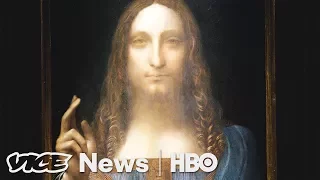
bidding up prices at auction influencing Museum tastes and buying enough quantity to control market value we support these artists by promoting them by buying them at auction you could say it's a way of controlling it the history of art patronage can be traced back through the Egyptians the Greeks the Middle Ages and of course the Renaissance where we're first presented with the idea of artist as genius requiring ing Financial backing to create personal Visions when youy spending time with the artists it also stimulates your thinking and creativity this is the most famous painting of all
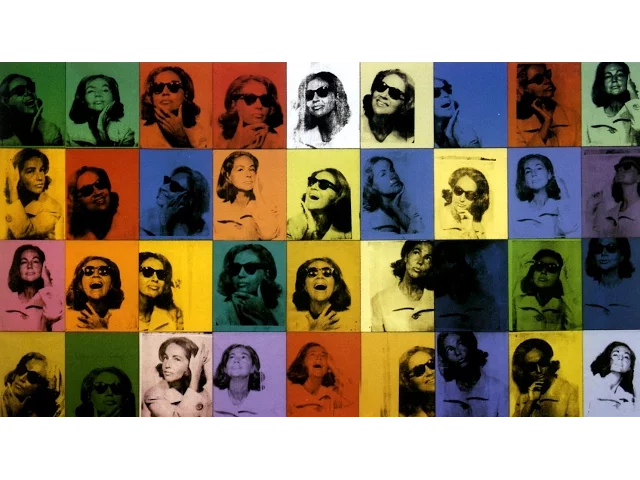
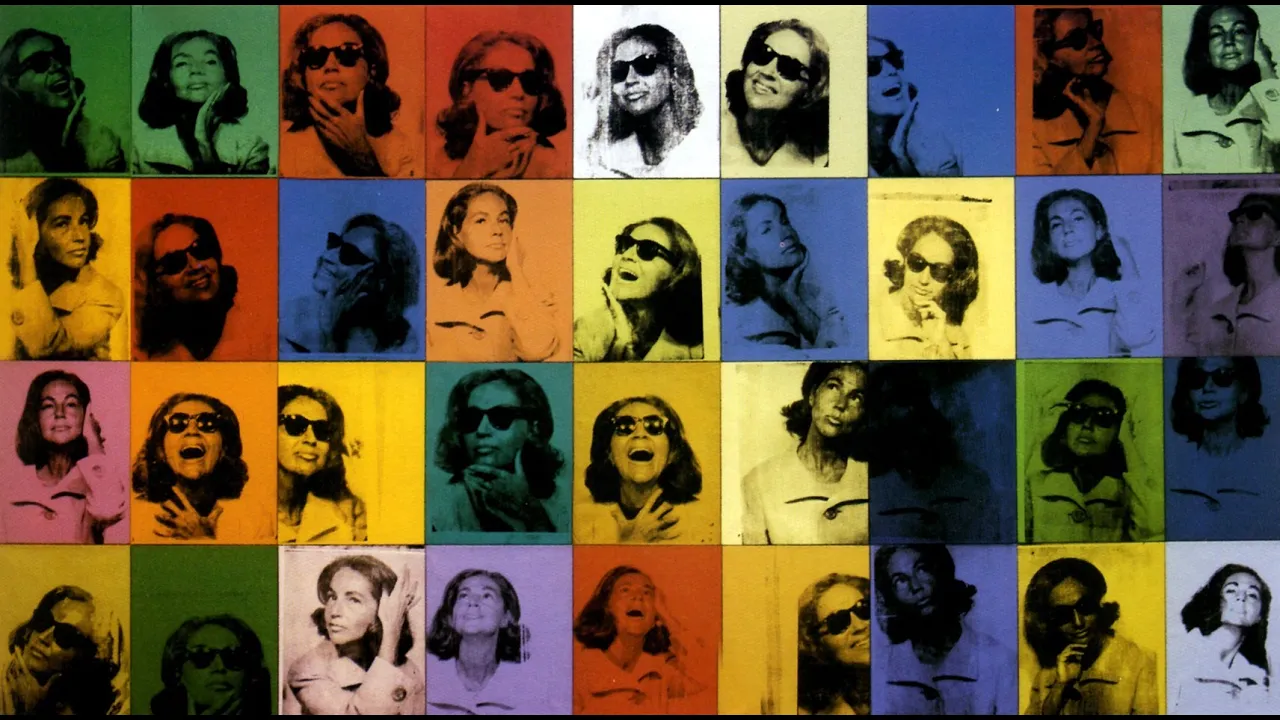
time likely commissioned by a patron of some kind rich people have been getting their portraits painted for years Bob skull commissioned warhol's first portrait of his wife Ethel 36 times here's another famous art collecting couple the only rules we had were they had to be affordable and we had to be able to fit it in our apartment not everybody does it for the love the best investment we've ever made are all the artists I absolutely love there are the social benefits sometimes collectors who collect art principally for social reasons are dismissed as being less serious
than others it's fun going to Venice and saying I got my mark Bradford is fun but some of the largest and best collections of art they love showing it off they love entertaining Museum groups in their home or at their Foundation Bob and Ethel skull collected for multiple reasons it's all true he said I'd rather use art to climb than anything else I think collectors are much more powerful today than ever before because they actually spend the money on the inventory when a patron donates or commissions work to a museum it can add value to
an artist's Market the problem with that is there's no guarantee it'll be showing much if ever we don't want to just collect art and have it in storage we want to share it the way to keep the collection together is to establish your own private Museum the artists love us because they know once we acquire their art we'll lend it anywhere they want to surender to you determine what gets to be shown when it gets to be shown how it gets to be shown in a way that no Public Museum will offer you if there
is not immediate return on investment our society is not really ready for it but it needs to be done perhaps patronage is at its best without economic results in sight I am actually happy to see that some projects which seem impossible in the beginning actually became a big successes in the 20th century you can track almost every decade with a great art movement cubism real daa conceptual minimal yada yada yada now we get to the 21st century and what's the great art movement and really there isn't one except if you say the Art Market inside
or outside that market patronage can present itself in many different ways and whatever motivates it doesn't necessarily make it good or bad the portrait business isn't going anywhere but if everybody's focused on turning a profit we might not see another 16 Chapel anytime soon