Have you ever found yourself standing at the bottom of the stairs, staring up, and thinking, "I used to walk up these without a second thought. Now I feel like I need a moment just to gather myself. " You're not alone.
For many people over 60, that slow burn in your thighs, the way your legs tremble when you try to get up from the sofa, or how your balance feels just a bit off when you're walking, it doesn't always come from age alone. Sometimes the real reason is hiding quietly in your blood a vitamin you're missing without even realizing it. And here's the truth.
This one deficiency is stealing your strength little by little, making it harder to climb stairs, get up from a chair, or walk with confidence. What's more, it's fixable, but only if you know what to look for. You see, growing older doesn't have to mean growing weaker.
The energy steadiness and strength in your legs can absolutely come back with the right support. In this video, we're going to talk about the three vitamins most responsible for keeping your legs strong, your balance steady, and your independence fully yours. These aren't exotic supplements or internet fads.
They're real medically backed nutrients that your body needs more than ever as you age. and I'll walk you through what each one does, how to know if you're running low, and what you can do starting today to get back on your feet and moving with power again. So, if you've been feeling more tired, more wobbly, or just not quite like yourself lately, stay with me.
What you learned today might explain exactly what's been holding you back. Before we dive in, I'd love to hear from you. Have you noticed your legs getting weaker or stairs feeling tougher lately?
Leave a comment and share your experience or just say hello. And don't forget to click like and subscribe to Health 365 where we're building a community full of strength support and smart habits for life after 60. Now, let's talk about the first and perhaps the most powerful vitamin that could be the reason your legs don't feel like they used to.
Let me ask you this. Have you ever been sitting in your favorite chair, maybe after watching a show or reading the paper, and when it's time to stand up, your legs just hesitate? You lean forward, brace your arms on the armrests.
Maybe push a little with your hands, and still you feel like your legs are saying, "Give me a second. It's not always painful. Sometimes it's just weak, like the power isn't quite there anymore.
Now, that's a familiar scene for many people after 60. But here's what's surprising. What feels like just getting older might actually be your body missing something specific.
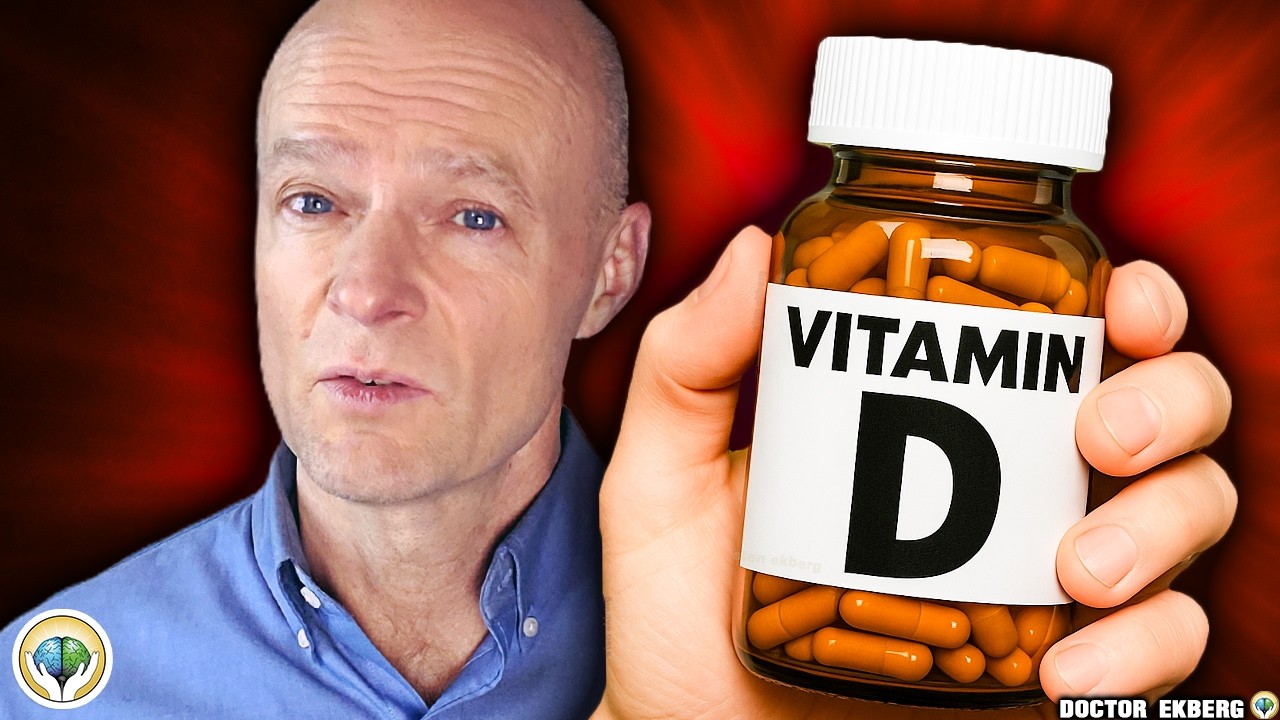
Not energy, not motivation, but vitamin D. You've probably heard about vitamin D and its role in keeping your bones strong. And yes, that's important.
But what many people, including some doctors until recently, didn't fully realize is that vitamin D plays a direct role in keeping your muscles strong, too. Especially the muscles you rely on to stand up, stay balanced, and climb stairs. See, your muscles aren't just big bundles of tissue.
They're living breathing systems that need constant instruction and support. And they actually have special little locks called receptors. And vitamin D fits right into them like a key.
Once it's in there, it helps your muscles contract properly. It helps rebuild them after activity, and it plays a part in how your body balances itself when you move. But if you're not getting enough, that key is missing.
And suddenly your body starts finding those everyday movements harder and harder to manage. Now here's where it gets real. In a large study from Europe, scientists found that seniors with low vitamin D levels were more than twice as likely to have serious muscle weakness.
Not just fatigue, but actual weakness. the kind that shows up when you try to get out of bed, lift your legs to walk up steps, or carry groceries across the room. Another study from Trinity College Dublin showed something even more striking.
People over 60 with low vitamin D had nearly three times the risk of poor muscle performance compared to those with healthy levels. Think about that. The simple act of keeping this vitamin in balance could make the difference between needing a handrail to climb stairs or walking up with confidence.
But maybe the most telling sign. Some older adults with vitamin D deficiency start developing what's called a waddling gate where your body rocks side to side when you walk. Because your hips and thighs don't have the power to stabilize you properly.
It's not just about looking frail. It's a real danger. Weak muscles lead to imbalance and imbalance leads to falls.
And we all know one fall can change everything. So why does this happen so often as we age? Well, our skin becomes less efficient at making vitamin D from sunlight.
We might spend more time indoors. Or maybe we've been told to avoid too much sun. And even when we're outside, things like sunscreen or long sleeves block the UV rays, we need to produce this vitamin naturally.
Then there's the food side of it. While you can get vitamin D from fatty fish like salmon or sardines or from eggs and fortified milk, most of us just don't eat enough of those things to get what we need, especially every single day. So, what can you do?
First, if anything I've said sounds familiar, the heavy legs, the slow rise from a chair, the feeling of needing to brace yourself. When stepping up a curb, ask your doctor to test your vitamin D levels. It's a simple blood test, and it can reveal whether this might be part of the problem.
Second, consider a daily vitamin D supplement, especially if you're over 65. Most health organizations suggest 800 to 1,000 IU per day is safe and effective for older adults. Some people may need more, but it's best to confirm with your doctor before taking high doses.
And third, try to get just a little safe sun exposure when you can 15 to 30 minutes a few times a week, depending on where you live and the time of year. A gentle walk outside in the early morning or late afternoon can do more for your health than you might imagine. You might not notice the change overnight, but give it a few weeks and many people say their legs start feeling lighter.
They have more get up and go. One woman I spoke with, 72 years old, told me after a month of taking vitamin D and walking daily, she could finally stand up from her garden stool without grabbing the fence. She smiled and said, "I didn't think I'd ever do that again.
That's what we want. Little victories, quiet confidence, strength that returns not because you forced it, but because you gave your body what it was missing. And once you do that, everything else becomes easier.
From climbing stairs to walking longer distances to simply standing tall. Now that we've unlocked the muscle and balance power of vitamin D, there's another quiet deficiency that can sneak up and throw off your entire coordination, not in your muscles, but in your nerves. It's the next piece of the puzzle, and it's every bit as important.
Let's move on to it because the road to better movement doesn't stop here. Let me paint you a picture. You're walking across the living room.
Nothing unusual. But then for a split second, you feel like your feet aren't quite where they should be. Maybe you stumble just a little.
Or maybe there's a strange numbness in your toes that's hard to describe. You shake it off. I'm just tired today, you tell yourself.
But deep down something feels off. If that sounds familiar, you're not imagining things. And the problem might not be in your muscles at all.
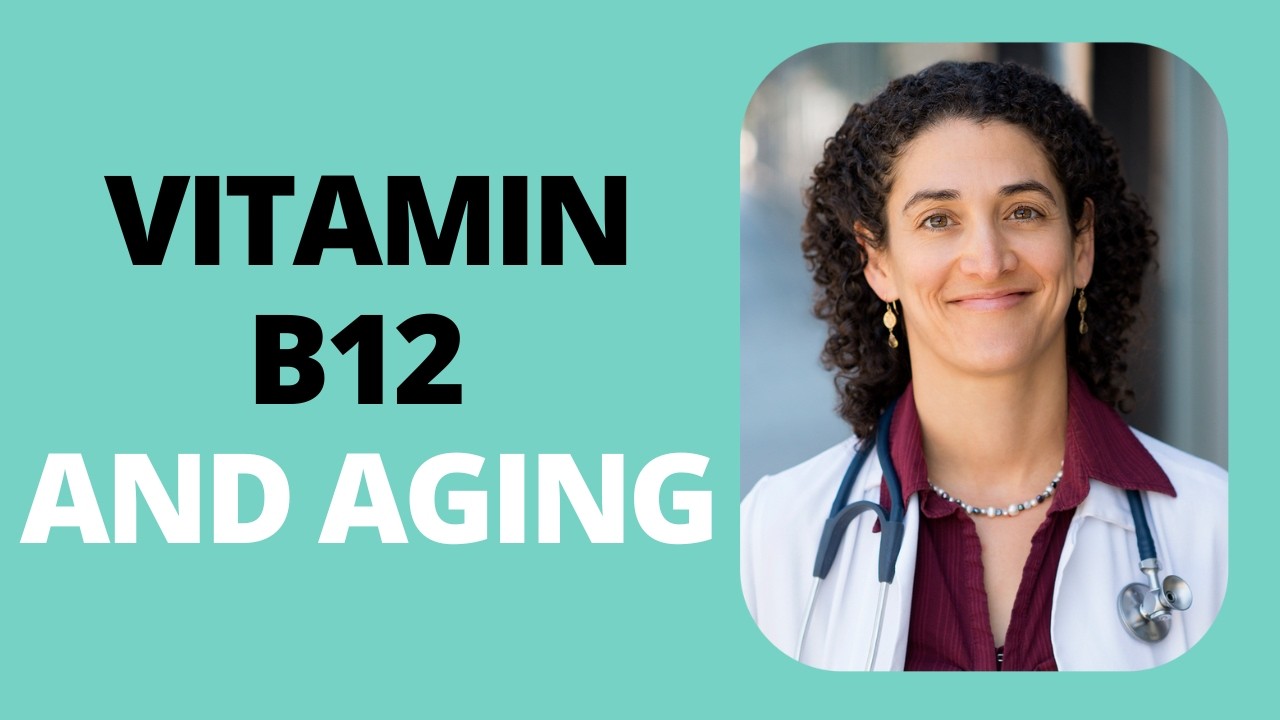
It might be in the wiring that tells your muscles what to do. That's where vitamin B12 comes in. B12 is one of those vitamins we rarely think about until it's missing.
It doesn't get the spotlight like vitamin D or calcium, but in reality, it's the quiet guardian of your nerves and your balance. It keeps the protective coating like insulation around your nerves healthy. So, signals from your brain reach your legs the way they're supposed to.
Without enough B12, the nerves in your legs, especially your feet and calves, start misfiring. You might feel tingling, numbness, or even a burning sensation. Some people say it feels like they're walking on cotton or that their feet have gone half asleep.
But here's the part that really matters. When those nerves are damaged, your brain can't tell exactly where your feet are on the ground. That makes it harder to balance, harder to walk in a straight line, and yes, harder to climb stairs without looking down at your feet.
I once spoke with a man 68 years old who told me he felt like he had to watch his legs when walking as if they weren't fully under his control. Turns out he had a B12 deficiency that had gone unnoticed for years. He wasn't tired.
He wasn't sick. He just felt unsteady. And he thought that was normal aging.
But it wasn't. After just a few months of B12 supplements and better nutrition, the feeling in his feet improved. His gate steadied.
He told me, "I feel like I got my legs back. " Now, let's talk about how common this is. Studies show that up to 20% of older adults have a B12 deficiency or low normal levels.
And the tricky part, you don't have to be dangerously low to feel the effects. Even mild B12 deficiency can cause serious nerve symptoms like poor balance weakness in the legs and slower walking. And if you're wondering why this happens so often with age, the answer is simple.
As we get older, our stomachs make less acid and that acid is needed to absorb B12 from food. So even if you eat meat, fish, eggs, or dairy, all good sources of B12, your body might not be absorbing enough. Add to that the fact that many medications older adults take like metformin or acid reducers also interfere with B12 absorption and you can see why this becomes a silent issue for so many.
So what does B12 deficiency look like in real life? Imagine getting up at night to go to the bathroom and finding it harder to balance in the dark or taking a walk and feeling like your legs aren't quite listening to you. or starting to walk with a wider stance, your feet farther apart without even realizing it.
These are common signs and left unchecked. B12 deficiency doesn't just cause unsteadiness. It can lead to actual falls and even permanent nerve damage if ignored too long.
But here's the good news. B12 deficiency is easy to diagnose and treat. A simple blood test can reveal if your levels are too low and if they are a daily supplement, usually between 500 to 1,000 micrograms, can make a world of difference.
Some people may need a B12 shot from their doctor if their levels are very low or if absorption is a problem, but most people do just fine with a daily pill. And it's safe. B12 is water soluble, so your body takes what it needs and flushes out the rest.
There's no known toxicity from regular doses, which makes it a smart, low-risk solution for a big problem. If you're someone who's been feeling wobbly, whose legs feel funny in ways you can't quite explain, don't wait. Talk to your doctor, get tested, start a supplement if needed, and give your nervous system the support it needs to do its job right.
I can't tell you how many older adults I've met who thought they were just getting frailer, but all they really needed was a boost in B12. When your nerves fire correctly, your legs move with more certainty. Your steps feel more connected.
You trust your feet again. And once you start trusting your legs, something beautiful happens. You move more.
You get outside more. You feel safer. And you start remembering what it felt like to feel strong on your own two feet.
Now that we've talked about your muscles and your nerves, there's one last vitamin we need to talk about, and that fuels both your energy and your coordination. It's the quiet helper behind every step you take. And if it's running low, your legs might feel like they're made of lead.
Let's explore the third and final key and how you can put it to work in your daily life. Now, let me ask you something a little personal. Have you had days where your legs just don't want to cooperate?
Not just feeling weak, but like they're unusually heavy, slow to move, or just completely drained of energy. Almost like walking through wet cement. If that's been happening to you more often, there's one quiet deficiency that could be to blame.
And it's one hardly anyone talks about. Vitamin B1, also known as thamine. This one's different from the others we've talked about.
Vitamin D keeps your muscles strong. B12 keeps your nerves sharp. But thamine, it's what helps your body turn food into fuel, real usable energy.
It's like the spark plug in your car engine. Without it, your muscles, especially in your legs, can't get the energy they need to work properly. And when that happens, things begin to shut down slowly.
Some people describe it as feeling like their legs are giving out halfway through a walk. Others say they feel exhausted, just going from one room to another. But what's really happening inside the body is this.
Without enough thamine, your muscles can't produce energy from glucose, your body's main fuel. So, even if you eat well, your muscles feel starved. They're not getting the spark they need.
I once met a gentleman in his 70s who told me he felt like his legs had become strangers. They're there, he said, but they don't want to move. He thought it was just part of aging.
Turns out he was low in B1 and within 2 weeks of supplementing and improving his diet, that heaviness started lifting. But this isn't just about fatigue. Thamine deficiency can also affect your coordination, your reflexes, and your ability to keep your balance.
There's even a condition called dry barrier seen in severe thamine deficiency that directly attacks the nerves in your legs and feet. People with this condition often experience tingling, burning numbness, and eventually a shuffling or staggering walk. Some even develop what doctors call foot drop, where you can't lift your toes properly as you step.
It's scary and often misdiagnosed as something more serious, but sometimes it's just a vitamin your body's been begging for. Now before we panic, full-blown Bara Berry is rare these days, especially in developed countries, but mild or moderate thamine deficiency. That's surprisingly common, especially in older adults.
Why? Because as we age, our appetites may decrease. We may eat more refined carbs like white bread or rice, which have very little B1.
And some medications, especially diuretics for blood pressure or heart failure, can flush B1 right out of the body. Even a diet that seems normal, like toast for breakfast noodles for lunch crackers and tea for dinner, can lack thamine if we're not careful. And when the body doesn't have enough B1, the signs creep in slowly.
Fatigue, poor memory, mood changes. And yes, leg weakness, cramps, and difficulty walking any distance without tiring quickly. But just like with D and B12, the answer isn't complicated.
It's about giving your body back what it needs. If you've been feeling like your legs can't keep up with your mind, if walking a block feels like a marathon, or if you've had more stumbles lately without really knowing why, talk to your doctor. A simple blood test or even just a conversation about your diet and energy levels could reveal whether thamine might be playing a role.
And if you're low, the solution is gentle and powerful. The recommended daily amount of thamine for adults is about 1. 1 to 1.
2 mg, which you can get through a balanced diet or a good multivitamin. Foods like beans, peas, sunflower seeds, whole grains, pork, and liver are great natural sources. But if you've been low for a while, your doctor might suggest a higher dose for a short time.
And most people feel a noticeable difference within days or weeks. You won't suddenly start running marathons, but you might feel steadier when you stand. Walking might feel less like a chore and more like something you look forward to again.
And best of all, that sense of connection between your brain and your legs comes back. I'll never forget one woman who started taking thamine after struggling with daily fatigue and balance issues. Within a few weeks, she said, "I can walk to my mailbox again without holding on to the fence.
" That might sound small, but to her, it meant independence. It meant confidence. It meant hope.
That's what thamine can do, not magic. just science. Quiet, reliable, and incredibly powerful for someone who's been struggling in silence.
So, if you've made it this far, take a moment, check in with yourself. Has your body been sending you signals? Signals you've brushed off as just getting older.
It might be time to listen a little closer because the answers might be simpler than you think. So, here we are, friend. We've walked through the three quiet deficiencies that could be hiding behind those tired legs, wobbly steps, or that unshakable feeling that your body just isn't quite working the way it used to.
And if anything in this video made you nod your head and think that sounds like me, please know this, you are not alone. And this is not the end of your strength story. It's just a turning point.
You see, aging doesn't mean losing your power. It means learning how to support your body in new, smarter ways. Vitamin D to light up your muscles.
B12 to sharpen your nerves. B1 to fuel your legs with energy. These are not magic pills.
They're simply the tools your body has been asking for. The truth is, our bodies speak to us every day. A little stumble here, a struggle to rise from the couch there.
These are not just signs of getting older. Sometimes they're quiet whispers saying, "I need a little help. " And the beautiful part, that help is within reach.
So today, if you've heard something that spoke to you, don't let it sit. Take one step. Maybe it's calling your doctor and asking to check your levels.
Maybe it's picking up a quality multivitamin. Maybe it's simply adding a bit more sunshine salmon or spinach to your week. One small step forward is all it takes to change your direction.
Because you deserve to move with confidence. You deserve to stand tall and steady. You deserve to feel strong in your own body no matter your age.
And if this video helped you in any way, I'd love to hear from you. Leave a comment below even just to say that's me. You never know who might read your words and feel less alone because of them.
And don't forget to click like and subscribe to Health 365. Every week we share simple science-backed insights to help you feel better, move easier, and live with more joy after 60. Until next time, take care of your body, listen to its signals, and never forget.
Strength doesn't leave you with age. Sometimes it just needs a little invitation to come back.