I for a very brief period of my life worked in advertising I've always wondered like what are the strategists doing can you open that box for us and tell us in layman's terms what the heck a strategist does and they said we've got a surprise for you they literally show me a a a completely finished spot and he said I almost had a heart attack because when you're doing a finished spot it can cost hundreds of thousands Of dollars and he said I I mean I said do anything but I didn't mean like go out
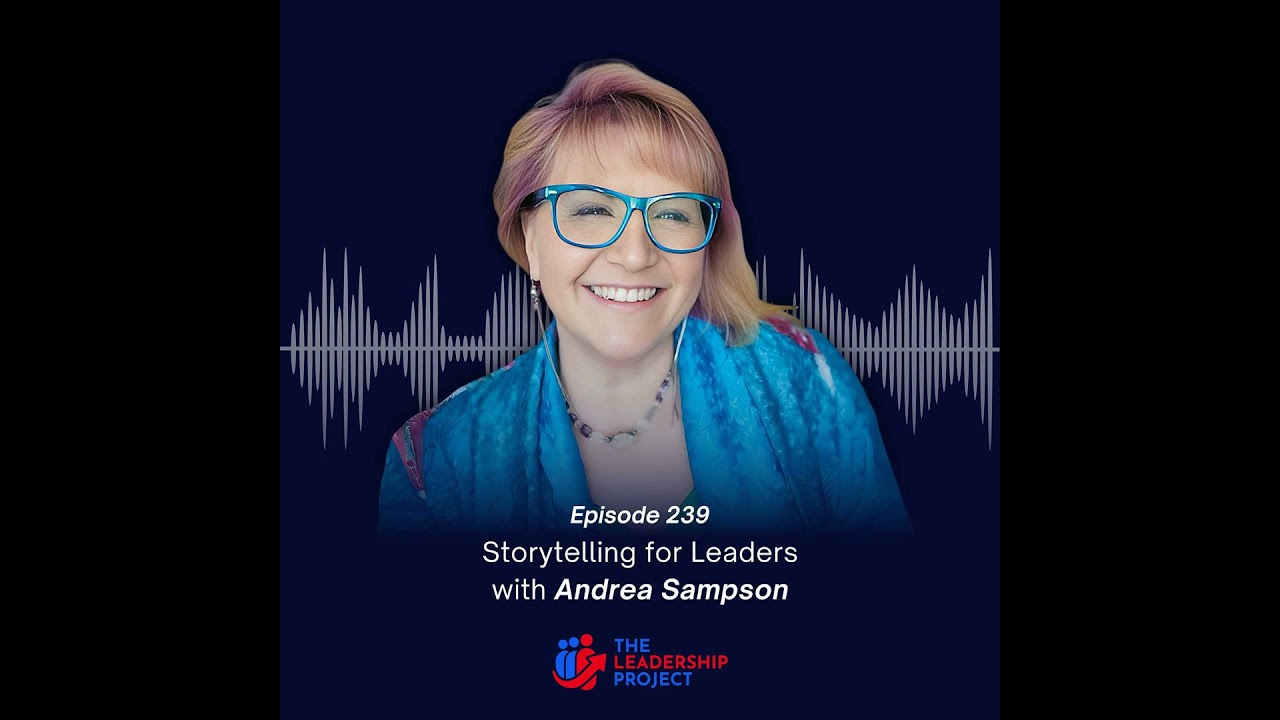
and spend next year's entire Revenue budget you're 50 years old one could say midlife you're having maybe a midlife crisis I don't know is it like you're blowing out the candles on your birthday cake and like what the heck am I doing with my life is this all I was meant to do it never felt like a crisis it felt like an Awakening hi I'm Andrea Samson and you're listening to the [Music] future I am deeply fascinated by story storytelling and helping other people become better storytellers we all should be very good at it I
think we were when we were kids and somewhere along the way we've lost our ability to tell stories and we get really self-conscious and so I'm super delighted to talk to you today Andrea and I'm just gonna fire off the first question for you okay I got some research here so I'm I'm just going to Look at the camera and just read it right at you okay you've had a fascinating Journey from advertising to TED talks to founding talk Boutique and thought leader Academy could you walk us through the moment you realize you an idealist
in a capitalist world and how that led to your current path yeah so I was I had spent almost 25 years in advertising and I was um senior vice president of strategy for a large agency was very successful you know I had Entered into that world with this Vision that I would be able to use this powerful medium for good and so I came into advertising having left a career in not for-profit as a fundraiser and I left this not for-profit world where we never had enough money to do the things that we wanted to
do and I come into advertising and suddenly we've got millions tens of millions sometimes hundreds of millions of dollars at our disposal and I thought you know like Look I know advertising is about selling and so that's all good but maybe I can make a little footprint of like having more inclusive ads and maybe just having a message that is a little bit Kinder than some of the the ads that were you know at the time happening and and I did I think I I in the work that I did I always had that this
view of diversity of bringing um a more inclusive approach but at some point you have to look at it and go okay I'm done like this is as far As I can go there's nothing more that you know this advertising medium is going to let me do because at the end of the day it's about selling product and I had to I had to face myself um and say what do you want to do and it was the the year I was turning 50 I remember doing some soul searching and you know you in those
moments you start to realize like at 50 it's like okay I've been on this planet for 50 years I might have another 30 maybe 40 years on the Planet if I'm lucky not all of them are going to be good let's face it so um you know what do I what's the impact I want to leave like I don't have I'm I'm running out of time here and so I I started to really look at the I was doing in the world where I was living the way in which I was living how I was
contributing and I that was the moment that was when I was like okay I'm in this capitalist world and it's not serving me um and I'm not serving it Quite frankly because I don't believe in the ideals that it preaches and so there was a mismatch and so I knew I had to leave advertising but I didn't actually know what I was going to do I um you know I because the thing was I just wasn't leaving a aing I was leaving marketing I was leaving that entire world behind I didn't want to sell one
more thing to one more person who didn't need it and I um and so I started doing a bunch of volunteer work um and going To conferences and like just kind of doing my own little sort of Dark Night of the Soul search and trying to find what um what is it that lights me up and I remember I remember going to one conference actually was called the world domination Summit it was Portland Oregon and uh it was a fun conference and it was in in it was for travel bloggers as it turned out which
I was not but it was interesting and I learned a whole lot just in terms of um there were all kinds Of great speakers and great individuals and I met some great people and there were a few people from the Ted World there and then I had the Good Fortune to go to a in a Ted conference it was the early days of the tedex movement and um found out it was all volunteer run and that's when I stepped into um being a speakers coach I didn't know what a speakers coach was but like my
job I was a strategist and a planner and so my job was to actually build the foundation for The advertising stories we were telling and so I was always sort of finding those key consumer insights those bases and so as I walked into the Ted world I found out I had a skill I didn't know I had wow okay there's so much here I want to pick aart and and Di into if you will like these morsels you're dropping along the way I I've for a very brief period of my life worked in advertising I've
always wondered like what are the strategists doing and can you open that Box for us and tell us in layman's terms yeah what the heck a strategist does so what we what we do in as strategists and planners and advertising is we understand deeply understand the consumer I mean the the short answer is we're the voice of the consumer inside of the agency but what that really means is you have to understand consumer behavior and so we do research um there's a lot of research um and then you know and some of that is primary
so Qualitative and quantitative research and then secondary doing a lot of desk research and then you know making sense of it like pulling all of that together and starting to pull out what can we see what are the trends what are the patterns what are the things that people want what are the things they don't want who are they and why are they doing the things they're doing I love doing that like diving deep going inside kind of trying to be the You know investigator psychologist um you know for me A lot of it was
like doing Clinical Psychology but instead of having a maze with rats and food we had advertising with people and offers and so we were playing with that you know and seeing how can we create outcomes the outcomes we wanted and um and so yeah so that that's basically what a plan does the strategist and in the outcome of it just to kind of ground that was so we'd have to take all of These broad big swatches of data and synthesize it down come up with usually two maybe three insights and an Insight would be nothing
more than a sentence and that would be the basis upon which we would build the ad campaign so we would bring everything down to a sentence that would then get turned into what we call a creative brief and that creative brief would then be given to our creative teams who would then build the you know the visuals and the copy And all of that so they would take it from that very minute piece and then actually turn it into something that is accessible by consumers wonderful are you doing this before the agency wins the business
is this already the business has been W and now we're going to do the real work how does this work a bit of both a bit of both like when we would do new business like that was a like God when we would do pitches you know we'd get a we'd get a um an Opportunity to pitch business we might have a week and so I'd be out there sometimes we were doing what we called streeters would be literally on the street taking um you know doing interviews with people on the streets and then we'd
be you know sort of analyzing that and trying to turn all of that into something in two days so that the creative teams would have a couple of days to do some creative so that we could have something to present to the Client and then we'd have to justify the whole thing to the client of what it was we did to get to that place right um you know those were crazy crazy days um when we already had the client because we could actually the time we truly need it right okay a lot is arresting
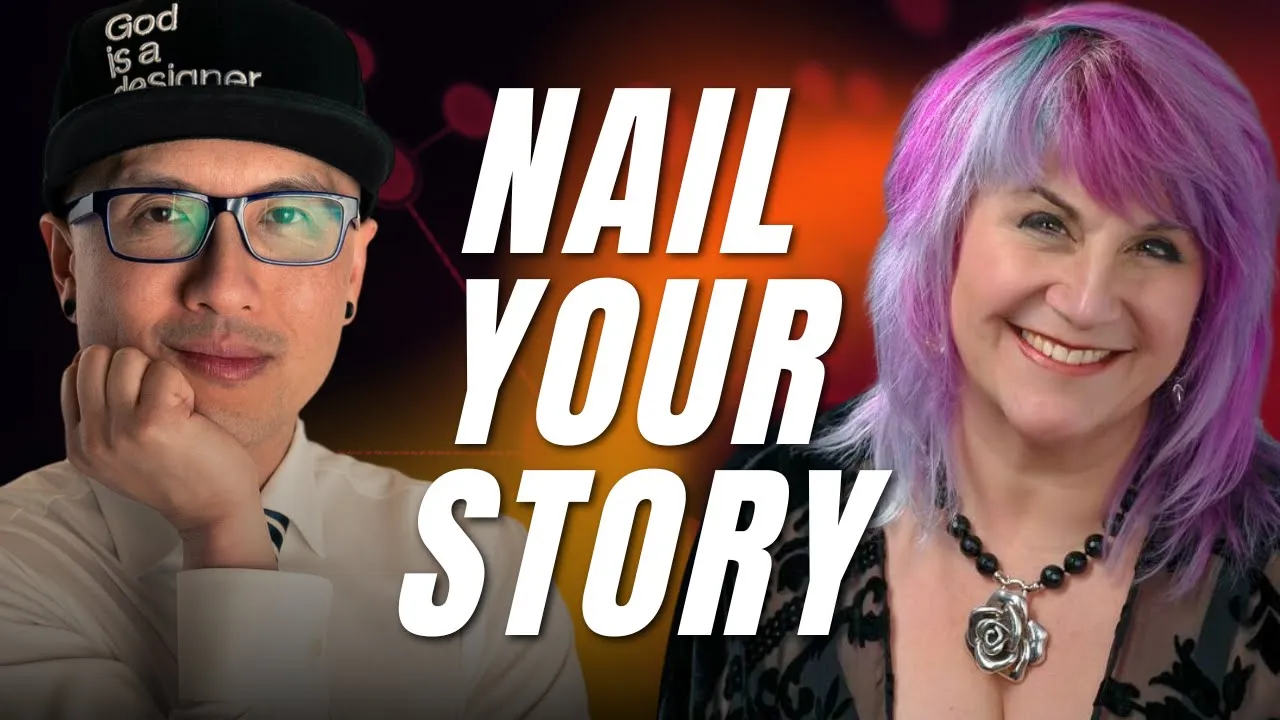
on whether you've pulled apart the correct Insight so that the creative team can do their thing to win the business but I'm fascinated by this whole thing because the idea of going to Talk to people in the street as an introvert scares the Jesus out of me so let's let's talk about it okay can we go there for a little bit introvert right here like huge pardon with that shocking blue hair and but okay appearances aside all right U Can you take us through any one campaign or client memory that you have in the 20
plus years that you've been working in the advertising space where here was the account and here's where I Went into the street and these are paint that picture for us to help us live that I even want to know what kind of questions you ask what crazy things people say go you know there's so many I mean the one that comes to mind right away I actually wasn't the person on the street although it was sort of my team who came up with the idea but we had other people who went out and did it
um was so it was uh God many years ago eade which you're probably familiar with was Just coming into Canada we were launching the product well the product was going to launch in Canada we were pitching this business um and uh you know this was in the like the Heyday of of um online trading so this was this would have been I want to say the like 2201 yeah so online trading had just come out and there was a lot of people who were like doing day trading right online and so this idea because it
like You had all of the like the no low priced or no priced trades and so there was like it was a whole and so the banks had all gotten into it and er trade was the leader in the US and they hadn't come to Canada yet and and so we were we were pitching this account the whole agency got behind it we because we were we weren't just pitching it as a because like when you're in advertising there are different aspects so gener like sort of more brand advertising versus direct Marketing versus in those
days we used to call it interactive marketing which today would be digital and so we had we I was working for a large multinational agency and um and so we brought in all of our subsidiaries so we all got together and we're pitching this big account together and I was the lead um on the client side um so I was I was leading the pitch with the the um president of the agency and um and so there was there was him and there was me And then we had an entire team working with us we
got this idea and I'm trying to remember like so the execution was we did a video on this literally on the street we we actually created a commercial for E Trade um now this again is in the like think about it the early part of the 2000s we didn't have cell phone video right there was no such thing as that you know camcorder or something right we did it camcorder you didn't you weren't Able to upload it to you know YouTube didn't exist right um there was no video sites like none of that and so
we went out and we shot this um this TV commercial and it was about a a guy a squeegee kid um you know washing cars and it was all about trading and so it was this concept of of the the squeegee I can't remember what was the Prem I'm trying to it was really like it was funny like it was this kid and all he's giving stock ticks is what it was Because everyone was getting giving stock tips right I was like where do you get your stock tips from do you get it from the
squeegee kid right so it was this commercial about this guy stopped at a stoplight the squeegee kid comes out and he's like hey dude did you hear about and uh you know and then it was sort of cut away to you know are you getting your stock tips from a squeegee kid or are you going to the source and getting you know using and so it was all About using the platform to be able to do this this work and that came from because again that's what was the Insight was that everybody saw trading online
trading as gambling and what we were trying to do was to shift it from being gambling to being about being responsible but with an edge so it's like don't gamble all your money online don't be one of those people who's gambling be one of those People who are yeah sure go and try it but take a little bit of your money and try it and see what it's like be responsible with it so we had found these segments of the market so at the time there was the segment was called the what we call the
gqs which were the get-rich quicks versus the um the AAS which was the um affluent um the aggressive affluence and we were going after the aggressive affluence and so that's what the so the Ad was aimed at that right don't be one of these get-rich quick people be in this other area where you've got your portfolio and it's safe with your broker that's a good thing but take a little bit of it and go play have some fun right so that was the the idea and so we literally found some of that out through streeters
um we found some of it out we actually did some uh some research where we call people we went like literally we get we in that point I think we bought Lists of traders of people who who were in the stock market we called them and we were literally um you know at G went through a questionaire to be able to validate some of that so that's one another one that we did that was wait wait can you before you move on to the other one I just want to pause here yeah because some people
might know exactly what we're talking about and I think the rest like wait wait wait what's going on here so you kind of took us through the Anatomy of strategy to creative in Reverse you told us to creative and then you told us to insight and The Streeter this is the part that I need to know a little bit more about so there are lists of Brokers that you talk to and did they did you talk to actual investors yeah we did we called investors so we would call investors first like so the the way
that that one came about it actually came about sort of in two ways because we had come up with the idea um because we had A we had some desk research and some I think there may have even been some um syndicated research so you can can buy research reports and so we had bought some research reports that had given us the segmentation of the market so we we knew the segmentations we had done that work um and we had targeted and we had an idea but then we had to validate the idea so what
we did was we actually ran it in tandem because we didn't have time again running against the clock so we Had this idea that we should be like using this message of don't gamble actually work with the people who really know so it was sort of this underpinning and again insights are often boring it's creative that actually brings them to life right the insights are not and that's the thing it was like I always did the most boring part of the job but it was without that you would never have creative but you know we
were kind of the unsung heroes I would say no I get It I totally get it when I was young I did not understand it yeah but as I got older yeah yeah so we had the idea and and we we we filmed that commercial and then we went and validated it using um using again we did we did phone calls I don't think we sent people we because in those days you couldn't show them the video because there was no way to do that you literally would have had to bring them into a room
and film it we didn't have the time to do that but what We did I think we read them the script if I recall um and um and and that you know that gave us a validation but I do to this day I still remember when we presented that so we're in the room with the client presenting this and our our president was actually in at this point he was it was his part of the presentation and he cuz you know again he's the the the president of the agency he's going to take sort of
the big moment and um and he's presenting to the Client and he says you know look you know I've got an amazing creative team and they're like they will do things that you know are just really going to knock you out but he said you know this one almost almost took me down he said you know we've been working on this and know this is an important opportunity for us and we absolutely want your business and so as my team has been working on this I had given them Grace just go do whatever it takes
to get it Done so I um you know we're we're getting ready it was a couple of days ago and we're all getting together and the creative team came in and they said we've got a surprise for you and and he said what is it and he goes and they they literally show me a a a completely finished spot and he said I almost had a heart attack because I mean spots when you're doing a finished spot it can cost hundreds of thousands of dollars and he Said and he said to the client he said
you know I I I mean I I I said do anything but I I didn't mean like go out and you know like spend next year's entire Revenue budget um you know and so I said to them how much did it cost and they said $179 and he said and I I like I was done like I thought oh my God $179,000 where the hell are we coming up with that and the creative team said no $1.79 is what it cost us for the squeegee and you know like and I Remember again this is you
got to remember this was all in the days before we had access to all of this stuff I mean you know to do any sort of video meant bringing in people who have expertise and you know video editing there weren't editing Suites I remember we had an avid in the in the agency and so we had an avid Suite but you still needed to have somebody who understood how to use it and you know so you know it was it was a fun one because it was Fun to be able to do that and it
was the early days I mean eade was one of those brands that was right on the bleeding edge of the internet as it was sort of evolving and so we got to we did win that account and we got to do some really fun things with them because they were moving so fast so made us move fast yes I can see your brain is moving really fast too and as as as a not fast moving brain I just need you to finish that story The completionist in me okay So he he's surprised by the team's
ability to make something for very little money and and usually the way I remember the way the world the advertising World works is the setup is really important framing the creative is everything because without that then you see a video like what the hell am I looking at why is it solving any of our problems so where does he take the conversation such that the clients or the prospects Or the eade people are like yeah show us the video and then then you land it we know how the video works take us through that part
yeah he so he set it up by you know giving this sort of like 179 in the whole bit and then he shows the video and you know what like what happened for the client in that moment was I mean first of all the setup was fun because it was just sort of you know him really what he was really highlighting to the client was the flexibility and the the The agility of this team to be able to solve problems to come up with a good idea and then actually do it and so when he
showed the video and the video you know like was it high quality and like no it was it was it was good enough it did the job right but um but the client of course got it they what happened for the client in that moment was they saw not only the creative that was created but what it took from a team perspective everything from the underpinning of that Idea all the way through to the execution of a video done in less than a week and put up in a new business pitch and you know the
agency president standing up and standing behind it and and giving this you know sort of funny and and self-depreciating story in such a way that everybody was behind it it was powerful it's really powerful okay I understand something here and I I want to say it to you to see if I got this part right because I've been in some of those pitch meetings but only like one I think not seeing them for 20 years so is it am I understanding this correctly in a new business pitch there there are finite constraints to what you
can do so it isn't necessarily about coming up the best creative because you had a week to do it yeah but showing them that you want the business it's important to you and the creative team are willing to move Heaven and Earth for You and here's just an example of how it would be like to work with us knowing very well if you award us the account we got to do the real work is that about right yeah I mean that is that yes like a new business pitch is the combination of can we do
creative can we think how passionate are we um how much do we want this piece of business and what are we willing to do for it and you know it's it it's all of those things and every client is going to have a different Criteria in terms of the the mix of those things but they're all there you know like when I think about different pitches that we've done and that that I've heard of and and had friends who did like you know the things you would do for a pitch were crazy like you know
I remember at one point it wasn't a pitch I was a part of but um one of my friends was pitching one of the major Banks here in Canada and their logo had a lion on it and you know the story was They brought a lion to the pitch you know like that's the kind of thing like I'm sure they had a story I'm sure there was something that went along with it but that that was the you know sort of this idea of you know you want the business you do the work that's that's
stuff kind of like advertising lower the extent in which people are willing to go to say we want your business because what what most of the creative people who listen to this episode are going to Sit there and scratch I like why would you spend that much money because the csil were that big is that important we're talking about tens of hundreds of millions of dollars of revenue for the agency so it's worth it to make that effort now you said something I need sorry yeah just to just to add to that because it's not
just that account it's what that account brings so let's say eade as an example well suddenly that was an indicator to the market that the Agency that I was working with had the ability to attract a high-profile client like that so then you get more high-profile clients right so it's both the money that it represents that particular account but sometimes actually you do it at a loss you take clients at a loss because of what they bring I worked for another client who had BMW as a client for many many years and honestly if they
broke even every year they were happy this is like um L Leader or something like that it's the Jewel and the crown that if you bring the Big Brand to your agency then the other brands it it they would be they would chase after you at that point right that's right that's right okay beautiful now you said a couple things I just want to quickly highlight here um for a creative pitch like this I think you listed five things but I couldn't write that fast I think it's something are you creative enough can you do
it do You want it and is this important to you was there something else in there so it let me just think about it for a second so you know how badly do you want this account what is your creative like can you think um do you have the ability to execute who's on that team like who is the like that's big one too um you know so many agencies used to be um you know accused of the bait and switch you put your a team in front of the in front of the team and
then you know when you got The account it was you know some people that they hired the the day before you know and that you know they're notorious for those sorts of things right they staff up once you win the account and aren't there anymore yeah you never see the pitch team again right yes so the Insight that the desk research and the syndicated research produced was that there's this idea that people want to be responsible with the trade but they're a little edgy about it They're affluently aggressive and that was the Insight well the
the aggressive so it was the segmentation right so we had the getrich quick segment we had the aggressive affluent the aggressive affluent was was and the Insight behind the aggressive affluent was that they were I mean affluent people they were they they were investors they usually had their own Brokers but what the Insight was is that they actually secretly desired to be like the get-rich Quick guy but they didn't have the like they they weren't willing to risk like the get-rich quick guy was usually a day trader so he didn't have a lot of money
and he was doing like penny stocks right but the aggressive affluent thought of himself as pretty smart in fact smarter than the day trader wanted to do the day trading without the risk of the day trading so the Insight was take a little bit of your portfolio keep the bulk of it use your broker and the idea was beat Your broker because you've got the Insight from erade in this case right because eade would give them sort of trading tips and things like that and you've got the ability to do your own and you've got
access to the platform at your fingertips which had never been it had never existed before right you would always have to go through a broker suddenly you no longer have that middleman between you and the platform and so what can you do with it So the the Insight was show how smart you really are and and and and put your money where your mouth is okay that makes the video make a lot more sense too because the car and like they see themselves as better than the trader who's getting advice from the kid who's washing
your windows but they kind of secretly wanted to be part of that world they they did that was it and and S it took me a couple is to remember that was a lot of years ago I'm like I'm Going to go back in my memory banks and remember this stuff but honestly that was one of the funnest accounts I ever worked on we we had a blast Wonder in case you're just joining us I'm talking to Andrea Samson and we're going to get into storytelling and if you're listening to this on the podcast I
just want to just check tell you to go check out the show notes because you have to see Andrea her blue hair her lipstick and the whole thing it's a whole vibe Everybody and if you're watching this on YouTube you know exactly what I'm talking about okay now there are other things I want to talk to you about this wasn't meant to be a whole strategy advertising thing but you open that door for me in my mind and I'm like really into that okay you're 50 years old one could say midlife you're having maybe a
midlife crisis I don't know is it like you're blowing out the candles on your birthday cake and like what the heck am I doing with my life is this all I was meant to do sell things to people who don't want to buy things and what was there something that happened that crystallized that moment for you I kind of had this awareness I'm like I'm living in the suburbs in Toronto my my my daughter had gone off to University and I'm thinking what am I doing with my life like is this is this it so
it was it was overtime and I was turning 50 and I'm like yeah this is you know if not Now when it never felt like a crisis it felt like an Awakening it was more of that like looking up and looking out for the first time in probably 20 years and saying life is meant to be lived not just existed through and I started going well if that's true then what do I what what's living to me 2012 2013 was when I started sort of having the awareness 2015 was when it really crystallized and so
I gave a talk many years later was 2015 I had every year I choose a word for my year that particular year so as I was coming into this awareness I was turning 50 and I remember I wrote I wrote the word vibrant I want to live a vibrant life and when I told the story many years later I was like you know be careful what you ask for it was such a big year 2015 for me of like you know making this decision I sold my house I bought a condo downtown I destroyed my
condo because I decided to completely Got Rena it I traveled through Europe I um you know I I quit my I quit advertising that was the year that I actually fully decided to walk away I was in 2015 I was the director of programming for tedex Toronto and so I I you know I kind of I blew up my life and you know and it was it was like the best thing I ever did but it was all in service of a vibrant life I like that did that is that when the the hair Chang
or the hair was already vibrant at that Point the hair was so I start I've I've had my hair in various colors for almost 20 years years um it's gotten brighter and maybe more colorful but like in and you know I remember this another story I tell often is I one of my last years in advertising I had um I had started I had started off with just like doing little pokes of color and then it got more and more and I I went my hair used to be very very short and spiky and kind
of doing all kinds of fun things and um I Had finally gotten it the perfect shade of uh cotton candy pink and I remember walking into the agency um just after I'd gotten it done and our and I was this particular agency was um a little more conservative than most anyway I walk in and the HR Director said hey can I talk to you and she was like oh we have to do something about your hair and I remember at the time like that was actually the beginning of the end for me when in the
Agency World CU I looked at her and went you don't get it do you like if showing up like I'm the head of strategy I was the senior vice president of strategy in this agency um working with like many many multinational com companies and and and I would be in front of the room and and often clients would comment on my hair and and never that they didn't like it they like I would get pulled aside Often by like the CEO or you know the VP of whatever and it was often a man and He
would always say I love your hair I just want to tell you and it would just be that you know and what I said to my HR Director at that point is I said you know I get it that I'm probably a little more out there than you would like and I understand that but here's the thing our clients hire us because we look different from them because we and when we look different we think different and if I'm showing up in the three-piece suit looking exactly like them why do They need us right you
know and if you don't and and I at the time I was like I can't believe I have to say this but I do um and that was when I knew and you know I think this is one of the biggest challenges in advertising is that advertising has changed so much over the years that it has had to become more conservative just to maintain its foothold in the marketplace when I started in advertising you know we were still doing the you know the the long Lunches and the you know like the big budgets and all
of that and it was like we were different we were the we were the people that our clients wanted to be you know but they couldn't cuz their jobs were different and we got to be the fun people and I don't know that that's the case anymore in advertising that's too bad things are things have changed a lot and advertising has changed actually so yeah I think the the dress code is just one of the many problems well That's the thing that's what say it's just it's just one of the symptoms of a much bigger
problem and shift okay so it sounds like you you kind of went on this Soul search you search and you blew up your life your daughter went off to school you're single you moved from the suburb to the city you travel the world and you have a major career shift and change and through the world domination Conference of course that has to be fun you you Meet some of the tedex organizers and then you get this opportunity to work with tedex what was it in those early days of Ted X that captured your attention and
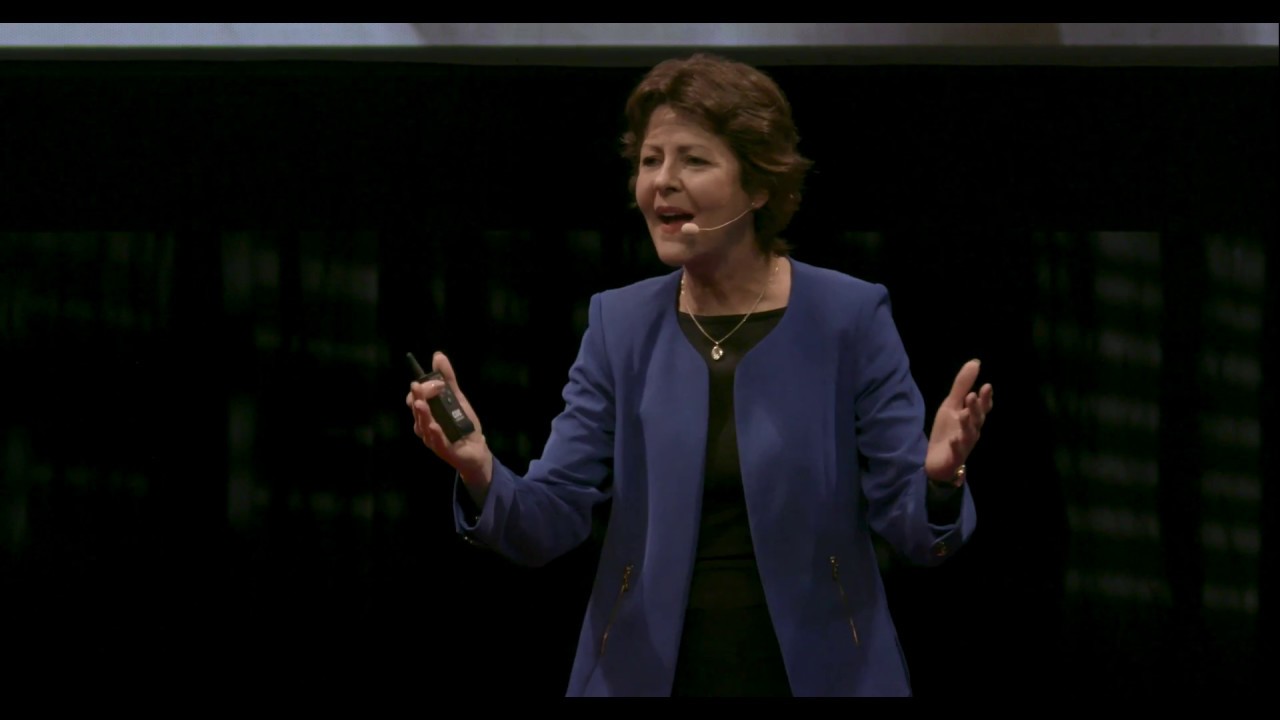
could you could you share a story about one of your first experiences coaching speakers yeah I mean that first year as a speakers coach was such an eyeopener for me I mean I went into that world not even I had never heard of a speaker coach and I was volen hired right went through like I Went through like it was a it was a tough um like interview process I I think I interviewed with three or four different people inside of the tedex Toronto organization and then got volen hired and and what I didn't realize
I was I was a speakers coach but I was also part of the programming team and I I remember going to the very first committee meeting you know so I get I get told I'm I'm in and here we're meeting on whatever date and so I I go To this meeting and I'm with you know I think there were like maybe six or seven of us on this particular committee which was the programming team the curation team and I suddenly learned that oh I'm not just coaching speakers I have to find them oh my God
I had no idea I'm like where do you find Ted speakers like this I was totally green to this whole idea and and learned a lot but you know once I got assigned like we went through it was a process and and uh and and a Hard one but once we sort of whittel it down to the I think we had maybe 12 or 13 speakers on the stage that year and so I got assigned four of them and um and I got I mean I had some input into it like we kind of all
fought over who we wanted and there was there were four speakers coaches and so we we all took the people that we wanted or or fought for the ones we wanted and so I ended up I just I've always loved scientists and academics And I was like every time a scientist came out I like put my hand up I I'll take that one um and no one else wanted them I ended up so I remember one of the one of my very first speakers he was a professor at University of Toronto he had two phds
one in engineering and one in medicine and he was working on the Human Genome Project which was the worldwide project to decode the genome and I I remember my very first meeting with him I was still Working in the agency at the time and um and so I had you know organized it for him to come to the agency after after hours and so I'm sitting in the boardroom and you know it's like any advertising agency it's cool it looks pretty good you know so he walks in and I mean like honestly like you couldn't
have scripted it better he walked in he had like this you know head of curly hair um he's dressed in a sweater vest a pair of Shorts socks and sandals okay like there is like he was the the quintessential academic you know he was as nerdy as they came and we sit down at the table and he's just this lovely lovely man um and he's you know probably in his mid-40s and I'm going through like all of the the things that we're going to do I'm kind of giving him the overview of what's going to
happen and you know anyone who comes in to do a TED Talk they don't really know what to Expect and so I'm giving him to some of the background and then I'm also like taking him through some things and he opens his notebook right to take some notes CU in those days of course we still had pencil and or pen and paper I uh I glance over at his notebook and I I realize everything in it is math everything thinking to myself I I don't know if I can talk to this person I do not
speak math you know and and so it was an interesting process of learning How to communicate with somebody who is I mean so incredibly smart but also finding and I think that was one of the things that I've come to understand about me and my style is I for me it's about the person first and so it's always about the relationship and who are they and so I got to know him on a personal level first and and why that's important when you're a Storyteller is your stories are are yours they're about you they're what
What describe the essence of who you are and especially when you're doing a TED Talk and with him I I got to know a lot about his personal life and about some tragedies that had happened and um you know things that really mattered to him and we ended up using a lot of that in his Ted Talk and he ended up doing a six-minute Ted Talk on explaining the human genome I mean like you know to do that in 6 minutes is incredible and it was such a powerful lesson for me in Terms of understanding
the power of story because we used his story and his story of losing a child and about why that sort of catapulted him into the world of genomics and wanting to um you know wanting to create a solution so that no parent would ever have to go through that because his child um died because of a a genetic disorder and so you know that that was it's powerful when you hear people's why of why they they do the things they do And those stories resonate in a way that really no other story can right because
it is The Human Condition we're talking about I'm I'm the absent-minded Professor clearly I'm very smart I've got the two phds I walk into this office I'm like oh is it a little different it's very creative there's fun Furniture colors artwork around and I sit down with you what are some of the question you might ask me so that I can start to unearth these stories because I'm just Thinking Human Genome got a problem solve I'm doing my thing I don't speak human what are the things that you're doing can you take us through let's
role play a little bit right what does that process like yeah just pretend like I'm that person and talk to yeah so always the first thing I ask is tell me about you like just like tell me about you what is it you like and usually that's a hard question for people yeah right especially somebody who's really steeped In science um or technology even so I'll usually have to give some prompts things like well what do you like to do you know and it'll usually start with their work and then we'll sort of chip away
at that um and then I'll say is there you know what are your hobbies what hobbies do you have I'm just kind of trying to find end points of like what is it that makes you you and then I'll usually sort of shift it because what happens is they're not knowing where it's going and They're feeling uncomfortable and I can usually sense the moment at which they get to that point of discomfort where if we don't switch I'm going to lose them and so what I'll do is I'll switch it into well tell me what
you want to talk about and that they'll light up at and then they'll usually talk for about 20 minutes which none of it is understandable but it'll be what they want to talk about and I mean I've been doing this long enough that I usually do Follow them um but no one else would because it's it's usually a lot of jargon it usually has um a lot of of really deep science in it and interspersed with that there will be some of the indicators of why it's important and I'll usually ask them a couple of
questions and so what happens is as we're going through that what do you want to talk about they're starting to leave little um little little what I Like to call breadcrumbs for me because that's those are the things that I go back to you know they'll have a half-finished sentence or story and I'll go back to it and tell me more about that tell me more about that what happens is over the course of an hour or an hour and a half I'll usually get enough of their story that I then tell it back to
them and I tell it back to them as if I am them so here's what I've what I've heard I'm going to pretend That I'm you and um I'm probably not going to get it all right I'll make some things up but I want you to hear your story as I've heard it just to make sure I'm clear on it and so when I do that it's usually a huge Revelation and a relief for them um a relief because For the First Time somebody understood them and a revelation because they've never heard their own story
told back to them like how often do we hear our own Story we never do and because I've done this enough I know where to put emphasis I know where to bring emotion in I know how to tell it in such a way that it touches them and you know it's such an interest our human brains are so interesting because even though we're hearing Our Own Story we feel like we're hearing somebody else's and we we lean into it and we we're like oh my God what's going to happen next and and I've had many
many of my clients say that to Me like oh my God I was riveted like I you know and it's like yeah that's your story though that's the thing that's what so cool about it that's why I want you to hear your story because it is riveting you know I do this for my friends too you tell me their story and it's like dragging and they they put too much detail where none is required they skip over all the conflict emotional turmoil and then I'm like okay so here's your Story the way I heard it
and you say back to them and it's a wonderful thing that you're doing for them whether you're a coach or not just a human being connecting with another to be able to see themselves from another point of view could describe that as a form of meditation but you're you're doing it with another person so it's a really cool thing do you get like big emotional reactions from them when they hear do they cry do they hug you do they tremble Yes all of those things all of them so you know I I I remember I
was working with um a client I was in s Paulo and um and this one gentleman I so I did a ton of work with Singularity University out of Silicon Valley and and so um I traveled all over um training all of their faculty and so this particular cohort was in s Palo and so this guy um an amazing man he was a businessman I'm trying to remember what the tech was that he because it was all exponential Tech that we were working in right and so I can't remember I I know what his business
was but I don't remember what the maybe it was blockchain that's what it was um so he was in in blockchain he had built a business on a blockchain platform but the business was basically bike shares um and he actually brought that into the US he brought that like he was one of the founders of that whole idea of bike sharing and um and so he was bringing it into s Paulo and so um He tells me his story um like I was like you know how did you get in like where did this come
from right where did this idea come from let regardless of the technology just this concept of bike sharing and he told me this beautiful story about him as a child basically was homeless and his mom you know they lived on the streets um in St Pao because that's where he was from and sort of told the story about his mom taking care of him and um Eventually they got off the streets and and he always wanted to do something to honor his mom and so this Bike Share was a combination of coming out of such
you know humble beginnings but also as something that I think his mom I think there was something she'd always wanted to bike I can't remember the whole story but he he tells me this story and of course he's telling it to me in such a way of like you know and then there was this and then there was that and there's No real connectors between it it's just like a bunch of disconnected facts and um and and you know he finishes it saying to me well and no one would ever want to hear that story
and you know I'm listening to him going you got to be kidding me like this is like I mean it is gold right so I tell him his story back and again this is like a big guy you know about as you know busy he's in a he's in a suit he's like you know totally um completely masked right like He he's in the business world that's we know just the fact map and um I tell him his story and when I finish he is sobbing and he looks at me and he said I he
said I can't believe that's my story I would never have thought to tell it nor would I have thought that it was so powerful and you know I said well it's that's your story I just I mean yes am I a good Storyteller sure I've got some training I know how to do this but That's your story it's not all I did was put it together in a certain way you lived it and and you could tell it way better than me because you lived it you know and you've got the emotions that go with
it and you've got details that are real he went on to tell that story but he it changed his life I actually still get emails from him saying how impactful that was it changed the way he looked at everything in his life because up until that point Everything in his life had just been a data point when you say say you listen to Somebody's story you find the part that needs to be emphasized what are those parts that you're listening for so if we're like trying to help our friend or we're trying to help ourselves
what is it that you're seeing what are those patterns that you notice like where we need to zoom in and pull that part out in order to tell a good story what you need to Know is what are you holding inside of the story because stories are context I mean we can tell stories for the sake of telling stories and and those are great if we're sitting around a camp fire if we're just like with friends telling funny stories that's one thing but if you're using stories to actually convey information and using your own personal
story what you need is to know what what lives inside of it what's the idea that you've put inside of that and that's What any good Ted Talk is it's a it's an idea that's wrapped in story I call it idea Centric storytelling so when I'm listening for somebody listening to somebody's story what I'm doing is I'm listening for the piece like so every idea has got some um mechanism like is it a transformative idea is it a um a sustainable idea like what is the the mechanism inside of that idea now what you're doing
is you're looking for a Story that could actually mimic that think of it as a metaphor for that idea and so what I'm listening I'm listening for those points where you've got that mechanism and you're listening in such a way that you want an emotional connection so in the the example that I gave with that met gentleman in s Paulo I think his mother had had died of cancer but she had there was some points along the way his mom's interaction them being homeless and things like that and So I was able to pull some
of these emotional pieces that are they're meta right like we all have mothers now we may not all have close relationships with our mothers but we all have mothers we've all experienced in some way um some form of medical tragedy whether somebody we know has died or whether there we've heard of it we know these things that are truly they're Transcendent across time and space and so when you listen for these things that Are that are absolutely Universal but then you put them together in such a way that they are so singularly for that person
suddenly you've built a power powerful story that speaks directly to the emotions but then conveys this idea in such a way that the idea becomes a revelation to the story and so you've combined emotion predictability so like the like the the associations of predictability and then the openness of the idea because what we're really doing Is we're playing with brain science right because stories there's a lot of brain science behind stories and so the you know predictive nature of our brain the associative nature of our brain and then the memorability those are the pieces you're
playing with so when I'm listening to a story I'm listening for all of those things so I can pull them in and I can actually use the techniques that light up the brain so we remember them so we emotionally connect with them So that we are able to remember that idea Associated to that story and be engaged with the story all the way along wow okay that was super brainy what you just said so I'm trying to think of my and myself let's make it a little simpler if we can yeah yeah so in the
story of this gentleman you're talking about what was his idea what was the story that contained that idea his idea was was to create something that um uh that was safe right it was about safety Like blockchain because of its uh in a like um the discreet nature of blockchain so it can't be hacked and things like that um and so he was using bike sharing on blockchain which allowed for especially in a city like s Paulo where there's not as like because there's a lot of crime there so things like using a credit card
with a blockchain like enabled bike was safer than if you were using it on a regular sort of uh credit card processing system So safety was really the mechanism right it was Safety and Security safety security and privacy was sort of the basis of his message this story about him living on the street with his mom having nothing you can imagine that you had nothing you were there was no safety right no safety no privacy um and so using that having this backdrop of being afraid all the time of watching your friends being killed literally
of being Afraid for not only your life but your mother's life uh and being and having grow up very young to do that and now transition that to creating a company that is now taking care of people giving them access to transportation that they didn't have but giving them access to that in such a way that creates Safety and Security for them and so there's the you know the connection point and what we're doing is we're building the emotional overlay with the a son's Connection to his mother so what I heard you say was there
was something about the lack of security physical security Financial Security and his relationship with his mom that was the vehicle to deliver the story and which why he thinks it's really important for them to develop Technologies to make purchasing or renting bicycles really safe something like that yeah okay yeah that's exactly it and so you know like every time I'm working with a client Those are the types of things we're looking for what's the mechanism what's the story how do we align the mechanism and the story how do we say that idea in such a
way that connects with people how do we create that why of your idea so that your audience is along with you and now let's build the story to the why and the what and the how which is the the the mechanics of the idea that comes along with it you talk about the three pillars of personal branding awareness Authority and differentiation could you share a story of someone who struggled with one of these areas and how they overcame it I mean I think the biggest one is differentiation and like I'll I'll use myself you know
like I've I've been building my own personal brand for the past couple of years and authority and differentiation are really difficult things awareness is probably the easiest and I know that that sounds crazy because like oh my God you know there's It's a big world but the reality is we can create broad awareness pretty like we we live in a world of social media my goodness like we can we can get awareness easily but it's like well what makes you different and what gives you the you know the authority to say or claim what you're
claiming the thing that we struggle with the most and I would say this goes across to every client I've ever worked with is our own mind our own perception so Authority and Differentiation it's the thing we attack ourself on so who am I to say that um you know I'm I'm not different than anyone else you know and so I had to overcome that with my own personal brand of really stepping out I am you know I said this earlier I'm an incredible introvert I Center Stage has never been the place that I've ever wanted
to be and it it took me a long time working with thought leaders and and people saying to me you need to be on stage you Need to be saying this out there and I was like who am I I mean sake I dropped out of high school in grade 10 you know like I don't have education I've done very well and I've I you know am I have I self-educated sure I have but I don't have that credentials I don't have the paper on my wall that's as I get to say these things you
know and I had to overcome that and then I was like there's a million people out there doing storytelling let's face it I am not the Only person talking about storytelling so what am I saying that's different and so those two things are the things that for me I had to really do my own sort of um inward journey of like what is it I'm saying different and I and I think the thing that I really came to is this deep understanding that it doesn't matter what who has said that you've got the authority to
do it you claim it so that's number one but equally as important is that it's actually your Life and the context of your life that makes you different and so it doesn't matter um what what Ed tion you have or um whether a million other people are saying the exact same thing as you are the way you say it because of who you are because of the challenges you've had because of the culture you've come from because of the awareness that you've gained you say it differently and because of that somebody else understands it in
a way they never could Have and you know I had to really lean into that and believe it and it took me a long time um of really like listening to myself because it's funny you're on these Journeys and I I often say we teach what we most need to learn and so I'm saying these things out loud and in doing that I'm actually saying it to myself and it helped me to believe it and so you know it's been it's been an interesting journey I love that so that was a big mindset shift and
I think That's going to resonate with a lot of people listening to this but I want to get back to the whole what in a in a sea of a million storytelling coaches how are you different yeah so I think my biggest difference is that I believe deeply that we are all different I believe that it's our differences that make us strong not our sameness and and in that when we tell our story let's find the peace that people resonate with so it feels Like we're the same but the experience is so different that it
feels different from everything they've ever imagined and so it's that it's that place of familiarity in a place of extreme difference and that gives us the ability to see ourselves outside of our own comfort zone so when I'm hearing my story told through your lens because that's what happens right you tell your story I populate your story with with me that's What my brain does right that and we all that's all of us that's just the way our brain works is we go like oh yeah I remember a time when I did that and suddenly
in your brain it's your you're popping up but now it's like they're telling this story of this crazy thing that happened you've got some memories that that work with that but I'm now in your story and I'm going along for that ride and that changes me that's what's Powerful and and that's I I really help people to have the courage I think to tell those stories like I remember working with a woman um who had lived in South Africa for a number of years as a child like she was Canadian but her family her father
was an ambassador and he had gone to South Africa and she witnessed one of her Maids being shot by her husband and like it was a crazy story I mean she was a child she was was maybe Eight or nine and and she saw this like horrific event and we ended up using that story as an opening of of one she was in PR and she opened a a a a a conference with her talking about what she does but she used that story and it was all about ethics right um because you know as
horrific as that was the idea that was inside of that was the fact that in South Africa it was illegal for um this woman to have her husband living in the same house as she was Because she lived with a white family and he and this was during apartheid right and so and he was she was black he was black so there was no problem with them being together but it was that um she was living within a white family and he didn't have a job and it was illegal and the family had said it
was okay for him to live there but then they got in trouble and they asked her to if if he could live I think was like they' found another house for him but he took Offense and he shot her shot his wife and the the story though was that it was actually her parents' fault they didn't understand the cultural context right they had put her in this situation that they didn't under fully understand the ramifications of it because when she asked him to leave it she shamed him but they didn't understand that cultural context and
I think this is you know did it justify the end of course not like like that's Not what the story was about it was about understanding that we can't look at different cultures and think we understand what's really going on inside of them we don't have a right from our Western World to judge some of these other uh cultures and what's happening so you know those types of stories are powerful like I've never had that experience but I have had the experience of being completely wrong in what I thought you said something earlier on I
Just want to clarify when we tell stories the person listening to the story puts themselves inside of your story and they live it with you if you're a good Storyteller that's what you said right yeah yeah perfect okay yeah that's that's brain that's actual brain science that's that's um some of the stuff that they've learned as they look inside our brain so then the personal braining bit about differentiation is very important but Leaning into the things that make us different when we're in a society that wants to make us all the same yes it's problematic
and so that's why it's such an unusual concept and this is my take on something that a friend of mine says or writes about his name is James victori he says what makes you weird as a kid and I alter it a little bit will make you wonderful as an adult we need to lean into that weirdness and clearly you and I I believe are embracing it Together separately but together you know what I mean yeah I couldn't agree more I mean for me as I look lean into my weirdness you know and I often
say you know let your freak flag fly right like to me that is what that is what makes us um interesting you know I I found out I was neurodiverse when I was 56 and you know at the time I was like what is that going to do in my life you know like I've lived this many years not knowing what difference is it going to Make well it's made a massive difference in my life and why because I actually now no longer try to stop doing the things like I Now understand what masking is
and so all these things you know as your friend said that made you weird as a kid right well when you're an adult you mask those and when you're neurodiverse there's a lot riding on masking right because it it just is it's just not okay to be the person or at least it wasn't when I was Growing up and now as I mask and I find who I am you know I turn 60 next year and um and I'm now sort of in this place of like I am such a different person today and I'm
much more closer to who I was as a child now because I I'm okay with the fact that I don't always get social interactions I you know like DRS kind of go over my head a lot um you know and I don't have to pretend anymore and those are I mean those are small things but there's so many more I came Across this uh feet on my Instagram today and how wonderful and serenda is it is that I see this today of all days and it's a it's a quote from Carl Young to be normal
is the ultimate aim of the unsuccessful I love say like I've read a lot of young Yan psychology I have never seen that I love that I hope you did say this because it's like it's so brilliant it's so brilliant so brilliant okay we're going to land the plane I'm going to seg Way to the end question here and since you're a storytelling coach and expert what's a story you wish more people would tell about themselves or their work I think the story I wish people would tell about themselves is why they do what they
do I think we get so far removed from our own why that we we have no connection to it I remember the very first time I you know watched the very famous Simon synic start with why right Yeah and and you know and at the time everyone was like oh what's your why what's your why and you know everyone was like I don't know how do you find your why and it was like this big Quest it's not that big a thing you know what in reality the thing what is it that M brings you
Joy like we're not talking about like oh my God if you get it wrong your whole life is over over you're you're never going to get your why wrong because it's actually why you do what You do every day you show up to work you you parent your kids you love your husband or wife you these are the wise you know like they're like underpinning all of that is a why and that why is the thing that will um drive you forward and so when we reconnect to it and the way you reconnect to it
is just by doing the things you love and going that's what it is you know for me like it's I've always been a person living a little bit in the future I've always been so Incredibly curious about what's coming next as a child it was always like I wonder what it's going to be like when I'm 10 when I'm 20 when I'm 50 I remember I remember doing the math to go how old would I be when this when at the turn of the century you know like you know the year 2000 and and imagining
that and if I look back like that was me in my why because what my why is all about is about creating a resilient future a future that is reflective of Everybody who lives within it and that's why I do what I do every day and I believe that I deeply believe in that and so what is it for you that's mine but what is it for you are you familiar uh do you know what what a Channeler is yes of course I do well of course I just had to ask for formality reasons you
know okay are you familiar with a channel Channeler by the name of Bashar of course I am yes okay s I'm Gonna go for the gold whenever he's asked this question about like what's the meaning of life or what's the plan he says it matter of factly what does he say about this he says you know what like each one of us is here to live to our Highest Potential to step into all of who we are in the fullest expression of who we are and to do so from a place of joy to let
go of all of the expectations that we put on ourselves of being perfect or being Right or you know getting it right it's not about any of those things we can't ever get it wrong we can't it's just our job to be the humans we are in the expression that we have in the moment that we're in in the highest ability that we have in that moment and that's how we end this conversation because the things you're talking about storytelling personal branding and if we're talking about a message from a Future intelligent being and talking
to us about the human plan it sounds kind of the same yeah I was on stage recently and it just pinned to me as I was kind of writing some thoughts and I was freestyling a talk and I I came with a phrase I'm quite happy with maybe I won't feel that way tomorrow but the phrase is the more you you are the more you are yeah and I just want everybody to be more of themselves to let go of all These ideas about what perfect means to lean into your inner weirdo and to let
your freak flag fly loudly because you're going to be in your highest state of Joy your deepest passion and you're going to be doing that deep meaningful work that you're always meant to do and just realize something you don't have to be 50 or going under 60 whatever to come to this conclusion you could be 12 you could be 17 it doesn't really matter just to realize life is short make the Most of it and go out there and tell your why story everybody absolutely Andrea it's been a pleasure talking to you thanks for being
a guest on the show Chris this has been an absolute joy and a pleasure you are an incredible question asker and and and and and just very insightful thank you this has been such a pleasure thank you thank you and if people want to find out more about you where do we send them um check out my YouTube channel the thought leader Academy um my LinkedIn I'm very active as Andrea Samson and then of course our website talk boutique.com there we are we'll include those in the notes be sure you check those goes out and
be well thank you thank you [Music]