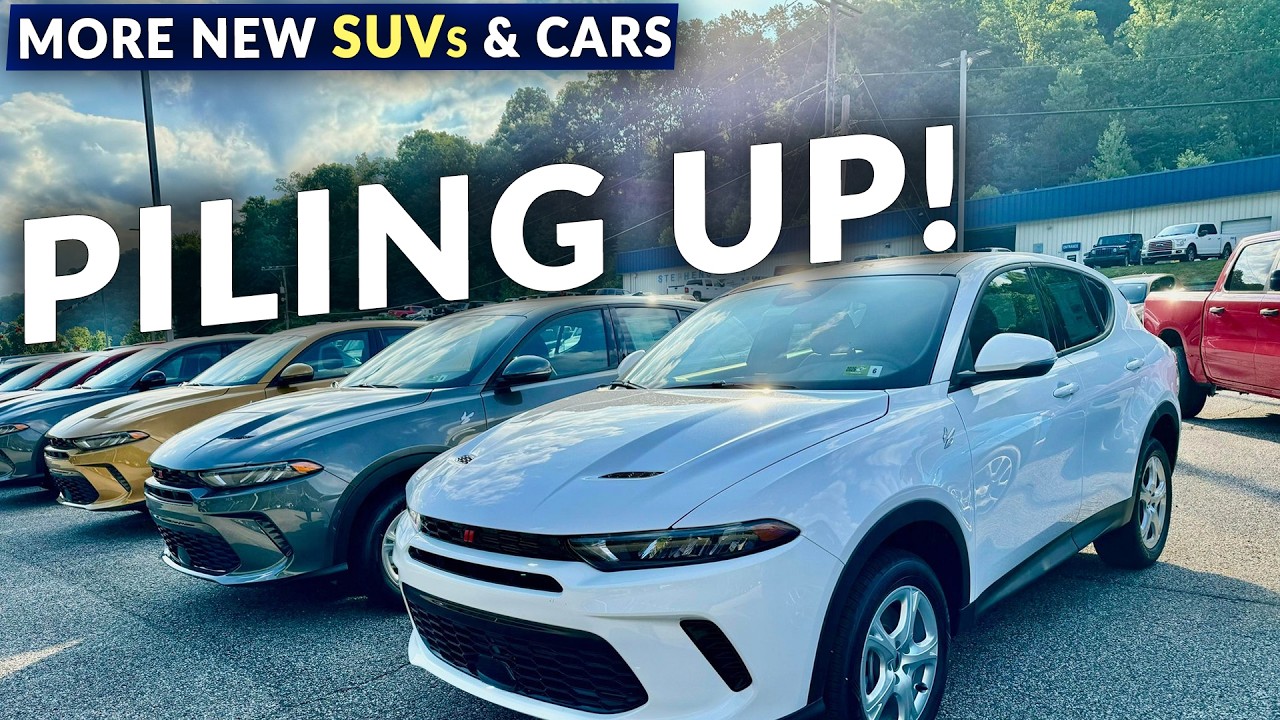
And news just out: Stellantis is laying off almost 2,500 factory workers from an assembly plant outside of Detroit. Jeep is closing down! Stellantis' CEO just made a shocking announcement, and they are in big trouble.
This might seem extreme, but when you think about it, it actually makes sense. So what actually happened to the Jeep? Why is it closing down?
Well, this is not a simple answer. You see, Stellantis is on its last final chance—the last fight for redemption—and soon your favorite Jeep might just be history. But it is not just Jeep; many automakers under Stellantis, like Ram, Dodge, and Chrysler, are going through the same struggle.
These issues are just a reflection of much larger systemic problems within its parent company, Stellantis. So, to answer your questions, let's start from the root of the issue: a foundational crisis formed in 2021 by merging Fiat Chrysler Automobiles with the PSA Group. Stellantis initially seemed poised for greatness; however, it has instead stumbled into a series of significant hurdles—three major challenges, to be exact.
You see, the intention behind combining these two giants was to create an automotive powerhouse that would dominate the market. But guess what? It created a tangled mess instead.
The merging of two distinctive corporate cultures has not blended well at all, particularly when it comes to appealing to the American market. This is the first challenge that they seem to struggle with. Jeep, a brand that has long stood for ruggedness and thrilling adventures, now finds itself pulled in a direction that doesn't align with Stellantis' broader ambitions.
This disconnect has put a wedge between Jeep and its loyal customer base, who cherish the brand's rich heritage and affordability. Now, before we go through the other issues, I need to tell you how bad this is getting; the rabbit hole goes way deeper than just office cultures combining. So what's happening?
Have you seen the new releases lately? The launch of upscale models like the Grand Wagoneer shows Stellantis' desire to compete with high-end brands such as Land Rover and Lexus. But in doing so, it has left a lot of consumers in the dark, confused.
They know Jeep as the go-to brand for accessible off-road vehicles, not for high price tags resting comfortably in luxury territory. Over the last five years, Stellantis has jacked up Jeep prices by more than 50%. Yes, you heard that right!
This drastic move has effectively pushed many loyal customers out of the market. By taking this upmarket approach, the company seems to have forgotten what Jeep was built on: ruggedness and affordability that resonates with adventure seekers. Take the Jeep Wrangler, for example—a classic model that now has a starting price topping $40,000.
This steep increase is a far cry from its historical reputation as an affordable off-roader. Longtime fans of the brand are understandably feeling alienated and priced out. It's a tough pill for loyal enthusiasts to swallow when they're looking at these hefty price tags that don't reflect the brand's original values.
This disconnection between pricing and what the brand represents is damaging Jeep's sales, and guess what? It also puts a strain on Stellantis' overall financial health. The company recently reported a shocking 48% decline in net income for the first half of 2024.
This significant drop was largely a result of lower sales volumes and a poor mix of vehicles sold. This ongoing financial instability raises serious concerns about whether Stellantis can gather the resources to invest in Jeep's future. To paint a clearer picture, let's take a look at recent sales figures.
In August 2024 alone, Jeep's sales plummeted by 20% compared to the same time last year. This dramatic decline is compounded by the fact that they are sitting on high inventory levels coupled with ongoing quality issues that put increasing pressure on their resources. The revolving door of leadership.
. . If you thought the whole pricing mess was the end of the story, think again!
There's another curveball coming, and this one has to do with the constant shakeups in leadership at Stellantis, especially when it comes to Jeep. The company is just a revolving door of execs, with key players like Jim Morrison and Mark Allen stepping in and out—guys who truly understood the soul of Jeep. These shifts at the top have left the brand struggling to maintain a steady course, and that kind of turbulence makes it hard to zero in on any clear, lasting strategy.
Now imagine the chaos that follows each leadership change. New bosses often come in with grand plans to shake things up; they want to leave their mark, right? But that can throw both the staff and the customers into a whirlwind of confusion.
This kind of instability can annoy even the most dedicated Jeep fans. People crave consistency, especially with brands they trust, and these wild shifts can easily make that trust waver. This is not just about a few tweaks here and there; these leadership changes don't just affect upper management; they trickle down to every level of the brand.
One day, the employees are following a clear plan, and the next, they're scrambling to keep up with a totally different vision. It's like building a house of cards, only to have someone come along and blow it down every few months—not exactly the recipe for success, right? And when Jeep starts acting like a brand going through an identity crisis, it risks losing the very thing that sets it apart.
This brings us to the second issue: they are not able to deal with reliability. And you know what that means, right? Recalls and more recalls.
As if these challenges weren't enough, Stellantis is currently dealing with some serious operational headaches that could further damage consumer trust. Recently, the company faced investigations related to concerning reports of engine fires in certain models produced. .
. Between 2021 and 2023, impacting around 7,815 vehicles. What's worse is that these fires could potentially occur even when the ignition is turned off, a chilling safety concern.
To make matters even more complicated, Stellantis has also had to announce recalls for over 1. 46 million vehicles due to software issues that put electronic stability control systems in jeopardy. These recalls don't just chip away at consumer confidence; they also put a strain on the company's already stretched financial resources, forcing Stellantis to navigate through a storm of difficulties.
Jeep is currently navigating through a complex crisis that poses serious risks to its cherished reputation and market position that it has held for years. Let me explain: Jeep is a company in stress. First, let's talk about sales, because they are a major indicator of a brand's health.
Over the last few years, Jeep's sales have taken a significant hit. For instance, in the first half of 2024 alone, Wrangler sales plunged an astonishing 33%, while Grand Cherokee sales dipped nearly 20%. Looking at the bigger picture, Jeep's total sales have dropped sharply from a peak of over 973,000 units in 2018; by 2023, that number dwindled to less than 643,000 units, representing a staggering 34% decline.
What's behind this downturn? Well, it is all about the strategy of Stellantis, such as rising vehicle prices and growing quality concerns. Just to illustrate how serious this is, the average transaction price for Jeep vehicles soared from under $40,000 in 2020 to over $54,000 in 2023.
This sharp increase has made it tough for traditional buyers who once found Jeep vehicles accessible. Compounding these issues, the brand has also discontinued popular models like the Renegade and Cherokee, slicing its market coverage from around 80% to just 45%. This reduction has further affected sales, pushing many enthusiasts away.
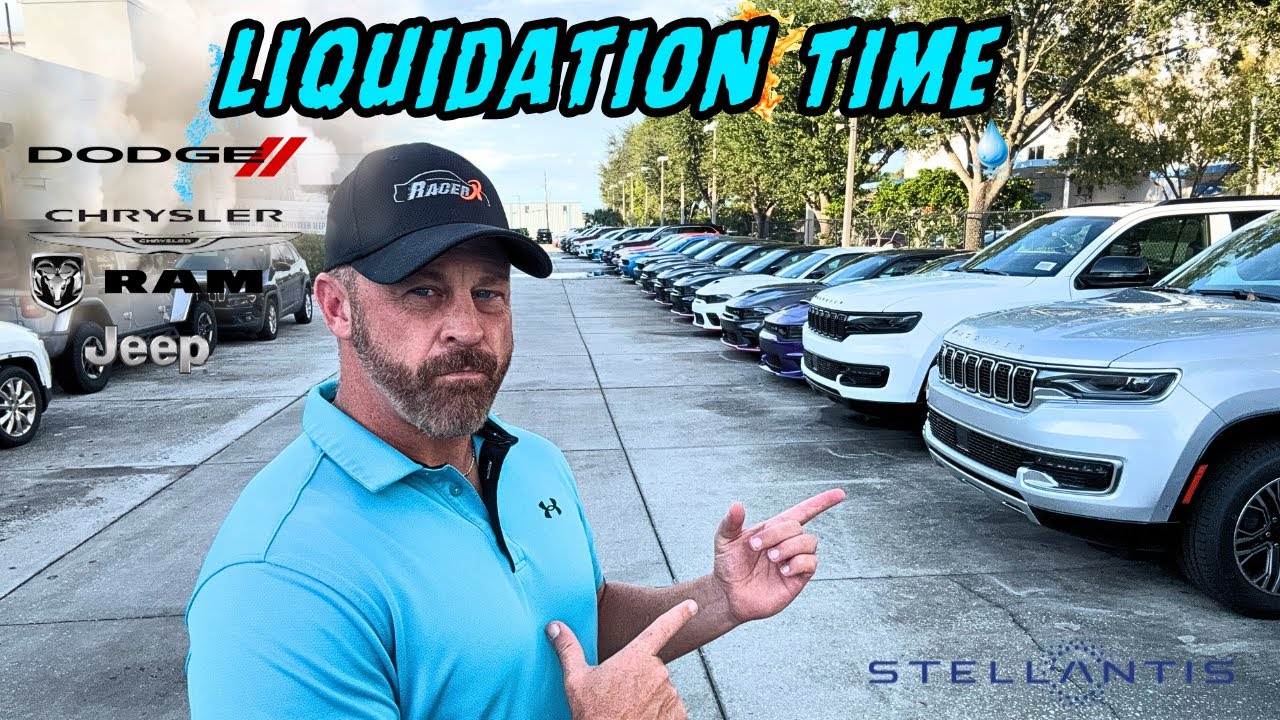
Equally concerning is Jeep's current problem with an oversupply of vehicles. The situation stems from Stellantis' strategy that has pushed various models into the luxury segment. Midway through 2023, Jeep had a stockpile of vehicles that could last for 77 days on dealership lots, which is significantly higher than the national average of 53 days across all automakers.
Because of this oversupply, dealerships have been forced to provide heavy discounts and promotions, leading to some dealers teetering on the edge of bankruptcy. In a bid to counterbalance these challenges, Jeep has begun reducing prices across its entire lineup and rolling out attractive incentives, like offering 0% financing to lure buyers back into showrooms. And guess what?
There's some hope on the horizon. Recent reports show that Jeep experienced a 28% jump in sales compared to August 2023 and an impressive 55% rise compared to July 2024. This upward trend suggests that their efforts might be starting to pay off, but this is just a struggle to survive.
Why? Because quality control issues have also deeply damaged consumer trust in Jeep. So, it is only a matter of time until everyone notices that behind those incentives there is a whole baggage of issues.
See, there have been some alarming reports about Wranglers catching fire while parked, which led to investigations by the National Highway Traffic Safety Administration. The brand's long-standing struggle with quality has been a recurring theme, and it's clear that immediate improvements are essential to regain consumer faith. Jeep's management team is aware of these pressing issues and is actively working on enhancing quality control measures to prevent incidents like these from happening in the future.
But is it enough? These customers typically value affordability and the rugged nature that Jeep has always stood for, so the reemergence of competitors like the Ford Bronco means pressure on Jeep is way more than internal. The Bronco's successful comeback appeals to buyers looking for off-road capabilities paired with modern style—all at competitive prices.
This burgeoning competition has not only showcased Jeep's vulnerabilities but also highlighted the urgent need for a strategic re-evaluation of its market approach. But if you ask the people in Stellantis, they will tell you that despite these hurdles, there's a glimmer of optimism. Jeep's CEO, Antonio Filosa, remains hopeful about steering the brand toward a brighter future.
The company is rolling out a turnaround plan that focuses on reducing prices across the board, launching new models, especially electric options, and ramping up marketing efforts to reclaim lost market share. Filosa has set bold aspirations, aiming for Jeep to reach around 1 million annual sales in the U. S.
by 2027. However, realizing this ambitious vision demands overcoming considerable barriers related to consumer perception and shifting market dynamics. Words alone will not do anything, and the truth is, if you ask workers on the assembly lines, they will tell you a different story.
Let's dissect it together: a workforce pushed to the brink. All of this chaos is having a serious impact on its workers, with financial instability and operational hurdles at the forefront of the company's challenges. Employees are feeling the heat.
This environment has led to a growing gap between management and the workforce. At the heart of the ongoing turmoil lies a huge breach of trust between Stellantis and the United Auto Workers. Can you believe that nearly 98% of the union members have filed grievances against the company?
That's an overwhelming majority! The main reasons stem from Stellantis' failure to deliver on commitments regarding job security and investments in production facilities. Workers are getting more frustrated as they feel profits are being put ahead of their well-being, which only compounds feelings of betrayal and discontent among the ranks.
The United Auto Workers has been vocal in accusing Stellantis of not sticking to agreements made during past contract negotiations. For example, the company had promised to reopen the Belvidere Assembly Plant in Illinois and to funnel resources into new facilities. Unfortunately, those plans have now been indefinitely postponed due to what Stellantis refers to as market conditions.
Understandably, this unexpected turn of events has. . .
Ignited anger among employees who feel deeply misled and undervalued. Now, let's talk about the real-world impact of Stellantis's cost-cutting measures, because the effects are strikingly clear. Just recently, the company announced that nearly 2,450 workers at the Warren Truck Assembly Plant in Michigan would face indefinite layoffs due to halting production of the Ram 1,500 pickup truck.
This decision could mean that over 60% of the United Auto Workers-represented workforce at that plant might lose their jobs, creating an alarming number of individuals facing uncertainty. But that's not all; almost 200 workers at the Sterling Heights Assembly Plant are also experiencing layoffs as part of Stellantis's larger strategy to tackle intense external market conditions while still trying to keep vehicle prices affordable. It's worth noting that some of these laid-off employees will receive supplemental unemployment benefits and have their health care covered for a while.
However, the long-term consequences of these layoffs for the workers and their communities are deeply troubling. To make matters worse, there are unsettling rumors swirling about the potential relocation of production for models like the Dodge Durango out of the U. S.
This kind of uncertainty only adds fuel to the anxiety that workers are already feeling. So, what now? Well, in the middle of this chaos, the fear of a strike is looming large.
The relationship between Stellantis and its workforce has deteriorated to a point where tensions are at an all-time high. United Auto Workers President Shawn Fain has been quite vocal in his criticisms of Stellantis's leadership, particularly directing his eye at CEO Carlos Tavares for seemingly prioritizing executive paychecks over employee welfare. Fain has issued a strong warning: if Stellantis fails to address the Union's concerns about job security and their investment promises, the prospect of a national strike could soon become a reality.
If a strike happens, it could be a major blow for Stellantis, not just halting production but also worsening its inventory problems. This would add to the challenges the struggling automaker is already facing. The Union is prepared to use its power at this crucial moment, especially with Stellantis already seeing a drop in sales.
Global earnings are down 48% in the first half of 2024. The human aspect of Stellantis's crisis can be felt vividly through the personal stories of its employees. For example, Lori Naylor, a worker at the Warren Truck Plant, shared her worries about how colleagues will manage to support their families in the growing threat of impending layoffs.
Young workers, in particular, are feeling the pinch due to their limited seniority and lack of job security. Another worker identified as Pinson expressed his frustration over being reassigned without any prior notice. His experience highlights a glaring communication gap from management, one that seems to disregard the lives and responsibilities employees have outside of the workplace.
These stories collectively reflect a troubling sentiment among the workforce: fear, uncertainty, and feelings of betrayal are becoming increasingly widespread as employees navigate a challenging landscape that has been turned upside down. This future for Stellantis and its dedicated workers is anything but certain. This isn't just about cars anymore; it's about real people and their livelihoods.
The big question is: how will this all play out, and what steps can be taken to prevent more frustration within such a hardworking community? What's Jeep doing? Well, the direction in which Jeep heads is closely tied to the fate of its parent company, Stellantis.
This giant corporation, instead of addressing these dire issues, is jumping into what some are calling the electric gamble—a risky bet on which Stellantis has put its money where its mouth is, committing a whopping $46 million to retool three plants in Michigan for electric vehicle production. This initiative includes electrified versions of beloved models such as the Jeep Wagoneer and the Ram 1,500. Carlos Tavares says this investment is a strong signal of faith in the future of electric mobility and mirrors a broader industry trend toward electrification.
However, before we get too caught up in the excitement, we need to consider some pressing questions surrounding this bold strategy. First off, let's tackle the cost parity challenge. Transitioning to electric vehicles isn't as simple as flipping a switch; achieving cost parity with traditional internal combustion engine vehicles is no small feat.
CEO Carlos Tavares himself has underscored the complexities of making EVs affordable for the average consumer. If Stellantis can't roll out competitively priced electric Jeeps, there's a real risk that they might alienate potential buyers who see EVs as just too pricey compared to their gasoline-powered counterparts. And again, we have to think about brand identity alignment.
Jeep's brand is synonymous with ruggedness and adventurous off-road capability, which raises some eyebrows about whether this new electric direction will resonate with its core customers. Traditionally, Jeep has stood for adventure and durability. Could introducing electric models dilute this image?
Take, for instance, the forthcoming $25,000 Jeep EV. While it aims to appeal to budget-conscious buyers, only time will tell how well it embodies the brand's adventurous spirit that so many fans cherish. Let's also not ignore the concern regarding job security.
The shift towards electric vehicle production often raises eyebrows about job stability within Stellantis. While we hear about new technologies promising to create jobs, there's a lurking fear that these changes could actually lead to workforce reductions or a reshuffling of roles, which has already started. The atmosphere among employees is already charged with anxiety, especially in light of recent layoffs and buyout offers aimed at white-collar workers.
This uncertainty could foster distrust within the workforce, leading to a dip in morale that might further complicate the company's transition. No wonder that their reliability and consistency are taking a hit as Jeep tries to navigate this complex terrain. The stakes are incredibly high.
How will Stellantis adjust its strategy to overcome these challenges? Hurdles, and most importantly, can they do all this while maintaining the trust and safety of their workforce? The next few months will be crucial in determining not just Jeep's future, but the future of the entire American automotive sector.
The world is watching, and Jeep is at a defining moment, where its choices today will carve the path for tomorrow. Will they succeed in staying? Well, it doesn't look like it, and one major reason we haven't talked about is the EV price war.
The ongoing electric vehicle price war is significantly impacting Stellantis, which has publicly stated its reluctance to engage in aggressive price cuts to remain competitive. CEO Carlos Tavares has characterized the situation as a bloodbath, warning that if automakers follow the lead of companies like Tesla in slashing prices, it could lead to a collapse in profitability across the industry. Stellantis has opted to maintain its already low margins rather than enter a race to the bottom—a strategy that could leave them vulnerable as competitors aggressively pursue market share through lower pricing.
This cautious approach reflects broad concerns about maintaining financial health amidst a rapidly changing automotive landscape. Stellantis's financial performance has already shown signs of strain, with the company reporting a 48% drop in net profit for the first half of 2024 compared to the previous year. The decline was attributed to reduced sales volumes, particularly in North America, where market share has been slipping.
The company's adjusted operating income fell significantly, highlighting operational challenges and the impact of lower demand for their vehicles. As Stellantis grapples with these issues, the pressure from the EV price war exacerbates their difficulties, forcing them to navigate a precarious balance between maintaining profitability and staying competitive in an increasingly crowded market. So, what is the proposed solution for this?
A billion-dollar Band-Aid! Imagine a massive $1 billion government bailout aimed at helping Stellantis smoothly transition to electric vehicles. Sounds great, right?
Well, while this financial boost could offer some much-needed support, it's essential to understand that it's not a miracle solution for all of the company's problems. Critics are urging caution, reminding us that this cash injection doesn't erase the challenges Stellantis faces; instead, it merely scratches the surface. Think about the scale of the challenge that Stellantis is struggling with: the company is grappling with numerous issues that go far beyond just needing funds.
There are dwindling sales numbers, overflowing inventory, and a host of disputes with the workforce—all significant hurdles that demand more than mere financial help to resolve. For instance, Stellantis has recently reported a shocking 48% drop in its net income during recent quarters. This stark figure underscores how urgent it is to not only address the financial aspects but also the deeper problems lurking beneath the surface.
Now, let's not forget the unfortunate reality of continued layoffs. Despite the generous government support pouring in, Stellantis is using this time to increase their handing out of buyout offers to employees. This situation raises red flags regarding the company's real commitment to preserving jobs and keeping its operations running smoothly in the U.
S. It's particularly concerning given the backdrop of labor unrest stemming from unfulfilled promises in union contracts. All of this could make the rocky road ahead even tougher, and this shift raises concerns among United Auto Workers officials, who fear that excess production could be moved to a facility in Mexico.
The Saltillo plant in Mexico has historically produced various Ram models, including heavy-duty and commercial versions. Stellantis CEO Carlos Tavares has expressed concerns about the production efficiency at U. S.
plants, particularly regarding the direct run rate, which measures the number of vehicles needing repairs after assembly. Tavares noted that issues such as high repair rates and misalignment between production and demand have created operational challenges. As a result, there is speculation that some of the Ram 1500 production could be shifted to Mexico after the current United Auto Workers contract expires in 2028.
In addition to potential shifts in conventional truck production, Stellantis is also planning to produce hydrogen-powered versions of its larger Ram trucks in Mexico. The company aims to expand its hydrogen vehicle lineup significantly over the next few years, with expectations of producing over 100,000 units annually by 2030. This move aligns with Stellantis's broader strategy to enhance its presence in the commercial vehicle market while addressing environmental concerns.
But all of this is if they survive. Look, we need to talk about the daunting thought: bankruptcy or brand closure. As Stellantis navigates these murky waters, there are several concerning factors that make this unsettling possibility more real.
For one, there are sustained financial losses that raise significant questions about the long-term viability of the company. With ongoing declines in sales coupled with climbing operational costs, if these negative trends keep going unchecked, the company could further erode its brand value and market presence. And if workers decide to walk out, it could effectively impact production capacity.
Such a disruption wouldn't just hurt operational efficiency; it could also further damage an already fragile financial situation. Remember the last time the United Auto Workers did this? It was chaos.
So while the government's billion-dollar bailout offers a glimmer of hope, it's essential to recognize that it's only a temporary fix—like a Band-Aid on a much deeper wound. And the worst part? After this, the company might just abandon the U.
S. entirely. But again, that is if they survive it.
So, what do you think? Do you think they will rise to the occasion? That's a question we'll all be waiting to see answered.
Let us know in the comments. Thanks for watching, and I will see you on the next video!