rumor has it that tardigrades have DNA from unknown sources can that even be [Music] possible hey everyone I'm here with Dr Meg lman from the California Academy of Sciences here in San Francisco and we're going to take a deeper look at the mysterious Tiny World of Tarter grades welcome thanks for joining us thank you what fun to be here and talk about my favorite subject yes all right let's get right into it so first of all do you have a favorite pet name for tarter grades do you like water bears or Moss piglets oh I
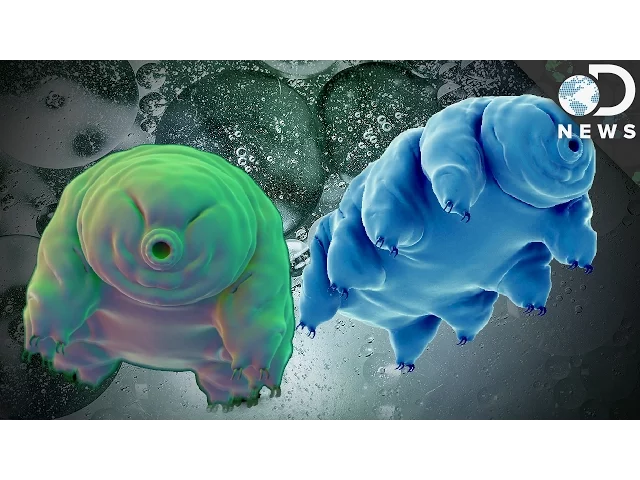
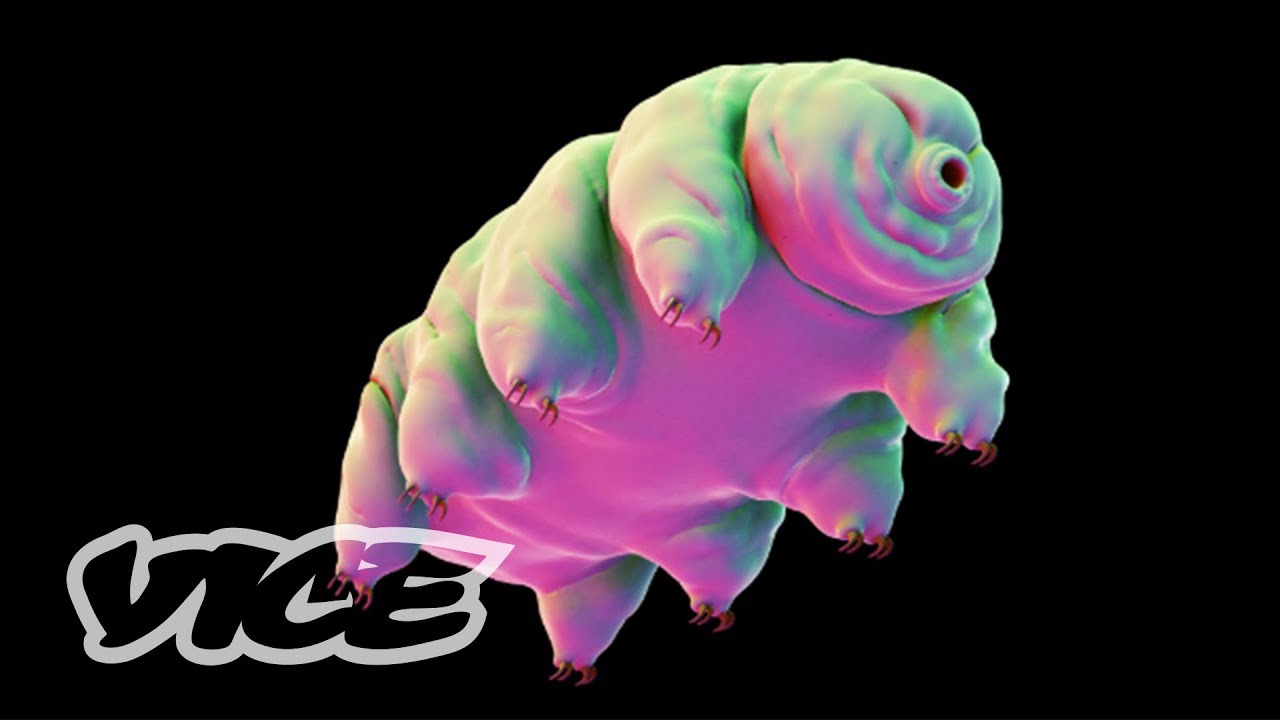
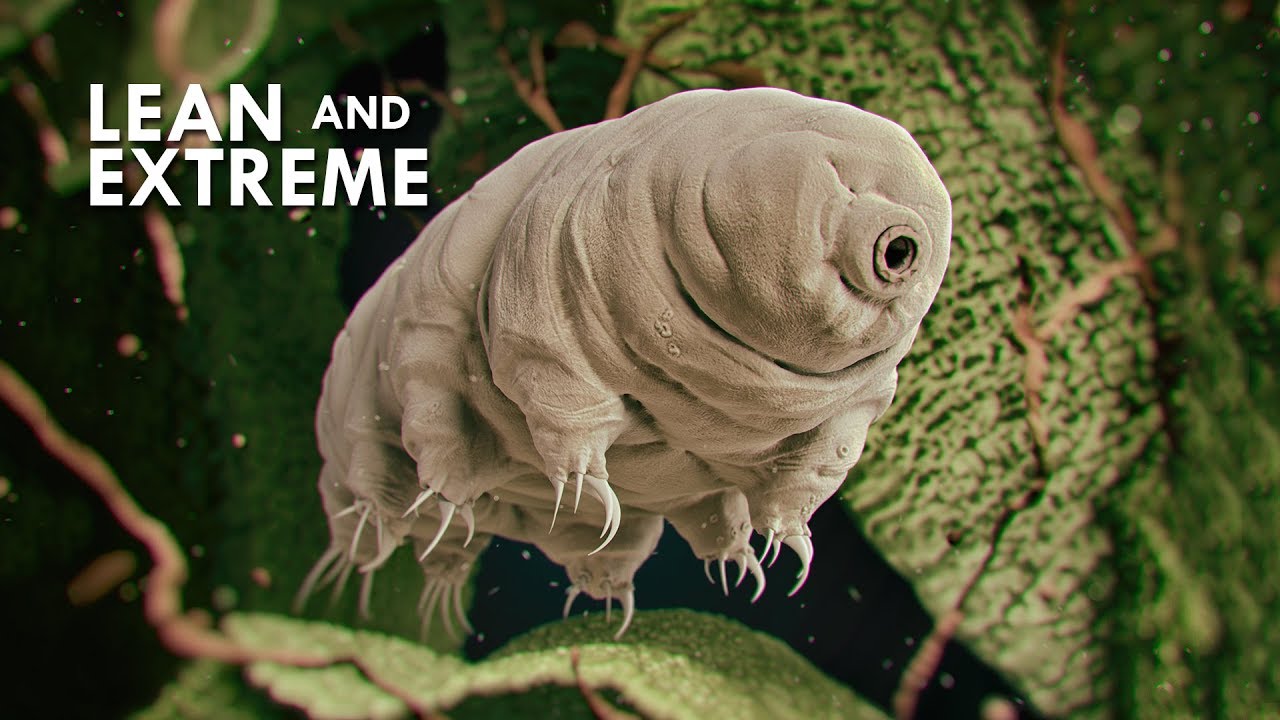
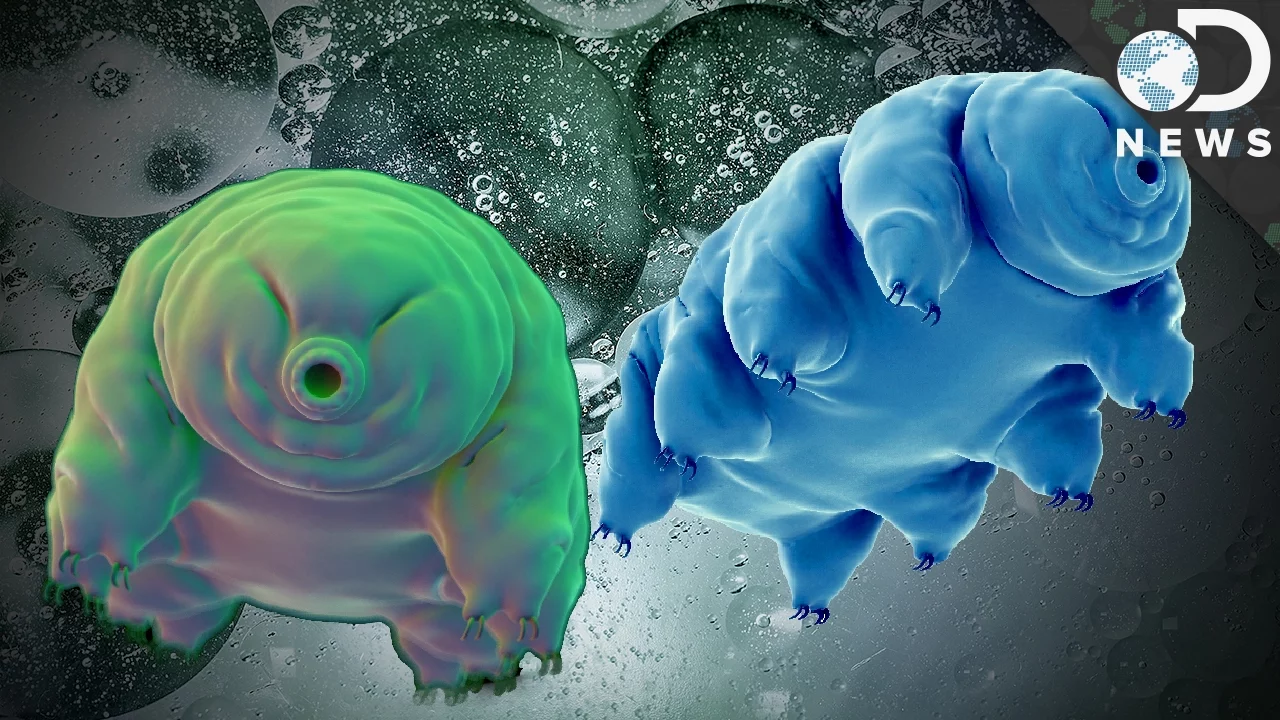
love water bear because it's so cute but that means slow Walker technically tardigrade and Moss piglet is kind of a fun name isn't it when you need to get someone's attention I brought one to share with youin little lifelike but kind of large and they're not really blue but they are cool aren't they what do they actually look like you can't see them with the human eye right correct I think about 20 could fit on my little finger technically a few are large enough that you could see if you had a hand lens um but
usually it requires a microscope to see them and that's what's so cool we hardly know anything about them what are some of the most interesting facts about them they are number one extremophile in fact that means they can live in extreme places they can live in really cold climates they can live in hot springs they can go in outer space they sent some on one of the NASA flights and they even had babies up in space so they're just totally able to go in a little ball sometimes which is called cryptobiosis and then stay in
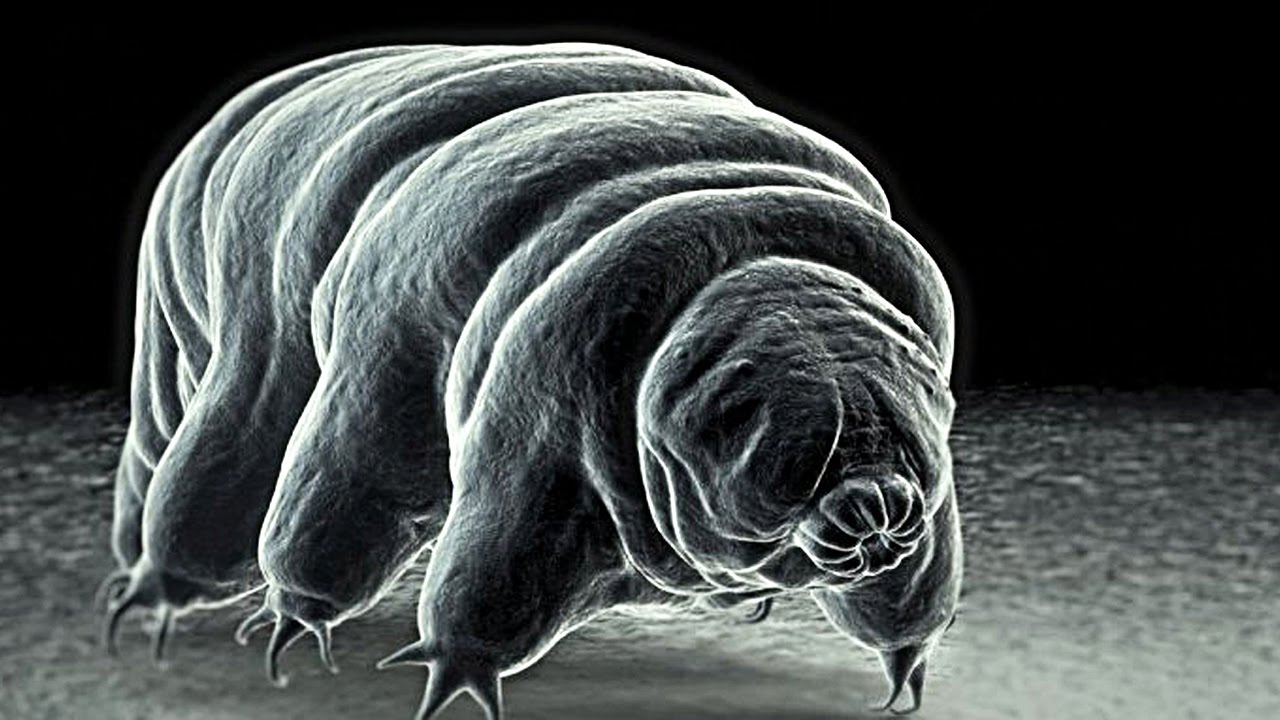
that stage for even over a hundred years we've been able to find them in dried plant collections that are over a hundred years old by putting a drop of water on them and having them come back to life so if I were to look at one of these little guys underneath a microscope what would I see right so if you looked under a microscope you would say oh it's so cute I'm sure you would but they do have four pairs of legs they have what appears to be a face but obviously it's not the same
sense as we have they don't totally see but they do have the rudiments of most systems digestion and circulation etc etc they have sections um some are really flat some are very very puffy um so they have a lot of variation in their shape and even in their size uh but they're kind of situated between nematodes and arthropods and so people don't know quite what to do with them they're just so unique that way can you tell us a little bit about their mysterious foreign DNA right so this new discovery by a team at uh
University of North Carolina in Chapel Hill has found that they have up to 18% foreign DNA and in this case scientists are speculating that because tardigrades are such extremophiles they are in a condition sometimes where the membranes have uh breakage the DNA is splitting there are all these different wild and wonderful possibilities of how foreign DNA could get into them more than say other organisms yeah I've seen a couple of the headlines use the word alien DNA but it's not really alien DNA I think that was to get your attention I definitely clicked on those
links right and I did check on that too and the foreign means it's not waterbear DNA it's probably algae that they live with or it could be fungi that's in the droplets of water that they're kind of floating in and in the neighborhood of their environment but certainly not their own DNA which is kind of cool so let's get back to the idea of tardigrades in space did were they attached to the satellite intentionally or were they just hitching a ride uh they did they were attached intentionally there have been some really cool experiments some
of which were fostered by school kids wondering about that question because tardy grades are so extremophile could they survive in outer space and Technic Al they are the only creature that has been known to go into outer space come back and have all of the same qualities and characteristics of life that one would hope so technically that's a very cool thing to think about could they have come from somewhere else could they be going to another planet you know that really brings to mind a lot of creative thinking about extraterrestrial life thanks so much Dr
Lan for joining us today and where can our viewers find you so I work at the California Academy of Sciences you can always find me there just ask for the tree climbing lady uh I do have a website www.c canopy.com and a Twitter handle which is canopy Meg so I always have a lot of water bear information popping up on those sites um but I would love to have young visitors come over to the academy and meet some of my fellow scientists I also love octopuses check out this video where Trace learns how these creatures
change color right here most of their skin uh can change shape texture and color so they have muscles in their skin that will push out these little flaps of skin uh in so they can look spiky or they can look like a rock or like algae so what do you think are Tarter grades cute or hideous you better think they're cute sound off down in the comments below don't forget to hit those like And subscribe buttons and keep coming back to DS so you don't miss a single episode [Music]