[Music] today across CBS News we've been taking an in-depth look at America's mental health crisis we call our initiative stop the stigma nearly four million people in this country with severe mental illness go untreated they are 16 times more likely to be killed during an encounter with police Omar Villafranca shows us how one city is trying to change that there's a guy on River Road what I think would benefit from having coats when a mental health related 911 a specialized team in Eugene Oregon rolls out pretty much everybody we see is for wandering than other
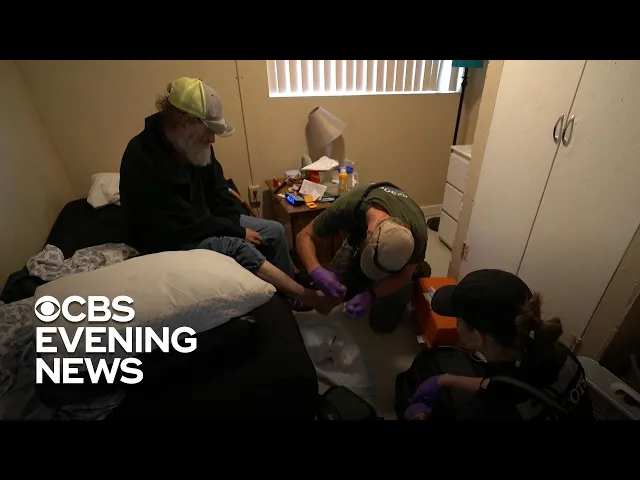
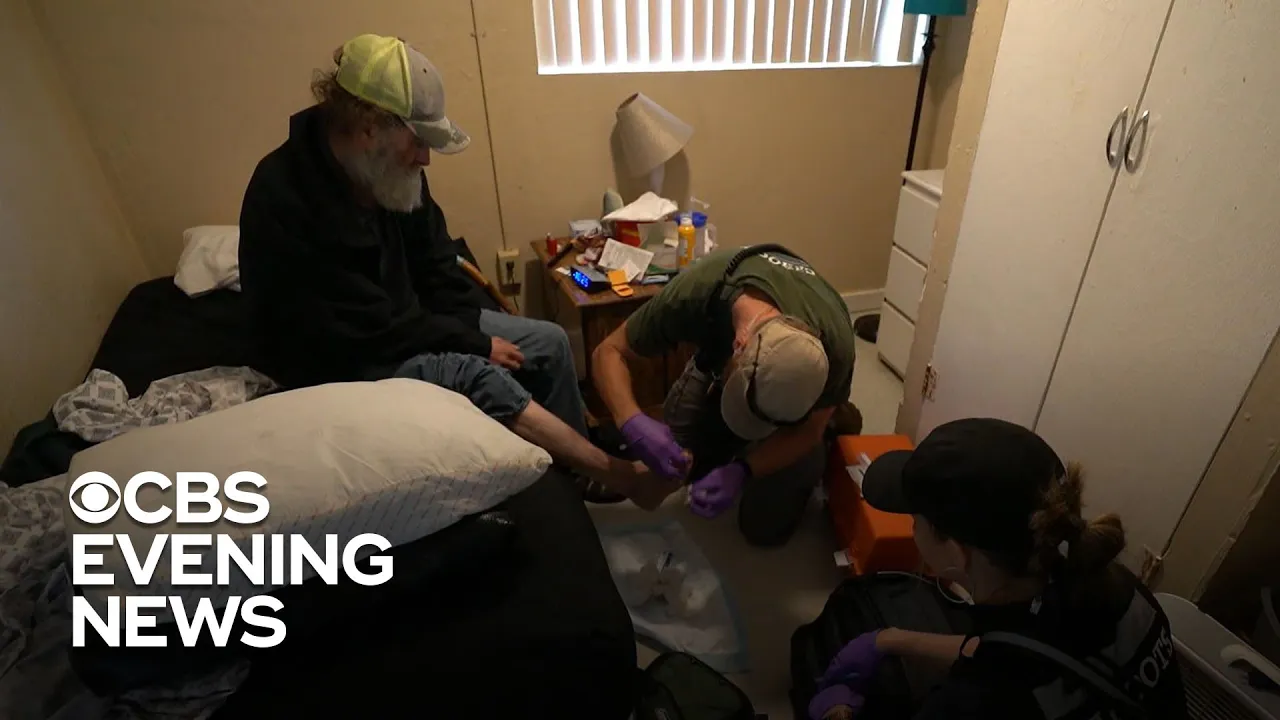
in a state of crisis Manny Walker is a medic and Laurel esophagus is a mental health crisis manager the pair are members of cahoots crisis assistance helping out on the streets they answer calls like suicide interventions and overdoses they're unarmed and most of the time without police backup they took our CBS crew on an exclusive ride-along their first call was for a woman they met before they believe she's schizophrenic she told us her name was Kayla would you rather deal with someone with cahoots or like a uniformed police officer [Applause] they like don't you know
help you when you're on the timing meter when you're hungry or certain things like that cahoots was founded in 1989 last year they responded to nearly 23,000 calls in Eugene and Springfield Oregon Denver is starting their own version of cahoots city leaders from Oakland Olympia Washington and even New York City are all considering similar pilot programs Tim black is cahoots operations coordinator we handle almost 20% of the entire external Public Safety volume four for our area but there was such a dramatic need coming in through the 9-1-1 and non-emergency liens that there was a need
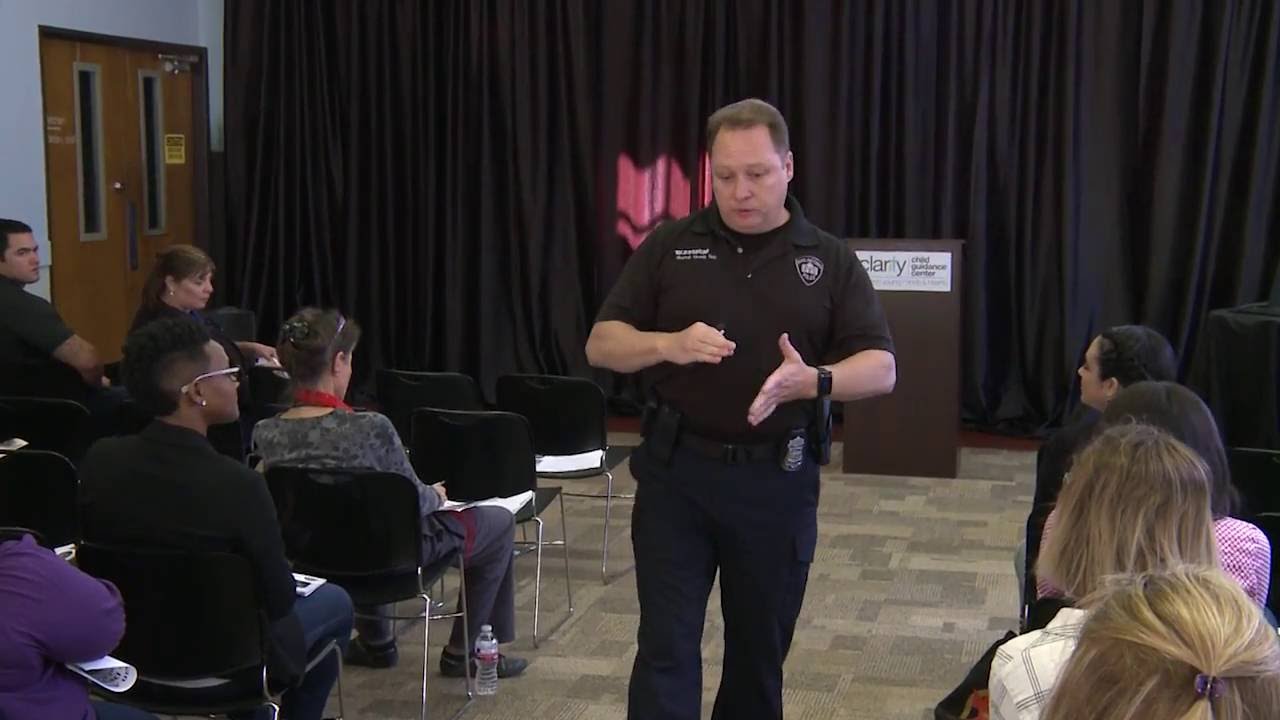
for there to be this kind of behavioral health first response cahoots team members are trained to de-escalate when responding to a mental health crisis a recent study found 25 to 50 percent of fatal officer-involved shootings involves someone with a severe mental illness eugene's police chief Kris Skinner they don't need jail what they need is they need to be able to be de-escalated from their crisis they need a ride to a mental health facility or to a medical care facility or wrapped around the services that's what the people need they don't need to be going to
jail every time a new way to protect and serve and maybe save a life Omar Villafranca CBS News Eugene Oregon and there is much more CBS News coverage on the mental health crisis tonight on CBS News radio and our digital platform CBS n and CBS news.com