Despite their unique gifts and talents, INTPs often face a number of challenges in their personal and professional lives. Here are Challenges INTPs Have and How To Overcome Them. Social awkwardness: INTPs are introverts who are often more comfortable in their own thoughts and ideas than in social situations.
They may struggle to understand social cues and may come across as aloof or uninterested in others, leading to difficulties in building and maintaining relationships. INTPs can work on their social skills by practicing active listening, making eye contact, and asking open-ended questions to show interest in others. They can also try to identify and understand common social cues and norms.
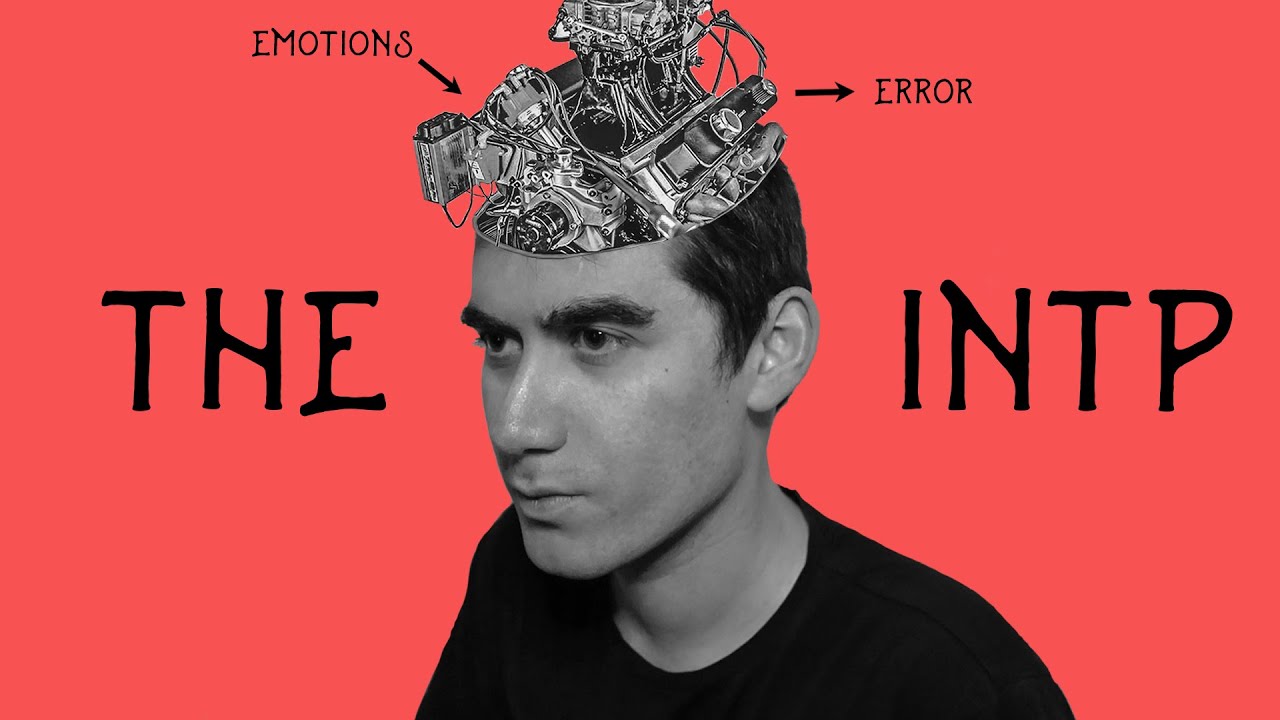
Difficulty in expressing emotions: INTPs are logical and analytical, which can make it challenging for them to express their emotions effectively. They may struggle to understand their own emotions, let alone communicate them to others. INTPs can work on expressing their emotions by learning to recognize and understand their feelings.
They can also practice expressing their emotions through writing or speaking to a trusted friend or counselor. Impatience with inefficiency: INTPs are highly efficient and value logic and above all else. They may become frustrated with people who do not think or act in a logical and efficient manner, which can strain their relationships.
INTPs can overcome their impatience with inefficiency by practicing empathy and understanding. They can try to see things from others' perspectives and recognize that different people may have different ways of thinking and working. They can also set realistic expectations and try to be more patient and flexible.
If you are enjoying our content, please give this video a like, subscribe to our channel and do not forget to turn on the notification bell. Difficulty making decisions: Despite their analytical skills, INTPs may struggle with making decisions quickly. They enjoy exploring multiple options and considering all the possibilities before making a decision, which can lead to indecision and procrastination.
INTPs can overcome their indecisiveness by setting a deadline for themselves and sticking to it. They can also try to simplify their decision-making process by focusing on the most important factors and weighing the pros and cons of each option. Resistance to change: INTPs are creatures of habit and may resist change, even when it is necessary.
They may become attached to their ideas and theories and may struggle to adapt to new situations or perspectives. INTPs can work on embracing change by being open to new ideas and perspectives. They can also try to view change as an opportunity for growth and learning, rather than a threat.
Difficulty with practical tasks: INTPs enjoy exploring abstract concepts and ideas, but may struggle with practical tasks that require hands-on experience or attention to detail. They may also struggle with mundane tasks and may procrastinate when it comes to completing them. INTPs can improve their practical skills by taking on tasks that require hands-on experience, such as volunteering or taking a course in a practical skill.
They can also try to break down large tasks into smaller, more manageable steps to make them less overwhelming. Struggling with relationships: INTPs may struggle to connect emotionally with others, leading to difficulties in relationships. They may also have trouble understanding the emotional needs of others, which can lead to conflicts.
INTPs can work on building emotional intelligence by understanding their own emotions and the emotions of others. They can also practice active listening and expressing empathy to build stronger relationships with others. Overthinking: INTPs are known for their analytical and logical thinking, but they can also become too caught up in their own thoughts and overthink situations.
This can lead to indecision and stress. INTPs can learn to manage their overthinking by setting aside designated times for reflection and then focusing on the present moment during the rest of the day. They can also practice mindfulness techniques, such as meditation, to stay grounded in the present moment.
Difficulty with follow-through: INTPs may struggle with follow-through, as they enjoy exploring new ideas and concepts but may struggle with bringing their ideas to fruition. INTPs have a hard time sticking to a regular schedule and dislike being forced to follow other people's rules and expectations. They are drawn in numerous directions, and their thoughts might become so absorbed in them that they lose track of time.
Following a schedule isn't natural for the INTP, and it can be difficult for them to do at times in the workplace. They may also have trouble completing mundane tasks, which can impact their productivity and success. INTPs can improve their follow-through by setting clear goals and breaking down larger projects into smaller, manageable tasks.
They can also seek support from a coach or accountability partner to help keep them on track. Challenges in a structured work environment: INTPs may struggle in a structured work environment that requires them to conform to specific rules and procedures. They may prefer a more flexible, creative work environment where they can explore new ideas and theories.
INTPs can find ways to work within a structured environment while still allowing room for their creative and innovative thinking. They can also look for work environments that value creative thinking and offer opportunities for growth and development. Difficulty communicating complex ideas: INTPs may have trouble communicating their complex ideas and theories to others who may not have the same level of understanding.
They may also struggle with conveying their ideas in a clear and concise manner. INTPs can improve their communication skills by simplifying their ideas and using clear, concise language. They can also seek feedback from others to understand how their ideas are being received.
Sensitivity to criticism: INTPs are highly intelligent and logical individuals who value their own ideas and theories. They may become sensitive to criticism, which can impact their confidence and self-esteem. INTPs can work on developing a thick skin and learning to accept constructive criticism as a way to grow and improve.
They can also practice self-compassion and remind themselves of their strengths and accomplishments. Finding the right career path: INTPs may struggle to find a career that fits their unique interests, strengths, and skills. They may also have trouble choosing between multiple career options or feel unsatisfied with their current career.
INTPs can explore their interests and strengths by taking personality assessments, talking to a career counselor, and conducting informational interviews. They can also experiment with different career options through internships, freelance projects, or starting a side business. Balancing work and personal life: INTPs may struggle to balance their work and personal life, as they have a tendency to become consumed by their interests and projects.
This can lead to burnout and neglect of their personal relationships. INTPs can prioritize their personal life by setting clear boundaries between work and personal time and by engaging in self-care activities such as exercise, hobbies, and socializing with friends and family. They can also seek support from a therapist or coach to help them manage stress and maintain a healthy work-life balance.
Maintaining motivation: INTPs may have trouble maintaining motivation and focus, as they easily become bored by routine tasks and may have trouble staying committed to long-term projects. INTPs can maintain motivation by seeking out new and challenging projects, setting clear and achievable goals, and seeking out supportive and like-minded colleagues. They can also engage in personal development activities, such as attending workshops or conferences, to stay inspired and motivated.
Interpersonal conflict: INTPs may have difficulty working with others and may struggle with interpersonal conflict due to their direct and honest communication style. They may also struggle to understand the perspectives of others and may come across as insensitive. INTPs can improve their interpersonal skills by practicing active listening and empathy, seeking feedback from others, and being open to differing perspectives.
They can also work on being more aware of their own communication style and finding ways to adapt to different communication styles in the workplace. These videos will be really helpful for you!