RESISTANCE TO SCIENCE EPISODE 1: RESEARCHERS UNDER THREAT In October 2018, an anonymous letter was sent to the student council office at the Federal University of Pará. It was a threat: A promise to exterminate LGBTQ+, black and activist students. In November 2017, three teachers from the Federal University of Bahia were threatened because of research they had conducted on the sexual division of labor.
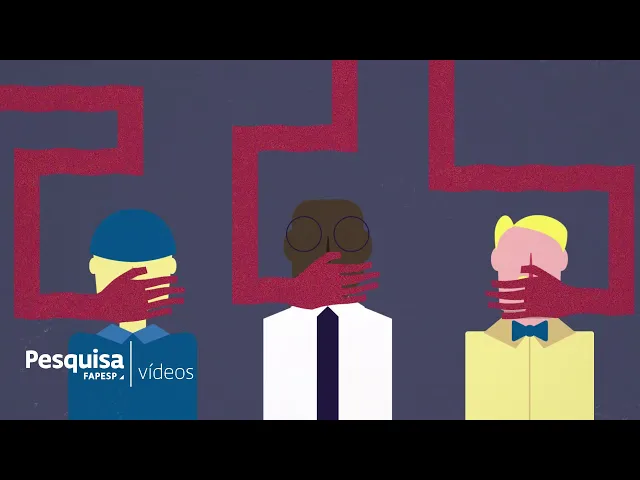
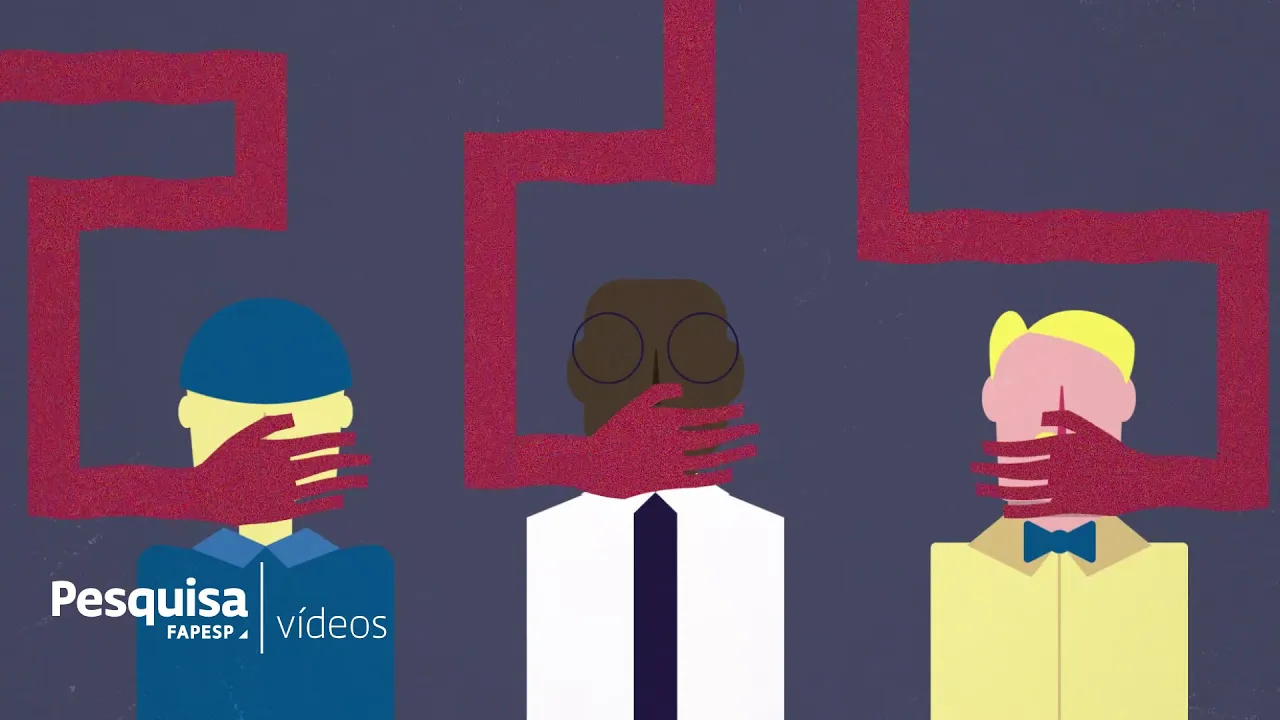
Unfortunately, these aren't isolated cases. Every year, hundreds of students, researchers, teachers and staff members at higher education institutions around the world are threatened because of their research activities or political engagement. Between September 2017 and August 2018, the victims of intimidation, physical violence or murder, in 47 countries, totalled at least 294.
There are several cases in which authorities use their powers of detention, or take other coercive measures, against research activities. In Turkey, in May 2018, public prosecutors opened a criminal investigation against Akdeniz University researcher Bülent Şik, a public health and food safety expert. The investigation was launched after the researcher published a series of articles in a local newspaper about the high level of agrochemicals and heavy metals found in the food and drinking water in cities throughout the country.
Şik was accused of violating the penal code and risks being accused of terrorist acts by Turkish authorities. There are also cases involving extremist groups, such as the one which occurred in October 2017, in Kenya. Shooters ambushed a Technical University of Mombasa staff car.
Two professors were killed. Local authorities suspect that the attack was carried out by the Islamic terrorist group al-Shabab. To protect themselves from threats, researchers must plan accordingly before heading out to the field.
Contact people in the region which is to be visited to familiarize yourself with local risks and customs. Inform your country's consulate of your arrival and tell them what you mean to do. Notify them of your itinerary and the location of your accommodation.
Avoid engaging in political discussions in places where the consequences of voicing your opinion are unknown to you. Always get previous authorization from landowners or factions that control the region you'll be working in. The Free to Think report shows that there are many risks related to freedom of thought, and that there is no shortage of threats against higher education institutions and researchers.
In Brazil and all over the world, cases such as these point to the importance of ensuring academic freedom.