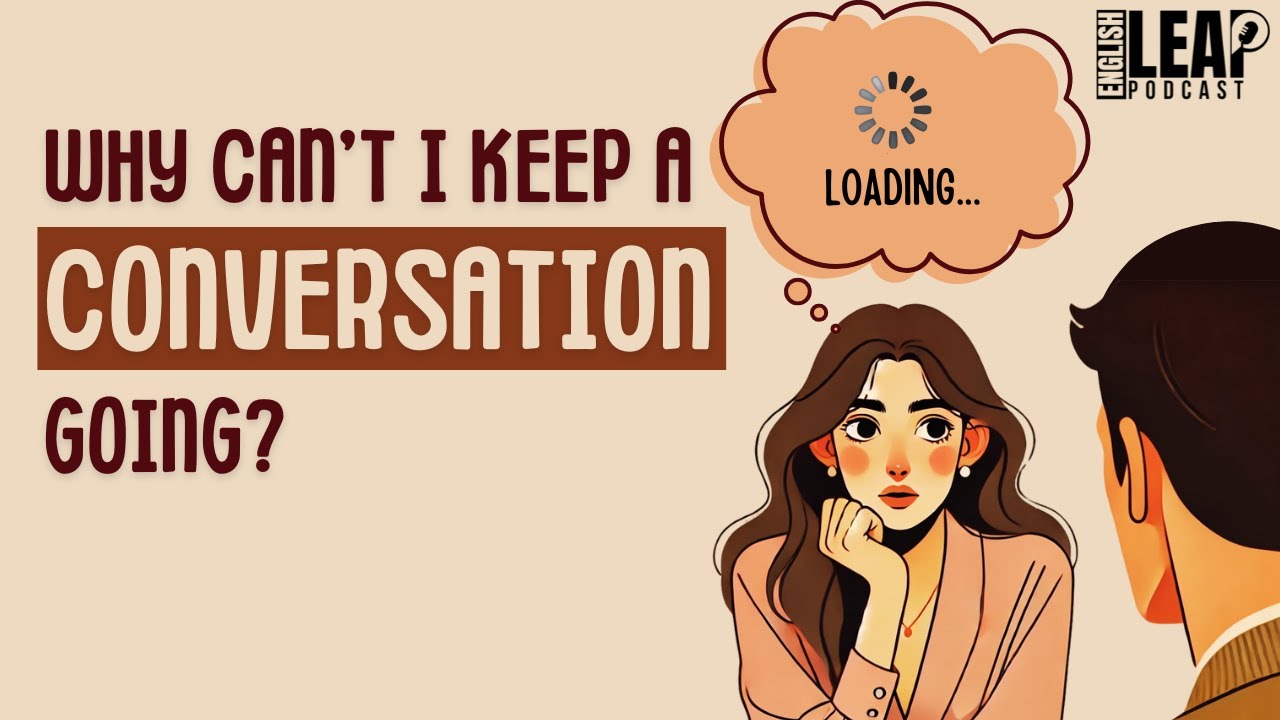
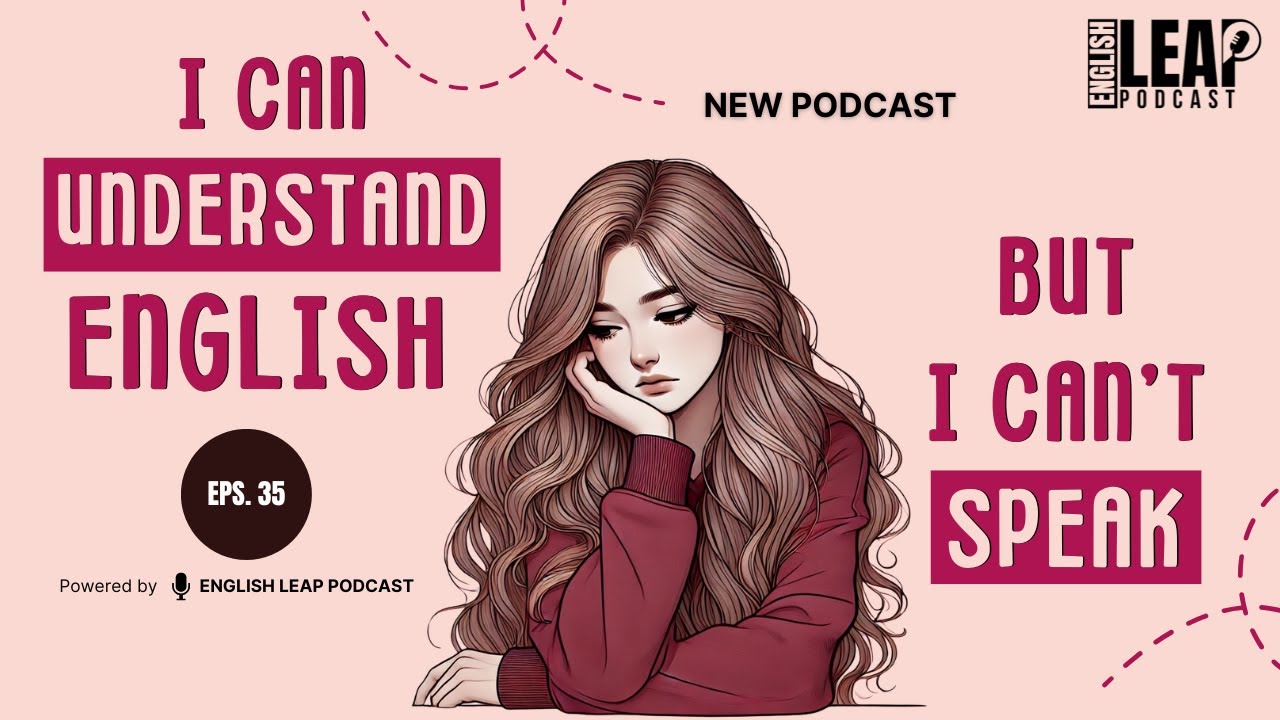
hi everyone and welcome back to another episode of speak English with class I'm Jennifer and I'm Marco today we're diving into a topic that I'm sure hits close to home for a lot of you my mind goes blank when I try to speak English oh this one's a biggie Marco you know it's that moment when you're all set to speak English you've rehearsed what you're going to say maybe even practiced in your head but as soon as you open your mouth nothing your mind just goes blank exactly it's like your brain decides to take an
unplanned vacation just when you need it the most you know Jennifer mm this reminds me of the time I had my first job interview in English I had prepared so much even rehearsed answers in front of the mirror but when the interviewer asked me the first question my mind went completely blank I just stared at him like a deer in headlights oh no Marco what did you do well I panicked for a second but then I just blurted out I'm sorry could you repeat the question it bought me a little time to gather my thoughts
and I was able to get through it but man that was nerve-wracking uh-huh that's such a relatable story I had a similar experience when I first moved to Paris I was in a bakery and I wanted to order a croissant simple right mhm but when it was my turn I just froze my mind went completely blank and I ended up pointing at the display and saying one of those please the baker gave me the funniest look that's priceless it just goes to show that no matter how prepared you are sometimes your brain just decides to
take a break but don't worry today we're going to explore why this happens and share some practical tips to help you keep the conversation going even when your mind seems to check out absolutely so if you've ever found yourself in this situation keep listening because we've got some great strategies to help you stay cool and confident when speaking English all right let's get into it first things first Jennifer why does our mind go blank when we try to speak a foreign language especially English well Marco it's usually a combination of nerves and cognitive overload when
you're trying to speak a language that's not your native one your brain is doing a lot of work it's processing grammar vocabulary pronunciation and all of that in real time if you add a little pressure like speaking in front of someone or trying to impress your boss your brain can just freeze up it's like trying to run multiple apps on an old computer eventually something's going to crash that makes total sense it's like trying to juggle too many balls at once eventually one or two are going to hit the ground and let's be honest the
fear of making mistakes doesn't help either you're so worried about saying the wrong thing that your brain just says you know what I'm out of here exactly so let's talk about how to overcome this blank mind syndrome one great tip is to prepare some go-to phrases in advance think of them as your safety net if your mind goes blank you can can rely on these phrases to keep the conversation going for example if you're struggling to find the right words you could say let me think about that for a moment or I'm not sure how
to say this but these phrases buy you time and keep the conversation flowing that's such a useful tip it's like having a Lifeline when you're stuck let's try a quick example imagine you're in a meeting and someone asks for your opinion on a project instead of panicking you could say that's a great question let me take a second to gather my thoughts this gives you a moment to breathe and think before diving into your answer exactly and here's another tip practice speaking in low pressure situations the more you practice the more comfortable you'll get start
by talking to yourself in the mirror narrating your day or even chatting with a pet for example you might say I'm making breakfast now I need to fry some eggs and make coffee these low pressure situations help you get used to speaking without the fear of judgment that's a great way to build confidence I remember when I first started learning Italian I would practice by narrating everything I was doing I'd say things like now I'm brushing my teeth or I'm going to the store to buy some bread it felt a bit silly at first but
it really helped me get used to forming sentences in Italian that's a great example Marco and if you want to make it even more fun try shadowing exercises this is where you listen to a native speaker and repeat what they say as closely as possible it's like being their shadow you copy their pronunciation intonation and Rhythm let's say you're watching an episode of your favorite show in English pick a character and try to mimic everything they say this not only helps with pronunciation but also with fluency oh I've done that before I used to Shadow
characters from TV shows to practice my English accent I remember trying to mimic Joey from Friends you know with his famous line how you doing it was a lot of fun and it really helped me improve my accent and intonation that's awesome marco and speaking of tools here's another essential tip focus on the message not the exact words sometimes we get so caught up in trying to find the perfect word that we lose sight of what we're trying to communicate remember the goal is to get your message across let's say you forget the word refrigerator
instead of freezing up you could say the thing in the kitchen that keeps food cold it might not be perfect but it gets the point across that's a great Point Jennifer it reminds me of the time I was trying to describe a microwave in Spanish I couldn't remember the word so I said the box that makes food hot quickly the person I was talking to laughed but they understood what I meant it's all about improvising when necessary exactly and that brings us to another key tip learn to breathe and slow down when your mind goes
blank it's easy to start rushing or getting flustered but slowing down gives you time to think and reduces the pressure for instance if you're giving a presentation and lose your train of thought just pause take a deep breath and then continue your audience will appreciate the clarity and you'll feel more in control yes speaking slowly can make a huge difference you're not in a race so take your time and here's a fun tip use humor to diffuse the situation if you forget a word or stumble laugh it off for example if you mix up desert
and dessert you could say well I guess I was craving sand instead of cake it takes the pressure off and shows that you're confident enough to handle mistakes that's such good advice and honestly most people will appreciate your effort and won't mind if you make a few mistakes they might even help you out by suggesting the word you're looking for exactly and here's something else to remember visualize success before you speak take a moment to picture yourself confidently having the conversation visualization can be a powerful tool to help reduce anxiety and boost your confidence imagine
yourself in a meeting speaking fluently and engagingly and your mind is less likely to freeze up when the time comes visualization is such a powerful technique it's like rehearsing in your mind before the actual performance and speaking of preparation let's not forget the importance of expanding your vocabulary sometimes our minds go blank simply because we don't have the words we need the more vocabulary you know the easier it is to express yourself for instance if you're learning words related to business make sure you know different ways to talk about profit losses negotiations and so on
this way you won't get stuck searching for the right word in the middle of a conversation that's a great point and one way to build your vocabulary is by reading regularly it doesn't have to be complicated texts even reading a short news article or a blog post each day can introduce you to new words and phrases then try to use those new words and sentences throughout the day for example if you learn the word negotiation you might say I have a negotiation with a client tomorrow even if you're just practicing by yourself absolutely and here's
another tip related to vocabulary group your new words into themes for example learn all the words related to cooking one week like stir boil bake and then practice them by talking about your favorite recipes mhm the next week you could focus on Words related to travel like luggage boarding pass departure and use them in sentences about a trip you've taken or planned to take themed vocabulary learning is a GameChanger it helps you remember words better because they're all related and you're more likely to use them together in conversation plus it's much more interesting to learn
vocabulary in context rather than just memorizing random words exactly and the more words you have at your disposal the less likely your mind will go blank so to all our listeners out there don't worry if your mind goes blank sometimes it happens to everyone even native speakers the the important thing is to keep practicing stay positive and use the tips we've shared today to keep moving forward yes remember speaking a new language is a journey and every conversation is a step in the right direction so be kind to yourself and don't be afraid to make
mistakes they're all part of the process and with that we're wrapping up today's episode we hope these tips help you the next time your mind goes blank while speaking English and we'd love to hear from you what tips or strategies have helped you in similar situations yes share your thoughts with us in the comments or on social media we're all in this together and your experiences might just help someone else thanks for tuning in to speak English with class keep practicing stay confident and remember you've got this until next time take care and keep speaking
English with class your progress doesn't end here to continue advancing your English skills click on the next video or explore the additional videos we've thoughtfully selected for you