magnetic characters printed on the checks could be read automatically by machines this was the key to Irma's high speed and account information was transferred to Reels of magnetic tape the bank was delighted Irma was more than 100 times faster than the best human bookkeeper and virtually error free now we think that Irma displaced thousands of bookkeepers well we created other jobs within the bank because of Irma I mean somebody had to handle all the reports coming back from the Irma centers somebody had to prepare the work going to the Irma centers there were other jobs
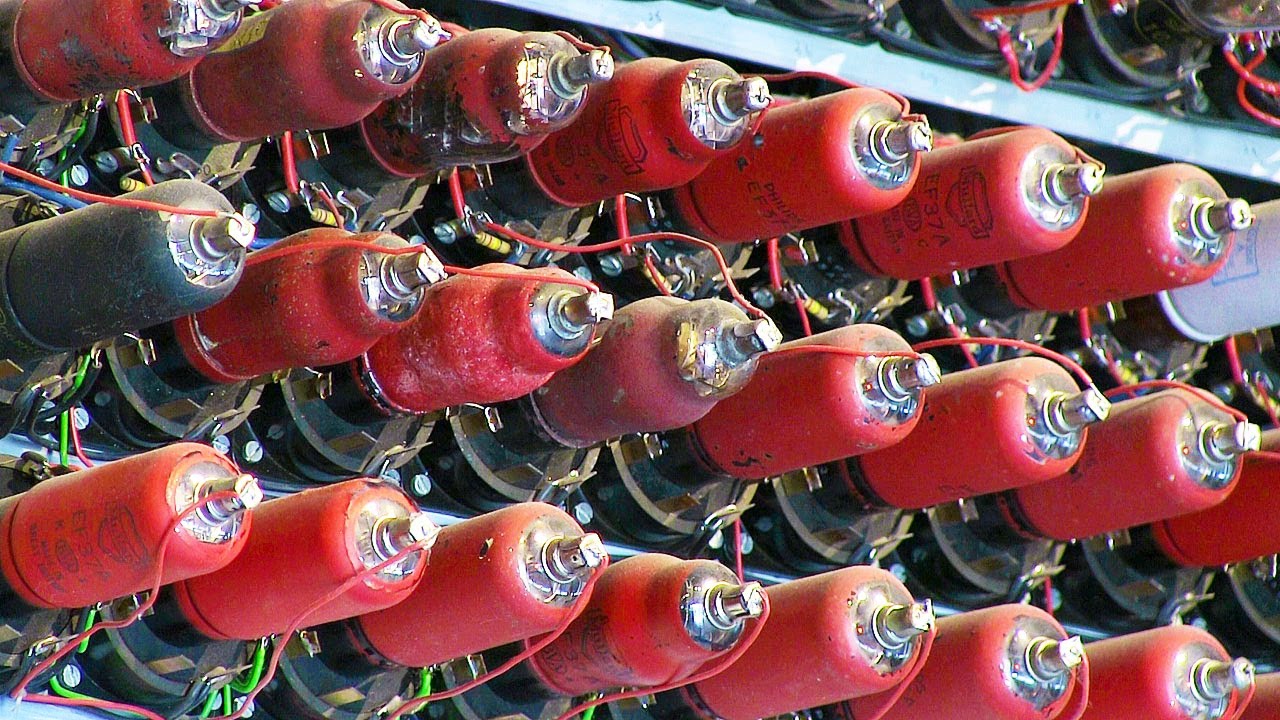
that were created that weren't quite as boring and tedious as being a bookkeeper computers like Irma did change the nature of people's work and some jobs were eliminated but these were prosperous times in Britain and America the fear of computers replacing human workers would slowly subside as employment continued to rise one industry that was experiencing unprecedented growth during the 1950s was manufacturing the component which made the computer possible the valve computers gobbled up valves as fast as the manufacturers could turn them out but the boom was about to come to an abrupt end radio [Music]
to most people the transistor meant small portable radios but the transistor itself was a tiny Electronic Component which some call the most important invention of the 20th century its inventors Walter brattin John Bine and William Shockley won the Nobel Prize in 1956 in the same year as the first transistorized computer went into production the valve or vacuum tube had been the main switching element in a computer circuit it was realized that the transistor could play precisely the same role the transistor was much much smaller than vac a vacuum tube for example perhaps uh a 50th
of size it it weighed about a 100 times less than a vacuum tube it gave off no heat uh it required a fraction of the electrical power that a vacuum tube needed the atlas built at Manchester in 196 2 was the ultimate transistorized computer at the time the most powerful computer in the world it could handle a million instructions every second connecting up the thousands of components created a wiring nightmare this problem which multiplied as the number of components increased became known as the tyranny of numbers until it was solved computers more powerful than the
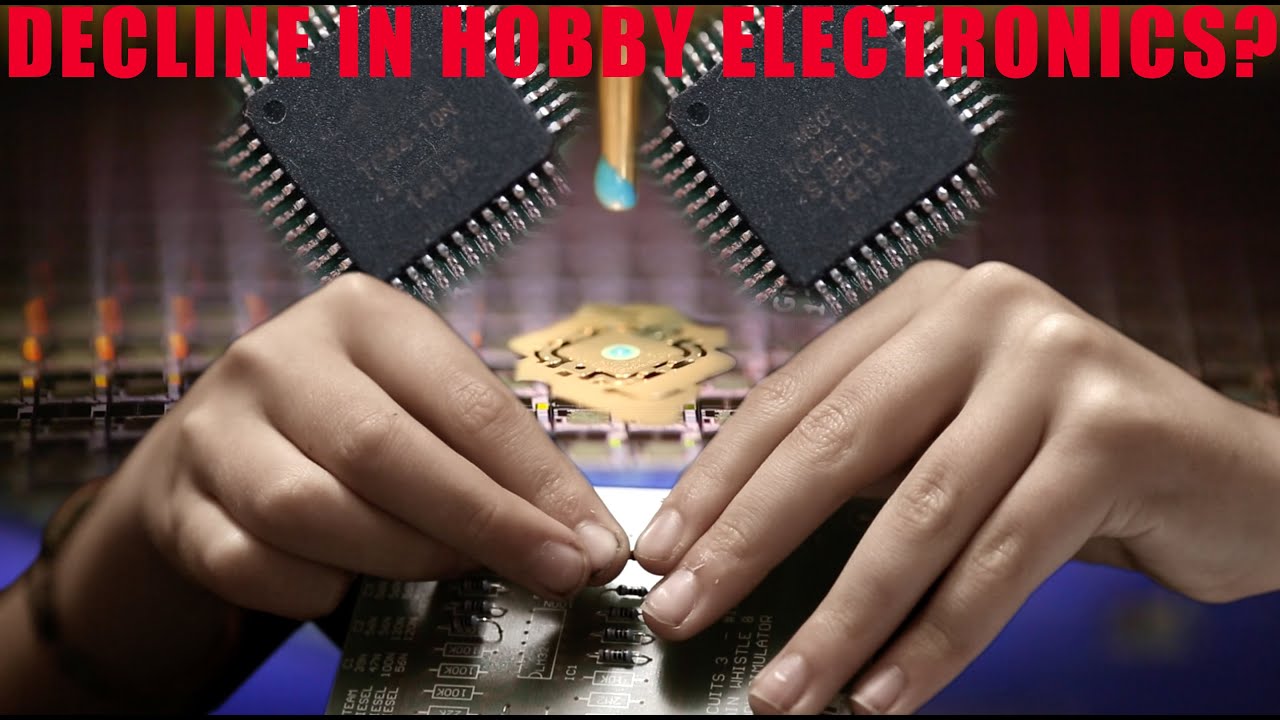
atlas were hard to envisage and yet a solution to the tyranny of numbers problem was already available this was one of the earliest integrated circuits a device that would change the world the idea was first suggested by Jeffrey dummer a British radar engineer in the early 50s but the scientists at Fairchild Semiconductor in California and in particular Robert no produced the first first manufacturable integrated circuit the chip essentially it was made from just one piece of silicon a material fabricated from common sand chemically altering small sections of the Silicon made transistors the cone-shaped structures chemically
treating other areas of the Silicon created other electronic components then to wire everything together in a circuit a layer of metal was evaporated on top of the structure the tyranny of numbers problem in principle had been solved no longer was it necessary to hand wire large numbers of electronic components together one manufacturing process made the components and wired them together and as an added bonus the circuitry of a whole board could now be reduced to the size of a fingernail [Music] the integrated circuit had been announced in 1959 but surprisingly computer firms showed little interest
in this new electronic Marvel for some the integrated circuit was just too radical a change but for most it was just too expensive brilliant though the advance was there seemed to be no takers if a spacecraft was to land a man on the moon it would need an onboard computer to maneuver it into orbit but how could they put a computer into a spacecraft when it could barely hold its three astronauts transistorized computers like the atlas weighed over 20 tons and contained miles of wire extremely sensitive to heat and vibration there were hardly devices to
be put aboard a spaceship NASA scientists knew a small lightweight computer could only be built from integrated circuits and they were willing to pay any price so was the Pentagon working around the clock Electronics firms discovered the true genius of the integrated circuit unlike the old handwired transistor circuits ic's could be mass-produced and prices plummeted that's a very interesting thing about this technology I think it's what has made really made it so powerful I call it a violation of Murphy's Law in this situation uh by making things smaller everything gets better simultaneously the electronics become
higher performance uh they dissipate less power uh they become a lot more reliable particularly in complex systems but most importantly they become cheaper I compared it at one time to the printing press that uh in this case you could design it once and then reproduce it many many times very very inexpensively compared to let us say having the monks write down the book and copy it by hand which was sort of The Way We Were building electronics at that time we were taking all the elements and then putting them together um with the integrated circuit
we get the chance of doing the whole thing identically time after time at the start of the 60s the first commercially produced integrated circuit with less than 10 transistors and other components cost $11,000 in the years ahead ic's underwent enormous change every year the number number of components on an integrated circuit [Music] doubled within a decade the cost of an IC had dropped to pennies nothing like this had ever happened in the history of any commercial product my favorite analogy is if the Auto industry had moved at the same speed as our industry uh your
car today would uh Cru Cruise comfortably at a million miles an hour probably get a half a million miles per gallon of gasoline but it would be cheaper to throw away your Rolls-Royce and buy a new one and the park it downtown for the evening as the electronics industry grew this California region was transformed from Peach Orchards to the electronics capital of the world aptly named Silicon Valley with 300 Electronics firms in a 30 squ mile area even the streets bear witness to the growing importance of this new industry eight years after John Kennedy's challenge
NASA's onboard computer built from integrated circuits was completed at the time it was the smallest computer in the world the success of the mission and the lives of its astronauts depended on that tiny computer 72 hours after blastoff the craft would lose contact with control after that it would be up to the computer it was the ultimate test of the integrated circuit's reliability Apollo 11 this is hon you go for T over using the computer the astronauts would have to maneuver into orbit On the Dark Side of the Moon out of contact with Mission Control
[Music] and we've had loss of signal as Apollo 11 goes behind the moon now they were on their own their fate resting on the ability of the onboard computer to ease them into [Music] orbit with the whole world watching Apollo 11 returned into view and completed its historic missional base here the has landed you got a bunch of guys about to turn blue we're breathing again thanks a lot this remarkable achievement was celebrated by millions of Americans among them a generation of children who had never known a world without space travel or computers OT and
Morley's Vision that computers had a commercial future had turned out to be right