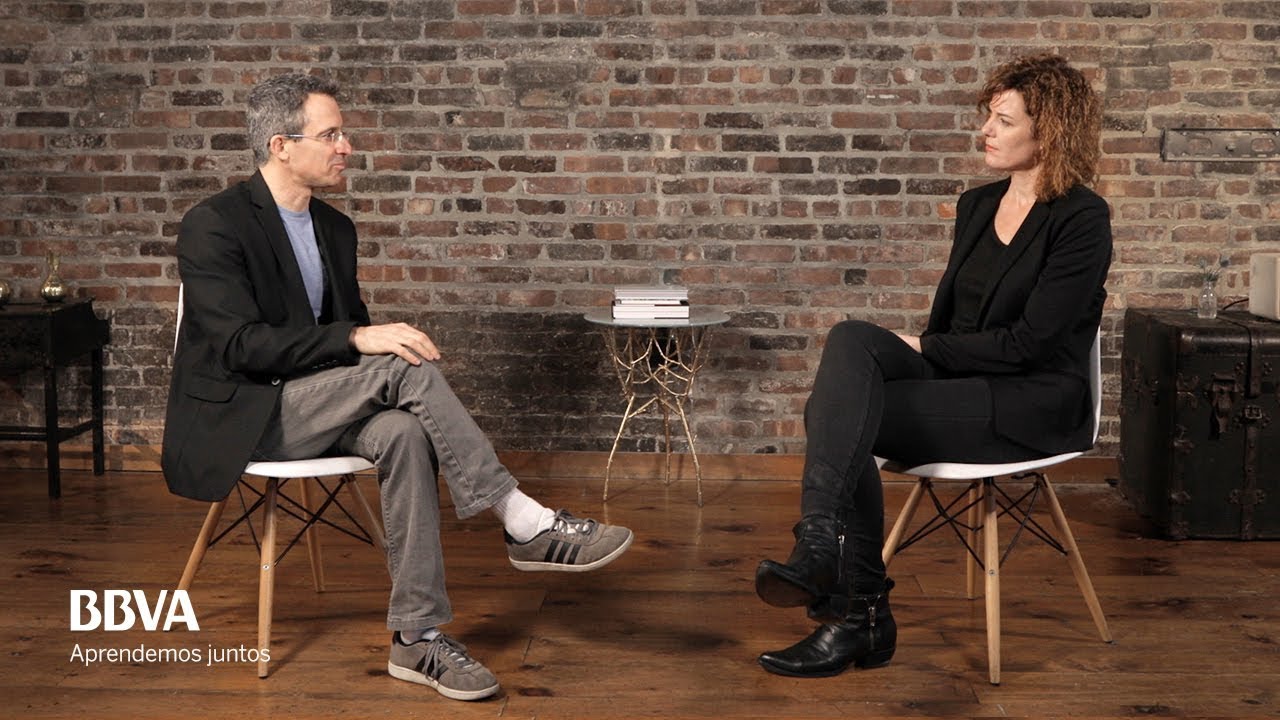
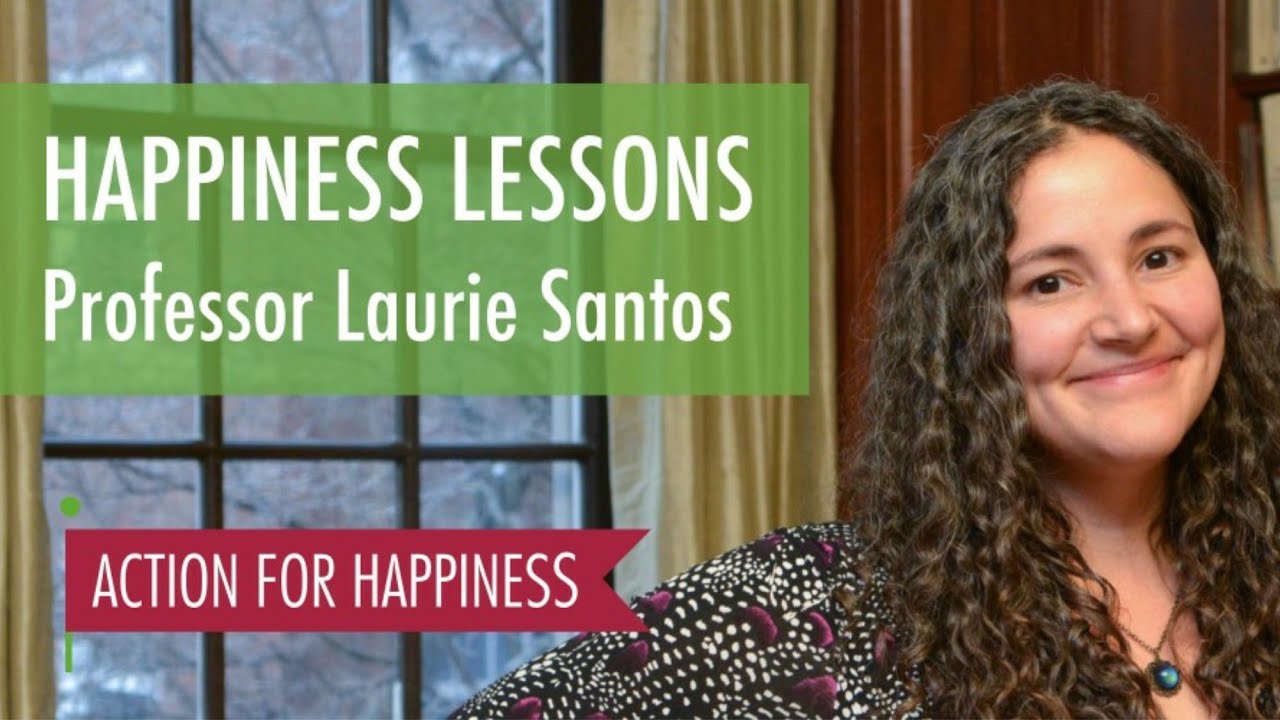
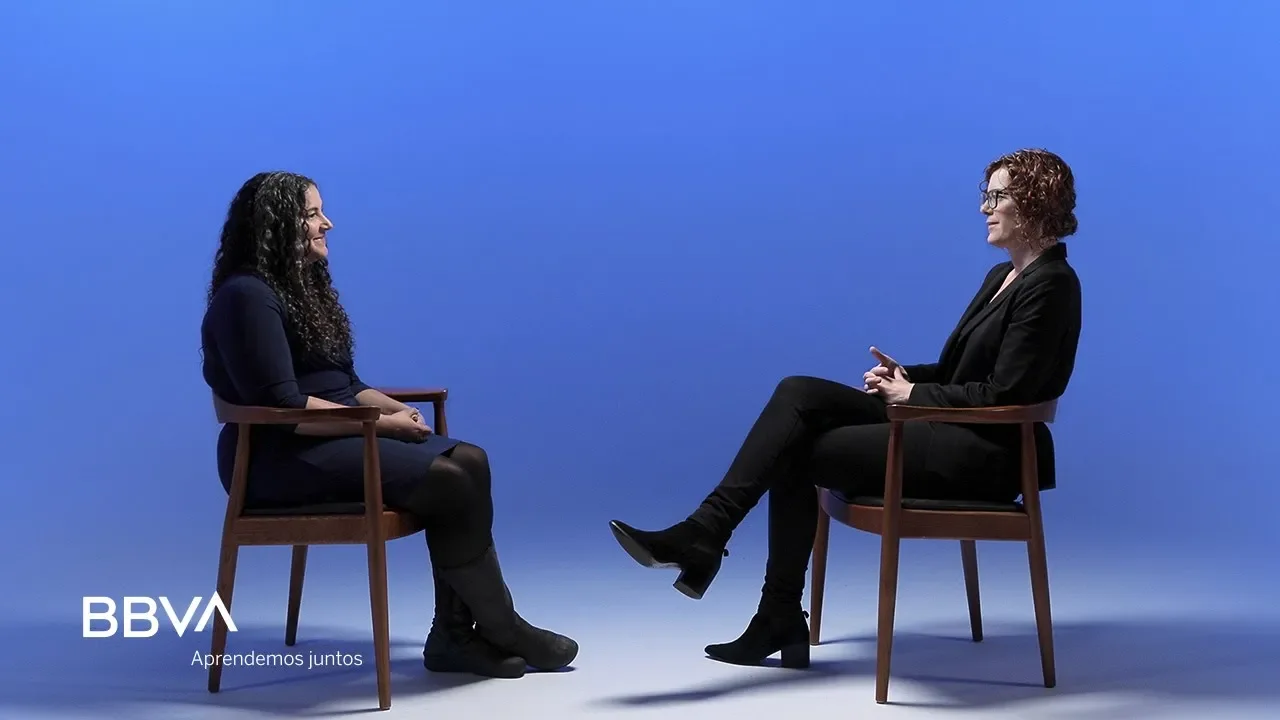
Noorie welcome thanks for having me thank you so much for making the time to be here with us so in order probably you are one of the world's most known experts on positive psychology and the pursuit of happiness and before we get deep in your research and in your very successful course at Yale and we like to is to start with a very wide question I'm very open question because we're going to talk about happiness so maybe you wanna start describing or defining what's happiness and what it's not happiness I think people have been trying
to define happiness since we as humans have wanted to seek out happiness you know it has lots of different definitions I often use the nerdy scientist definition and so when social scientists think of happiness they think of happiness often in two parts one part is the emotional part of happiness right just the fact that we feel lots of positive emotion you know we laugh and things and in an absence of negative emotion like an absence of sadness and anger in these things so that's kind of a emotional side of happiness there's a different side that
researchers called a cognitive side or kind of how you think about your own happiness and that's really the answer to the question all things considered how satisfied are you with your life right like if you think your life is going well then you're kind of happy maximizing happiness in a lot of the research is about trying to make the emotional side get better you know so you have lots of positive emotions but then also make the cognitive side feel better and so it's both feeling good in your life and about your life you know you
have this course at Yale called a psychology and good life when correct and it was a course that I think it was initially designed for 250 people and that went to 1,200 people actually I mean you have to change the space to make room to all the students that were interesting in attending your class and then also you put the course available online and in went viral so definitely do is a massive interest on happiness why do you think well I think humans have been interested in happiness for a really long time right it's in
the Declaration of Independence you know Aristotle back in the day was talking about happiness and what we can do to achieve it so it's not new I think we've always wanted to be happier I think the thing that's different now is that we don't have lots of other outlets for thinking about how we can be happier you know back in the day a lot of people had more kind of like cultural notions of what it meant to live a happy life or even more spiritual notions I think you as we move away from cultural and
more spiritual traditions a lot of us are feeling lost about the kinds of things that can really make us happy so I think one of the reasons that the course went so viral is that everybody's looking for this but they want some answers and these days a lot of people are interested in okay what does the science have to say about this and what does scientific research say about the ways I could improve my well-being and I think that's why the course resonated with so many people that's why because then you are also known for
creating like several lessons on how every single person can achieve that happiness it was because of these difficulty let's enter we have today to find happiness yeah I think you won one thing that the science teaches us is that even though we're all seeking happiness we don't often do it in the right way we have these strong intuitions about the kinds of things that can make us happy but often those intuitions are wrong that means a lot of us are like putting lots of work in and we're not getting it so it's like where do
we see the disconnect and that's I think where the science can help because what the science suggests is that there are really simple things you can do to improve your well-being but you actually have to do those things and they're not often things that we think are going to work so with our students we gave like kind of the list of you here the behaviors that you can do to be happier and the list comes from studies of happy people it's kind of an interesting way to do science but what positive psychologists do is they
go out and they find happy people you'd rather them they're out there you can find them and then you ask how do those happy people behave you know how much time did they spend with others how much time do they spend watching TV or at work and you get a sense anthropologically about how these individuals spend their time and that's when you can do the cool experiments you can take the not so happy people make them do those behaviors that the happy folks are doing and then you can ask does their well-being improve and we
now have two decades worth of work suggesting that it does work you know if you copy the behaviors of happy people you can get happier - so what are those behavior your second you identified five behaviors yeah there's a few different ones a big one and one we don't often expect is so important is taking time for social connection every available study of happy people suggests that happy people spend a lot of time with others and they spend a lot of time with the people they really care about this is something that often you know
we stopped doing when we get really busy but we really really need it and so one of the things we've prescribed to students is to take time to make a social connection we say you know call someone you haven't talked to you in a really long time that you miss or just strike up a conversation with a stranger at a coffee shop we don't predict those things will feel really good but but they actually make us more positive and happier than we expect and another thing we prescribed students is to become a little bit more
other oriented you know when we sometimes think of our own happiness we can think of self-care or like treat yourself you know do nice things for yourself but the research shows that happy people don't do that happy people spend more time thinking about other people they give more to charity annually they spend more time volunteering they're kind of not focused on self-care they kind of want to help other people and so another thing we prescribed students to do is to take time for random acts of kindness you know just do something nice for someone you
know or if you're gonna treat yourself with something you know by yourself you know a cupcake or you know manicure and massage like gift to that to someone else you know do something nice for others again this is something we I pop think about it's like how can that make me happy how can buying someone else in massage make me happy but actually you know what the science suggests is that it works pretty well another thing we talked to students about is the power of gratitude you know taking time to just be thankful for what
you have oftentimes we think happiness is about getting something else but the research shows that it's more about appreciating what you really have right now and this is one that even is the happiness professor I have trouble with you know when I finally you know get some social connection and hang out with a friend and they ask how it's going you know I don't often think of all the things that are going well you know all the blessings in my life you know sometimes I like to complain about you know like this went wrong and
this went wrong but that's not what happy people do happy people spontaneously bring to mind oh all these things are going well and what the research shows is that you can copy that simply by bringing to mind all the things that you're blessed with you're scribbling down three to five things a day that you're grateful for or even better yet expressing your gratitude to other people really taking time to tell the people that you're thankful you know for what they did another thing we prescribed for students is to take time for what we call healthy
habits which are things like exercise and sleep you know for usually the first things to go when life gets really stressed is we're not sleeping as much and you know the workout you know gets put on the back burner but research shows that you know just a half hour of cardio a day can be as effective as a prescription of zoloft for reducing depression symptoms you know we forget you know what exercise is good for our physical bodies but we forget it's good for our mental health and sleep is even more powerful it's actually one
of the reasons I think we see this mental health crisis on college campuses is because college students are sleeping just like very you know probably between 4 & 5 hours at night like regularly but research suggests again you know increasing your amount of sleep can really help with mental health symptoms too and the final one off and preach to my students is to take time to be mindful you know there's a lot of work talking about the power of mindfulness and so on and it sounds a little cheesy but it's really about just taking time
to kind of feel what it feels like to be in the present moment to have your mind focused on the here and now research shows that we don't do that very often in fact we spend just under half our time thinking about stuff that's not in the here and now you know what you're gonna have for dinner tomorrow night or that you know conversation you had with your spouse yesterday we're kind of not present but the research also shows that that makes us unhappy in other words all the time that we're mind wandering we're kind
of thinking about something else we're less happy than when we're just focusing on the present moment and so we preach to students they need to find ways to be mindful in the end like many things that takes a little bit of practice and one of the best ways to practice it is just to take time to meditate you know five minutes a day we just sit and focus on your breath every time your mind wanders kind of drag it back to the present moment that kind of practice can reduce mind wandering not just when you're
practicing but generally and it does so via changing the default parts of your brain so our default is sometimes to kind of have our mind wander when we're not paying attention those regions of the brain become less active as you practice meditation more and more I know you'd read that it's an exercise as you said that you are to the students you do to write down for a week every single thing they are grateful for so what have you seen when you ask your students to do that with response yeah well I think at first
you know they they had the response that I bet many people who are hearing this have which is like okay really like that's gonna help my happiness you know it's also not a thing that I think college students focus on right they don't focus on what they're grateful for they focus on the hassles on on college campuses right now we have a culture of memes which are these little pictures they draw to kind of comment on their life and there are very few wholesome memes that talk about you know what you're grateful for they're mostly
complaints you know they complain about the dining hall and the lines they have to wait in and the food and you know they just complain about everything but I kind of challenged them to think in terms of gratitude to think in terms of you know make a wholesome medium kind of thing so I think at first they really just were skeptical that this was going to work but once they started doing it I saw a couple things that were really interesting one is that the students would spontaneously tell me how powerful it was especially during
the most stressful times of year and so I heard from a student who would say you know she's in the middle of midterms which is normally a really stressful time on campus and you know it felt like things were kind of out of control and then she'd sit down be like okay what am i grateful for and she's like I have both of my parents and I have both sets of grandparents she was very close to her family and she's like when I sat down I think about that it was like the rest of the
stuff didn't matter you know like who cares if I got a bad grade on the midterm like what really matters is in place and I'm really grateful for that and so I think the the power of gratitude is that it can remind us what really matters and and you can remind us that you know we don't need something else we kind of have everything we need right now and connected to this I mean and especially in our society there is always I mean when we when we stop and think about the good things that happen
in life actually most of the time it's it's more this more good and bad in our lives but it seems like we are always unhappy and you have this idea that I would like you to elaborate a little bit more on how painful it can be that we are all the time comparing ourselves to other people around us yeah I mean many of us are unhappy a lot of the time and I think that's in part because we don't we don't do the right stuff to be happy and we have all these mechanisms to seek
out stuff that we don't really need and there are parts of our mind that just kind of make us feel miserable and so you mentioned a really important part which is comparing ourselves to other people one really dumb feature of our minds is that our minds don't think in objective terms we think in relative terms well what do I mean by that you don't necessarily think about your salary and a subjective terms you think about it like oh I made more than I made last year or I'm making a little bit less than that guy
up the street you know or my neighbor or something so we never think you know about things just in terms of what we have we think in comparison to somebody else and you know I mentioned the money example but we do this for all kinds of things we do it for money we do it for material possessions your house your car we do it for our looks we do it for our vacation time you know any commodity we have we're usually not thinking about that commodity in objective terms but in relative terms and we tend
to do it in such a way we tend to think in relative terms in such a way that makes us feel especially bad because we never compare you know our salary with you know some person who just lost their job or who's earning below the poverty line we compare our salad with really rich people you know we never like look on Instagram and compare our looks with someone who's you know not very attractive we're kind of picking you know Beyonce and fashion models and these kinds of things so that means that we're constantly evaluating the
things that we have relative to some reference point it often makes us feel really bad the good news though even though we can't shut off our ability to compare we can sort of find reference points that make us feel a little bit better you know the next time you're worried about your salary or your house think about the fact that you know some people don't have money at all or you know are homeless or these kinds of things and this can be the idea that we can use social comparison to actually improve our happiness we
just have to put in a little bit more work our mind naturally finds these comparison points that make us feel bad but we don't have to listen to those we can actually find comparison points that make us feel good a second feature of the comparison that makes us feel bad is that we often get the comparisons wrong we're often really inaccurate when we're thinking about how good someone else has it one of the studies I love to share with college students brings college students in and they ask you know how many times did a really
good event or really bad event happen to you you know how many times did you go to a cool party or get a great grade you know how many times did you you know get you know dissed by some you know person you're interested in or you got a bad grade or you didn't go to the party or got sick or felt homesick and stuff so they marked these down and then the college students are also asked what's the average for like a regular college student for the good things in the bad things and what
you find is that college students think that they average good thing happens way more often to college students than it really does so they think you know it's a 50% of college students get a really good grade when it's really like 30 you know percent or something like that but the bigger effect comes when you think of the negative things because college students think well nobody's feeling you know homesick you know nobody's getting a bad grade like nobody is missing out on the cool parties that's just me and what that tells us is not just
that we socially compare but we get the comparisons wrong we're kind of rigging the game to feel as bad about ourselves as we possibly can and so sometimes when you see that you realize like wait I shouldn't you know the comparisons that naturally come to my mind you know they don't make sense to use because they're not even accurate so what did this compare with complaining because there are we know people that complain all the time we know people that barely complain so complaining it's something that kills happiness that actually helps happiness because everything Jordan
let's say negative emotions you let them go out yeah I mean I'm by nature I'm a big complainer you know that would be like a natural thing for me but you're the research suggests it doesn't it doesn't boost your happiness and the way you think I mean I think we think we are complaining to kind of get it off our chest or you know but in fact what it does is it causes us to focus on all the bad things the bad comparisons the hassles the things were not grateful for in life if you just
kind of switch it and focus your energy and your attention on the things that you are grateful for the research shows that you can feel a lot better one study had people instead of listing the hassles that happen every day it's kind of the things you'd complain about just list the blessings you know the things you're so thankful for and just that simple switch of scribbling down five complaints versus five blessings can boost people's well-being in the matter of weeks an order something that you mention and it's it's a common issue every single research about
psychology positivity happens that you see is how helping others improves your own happiness and I would like you to elaborate a bit more on this connection between altruism let's say and happiness yeah I think this connection between altruism and happiness is a really tricky one because it's yet another spot where our mind has a really strong intuition like when I think you know what will make me happier you know buying you a coffee or buying myself a coffee you know or what would make me happy are you winning a million dollars or mean winning a
million dollars like we tend to think that happiness comes from the stuff that happens to us like that's the strong intuition but when you actually do the research when you have people do nice things for themselves versus nice things for others what you find is that it's the it's the nice things for others that really improve people's well-being one of my favorite studies on this topic was done by the researcher Liz Dunn who's a professor at University of British Columbia she walks up to subjects on the street and says do you want to be in
a study they say yes and they're handed $20 cash and they're told how to spend it they can either spend that money on themselves buy something nice treat yourself or they're told by the end of the day spend that money on someone else do something nice to treat someone else and then they're asked at the end of the day they're called up and say you know how happier you're feeling at the end of the day and even at the end of the week subject a separate group of subjects is asked to predict like predict which
of those groups will feel better and then lots of subjects basically predict that the ones who treat themselves are gonna feel better that's our intuition but if you look at what actually happens when people are called at the end of the day and even at the end of the week people self-report that they're happier when they did nice things for others the cool thing is that this research has now been done in a bunch of different countries which is cool because we can see that this is an effect that holds across cultures but we can
also go to cultures where you know twenty dollars Canadian buys a lot more and so these researchers also replicated their findings in rural Uganda where you know that that $20 condition which is not very much in Canadian dollars can buy someone's HIV medication for a week say and what you find is that even when you're dealing with like now bigger sums of money in terms of what it can buy you're still happier when you do something nice versus for yourself and so I think these results are striking it shows yet again a case where we
have this strong idea what will make us happy is doing something nice for ourselves but actually that's wrong and this is a problem because we act on the basis of our intuitions you know if I'm having a bad day at work I'm like I should do something to make myself feel better I'm gonna get it wrong because my mind is telling me the wrong thing how does economic inequality or living in in in let's say challenging environment hurts environments change the perception or half of happiness what it means to be happy yeah well part of
it has to do with how much changing your circumstances improves your well-being and this is often well of us privileged or not think we think you know to be happier I need a new relationship I need a different job I need more money and so on and for most of us changing your circumstances doesn't matter as much as you think you know if you have food on the table you know if you have a roof over your head that increasing your salary pretty much won't have the effect that you think especially in the u.s. if
you're earning about 70 75 thousand dollars in the u.s. that's the most salary that's the most money will ever bring you happiness in other words if you hundred seventy thousand dollars and we quadrupled your salary you're not gonna get any corresponding increase in your level of decreased stress or increased positive emotion and so on but that involves a certain kind of assumption that you know many of the listeners are in this or privileged category if you're not a privileged category you know if you're a living below the poverty line you know if you're a refugee
if you're in a domestic violence situation like yes changing your circumstances is going to help a lot and that's the kind of thing you should do the problem is that I think we take those cases where you're moving from poverty to moving out of poverty for example we take cases like that and we generalize that all of us to be happy need to change our circumstances but actually for most of us were fine like the circumstances we have are just good enough what happiness will come from changing our behaviors so you you can look so
one way that you can study this question is to look cross-culturally right where there's lots of data kind of compare countries and you can take countries that are on the lower income side versus the higher income side you can take countries that have different levels of inequality say and you can try to plot you know how that affects happiness and and what you find is if you're talking about a country that's like where most people are really below the poverty line or when you don't have basic freedoms you know when your circumstances are really dire
yes you're not as happy as countries that have better circumstances but it's the relationship is not as strict as you think and and that's in part because even sometimes individuals who are in bad circumstances are doing these kinds of behaviors that really do increase well-being you know those are you know often communities where people have incredibly strong social connections where there's a real sense of community and these kinds of things and so you can often like have cases where circumstances are pretty dire but people still are pretty happy and we can see this at the
community level but we can also see this at the individual level you know take individuals to whom really awful things have happened in one of my recent podcast episodes I interviewed this guy Junior Martinez who was an injured Iraq vet his Humvee in Iraq hit a roadside bomb and it exploded and so he's burned over three-quarters of his body he spent like most of the rest of his 20s in surgeries in and out of surgeries and skin grafts and just like his whole life was destroyed but you asked him you know like what did that
do for your happiness and he'll say it was an amazing blessing right this changed my life for the better and you're like wait a minute how could that horrible thing change your life for the better but in happiness research we see this time and again where people go through these awful circumstances you know a terminal cancer diagnosis or you know the the death of a loved one you know these things that if we simulate it you don't even want to simulate it because it just would feel so awful and even in those cases people tend
to find more good than bad and that's a powerful reminder that you know we think it's just the circumstances and sometimes you know again if you're in dire circumstances improving them will help but it's not circumstances in the way we think and I think that's important I think for those of us who want to worry about our privilege that's important for those of us who are worried that our privilege is preventing us from solving some of these bad circumstances for people who need it because I think you know when we're focused on our own circumstances
it's kind of like you know you put your own oxygen mask on first before helping others if we're so convinced we have to fix our circumstances to be happy then we're not gonna have the time or the effort or even maybe the financial support for individuals who really need it and so by recognizing like wait my circumstances are fine I need to focus on my behavior then you can kind of give yourself the happiness boost and some of the resilience you need to actually solve these problems um I love this question I think it's important
because sometimes in the happiness research people can get this idea of like you know just focus on yourself and be happy you know ignore the bad stuff in the world and I think that's not kind of what the research shows the research shows you know if you're in a grateful State if you're feeling resilient then you're gonna become more other oriented then you're gonna have like the space and the wherewithal and not feeling overwhelmed enough that you can actually focus on the problems of the world and want to fix them and so I think the
the happiness research suggests that you're worrying about your own wallet being isn't a Pollyanna thing to like you know ignore all the bad stuff happening in the world it's really to gain the kind of resilience that you need to solve those problems now happiness has become kind of a trendy thing and it seems that we have to be positive and smiley and everything is going well all the time so and actually there are concepts that have been coined to kind of describe that status and there is one actually in in the Danish culture it is
about try to find a well-being in in the minimal things and the small things of life and there are many more but the question I would like to address with you is are we putting too much effort on positivity and being positive all the time and actually that also something that is moving us away from real happiness yeah I think it kind of depends on how we focus on positivity because I think you know overall happiness kind of feeling satisfied with your life feeling like your life has meaning the kind of big happiness it is
correlated with lots of important things so for example there's research suggesting that happier people people who are satisfied with their lives they tend to vote more often they tend to be healthier you know so if I were to expose you to a viagra move people to a virus the people who are happier would be least likely to catch that virus which is kind of impressive and even there's even research suggesting that happier people live longer you know so in some ways like happiness does correlate with so many other things we care about in the public
eye you know like making people healthier and having people do their civic duty and these kind thing but that's about the form of happiness that's related to your satisfaction of your life that's kind of big happiness it's not like Pollyanna smile smile smile positive positive and I think that's where we go wrong you know negative emotions are a part of life they're a part of being satisfied with life you can often have situations where people report being really satisfied with their life even though you know in the trenches their positive emotion isn't as high or
they're not feeling as great you know my favorite example just because I have lots of friends with newborn babies or you know new moms like you know they're very satisfied with their life and they have all this new meaning but like they're not sleeping you know they're kind of in the trench they're not really feeling great right and so I think even though happiness and overall well-being is really important that's not to say that we're supposed to be you know smiling and super positive all the time that's not what it's about and if anything there's
research suggesting that kind of too much positivity like too much kind of positivity in the face of obstacles can actually be bad for us there's some lovely work by the social psychologist Gabriel outing in showing that if you're trying to pursue your goals merely kind of thinking positive about them in the way that a lot of self-help asks you to do it actually moves you further from your goals so she finds that the people who think the most positive essay about their weight loss efforts are the ones who lose the least amount of weight people
who are injured and just think the most positive about say their ability to walk after a hip replacement surgery they walk the least well and you're like wait I thought thinking positive was good the idea is thinking positive is okay but when you're really facing a real problem in life are real true obstacle you need to put that into effect too you need to think about the obstacle in order to figure out how to overcome in and so there's a real distinction between kind of positive emotions that make sense in the moment because you're grateful
for what's going on or you feel connected to this person kind of be mindful of those true positive things and kind of putting on a positive face when things aren't great you know if you really want to succeed and reach your goals you need to recognize your obstacles you need to like think about you know what's really there and sometimes that can feel really negative and so overall well-being is important it does to these positive things but we kind of can't get wrong what it's really about and I do worry sometimes that you know the
current culture is to you know think positive you know happy face you see the smiley face emojis it's like that's that's different than what we're talking about you know we're really talking about the kind of well-being that can be sustained right where you're kind of mindfully accepting the things that you have in your life experiencing some gratitude for it part of a rich community where you feel really connected that's not you know smiley happy emojis that's really the path to life satisfaction have you seen Rory in your research a change in what people think about
happiness over generations compared as compared to our current work Paris the people that comes after us yeah I think so my worry is that we've gotten more entrenched in thinking that happiness comes from the things that really won't bring us much happiness I see this a lot in my college students you know add in at an Ivy League university the way students get there is they focus a lot on their grades you know and they're very mimimi focused right and that's not really the path to happiness in fact there's research suggesting that there is a
correlation between good grades and well-being but it's a negative correlation in other words the students who get the best grades have the lowest levels of well-being just not what people want but I think this kind of focus on me me like my internships my resume my stuff it's getting us away from what really makes us happy right which is sort of being more other oriented not as selfish and so on it's also done at a cost of the things that really matter you know I see my students worried about their grades and forgo time with
their friends you know - they don't have time to make friends and be social because they're so focused on their grades they don't have time to sleep because they're so focused on their grades they're definitely not mindful and in the present moment they're constantly anxious about the next test or the next internship application and so on and so all this goes to say that I think over time what's happened is we've gotten further and further from the stuff that really matters and I think that's in part because we've moved away at least in a lot
of kind of places people who are moving more away from kind of spiritual traditions which if you think about what many religions promote they're the stuff that it doesn't matter for happiness no mindfulness through prayer taking time to do nice things for others social connection as part of your religious practices right gratitude like these are the kinds of things that lots of spiritual and cultural traditions promote but over time we've kind of moved away from those and when I think about that you know as a scientist who studies the mind and kind of how things
evolve it's like you know maybe our culture gave us things to protect us from our own bed instincts you know we can't kind of you get too selfish when you're really a mesh to rich religious community because like that's just not what you do but as those things have eroded I think we've kind of gone on a on a path that's leading us away from happiness which is said because I think we're working on it as you've mentioned more than ever you know we're throwing all this effort into it we're kind of doing it wrong
yeah I think that one of the challenges that we all face is actually you mention it I mean I think we all know that actual relationships are key for happiness but especially when we live in mix-ins like New York it's kind of challenging to find the space for that because actually we have we live in societies that pride and put me me see like something very successful so we have like priorities turn around yeah and I think that's really sad right because you know again we're putting all this effort into you off in our careers
and our salaries you know like what's on our resume you know I'm just like you know accolades and getting partnerships and promotions and those things aren't gonna work and they're often at the expense of things that do require time and effort like our relationships you know are like the just kind of mindfulness and these practices to kind of be in the present moment we're not putting any time into those but those are the things that are really gonna give us what we want in order to sum up our conversation I would like to ask you
again we are started with an open question I would like to put an end with another up question and it's it's a universal recipe for happiness the universal recipe for happiness I think it's you know taking time to be other oriented and in the present moment I think if you do that you know mix in a little bit of you know exercise and and some sleep here and there you'll be good to go thank you so much all right thanks so much [Music] you