You may have heard of card sorting before. It's a really well-known user research method that we use in information architecture. And we use it to help understand people's mental models and how we should group our content.
It's really useful, but I often think there's a better starting point for most projects. Especially if you're working on a redesign. Tree testing is essentially the inverse of a card sort.
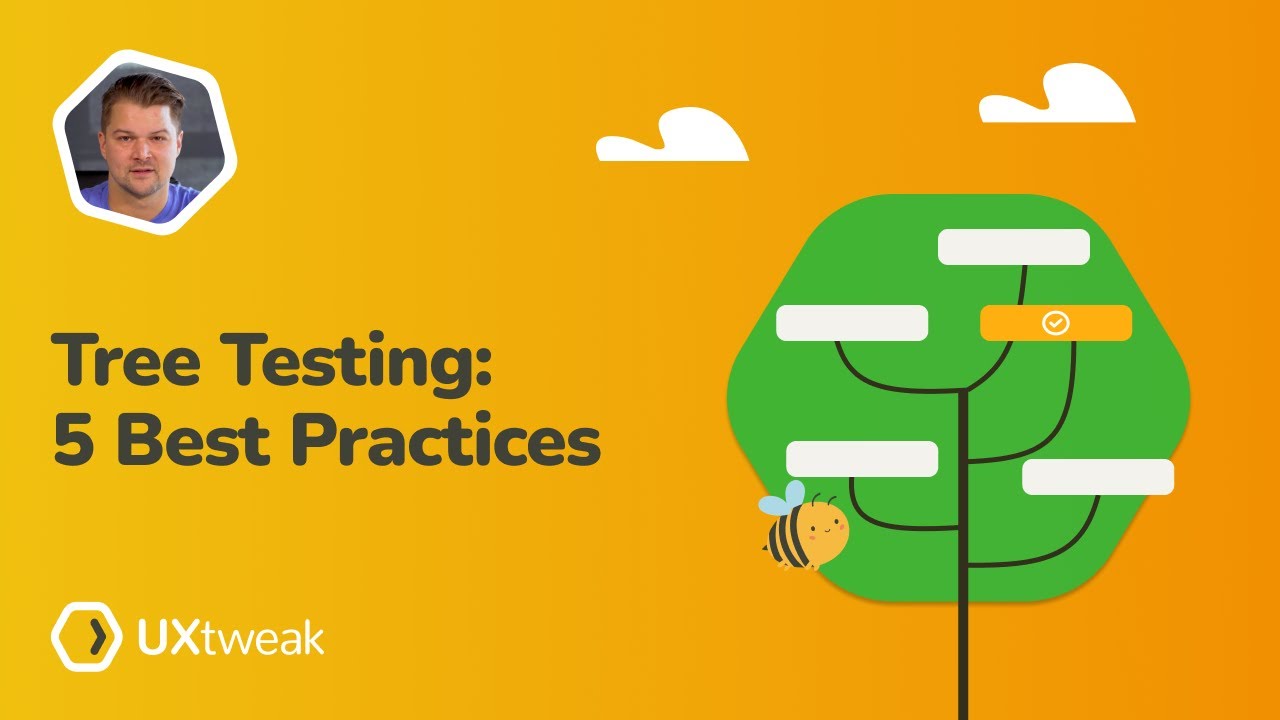
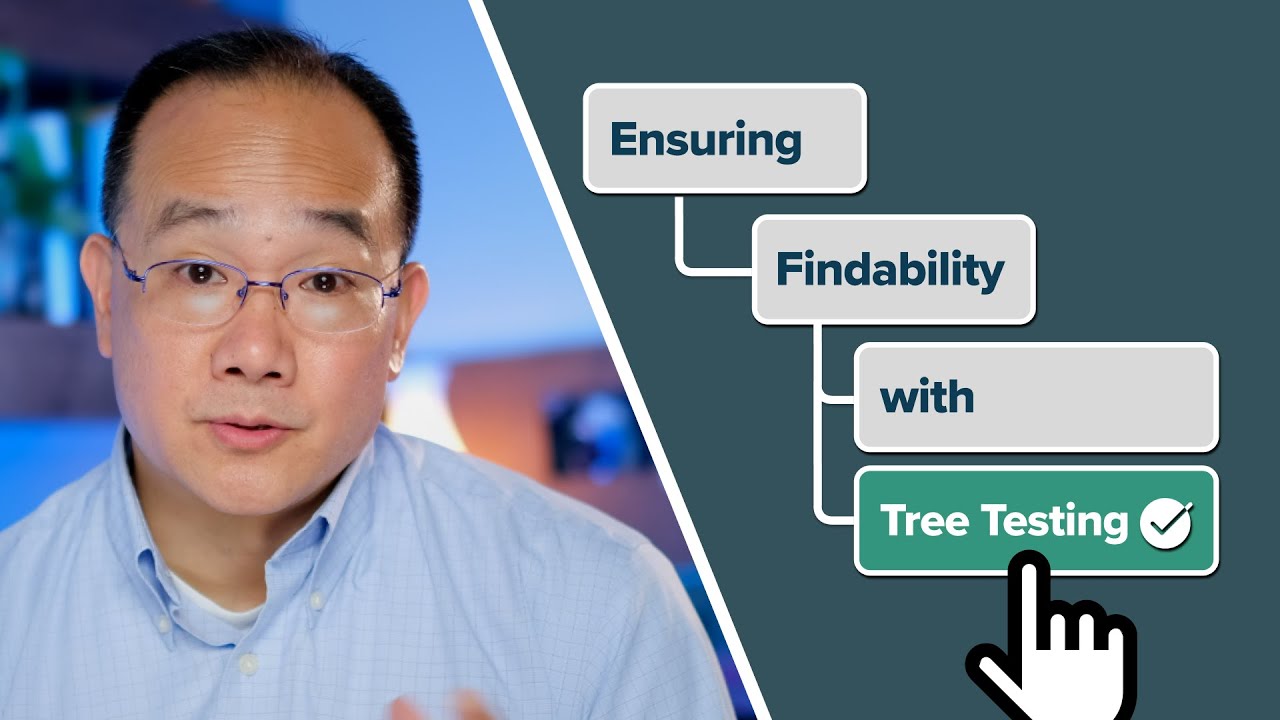
Instead of giving users individual index cards with the names of our content and asking them to sort them into piles that make sense, instead, we present the actual menu structure. And then we give participants tasks to find specific information. The tree test doesn't give any on-page content or context or design of any kind.
It's just a series of accordion menus so you know that you're testing the menu structure itself. I think of tree testing as an ideal starting place for revising your menus, because it's diagnostic. It helps us identify findability problems in our information architecture, and that isn't something that card sorting does very easily.
You just get all the groupings that each of your users came up with, but it's hard to tell if anybody could find things in anyone else's grouping. So if you already have a website that you're planning on redesigning, Start with a tree test. It'll tell you which categories are a problem.
I'd find out the main business priorities and write tasks to see if users can find the content that matches those core business goals. Once you have your results from your tree test that'll give you a better idea of which categories need to be adjusted, and which ones might make sense already. They don't need to be changed.
You can also test multiple IA structures to find out what works best. And you can even test the structure of a competitor to see how well their menus work. Tree testing is a quantitative research method, meaning that we're getting and we're reporting numbers.
So you need a bigger sample size than the five users we typically recommend for each round of qualitative usability testing. With tree testing the primary thing you're looking to find out is what percentage of users were able to find the content they were looking for. So you need a decently large number of participants: at least 50 to have a decently small margin of error.
If you test with 50 users it'll give you a 10% margin of error at the 90% confidence level. That's more than enough statistical power for most of us. Now if you do this as an A/B test, where you want to see which variant works better since you're testing two variants, you'll need at least 100 participants: 50 for each variant that you want to test.
Tree testing isn't a competitor to card sorting. Rather, they complement one another. Do card sorting if you're starting from scratch on a new project.
I start with an open card sort, come up with my categories, and then test them with the tree test. Or if you're doing a redesign, start with a tree test.