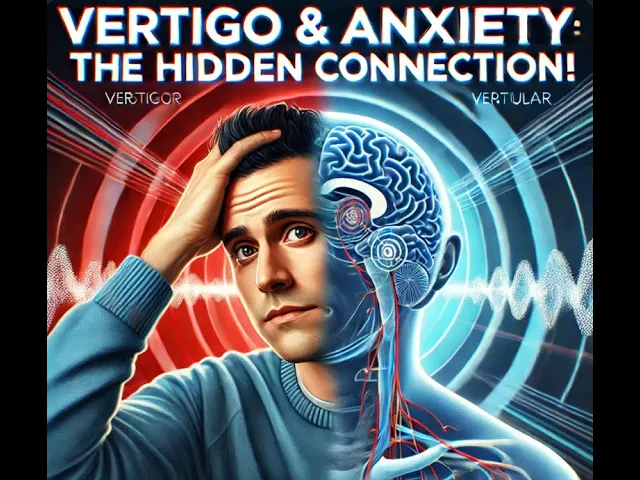
27% of vertigo patients experience anxiety stay tuned because today you will discover the correlation of primitive reflexes in Vertigo and you will learn brain-based approaches to help positional vertigo patients hi there I'm Dr Christa Burns founder of the American posture Institute and your host on the virtual neurology Summit the purpose of the virtual neurology Summit is to provide Healthcare professionals with brain-based Solutions so you can get better neuroplastic results with your patients I'm honored to welcome our next guest expert Nick Moss is a highly qualified and experienced Health practitioner with well over 10,000 hours of
clinical experience assisting people through a wide variety of health challenges ranging from chronic pain autoimmune trauma and anxiety digestive metabolic disorders and posture and injury Rehabilitation with his brain-based approaches he's the creator of the functional neuro health education system that trains practitioners and his methods worldwide today he'll be sharing with us the vertigo anxiety connection a clinical approach Nick thank you so much for joining us as a presenter on the virtual neurology Summit please take it away today what we're going to be talking about is the vertigo anxiety connection and we're going to talk about
the immune system as well but basically this is something that HS weight in a bit of the research but it's also something that I've seen over and over with working with a very common complaint that you would see within a functional neurological skill set which is vertigo you don't even have to look at the research to know that there is a connection between vertigo and anxiety but the research does have some supporting evidence there so that's what we're going to talk about today so as per this paper here it says vertigo and disiness are common
symptoms and the general population with an estimated prevalence of between of 20% to 56% that's quite a large number and with a brain-based skill set and a functional neurological skill set you're going to see this case presentation a lot and with the skills that we have perfectly suited to create some great effects for that but we have to look at the nuances that come with this presentation as that's what this whole presentation is about so the key PR zones and Pathways that are involved in Vertigo we have the autonomic system we know that's the sympathetic
parasympathetic any disturbances within that system is going to potentially be an input into why someone has vertigo we have the cerebellum we have the limic system we have the The receptors and the mechano receptive system of the muscular scal system we of course have the vestibular system which always gets blamed but sometimes it's not always the direct cause we have the brain stem obviously the the vestibular system lives in the brain stem so that's an area we want to have a look at and then we have the all important ocular system in terms of the
eye movement system so that's probably no news to people who are already practicing this skill set these are the pathways we Planet want have a look at we'd also be looking at the position of the head and the neck as well cervical stability okay so in my practice and what I've tried to do over the years and especially as an educator is try to break things down um so we can put them into package information so we can separate all the complexity within clinic and and organize our thinking what we might see when it comes
to vertigo is we may see positional dominant vertigo immune dominant vertigo and Lim dominant vertigo the main ones we're going to talk about in terms of the differences are the positional and limic we're also going to touch on this one here so positional bppv that's position and acceleration of the head are deemed as a threat by the nervous system that all makes sense so it's essentially the inputs of the head and the head in space and how that's all being connected by those previous pathways on the previous page then we have immune vertigo which is
actually as we know why it's rising more and more with postco sort of symptoms underlying infections such as viral or bacteria which may throw the autonomic system into disarray and cause hypertonic base of Basil nuclei and then we have limic dominant which is primarily conscious or subconscious emotional drivers triggers this is where it becomes a little bit tricky and that's what we're going to touch on today and really most people will present with elements of all this but if you can try to find out what is the main driver for your for your patient or
client it's going to set up for clinical success okay so standard approaches for positional vertigo you'd look at the vestibular system the cerebellum eye movements cranial nerves in general and then you look at cervical stability potentially primitive reflexes in our system we we'll look at the Primitive reflexes and the cranial nerves first anyway and then we'll start to get a bit more specific about what's going on in these specific Pathways hope that makes sense so far and some of the primitive impost reflexes which are associated to balance and equilibrium we have these reflexes that set
up our postural system I'm sure you know all about this CST here so got cic ocular reflex vestibular spinal vestibular ocular vestibular colic and the riding and tilting reflexes and that's just like got automatic postural responses the things that format them again we're going to throw it back to the Primitive reflexes for years I thought about what is the main pathway they're all Pathways in the system very important but if the brain to do primitive reflexes first I'm like there's got to be a reason for that it's got to be pretty pretty damn important the
Primitive reflexes format all are the reflexes in all other parts of our neurology so the mara reflex the atnr the stnr the tlr landout ETC all these reflexes and the integration of them or the disintegration of them will have a an effect on all these and then they'll have a further effect out into the postural neurology system so I'm just going to go quickly through uh a classic sort of positional vertigo case and just so what I would see it's just positional vertigo is quite good results in pretty quick time like one to three sessions
so this guy we had a 38-year-old male complaining of vertigo and dizziness for a few weeks Unknown Origin had migrain though for semi-regular and long time for a long time relevant history car crashed 16 years ago symptoms can worsen or improve after eating that was interesting maybe Vegas there maybe some gut issues we know that head can cause gut dysfunction he was seeing a chiro I think it's just a standard typical sort of chiropractor with minimal relief current symptoms are of Unknown Origin yeah Baseline assessments we did the Fuda Tech test it didn't really show
much it was just moving slightly to the left romberg's just slight tilt to the left so nothing really much showed there when we dived a little bit deeper into our approach the functional NE Health assessment we looked at reflexes and we had the fear paralysis showed which means that also the morrow the tlr stnr is also going to show and this is the top top reflex here is all clustered together some cranial nerves are 158 and related back to the vestibular system here eye movements of Pursuits opto kinetics and V so we assessed this is
what came up in our assess assessment we corrected them and these were the results so the client noticed about 50% Improvement in symptoms after the first correction which was would have been up here and the presenting symptoms were fully resolved at the end of the section with no residual symptoms and I think that's all he did I think he just did one session we had a bit of homework a lot of times it went back to the pwns in the brain which houses the vestibular nuclei as we know so that makes sense we gave him
a little bit of homework it was just some we found out what he what his system could tolerate was just some VR drills up down left and right and that was his main homework for a few weeks afterwards another positional vertigo case this one was really interesting so this client presented to me with severe vertigo worse than by turning the head to the left she'd had it for 3 years she'd gone down the functional medicine path but with no luck and when I was taking her history and she I said what causes it she goes
when I turn my head to the left said oh that sounds like it's positional she goes no it's not positional there sometimes you get I'm like okay let's just bring you in we'll have a look the assessment showed like a bingi cell lesion in the left side so basically vular system was firing too much to the left use a VR cancellation drule which brings her basically swings her brain back to the middle and two repetitions she did that and I said looked to the left she looked to the left and it was the first time
she wasn't in a washing machine when turning to the left for 3 years looked at me with like wide eyes and I was like and I was also as surprised I was like okay I didn't think it' be that easy and that was all we did that was classical in that case in that moment she done other work and she needed a position of her heads to be corrected and it was a quick response okay that was pretty much all we did with her to stabilize her I tried to do other stuff didn't really work
but that was the main thing okay now let's look at the U vestibular and lyic connections um just neurologically in the brain there are a lot of connections there a lot of Pathways that do connect the lyic system we know the vestibular system is that in ear it's what we just told talking about the lyic system is the emotional system of the brain or the threat system and there's a pretty good paper here but the main part I picked out is it considering extensive networks between vestibular and limic system it is likely that vestibular stimulation
techniques may be useful in influencing emotions that makes sense to me but it also can have in the reverse happen in the reverse order as well it can go if the information flow can go that way the information flow can go the other way as well what we're going to talk about as we move forward is the emotion impact on the vestibular system because we can address the Motions through targeting the vestibular system but what about the other way around here's some known Pathways we have information coming in through the sensory system into the vestibular
nuclear goes into the parabrachial nucleus and the amydala and then you got the hypothalamus and the HP access or that whole system kicks off there and then you've got the NTS which is related back to the vus nerve and so that's all just one continual Loop of information going in all directions so we can see when vestibular symptoms or even anxiety symptoms become chronic there's everything is sorted gets clumped together within the system and it can be hard to untangle and that's what we're going to try and do here this one just talks about the
prevalence of uh the different comorbidities such as anxiety positional vertigo vular migraine and that there's basically there's a high prevalence with com coorbit anxiety with these sorts of pres presentations this is what we're talking about here so I had clients that would come in and we'd stabilize their neurology that was related the vestibular system their eyes Etc but they still had the symptoms and I'm like okay what's going on here and this paper sort of points to it it says chronic subjective dizziness so it's subjective to the client characterized by persistent non nonvertical dizziness unsteadiness
and heightened sensitivity to motion stimuli that may last for months to years after the events that have caused it and we'll often see this in like post concussion cases as well okay so it showed this paper also showed altered connectivity between the insula the different parts of the insula the brigher insular cortex the oxal cortex and the anterior singulate so it's like those brain structures that are involved and they have heightened sensitivities of this sort of client which makes sense as we move forward limic dominant here's a limic dominant 30 go case presentation this was
a extreme case 40-year-old female presenting with severe disiness caused by postconcussion so she had all the things it would have for postconcussion disordinal essentially and then for her anxiety is a huge trigger like she has anxiety over her symptoms we've seen this a lot and that can be sometimes the thing that triggers the whole pathway she had four car accidents and she was also on she was involved in the London uh bombings on the tube so I think that's where it all started she has quite a bit of trauma as well and and a pretty
extensive medical history so the initial treatment and responses she was initially being way too over stimulated by too many different modalities at once she was enrolled in a medical concussion program at the Epworth hospital here in Melbourne with rehab and physios and exercise physiologist she was doing vision therapy with a behavioral optometrist and then undergoing a strict and intense gut protocol for sibo and she was trying to see me as well and it just two steps forward or one step forward three steps back sort of approach so as a result her neurology was being way
too overstimulated what worked is it just got to a point where she just she decided to stop everything and rest for one to two months then she resumed therapy with just myself and within two two months probably less than that she was stable pretty quickly but she very stable she was within two months she was in a better position than the previous seven years and her neurology was relatively stable at that time and then I advised her to recommence the rehab with the other practitioners that she was with so she had a bit of a
clean slate not too many inputs and she didn't believe she'd ever be better again which was quite interesting so we had to work through that what worked we worked we do like pretty similar approaches reflexes cranial nerves cervical stability that was huge lots of emotion work work around their mindset her perception of herself and her beliefs we also had to do quite a bit of work through the lymph just to get it draining from the brain and graded breath work she had a bad experience with breath work before so once we found the right type
of breath work which was just CO2 tolerance breath work then we started to build her up from that so her system was being built up from the ground up again so that's what worked and there's many cases of that as well where I've had clients like I do I test all the neurology good takes one to one to three sessions to stabilize the neurology and then they still got symptoms okay I'll test everything it still seems to be stable but they're experiencing the symptoms and I'll point it back to that chronic subjective dizziness and it's
like the sensitization of these Pathways so the approach for that type would be and this is depending on if you don't have this in your skill set then obviously you would want to be referring out as well I'm lucky I've been trained in this stuff and we have some approaches with our tools as well we can clear through some emotional patterns and every time you do that it releases a load of sympathetic input and that restores the bandwidth integrate the brain through the brain nucle that we just mentioned before getting them all quiring and working
together and then uh limiting belief in coaching identifying uh where their language is around their condition what they believe if you can identify that and work through that and then that can also help them again if you don't have that if you have something you might need to refer that to someone or maybe have someone like that on your team already that's awesome but even just being able to question and empathize with the client patient is key here and try to understand what their conscious goals are as opposed to what their nervous systems goals are
one thing I look at in the initial session is okay what do you want to feel when you walk out that door like how do you want to feel help what's your goal today and they say I want to feel better want to how would you feel when you feel better I'd feel free or whatever it is they'll use some language okay okay great so that's what you want awesome now my job is to work with your nervous system to see why you can't in that state in the first place like why can't you get
there because often there's a lot of things going on within your neurology that are stopping you from consciously achieving that state I find that setup really helps the flow of the to the treatment so anxiety induced in the Mig vertigo so neurology can be stable but emotions act like a trip wire that bring up the whole Cascade of sensory symptoms so there could be a thought attached to a perceived threat like an anxiety Trigger or even a body trigger yes so there can be an emotional reaction to a physiological sensation this is anxiety and and
that can cause the entire symptom picture to be brought back into conscious awareness of the patient and can result in catastrophizing we all know what catastrophizing is or I'll never get come back this doesn't work no one can help me things like that because what often happens is yeah their mind or either a conscious or subconscious aspect of their mind has tagged neurot tagged a certain physiological sensation maybe it's uh heightened breathing maybe it's their heart rate maybe it's the dizziness itself maybe it's some visual issues maybe it's tightness in the neck whatever it is
there'll be some sort of physiological sensation or maybe a whole packet of it and then their mind will perceive it and then go through its whole Cascade of thought Loops which are associated to that feeling which is really a neurophysiological response and then they'll have certain behavior and that'll give them a result so that's why it's a great approach to have a brain-based approach first you stabilize the system their feelings are going to change their emotions are going to change their thoughts are going to change but if we're stabilizing the neurology and symptoms are coming
back it's almost like the brain has a a a memory of the symptom picture as opposed to there may still be work to do with the neurology but there's almost like a it's almost like the symptoms become a protective pattern for the client so this is where this different approach comes in the key pillars is a conscious retraining of their own physiological responses bringing that awareness to it did you notice that you felt it here and then that was attached to an emotion and then how did you think about that emotion did you want to
avoid the emotion did you want to avoid that feeling or did you want to get something else did you want to I don't know sometimes people they feel something in their body that they perceive as a threat they'll get afraid they want to avoid it so I got to run away I got to think and everything about their body their perception is everything in their body which is actually normal to someone who's not suffering this becomes a threat so it's like sometimes you have to do conscious retraining oh okay giving an example and talking them
through perception of their own body so they don't bring the whole symptom picture back themselves so it's a bit more of a on a psychological bi psychosocial sense but for some people that's going to be a fair chunk of what you're working with in addition to doing the neurological work uh yeah so subconscious drivers we have a way we can look at that as well and then conscious self-perception is what we're talking about there like reframing like where they learn that their body is unsafe was it from Dr go Google was it from other sources
of media was it from other Medical Professional other professionals that they've been through beforehand we know their family of course oh no this means this means that these are all things you got to look at okay hope that makes sense so just a little bit of a difference there with the approach I will still always approach vertigo as if it's positional anyway and address it that way but then we have immune dominant vertigo as well uh and then depending on your skill set how you can interact with this will be different we know the Vegas
nerve is really the the master chief commander of the from a neurological sense the immune system it holds the anti-inflammatory switch and so anything that can impede that flow there will be potentially affecting it we know whenever there's a head injury which often causes vertigo there's that's because of that gut brain access that NTS pathway there is interrupted so obviously cervical stability particular C1 so caros have got an advantage here because you can look at that and make sure pathway is all flowing well so I'll be looking at it mechanically you've got different stimulations that
you can look at for that as well I find with some cases of vertigo working on the Vagas s can actually if it's not immune dominant can actually not be the most ideal thing but if it's immune dominant vertigo we can also look at lymphatics how's the lymphatic system draining from the head often the system stop draining because there are hypertonic muscles around the head and neck so like a PEC miners often they can can become in spasm and they compress over these thoracic ducts here so anywhere you can open that up and you get
the flow from the brain down into the rest of the body and then you may need to refer on to functional medicine or if you have that in your T kit you may need to use some functional medicine to stabilize the immune pathway responses the th1 th2 th17 responses and see if that has an effect on that and if it's immune dominant it's it'll be the immune work that really stabilizes it for that patient client hope that makes sense so basically yeah it's just saying the cause of disiness determines our long-term approach because we're going
to initially treat it as if it's positional which is really changing the inputs the more chronic it becomes especially when it's anxiety dominant it's more about the processing so this is that conscious self-perception the emotional layers and then the integration of the different brain brain nuclei So within the brain itself which will change the output and then once that's stable then you can start to drive in put which is would be from for your corrective exercises or your rehab drills I think understanding um if you don't get that good response initially from the positional work
then it's looking at potentially it's this chronic subjective dizziness that's at play here or maybe a deeper immune issue and so just things need to be addressed properly so that's probably the main thrust of this talk here is the effectiveness the effectiveness of any therapy depends on the basis of the problem and our ability to find it so this is our approach in know from a neuros sense we would just have our normal Baseline assessments first initially client first comes in Baseline assessments we would down regulate the sympathetic system if that was at play we
do a bunch of manual procedures for that and then we'll start assessing correcting and then reassessing Pathways and that's the play session and we'll correct a bunch of Pathways and they'll walk out feeling pretty good different and then each session will will test our work as it moves forward for use for B I don't know what types of practitioners we have going through here but here's here's some questions that you may want to have a look at in your clinical history just to give you a bit of something to work with when you're working with
vertigo and anxiety or we've got a presentation similar to this childhood development is a good question so interruptions or delays in childhood development or even stress and Trauma through gestation and in the initial few months will yeah often retained pretty briefly because they never inhibited they the patient at a lower Baseline threshold to stimulate they become more sensitive big one this is obvious previous concussions of whiplash most people are looking at this especially these days um most people have them in their history but they they've forgotten or sometimes they have multiable and then we're looking
at like how close are they together what happened at the time of the concussion was there stress going on at the same time Etc the area of impact is key because that can then focus our neuro rehab we're looking at the coup and the counter coup the initial impact and and then the the second impact so it's front to back it's frontal L occipital L the hit to the side it's the temporal Bridal Etc that will determine your rehab as you if you have that in your tet exposure to psychological trauma the research is showing
that psych trauma sustained and severe psych trauma is perceived has the same physiology as a concussion the earlier and more consistent the exposure the more sensitized the lyic circuitry becomes and then so we more focus on the lyic system so this is just a b information that you can gan from your history which you could be taking online uh symtom Behavior does it get worse with stress the more it's a it's worsened by stress the more likely it's lyic dominant uh worse with fatigue it's maybe just those systems aren't aren't operating um so well the
neuro hierarchy if it's better for movement uh they maybe need specific inputs a inputs more simul information from the body stability joints Etc um that's going to help them and also what do they believe about the condition so pay I touched on this before pay attention to what stories they're saying who are they believing how much are they consciously override in their F sense so for instance like some people they're getting better but they don't perceive that they're getting better even though when we test their physiology the physiology's changed but they can't perceive that they've
changed that's sort of belief and identity work even just paying attention to that is is and listening to how they speak about eles I think is a interesting way to look at things as well so stress perception threshold and effects on the symptoms so how much impact is perceived stress affecting their condition so that's again going back to the more stress affects the more likely those sympathetic system and the limic system is sensitized and so we want to try and help them out that our approaches summary is positional we we'll integrate the vulo system the
the cere the brain stem the Primitive reflexes that's PR and then cervical stability as well immune we'll look at the vus nerve stimulation lymphatic system mobilization viral and bacterial um protocols and then for lyic uh we'll look at emotions limiting beliefs reframing we look at nutrition for the brain as well so specific nutrition that targets specific neurotransmitters mindset training brain integration so basically integrating all those brain zones there so that's my that's my talk there about this and hopefully that makes sense and yeah that's the way we do things and this is this is something
I've had quite a bit of experience with over the years and some of it's yeah looking at the research some of it's just seeing it from many different clients and I think we can help a lot of people definitely with the brain based approach but then once we understand all the other bits and pieces we if we have that in our toolkit we can help it if not we can associate with the relevant professionals to to get help for this patial client wonderful Nick thank you so much for this great trusted protocol and approach when
it comes to patients with vertigo who are also associated with having anxiety all right so you talked about the prevalence of dizziness being between 20 and 56% of patients key brain zones Associated could be the autonomic cerebellum lyic receptors vestibular brain stem ocular motor cervical stability and when we talk about positional so positions and acceleration are deemed as direct threat to the nervous system with immune underlying infections impacting the autonomic nervous system and with lyic primarily conscious or subconscious emotional drivers and triggers with bppv this could be vestibular cerebellar eye movements cranial nerves and primitive
reflexes some key primitive reflexes the Maro ATR stnr uh tlr and the lendo and then integrate to uh postural reflexes so such as cervical ocular vestibular spinal V bolic and the writing reflexes and you gave us a couple great cases and with these different cases you showed how the effectiveness of doing V up down left and right and then V cancellation drills with another case so demonstrating some ways of stimulating that vestibular system and helping patients with vertigo now with vestibular limic connections so vestibular stimulation influences emotions due to the extensive network it was a
great research study demonstrating that correlation with the vestibular nuclei then we have the parabrachial nucleus and the amydala all being associated and that can stimulate the hypothalamus to stress access as well as the nucleus solitarius to the autonomic nervous system and comorbidities positional migraine as well as anxiety for patients suffering from vertigo and chronic subjective dizziness so this is a great Point as well understanding that the vulat disorder due to hypers sensitivity of emotions to the events that caused it so there being a correlation with the insula the occipital cortex and the anterior singulate cortex
you gave a great case and how you worked with them with primitive reflexes cranial nerve cervical stability emotional release mindset working with the limp and then graded breath work that being a successful approach for the patient so when it comes to emotions clear emotional patterns with integrating the brain integrate the brain nuclei and then limiting belief and coaching so identify and clear limiting beliefs around their symptoms and suffering so for example presenting showing empathy to the patient and then I liked this question that you asked how do you want to feel when you leave today
so then asking them how they want to feel and then understanding what the block is for them for them feeling that way and then anxiety induced limic vertigo emotions act like a trip wire that brings us a Cascade of sensory symptoms this can result in catastrophization and for patients who've experienced vertigo they this can be feel very debilitating to them so they want everything they want to do everything they can to avoid it from triggering but then being obsessed with it can actually lead to triggering that emotions associated with it so key pillars subconscious drivers
plus conscious self-perceptions so reframing and then may have craving strategies or avoidance Strat strategies and with clinical you gave another example of a different type of vertigo which could be due to immune so looking at the vagus nerve looking at upper cervical stability lymphatics how's the lymphatic system draining and then functional medicine may be appropriate as well to support the immune system and then causes of dizziness so input and processing leading to outputs if positional doesn't work look at Chronic emotional triggers or immune and then ultimately the flow of your sessions including a baseline assessment
sympathetic down regulation pathway assessment calibration and correction and then reassessment and for the case history great things to consider retain primitive reflexes do they have a low Baseline threshold to stimuli have they had previous concussions or Whiplash have they had exposure to psychologic trauma which is sensiti sensitized the limic circuitry symptom Behavior such as stress what do they believe about their condition to their belief identity and then stress perception so what's that threshold of stress effects and ultimately you shared with us approaches for positional immune and lyic Associated vertigo really great present thank you so
much couple questions for you yep so when you're working with patients and I know you said that you have specific training and strategies working for an emotional component with patients so how do you prevent overstimulating a patient's neurology if they are particularly emotional at that visit what are some things that you look for that would either say Okay perhaps we need to address the emotional component first or we want to start with lighter stimulation to prevent over stimulation for the patient what are some of those cues that you look for yeah good question and so
I suppose when I run you through the the five-step process there that's the reason why we have in number step number two we have the sympathetic down regulation so we have a bunch of sort of manual techniques that we use involves like gentle rocking we also have a manual procedure on the frenic nerve which is the nerve that controls the diaphragm we find if that nerve is off spasm it just automatically resets their body that usually works for a lot of people so what we do is we we take that time initially to understand the
person before we do that so got the intake they're sitting down with what I'm trying to do is actually really understand the the how that person is operating in in their mind and then as that is getting an Insight of okay yeah obviously you can tell when someone's quite sensitive the more sensitive you think now the more time we spend in that sympathetic down regulation phase which is body based sort of down regulation gentle rocking harmonic technique it's been shown to put the system into that parasympathetic response we also open up the diaphragm we may
do some breathing slow breathing and then we may have sometimes do vagus nerve stimulation which has the same sort of effect initially for that first sort of half an hour or so we work up usually hour sessions and then once we're ready we will then start with the pathways that have the most um Downstream effects in terms of effect on the stress system which is like those primitive reflexes if they're there we will correct them if they're not not that's fine we just move to the next thing we just go through like an assessment sheet
but yeah the the more likely they're sensitive the more time we spend down regulating that system and yeah also what else would we do we do have an emotional process as well so if someone is super triggered they're feeling really triggered in that moment we can actually get them to visually go through with a felt sense or visual sense that goes through the emotion and then collapse it down from the body but often that doesn't come up that that much if we do that step two where we really set up the system to be able
to take on the inputs that we're going to do then the more thorough we are with that relative to the client the better things flow so yeah i' love that and that's a a great way of setting it up and having that flow so you know what to look for as well as following that flow in terms of best patient care I always say that you can always add more but you can't take away so if you've over stimulated a patient then you can't take back from that session right there but you can always downregulate
first and then slowly add more to get that stimulation to the nervous system really great and where can we learn more from you and about your company yes my business is functional neuro Health the I'm very active on Instagram that's where I do a lot of my work there so if you follow me on that I've got various links that you can follow through there I've also got my website function onyou health.com and I've just got education practitioners I do have education for general public as well but for the moment I'm SP I'm focusing on
just teaching what I've developed over the years to multimodality practitioners and you there's a link on the website where you can find education if you follow me on Instagram there's also a link to watch some free training so there's I've got some free training like a fre video series on what it is that I do a bit of a deeper dive into that and then if that if that's something that resonates then schedule a call and we we have a chat and we go from there yeah wonderful thank you so much and as we wrap
up another great session today on the virtual neurology Summit I'd like to acknowledge Nick for his excellent work in functional neurology and to all of our viewers I'd like to acknowledge you thank you for your commitment to brain-based correction and objective clinical results I'm Dr Christa your host of the virtual neurology Summit be sure to check out the postural neurology program to get certified and brain-based postural correction stay tuned and we'll see you on the next neuromas class of the virtual neurology Summit