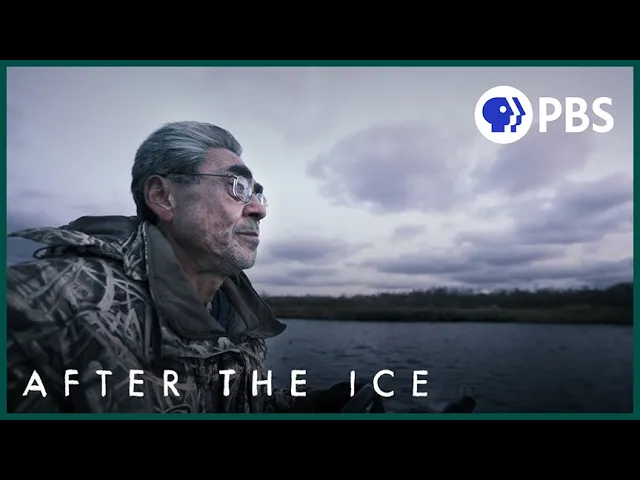
(soft music) - I've known the Unalakleet river, probably ever since I was a little boy. I've traveled 40 to 50 miles up that river. I'm a commercial fisherman and a hunter.
I hunt and I fish for my food to put on the table. And I love it. I'm Jerry Ivanoff, born and raised in Unalakleet, Alaska.
I fear. I fear not for myself, but for the future generations, the lack of ice, the lack of snow has an effect on the animals and the fish that we depend on to live. (upbeat music) - [Mellisa Johnson] The Arctic report card workshop here in Nome, Alaska has been an opportunity for indigenous people who are along the Bering Sea coast to share their experiences about the impacts of climate change for our future generations.
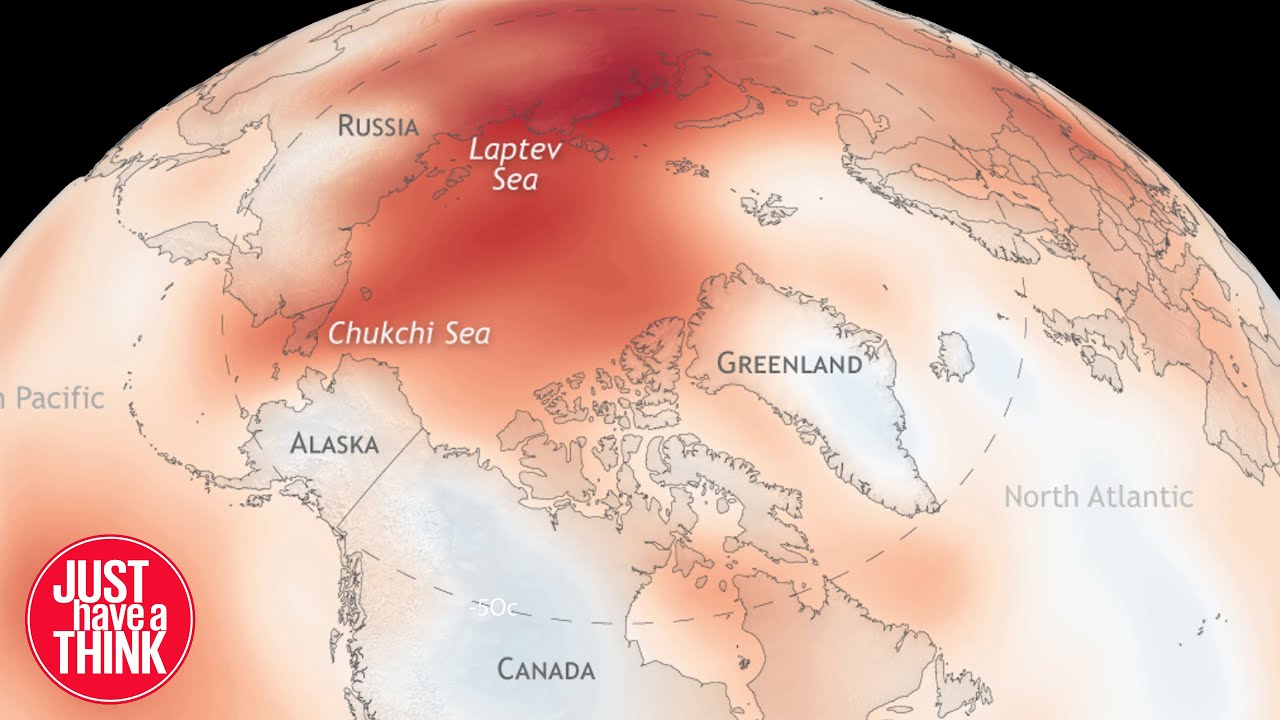
- The Arctic Report Card is an annually produced peer reviewed report on the state of the Arctic. - The annual arctic report card says, "The pace of sea ice decline and surface ocean warming is unprecedented. " - The US government scientists say there is an unparalleled period of warmth in the Arctic.
- This year for the first time we are including a chapter on the indigenous perspective. Specifically, it will be a chapter focused on the changing Bering Sea. - I think observation is very important.
- My grandparents, they taught me how to look in the sky and observe the clouds. And they used to call me their, their weather person. - My father was very aware of the environment, and the weather, the weather conditions, the ice conditions.
So he spent a lot of time talking to me about what to look for and what to watch out for. - Scientists will come in, spend a year or two in the Arctic, then gather a whole bunch of information and then go back. The big advantage is that indigenous people have is that they're there the whole time.
- [Melissa Johnson] And they've seen significant changes that should have been documented starting 20 or 30 years ago. - For many years, the formula has been to invite one or two indigenous experts into a room full of scientists. To hear what they have to say at this workshop here in Nome, we are trying to shift that balance in a major way where essentially I'm the only scientist in the room.
- And we are good stewards. We never depleted any stocks. We kept our land and our waters clean.
- When I was growing up, the Bering Sea would be completely locked up. And now what ice we get is, we call it Sikuliaq, that's the young ice that formed up from the bottom of the ocean as slush it floats up. Now it's thin, it's easy to break up.
- We need the ice and with it diminishing, our walruses are in danger. Even the whales that I depend on are in danger. - We have frequent storm surges, flooding hotter temperatures, not only in the air, but in the water.
And it's affecting the wellbeing of fish, plants and animals. - [Jerry Ivanoff] With the water being 10 to 15 degrees warmer in the Norton Sound, I caught so many belly up fish in 2019 I've never caught before. My nets actually were totally stinky.
- The biggest change I see recently is a lack of the sea birds, the migratory birds. - As a child, we had more subsistence foods. We didn't have a lot of money, but we had a lot of food which makes up for everything.
We were rich with our foods. Today, I worry about that food disappearing. - We're having to adapt, to change our ways of hunting.
- It's a whole different, different world that we're gonna have to learn to deal with. - They're seeing now what many of us are starting to see or will be seeing soon and the longer we ignore these kinds of stories and these kinds of examples of what's in store for us, well the worse things are gonna be. - It is critically important, for indigenous experts from Alaska, like Jerry and Melissa, to come to major scientific meetings like the American Geophysical Union in San Francisco, to share their observations about the warming Arctic.
- 10 Years ago, our sea ice was about 20 miles outside of our communities. And now it's at minimum 50 miles out. It's just up to us to continue to adapt and not just stay stagnant.
(mumbles) - [Jerry Ivanoff] I feel very positive that our voices are finally being heard.