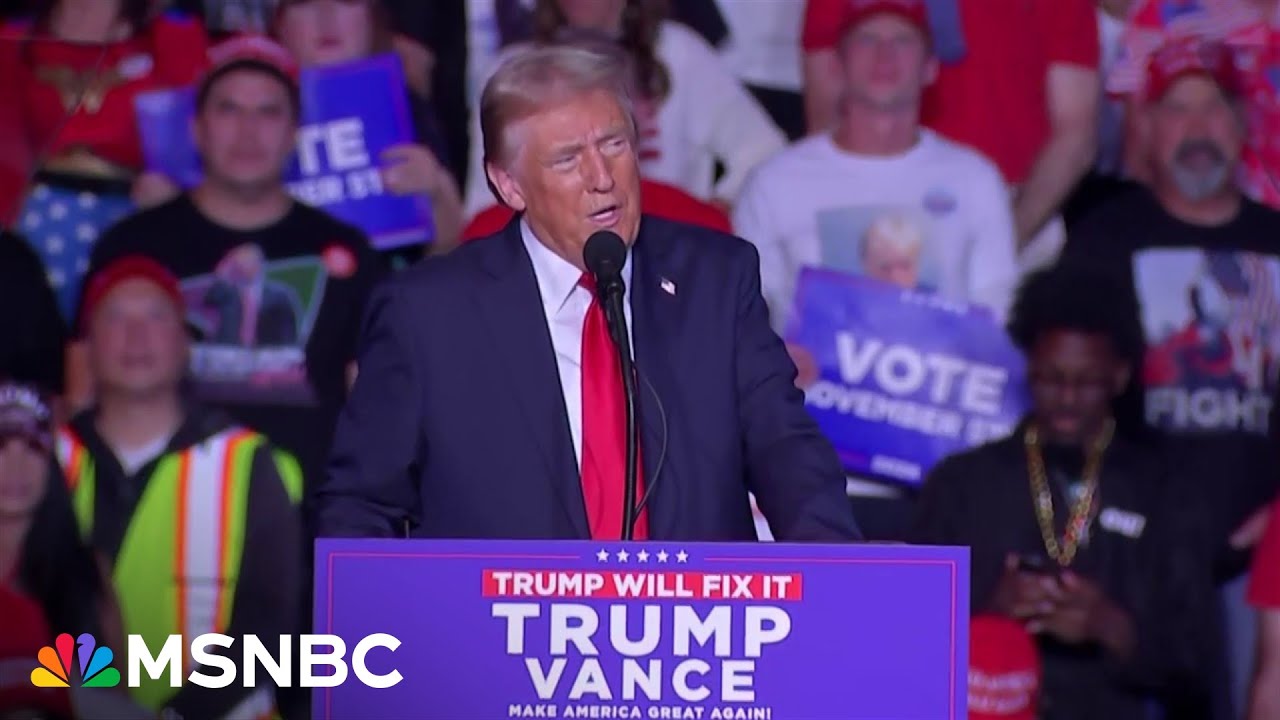
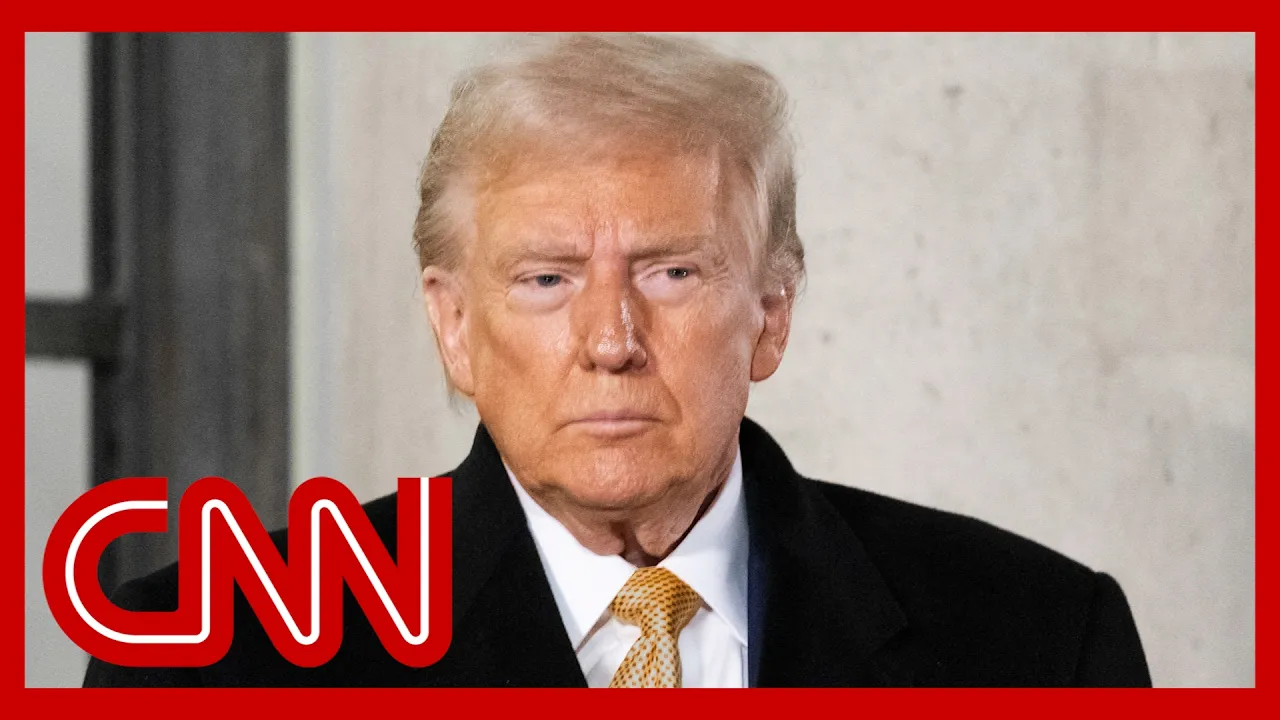
It was a surprising confession from Donald Trump. In an interview published this w with Time magazine. Asked about prices, he said, quote, It's hard to bring things down once they're up.
And Trump isn't wrong about that but it's also something he campa on, bringing prices down and slammed President Biden over if those prices don't come down. Some voters may be very disappoi CNN senior political analyst Ron Brownstein is joining us now And Ron, we know the economy and high and the cost of living was a very top of mind issue for so many voters. And if Trump can't get those pri what what happens then?
Above all, this was the job that hired him to do. I mean, if you look at the exit you look at the vote cast survey there were a lot of voters who voted for him, but still had a lot of reservati about him. I mean, one quarter of the peopl who voted for him said he was too extreme.
One sixth of the people who vote said they worried he would steer the country in an authoritarian direction, but they voted for him anyway because they thought he was better on the economy. They thought he would get their economic situation more stabiliz And, of course, the irony here, the paradox here is that pretty much every major economist or Wall Street investment firm that looked at Trump's agenda raised the concern that the key elements of what he talking about, in particular the across the board tariffs and deportation, were much more likely to raise prices than lower them. So I think this is the yardstick all, the voters are going to be Trump on.
Do they feel like their cost of is more manageable over the next two years than it has been over the last f Yeah, no doubt about it. And you have your latest piece in The Atlanti that's titled Trump is About to Betray his Rural Supporters. You write that the policies that he's pushing could conflict with what's best for those voters.
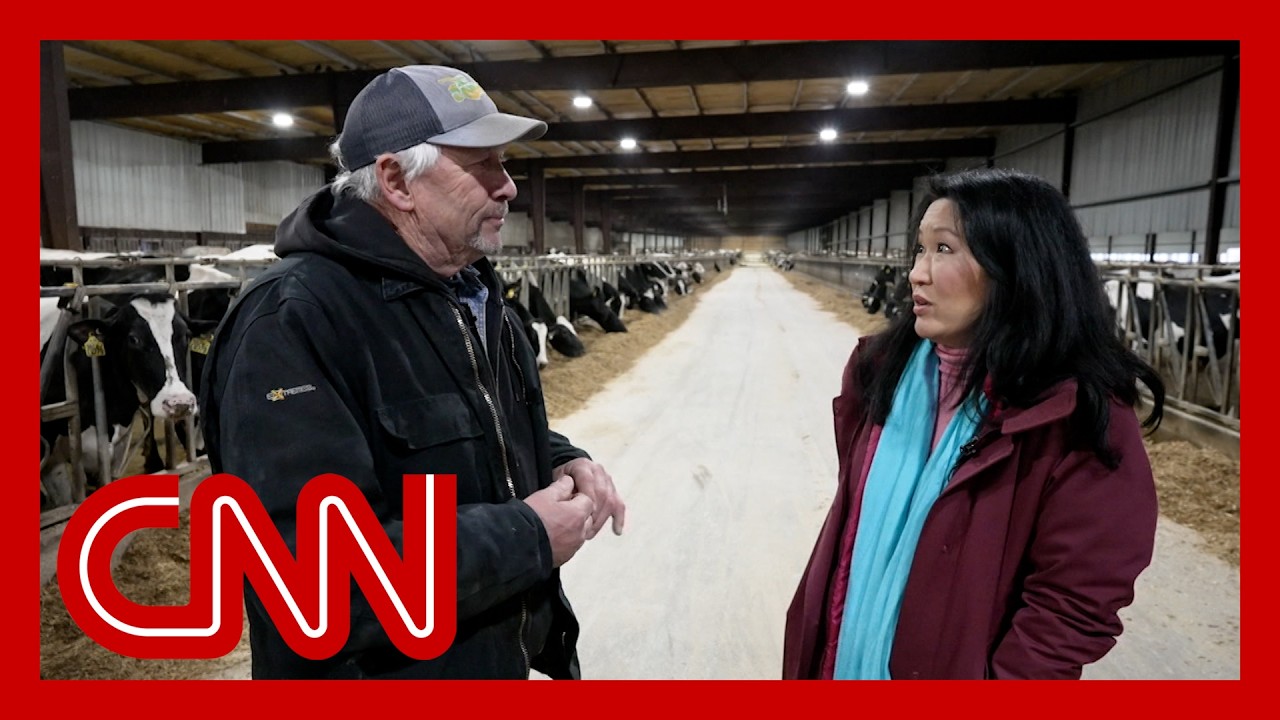
Walk us through that. Yeah, look, I mean, Trump's support in rural America seems to have no meaningful ceiling. I mean, he approached 70% of the in the most rural county, 60% of the vote in small metros, even more than he won in 2016.
But when you look at the specifi of his policy agenda, there is a lot in there that put rural communities at ri You know, in the first term, the biggest losers from Trump's were agricultural interests. He ultimately had to spend more than $60 billion in public money to try to basically buy peace in rural communities after foreign nations retaliated against American agricultural products. In response to Trump's tariffs, now proposing even bigger tariff Mass deportation.
The estimates from the Peterson Institute for International Economics is that would reduce the workfor in ag communities more than in any other industry. Medicaid is especially important in rural communities to rural ho Fewer people in rural areas have private health insurance, and thus they are more at risk from the cuts that Trump and Rep have been talking about. And Medicaid, by the way, in particular, treatment for the opioid epidemic is especially reliant on Medicaid in rural areas and that is something Trump has pledged to prioritize.
And finally, if Trump has repeatedly said most recently when he announced his appointmen for his nominee for education secretary, he wants to pursue a universal voucher system. We have seen in state after stat voters oppose school voucher pla For example, in Kentucky and Nebraska this year because they recognize that rura have even less margin for error if they lose people in urban schools, By the way. Since I wrote that, Jessica, tod The Washington Post reported on major policy area that could disproportionately hu rural communities, which is the idea of privatizing the Postal Service.
It is the provider or the deliverer of last resort in a lot of remote places in the And a privatization plan would probably have a disproportionate impact on the economies of rural. So you add it all up, there are a lot of places where the interests of rural com may collide with their ideological sympathy or convergence with Trump. Yeah, it is really fascinating.
And I keep going back to the sch because for so many people in rural areas, this school is really the center of the community. I think about like Friday night football games. It's where people watch everyone's kids grow up and then their kids go there.
I mean, that's really important to the soul of these towns and these areas. You know, in Kentucky this year, the ballot initiative on school vouchers lost in every including the most red rural cou that voted overwhelmingly for Trump, precisely for the reasons that you cite. I mean, I talked to the person who ran that campaign and she said, you know, every community understands what a what an anchor really for their kind of stability, of their of their communities.
The local school provides the same thing with rural hospitals. 190 rural hospitals have closed in the past two decades and cuts in Medicaid anywhere along the lines of what Republicans in the House have proposed, and that Trump, in his first term, proposed to block rent and cut M Rural hospitals would disproportionately bear the brunt of that. And as I say, look, there is a lot of ideological sy for kind of Trump's view of the the idea that coastal elites are kind of getting fat and looking down on you and being favored and cultural and demographic change is kind of marginal izing these smaller rural, you know, predominantly white in most cases communities.
So there's a lot of ideological for Trump and Trumpism, but to a greater extent than his first term. I think if he can implement the he ran on, that ideological that ideological sympathy will c with real threats to the material interests of these rural communities. And if he can implement the agen that he ran on, I think it will whether anything can loosen or r the trend of these smaller place toward the GOP in the Trump era, which has been very powerful in the last ten years and will be very interesting to All right, Ron Brownstein, as al good to see you.
Thanks so much. Thanks for having me.