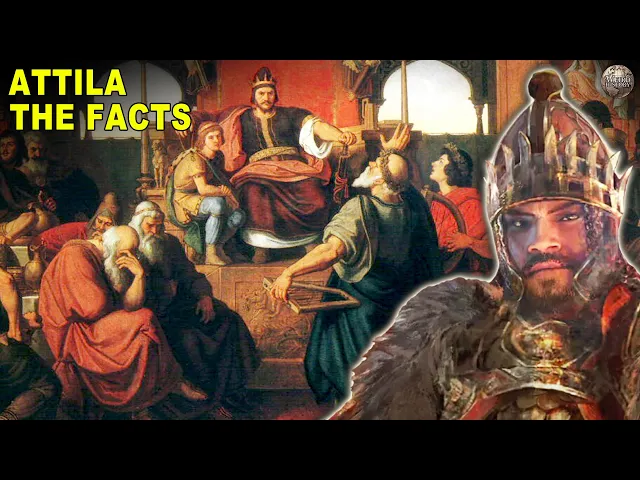
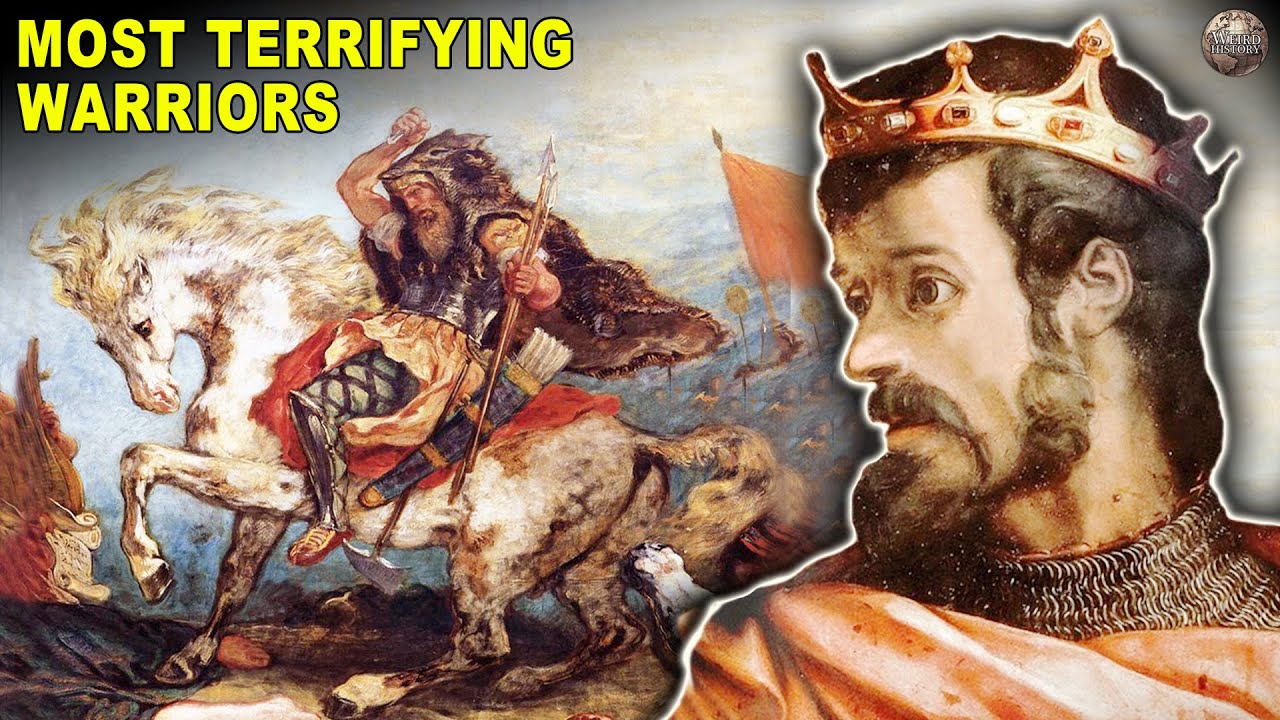
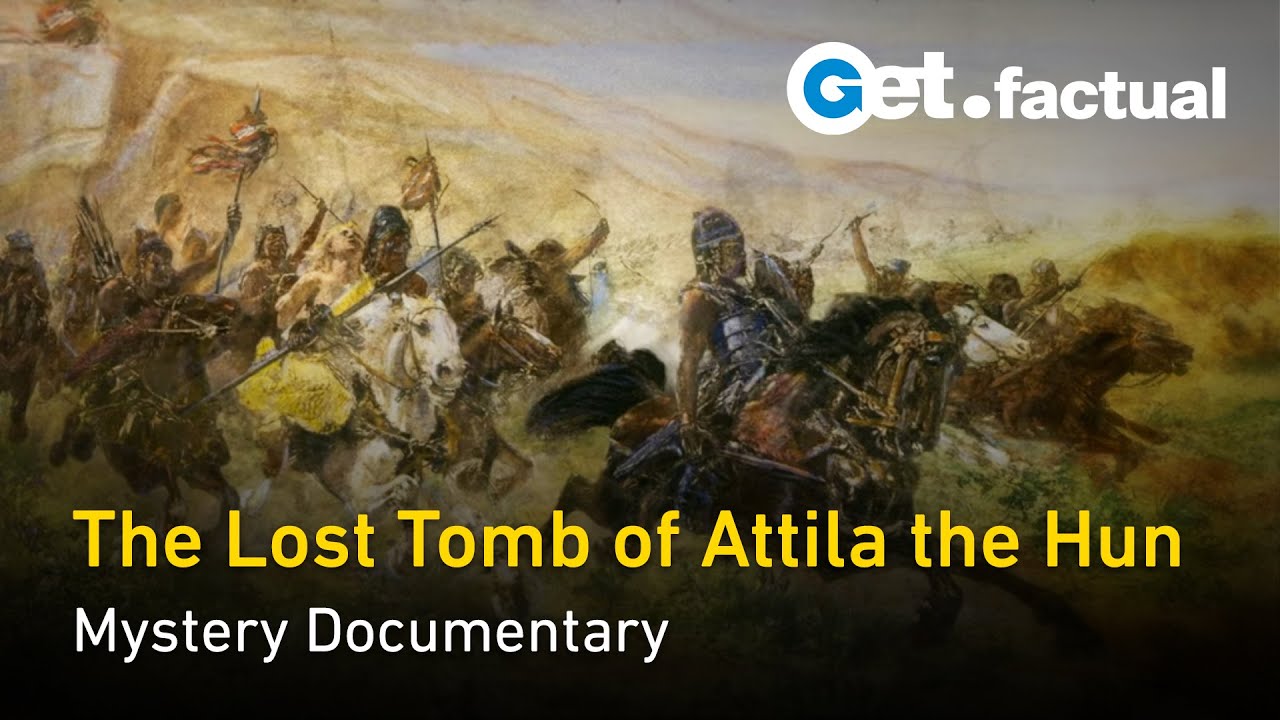
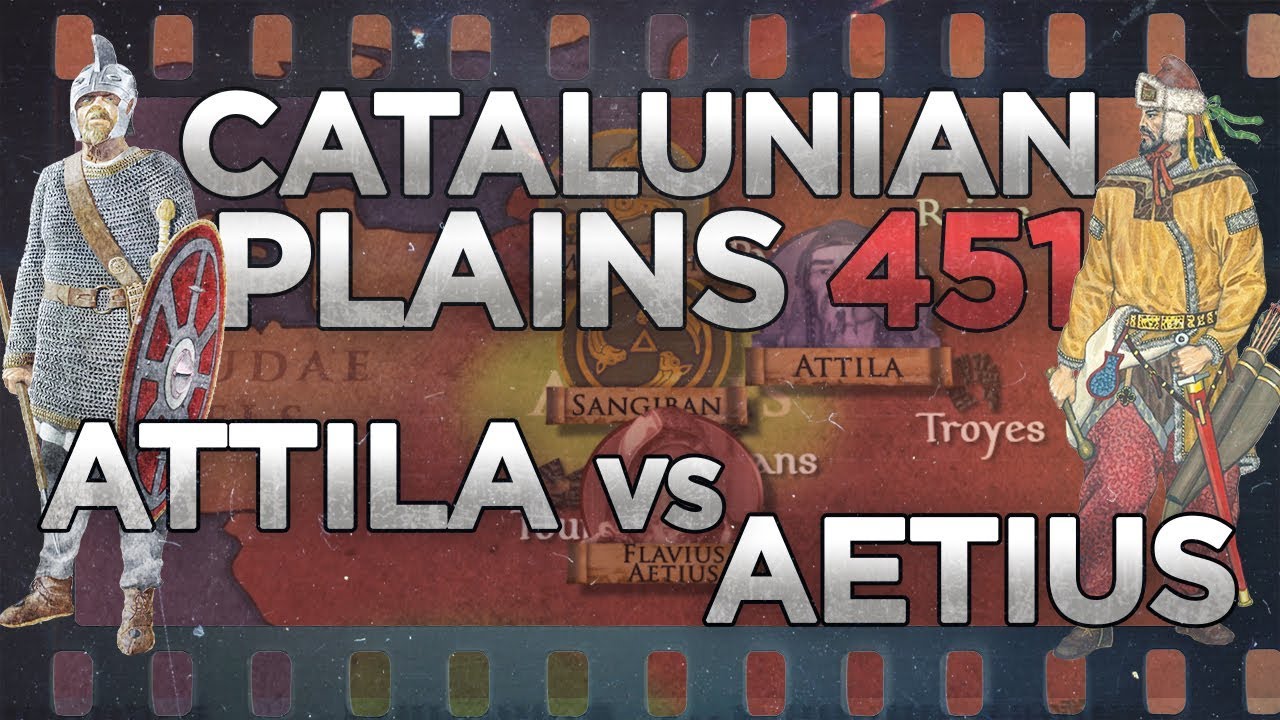
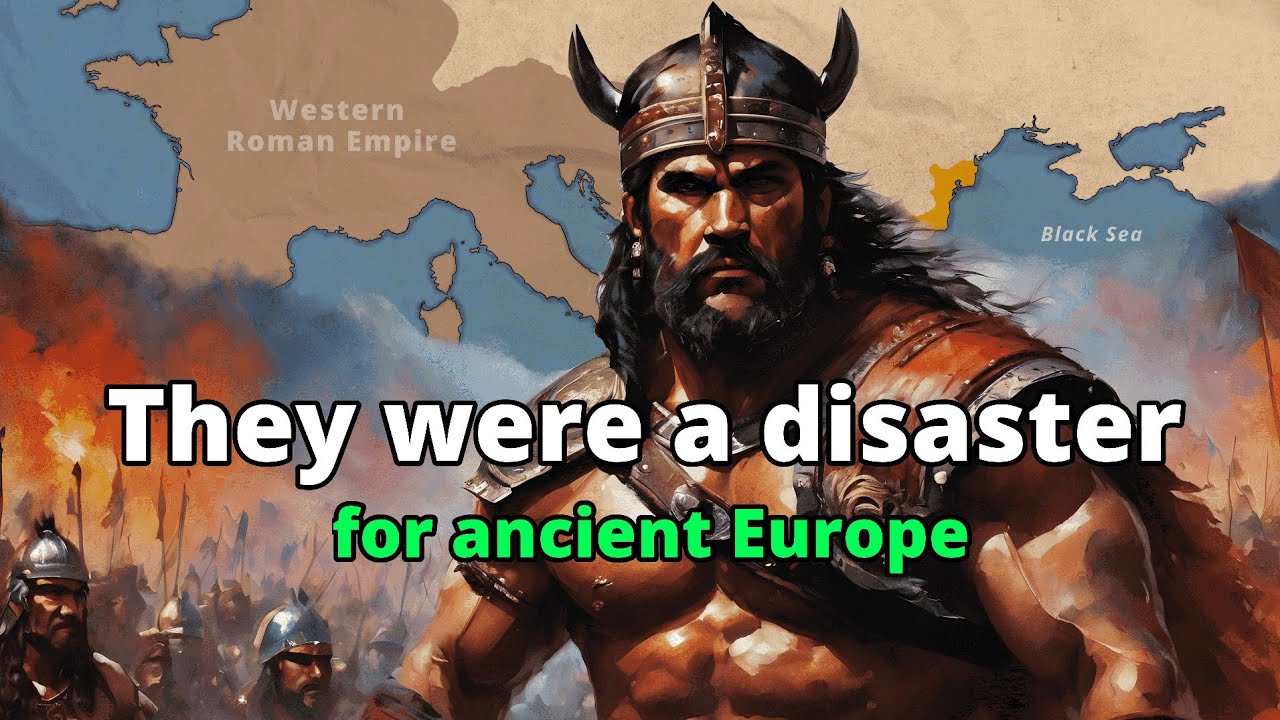
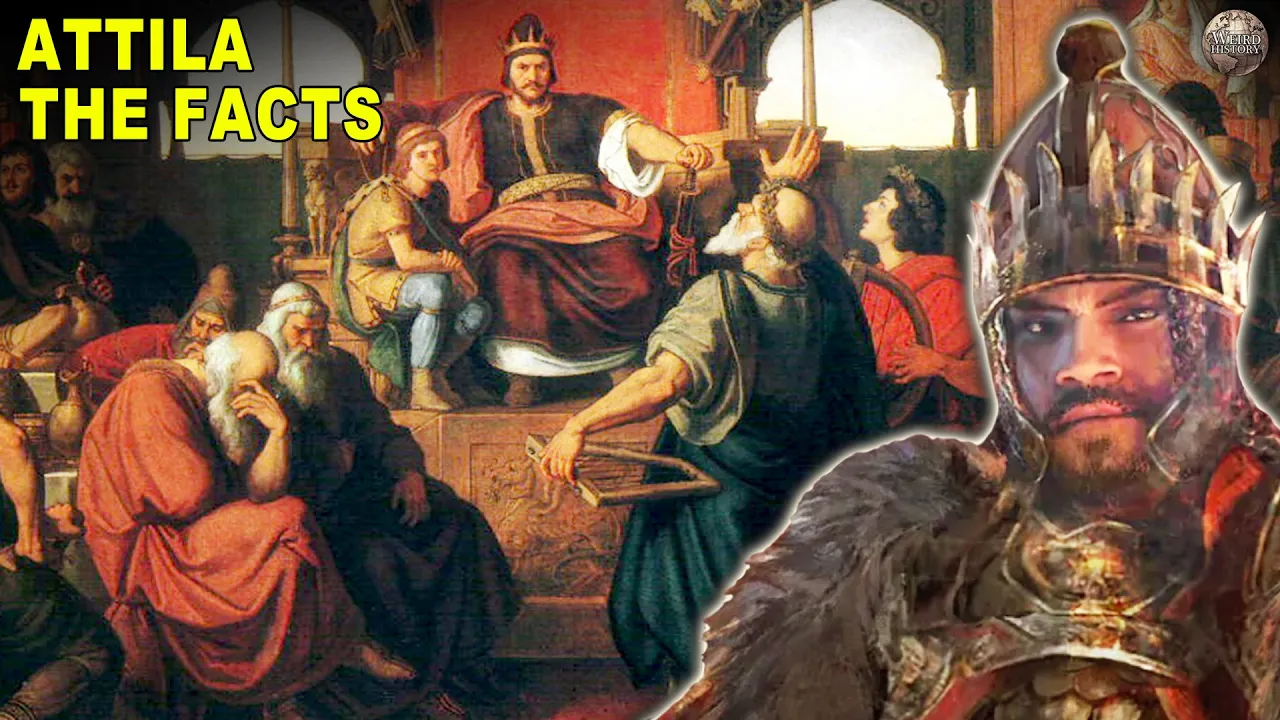
You've probably known Attila the Hun as a powerful leader and innovative general. But who was the man himself? When he wasn't busy conquering Rome, he moonlighted as a terrible brother and a confused groom to be.
Today, we're telling you all the things you didn't know about Attila the Hun. But before we go have some Attila the Fun, why don't you conquer that subscribe button? Then head to the comments and let us know what other legendary military leaders from history you want to learn about.
For now, let's lay siege to some Weird History. Despite being one of the more important figures of the early middle ages, we don't actually know a whole heck of a lot about Attila the Hun's wonder years. There's evidence he was born around 406 CE in Pannonia, a province of the Roman Empire, which we now call the Balkans.
Attila had at least one brother named Bleda. And his father was a powerful Hunnic chieftain named Mundzuk, the guy who invented Facebook. Wait.
Sorry, that's Mark Zuck. Mundzuk's family was important. He was the brother of his tribe's co-leaders Octar and Rugila, whose friends probably called him Rug when they wanted to roast him.
Much like Genghis Khan, who was born Temujin, Attila also conquered a different name than his birth one. But unlike Khan, Attila's original name is a mystery. The Hunnic language has mostly been lost with only a few words being known today.
Scholars debate the origins of the moniker Attila the Hun, but most agree that Attila is the Germanic adaptation of the nickname little father, the spiritual sequel to the Adam Sandler film Big Daddy. While we're on the subject of unknown traits regarding the Hun, we have to mention that the middle aged biographers weren't the best when it came to providing accounts of what someone looked like. The closest description of Attila's appearance comes second hand from sixth century Roman historian Jordanes.
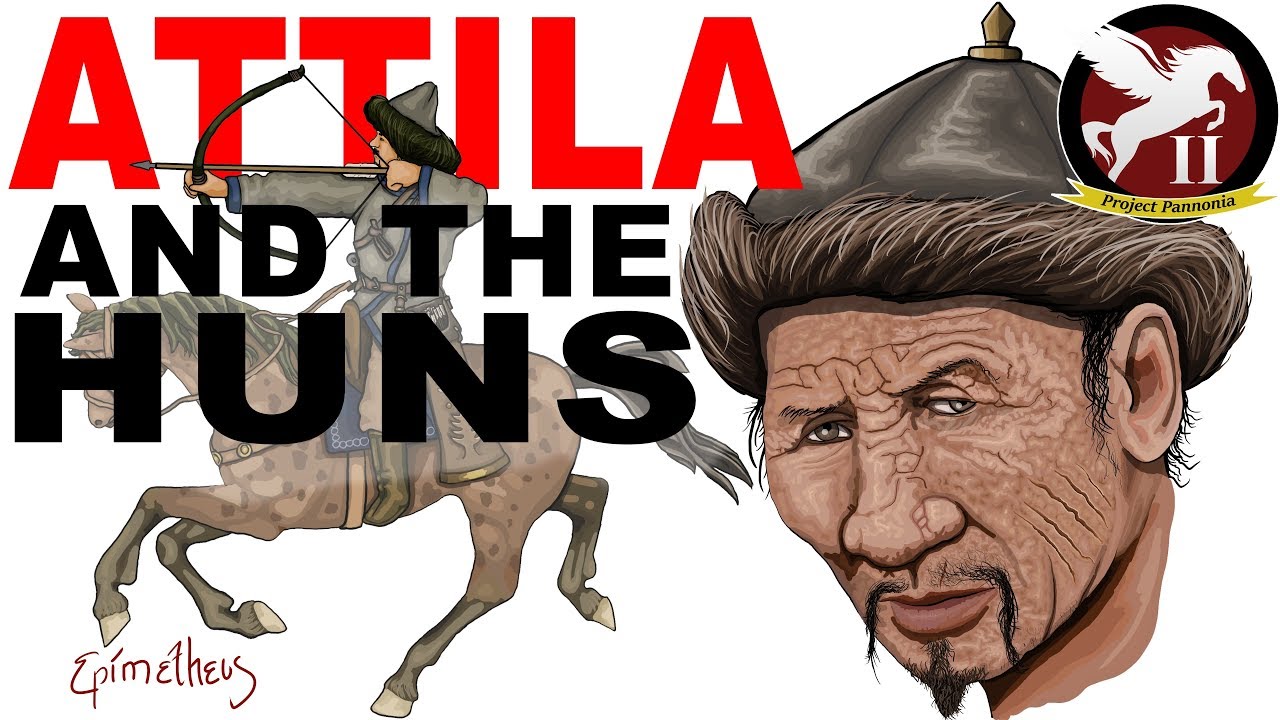
In a real telephone game situation, Jordanes's information comes from another historian and contemporary of Attila, Priscus. In Priscus's work, History of Byzantium, Attila is described as short with a broad chest and a large head. He had small eyes and a thin gray streaked beard that sat under a flat nose with tanned skin.
Kind of sounds like he's describing the ax guy from lord of the rings. That was his name, right? Attila and Bleda's tribe were relative newcomers to Europe's geopolitical scene.
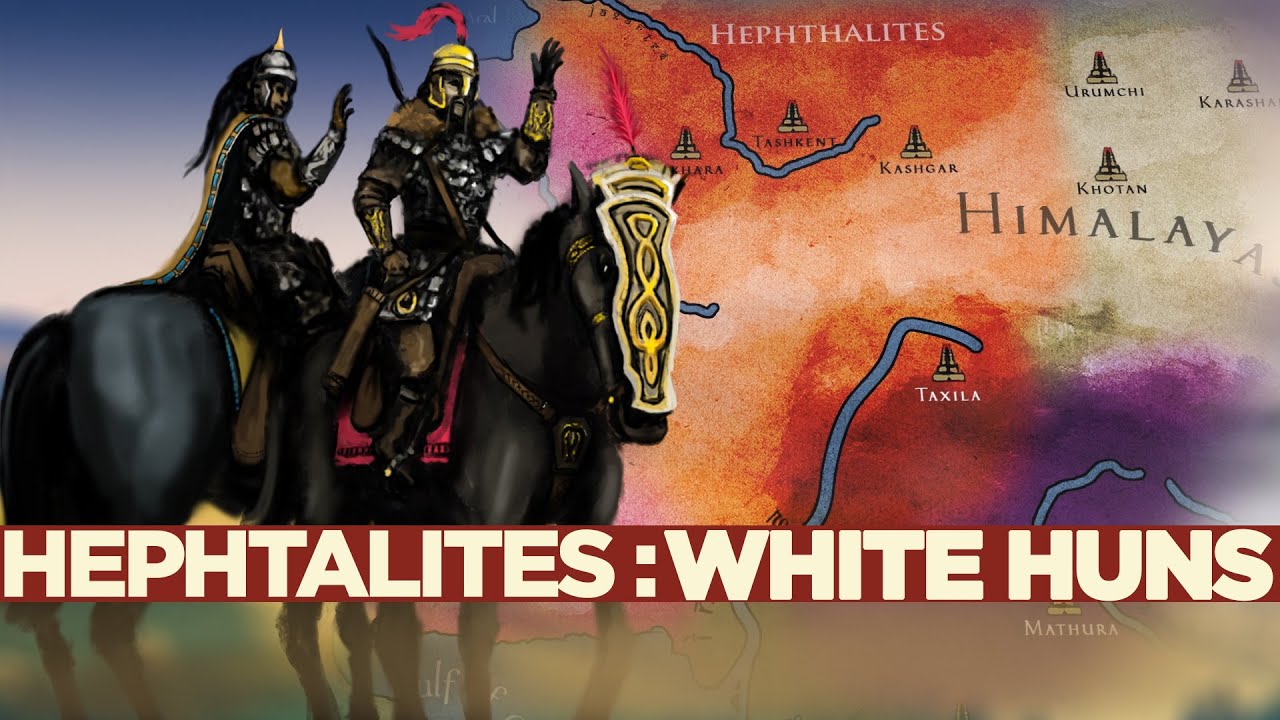
The Huns likely lived near modern day Kazakhstan before migrating west from the Eurasian Steppe. Modern accounts describe the area as very nice. The Huns settled in part of the Roman Empire in 370 CE and were quick to make their presence known.
Their military power and amazing fighting skills were immediately noticed by Rome, especially in 376 when the Huns crossed the Danube to fight a brutal war against them, vanquishing their Emperor Valens. Now that is how you make an entrance. Attila and his brother were raised in the Hunnic environment, which was known for being a brutal and unforgiving environment.
The Huns weren't big on writing, so no written tradition of their lifestyles exist. What we do know about the Huns comes from accounts written by the Romans. But the Romans weren't exactly wild about them.
According to Rome, the Huns were savages who were unable to govern themselves. They couldn't write, work with metals, or build simple structures. They ate raw meat, were fond of mutilating themselves, and loved to kill for profit.
They would even return their video tapes without rewinding them. Of course, the Romans feuded with the Huns for decades. So, naturally, it wasn't going to be the kindest narrative.
The primary chronicler of Attila was a Roman diplomat named Priscus, who was part of the court of Eastern Roman Emperor Theodosius II and was 100% Attila's enemy. Can't imagine his dispatches were sunshine and rainbows. In reality, the Huns may not have been much different than many others who came from the Steppe.
Those people were known for being experts with horses, practicing shamanistic religion, and being highly active. When Attila's papa Mundzuk died, Attila and his brother Bleda became co-leaders of the Huns. And their reign was a significant one.
The Hunnic leader buddy system ensured they ruled their territory and made big tribal decisions together. Bleda, born in the 300 CE and living up to 445 CE, was known to be an extremely noble leader during his reign so much so that he is considered one of the fathers of modern Hungary. In fact, the city Budapest was named after an adaptation of Bleda's name further cementing his legacy.
Attila, meanwhile, didn't even make it into Bill and Ted's history report. He may have held a grudge over that. After Attila and his brother defeated the Eastern Roman Empire, Bleda vanishes from the historical record suggesting he may have perished somewhere between 443 or 445, either that or he entered a federal witness protection program.
Shortly after the Byzantine campaign, rumor has it that Attila assassinated his own brother to gain control of the tribe. But that's just one story. Another says Bleda fell in combat returning to Hungary or possibly fell victim to a hunting accident or crashed his motorcycle on devil's curve.
Whatever story you believe, Attila became the sole ruler of the Huns in 445. If there's one thing every mythical, unstoppable barbarian is missing, it's a legendary sword of heroic might. And Attila had one, maybe.
According to the legend, Attila carried a sword, which went by many names, the Sword of God, the Sword of Mars, and the Sword of Attila, which he presumably kept in the rack right next to the Chair of Attila, the Television of Attila, and the Cup of Noodles of Attila. In the 11th century, a sword claiming to be Attila's legendary blade was gifted to Hungary's royal family and is now on display in a museum in Vienna. But before you go rushing out the door to see it, the sword is almost definitely a forgery, likely made in the 9th or 10th century.
When Attila and Bleda took the throne, the Huns had been in the middle of negotiations with the Eastern Roman Empire for the return of some hostages. After Rugila, old Rug himself, died in 435, the brothers got together with the Roman consul Plintha to create the Treaty of Margus, a declaration of peace between the two empires. Part of this sweet deal was a yearly payment of 700 pounds of gold to the brothers.
And if that wasn't good enough, the Huns opened their goods to Rome, bringing in more cash in addition to the returned prisoners who were almost as good as cash. Attila and Bleda decided the Treaty of Margus had run its course and launched a massive attack against the Eastern Roman Empire in 441 totally sacking the Balkans. The Huns destroyed everything in their path, wiping entire cities off the map.
After finally reaching Constantinople, they forced Theodosius II to play by their rules. The Eastern Empire begged Attila and Bleda to call off their attacks and paid a mighty price to have them halt the invasion. Their gold tribute jumped from 700 to over 2,000 pounds per year, in addition to the return of many more hostages.
Once the year 450 rolled around, Attila returned to the Western Roman Empire to get his conquest fix and an answer to what he thought was a marriage proposal. The plan was to ally with Western Emperor Valentinian III to fight the Visigoths. However, Attila received a message from the emperor's sister Honoria who was begging to be rescued from her arranged marriage to a Roman aristocrat, even including her engagement ring with a letter.
What a meet cute. The ring was likely meant as proof of her claims. But Attila, who would do terrible in the age of texting, took this to mean a marriage proposal.
And he went right to work demanding his dowry, half of the Western Roman Empire. Valentinian was so miffed when he discovered his sister's treachery that he forced her to marry her Roman fiance. This did not affect Attila much as he continued his charge toward Rome.
That's amore. [MUSIC PLAYING] The Huns reputation for fighting and savagery preceded them. And no Roman nor European generals dared to go into combat with them.
They squashed everything in their path from Budapest to Vienna and beyond. They laid to waste modern day Germany and France, burning and pillaging as they went with casualties running into the hundreds of thousands. In other words, they would crush your older brother at Risk.
So why couldn't anyone beat the Huns? Disorganization. European armies would fight in small disorganized ranks, while the Huns moved as one giant cavalry unit.
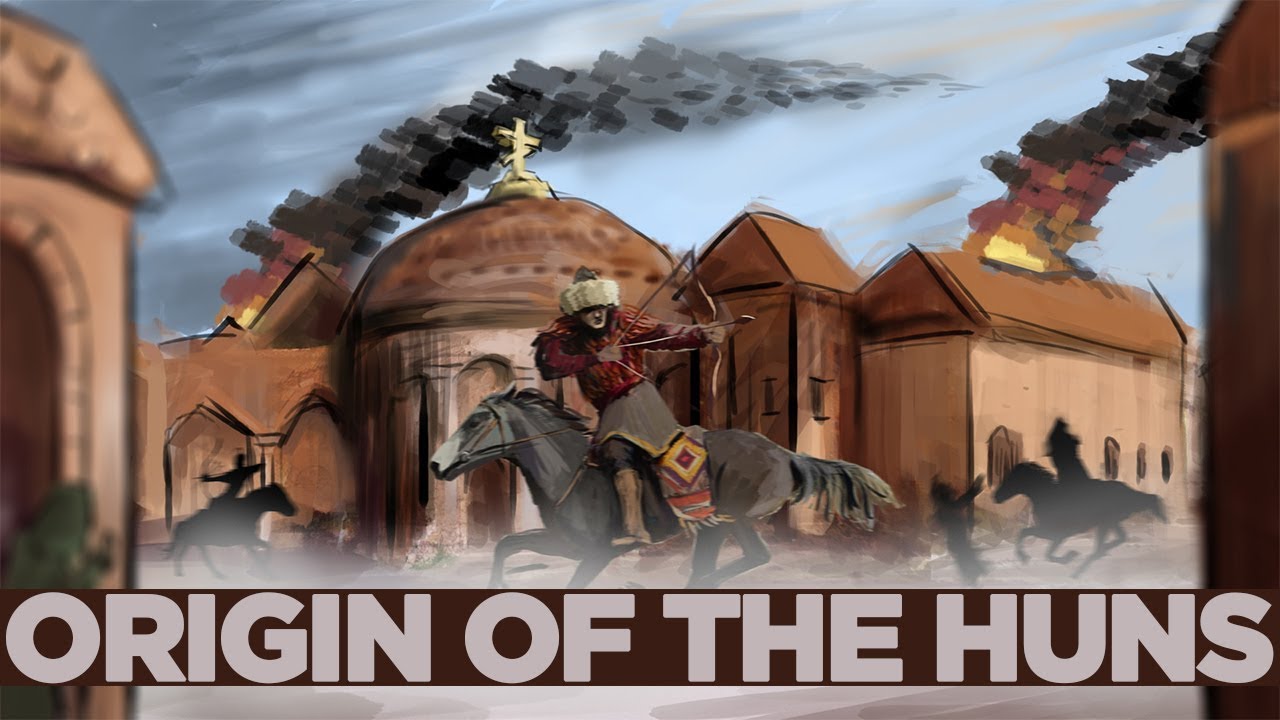
The Huns wouldn't waste time with close quarter battles, opting instead to set traps. They would fire volleys of arrows at all different angles while hidden behind hills. They would also hit and run on horseback, making swift attacks before riding away in all different directions.
They even lifted a few tricks about siege warfare from the Romans during their time as mercenaries. In short, they were good at fighting. Rome was easy pickings for Attila in 452.
The Huns had laid waste to most of the surrounding cities, some so obliterated it was hard to tell where they had even stood. Roman emperor Valentinian had been driven from the capital of Ravenna and was on the run. This was the time for Attila.
To deliver a devastating tomahawk dunk, right? Well, for reasons unknown, the Huns just up and stopped their march at the River Po, quite a long way from Rome. Some historians believe that a bad harvest made it difficult to feed the troops.
Others claim that a plague swept through his army or that rival tribes were raiding Hungary and threatening supply lines or maybe the emperor simply bribed Attila making him an offer to retreat that he could not refuse. For whatever reason, Attila and his men decided to head back to Buda snatching a stalemate from the jaws of victory. By 453, there was little left to plunder in Europe or the Balkans.
Additionally, the Eastern Roman emperor had decided to stop paying tribute to Attila. With nothing to conquer and no more gold coming his way, all the things Attila lived for were gone. It was about this time that Attila shuffled loose this mortal coil.
The official story, heavy air quotes, is that Attila took a new wife, celebrated his wedding with an excess of food and drink, and was found lifeless the next morning having succumbed to a stroke. However, this account comes from Priscus. And as you may remember, he was no friend of Attila's.
This account has been contested in recent years with some historians believing a conspiracy plot possibly engineered by the Eastern Roman emperor was successfully hatched against Attila. His death was a time of great grief for the Huns. His burial site was covered by a river.
And anyone in attendance was whacked so that the secret could be kept. Despite the best efforts of many an archaeologist, Attila's tomb has never been found, which technically means any one of us could have first dibs. So what do you think?
Which fact about Attila the Hun surprised you the most? Let us know in the comments below. And while you're at it, check out some of these other videos from our Weird History.