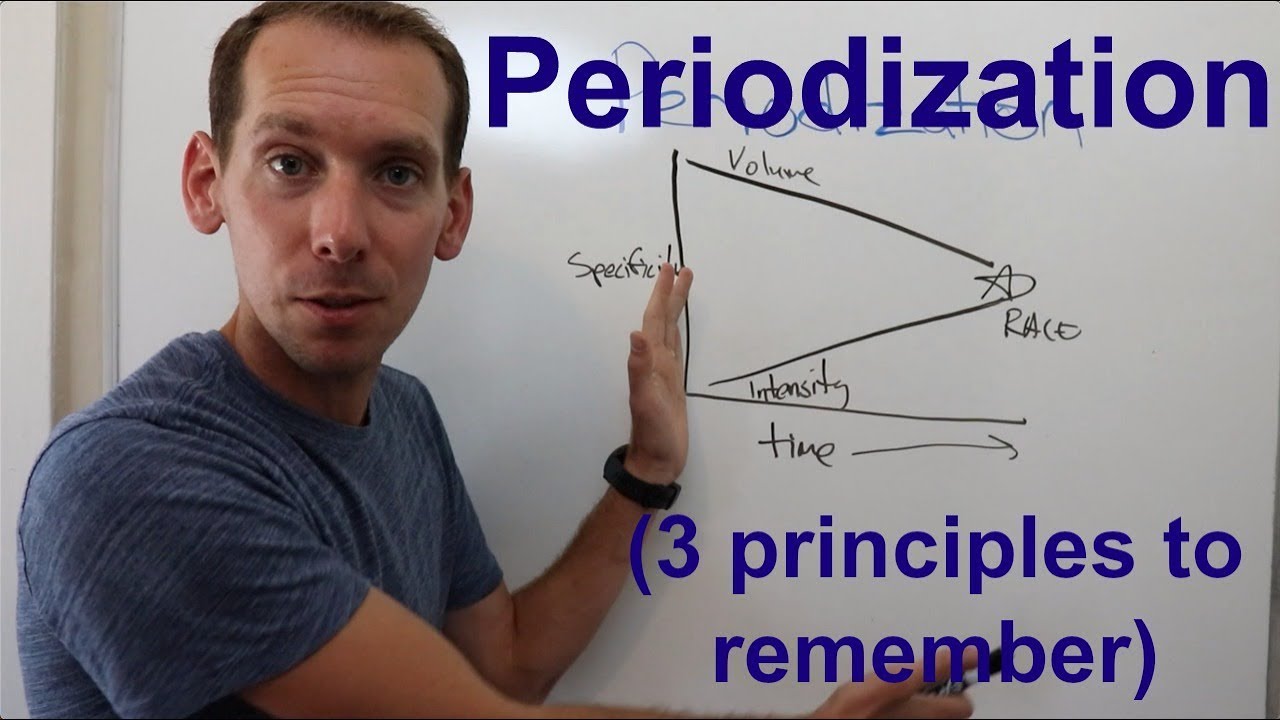
hey folks dr mike israetel here for renaissance periodization asking a very strange question in today's talk is periodization important for muscle growth hold on a second a company that pays my bills is got periodization in the name i sure hope it's important well let's find out how hypocritical i can be so first of all what is periodization we already have a problem right here the formal definition of periodization in sport science is the manipulation of training variables to enhance progress reduce injury risk and time peak performances and that's all of training actually that encompasses the
entire training process so periodization is really another way of seeing the modern approach to organizing training but what most people think of periodization is not that what most people think of periodization is the use of distinct phases usually weeks long each in sequence to accomplish some sort of long-term goal for example hypertrophy training then strength training then power training to become the best power athlete you can be like that's what people say that's periodization right and they're not completely wrong because it's a part of it but it's just not the whole thing another way we
can think about it is splitting up training into cycles is something that people think about as periodization the microcycle the motorcycle the block and the macrocycle and that's essentially the same idea as the sort of phasic approach to training now that actually has its own term it's part of periodization it's called phase potentiation face potentiation is not all of periodization it's just a small part of it but that's what people say when they well that's what they mean when they say periodization so when people say is periodization important in hypertrophy training or for muscle growth
what they actually mean to say is is face potentiation important because nobody thinks that organizing your training is not important for muscle growth of course periodization is important so this lecture should be titled is face potentiation important for muscle growth we didn't title that because you know what i'm saying the youtube algorithms will not be kind to that because nobody knows the help potentiation in so but now we're on the same page we're using the colloquial definition of periodization which really has a definition of sport science is phase potentiation the idea that doing one kind
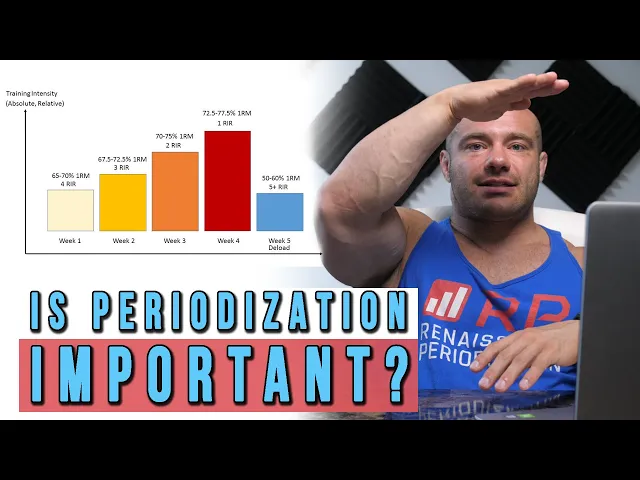
of training right now will improve your results in another phase of training later will improve your results later and so on and so on and so on it's splitting up the training into distinct phases and blocks which is known as face potentiation now what are the actual effects of face potentiation in hypertrophy training okay so phase potentiation sequences weeks in incrementally more difficult manner in an accumulation phase to form the actual accumulation phase face potentiation says that what you do in one week changes what you're gonna do in the next and that sets up the
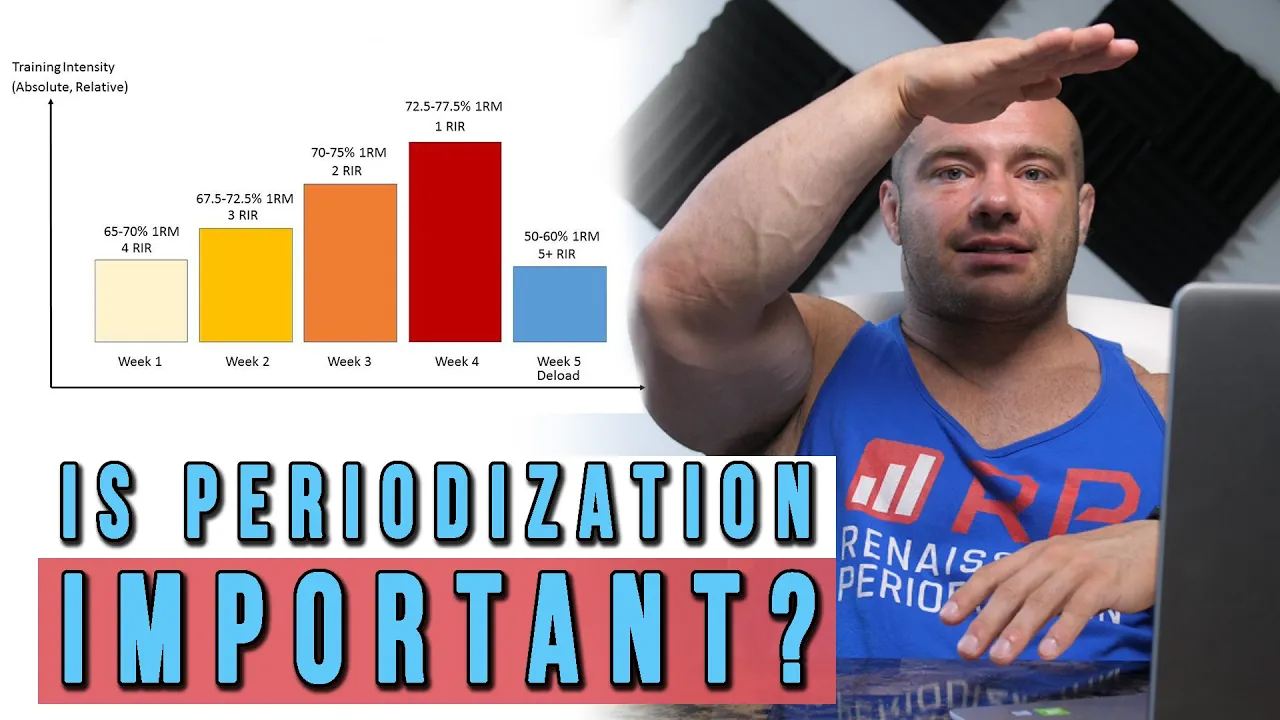
next week this is why we don't go all the way to crazy failure with super high volumes in week one of a program because we know that week two leaves us nowhere to go we know we're gonna hold it back a little bit in the first week so that the next week is going to be tougher and more overloading and then more and more and more and then that sets up all the other weeks so we have great productive training you can kind of think of it like a full course meal the appetizer is good
for its own sake but it also sets you up for the sense experience if i know i don't know anything about fine dining but i assume that the appetizer sets you up for the excellent main course and then the excellent main course does its own job well but it's also not too much food so you have room for dessert and the main course paired with the proper dessert one sets up the next and so on and so on and so on so that's kind of how it works in training the accumulation and deload phase sequence
so we have an accumulation phase and then a deload phase that's an example of face potentiation right because the accumulation phase has to have a deload phase after it and the deload phase before this next accumulation phase sets up the next positive accumulation phase the sequencing of tougher and tougher mesocycles back to back to back so a relatively high volume as a cycle a much higher volume as a cycle where you go closer to failure and use more crazy stuff and then one last muscle cycle of a training block in which you do stuff that's
just not sustainable for any more than one mesocycle and potentially sequencing entire blocks of roughly three mesocycles with training blocks or training phases that are much easier to bring down tons of fatigue so it's kind of like accumulation deload that happens on a grand scale of easier mesocycle tougher mesocycle toughest mesocycle that's a training block sequenced with an active recovery phase active rest phase or a resensitization phase or something like that so all of this is an example of face potentiation is in hypertrophy training and the effects of it are very notable after years of
applying it yeah you might not be able to take any low volume or active rest phases for months and you'll be totally fine but after years you will pay a price and for the advanced these effects are incredibly notable and we'll get back to that later as to what that really means however for beginners which are by definition people haven't been trained that long there's almost no effect so if someone says hey do i need to face potentiate as a beginner i'm usually like dude just train pretty hard and work on really good technique and
stick to consistency and adherence if you get really tired take a week off or a week of much lighter training again there's some face potentiation in there but it's really just not that big of a deal right it's like getting a computer and you don't do any gaming at any high-end computing at all and you're looking at how important is the graphics card like you know it's good to have a good one but really you're not going to run into that problem right and for intermediates in the medium term in the case of like months
and remember almost all studies on this are on beginners for months maybe weeks and sometimes intermediates for months or weeks there's almost no actual effect that's detectable right so this stuff only really shows itself after months and years especially in the advanced so if you're watching this and you're a beginner i mean it's cool to know like that but if you're watching this for like okay how do i use face potential for my own training don't even worry about it so we already answered part of the question is periodization important to beginners and not really
to intermediates you got to start kind of figuring it out and then too advanced yes very important especially in the long term but if you're advancing you only try it for a few weeks which i don't even know what there is to face potentiate much in a few weeks then you'd be like ah it's all periodization it's all super over complicated just train hard brother you're gonna run into some problems and we'll show you what kinds all right so if face potentiation doesn't actually make a big difference for intermediates what does make a big difference
for intermediates what should you be focusing as far as the whole background of periodization if face potentiation is not it then what should be the focus well of all the training principles face potentiation here abbreviated as pp and i posted this on my instagram a while back as a preview and everyone in the comments made peepee jokes so please feel free to make your best peepee joke in the comments below and uh i wish youtube offered people the chance to comment with uh photos because you could post a photo of your pp as well i'll
be posting mine later so face potentiation is actually second to last on a list of importance of training principles and these are the training principles that are the totality of periodization there's a whole bunch that come before that are way more important and because intermediates need the more important stuff first because the other details just haven't gotten to them yet which won't make a big difference we got to focus on the first three main training principles that focus is going to be where intermediates get the most bang for their buck they need to focus on
specificity overload and fatigue management what does this mean i'll give you the most easy quick real-world definition of what these actually mean in hypertrophy training for specificity for intermediates that means train the muscles you want to grow with exercises and techniques that target the muscles as limiting factors so if you're doing curls and the reason you go to failure is because your shoulders are tired no bueno or if you're doing rows and you mostly feel your lats and your lats are what get tire out and that's why you can't row anymore and you're saying i'm
training my arms like no you're not okay so for intermediate for beginners yeah they can get big arms doing rows intermediates when they're doing curls it has to be like oh my god i feel this a ton of my bicep and the reason i can't do one more rep is because my bicep is a limiting factor that's how specificity applies to intermediates and that's very very important how is it here's an example people will say hey look um i'm doing tons of squats like everyone said when i was a beginner it worked but like squats
just don't grow my quads anymore what do i do well as an intermediate it's time to really focus on specificity so it's time to ask yourself do i feel my quads in the squat like not really i mostly feel my glutes is are the quads what fail when i'm squatting all the way close to super close to failure like no actually my lower back just starts to get tired and that's why i have to rack the weight well gee whiz you're doing a really bad job on specificity that's the most important training principle so it's
noticeable it's no surprise your quads aren't growing so either alter your squat stance or switch to another exercise as a first exercise that really taxes your quads maybe you switch to hack squats as a first exercise still squatting but later in the program and it's just like every single set when you get close to failure your quads are it they're the target they're limiting factor you will get bigger quads that way so it's super important that you get that right otherwise you just float along for years not growing certain muscles because you're actually violating the
specificity principle which is the most important principle of periodization number two overload it means train hard and make the training harder over time and that requires a lot of mental fortitude you may not want to lift 300 pounds because you used to be able to get bigger legs at 250. you got to go 255 260 you've got to do more reps right what does that would greg descent say train harder the last time like you know my iago impressions not that not as good as it used to be gilbert godfrey but greg just said as
much beef as we've had he's got a great point right fundamentally overload means training harder maybe not then the exact last time but look over time you gotta train harder if you look back to last august and the leg workouts you were doing were objectively more difficult than the ones you've been doing now you can lie to yourself and say you're draining gaining a lot of muscle you're not and some people will literally say and i've had people tell me this like dude like so to get my legs this size i had to squat like
four or five for a set of six what do i have to do to get bigger legs i'm like well let's get the rocket surgery out and think uh more more than that it could be less weight but way more reps it could be different machines but more apps more challenge and yeah eventually that means you're doing crazy stuff remember marcus rule uh if gu youtube him if you don't know who that is r-u-h-l i think when he had one of the biggest chests of all time he physically couldn't move his body around his chest
there's video of him uh smith machine incline pressing like five plates for sets of six what the and do you think he would do that if he didn't have to do it to get a bigger chest of course not but that's the only thing that got his chest bigger so challenging yourself is the huge focus after making sure that the challenge is focused on the muscle itself so specificity and then overload and lastly and a lot of intermediates miss this last part fatigue management is crucial and for them that means first of all not training
more than they can recover from if you've tried 20 sets of chests for weeks on end and your chest just gets tired and you get weaker and you get hurt stop doing that try 10 sets of chest per week and see if you can slowly work up to 12 or 15. that's much better you'll get much better growth so don't do more than you're going to recover from on an acute basis and on a chronic basis every roughly four to eight weeks you're gonna have to take it easy either take a week off or take
a week of deload to refresh and recharge and keep going intermediates who train specifically what they want with limiting factors as the muscles they target who train hard and go uh over the course of time make their training harder and who don't exceed more than they can recover from from until the last week of a massive cycle in which they deal it and repeat they're going to see awesome awesome games okay that's the core don't worry about phase tension and all that other crazy stuff now when does face potentiation actually become more important well just
by sticking to specificity overload and fatigue management you'll get amazing gains for years maybe the first five years of your training career maybe even longer now eventually towards the end of that five-year period you'll have to start focusing on the training principles that are between the first three and face potentiation which is to say you'll have to start thinking about sra stimulus recovery adaptation in other words you'll have to find a frequency that works for you for some muscles and maybe start altering your frequency a little bit here and there like you can get great
gains training your biceps once a week for a little while as a beginner but as an intermediate you might realize that two and three time week bicep training just works way better and someone i may have told you here's a really great program where you chain your hamstrings four times a week but you can't do that because you can't personally recover from it so you might have to adjust your frequency to two times a week or something like that variation right variation is something you'll have to figure out you'll have to choose the right exercises
for you you'll have to choose the right loading ranges or the fractions of the loading ranges you use do you train mostly heavy mostly lighter mostly in between and the right kind of tempos do you do slow eccentrics when do you do those and of course knowing when to rotate them in and out when have squats become stale when have leg presses become stale when is it time to replace with hack squats so on and so forth and of course all of this is threaded in with individualization which one of these work best for you
and maybe not you know on paper they work for everyone but for you some of them work really well some not so learning yourself is a big part so you'll be doing a lot of that but after a few years of doing all of that but not doing phase potentiation you'll notice a few things predictably almost everyone does your deloads will no longer get rid of all of your fatigue right there's some psychological fatigue some hormonal fatigue and some joint and connective tissue fatigue that just hangs around longer than a week and you'll realize that
longer phases of easier training two to four weeks of active raster resensitization will just be something you have to do otherwise you won't be able to train hard continuously after you come back from such down times and if you guys want some insight on this watch the ronnie coleman joe rogan interview where he talks about coming back full steam after time off and getting hurt right there in that first session he said i stopped doing that and instead of squatting 600 pounds for reps the first time i come back from the gym after a long
layoff i went to 300 and then worked my way up which is insulting it's ronnie coleman why is he squatting 300 pounds he realized if you just get hurt you're going to start to realize that after you come back from down times going full steam like crazy is a really really bad idea so your first mesocycle back you'll train pretty hard but ease into it your second mesocycle after that you'll be able to train meat potatoes like you always did and then you realize that the super high frequencies and high volumes that you can handle
the very highest can be done maybe for one last mesocycle but then you just you're done and you have to take that active recipe so you can buy yourself a little bit of time to do your best best best but then it falls off so in the end you're gonna have rediscovered this face potentiated structure that's what you're doing right you are now taking longer phases of rest you are coming back and sequencing mesocycles from easiest or least hard to more hard to hardest unsustainable relax and repeat and now you're doing face potentiation you sort
of just walked into and here's the deal almost all pro bodybuilders do it whether or not they call it that and most of them don't because most of them don't have sport science degrees but they don't need them because they've intuitively landed to this reminder though science is still important because some folks you know intuitively will land there and be successful some folks will get career ending injuries or burn out completely before they ever do it we have a survivorship bias people say well the pros know it all we are the ones that are left
over but how many people had they known sport science before would have succeeded but because they didn't they have to discover the hard way remember trial and error works really well if you succeed trial and error if it's on an individual basis means you aired you tore your quad off your bone you don't get to continue trial and error so it's always good to have this knowledge ahead of time that you don't have to discover for yourself but over time bodybuilders on the aggregate they have discovered this for themselves and most do it most pros
take one to three months off every single year off of the gym and all the special support supplements and all that stuff or they just do super easy training a lot a lot of guys just take that time off per year again ronnie coleman interview with joe rogan a lot of people are surprised it took three months off after every single olympia show period and he needed it right because he was pushing so hard he had to have some downtime and most pros in addition to taking that much time off per year sometimes all at
once sometimes in sequence phases most of them when they start back they start back easier then they have a distinct time when they're getting into their groove and then lastly usually before contest or at the end of a massing phase they have a time when they know they are pushing unsustainably and then they drop everything back down rinse and repeat and do that all over again so the best already do face potentiation and you'll have to as well when you're close to that level for now if you're a beginner intermediate focus on specificity overload fatigue
management slowly work into training frequency and all that other stuff and eventually keep your eye on face potentiation because your body will let you know when it becomes super important folks thanks for tuning in see you next time