Have you ever felt that some people ask things of you that steal your peace and leave you feeling drained? Requests that, although they seem harmless, slowly wear you down. Today, I'm going to reveal the five things that no one should ever ask of you and why it's crucial to learn to say no to protect your emotional and spiritual well-being.
Sometimes, the people closest to us ask for favors that, instead of being acts of love or support, turn into emotional manipulations in disguise. These requests may seem small, but they have a huge impact on our energy, time, and mental peace. This is where Yakobo Grenberg, the renowned neurophysiologist and consciousness researcher, comes in.
He taught us that our perception of reality is directly tied to our ability to set clear boundaries. If this resonates with you, I invite you to subscribe to my channel so you don't miss out on this valuable content. The first is taking on responsibilities that don't belong to you.
Have you ever had someone ask you to solve their problems as if they were your own? It's like carrying a backpack full of rocks that aren't yours to bear. Yakobo Grenberg taught that each person is responsible for their own reality, and when you take on other people's burdens, you drain your own emotional strength.
Imagine a rope: if you stretch it too much, it snaps. Don't let others use you as their lifeline. But how do you stop carrying responsibilities that aren't yours?
How do you free yourself from that heavy backpack others have placed on you? Here are practical tips to help you make this shift effectively and with confidence. We often take on other people's responsibilities because we feel guilty if we don't.
Have you ever been made to feel selfish for not helping? It's important to recognize that guilt can be a tool for emotional manipulation. Ask yourself: Am I truly responsible for solving this, or am I just feeling pressured because I don't want to disappoint someone?
The answer will give you clarity. Saying no doesn't make you a bad person; saying no doesn't mean you lack compassion. It means you respect your own limits.
Practice phrases like, "I understand your situation, but I can't help with this. This is something you need to figure out on your own. " You don't have to give lengthy explanations; a clear and respectful no is enough.
Boundaries protect your emotional well-being. Think of boundaries as fences that protect your emotional garden. Define what you are willing to do and what you are not.
For example, if someone constantly asks you for financial help, you can say, "I'm happy to listen and offer advice, but I can't give you money. " Boundaries aren't about pushing people away; they're about protecting your well-being. Helping means offering support when someone is doing their part.
Rescuing means doing everything for them. If you're constantly rescuing someone, you're preventing them from learning to solve their own problems. Ask yourself: Am I truly helping, or am I making this person dependent on me?
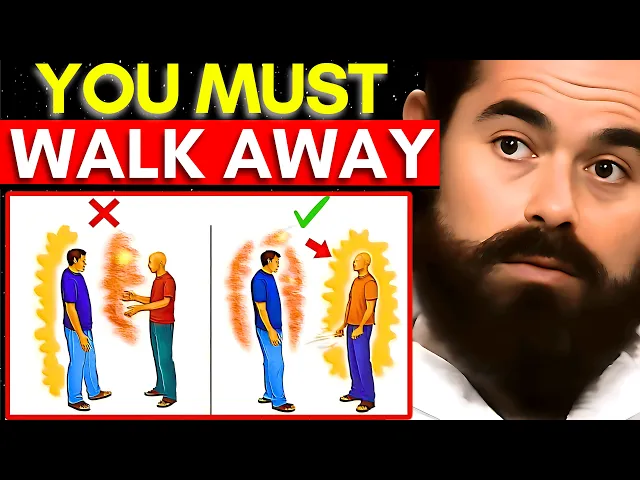
You can't carry other people's emotions. It's natural to want to help those we love, but you can't take on their emotions as if they were your own. A useful technique is to visualize a barrier of light between you and the other person.
Imagine this light protecting you from absorbing their stress or anxiety. You can be compassionate without losing your emotional balance. Let go of the self-sacrifice mentality.
Many people grow up believing that they must sacrifice themselves for others to be good people. Ask yourself: Am I doing this out of love or out of fear of being judged? Shifting this mindset frees you from unnecessary burdens.
If someone constantly turns to you to solve their problems, it’s time to teach them how to fish instead of just giving them the fish. For example, if a friend always asks you to resolve their work conflicts, you can respond with, "What have you tried so far? How do you think you could handle this?
" This empowers them to take action instead of relying on you. You can't give from an empty cup. If you're constantly solving other people's problems, you'll end up exhausted and resentful.
Take a step back and list your priorities; make sure your own well-being comes first. As the old saying goes, "Put on your own oxygen mask first before helping others. " Seeking support to set boundaries: If you struggle with setting boundaries, consider reaching out to a therapist or coach.
Sometimes, we need professional tools to break free from behavior patterns that have been with us for years. Every time you say no or set a boundary, celebrate it as an achievement. Recognizing your progress will motivate you to keep protecting your energy and peace of mind.
Taking on responsibilities that aren't yours doesn't make you more noble; it drains you. By learning to let go of these burdens, you're not only freeing yourself, but you're also allowing others to grow and take responsibility for their own lives. As Yakobo Grenberg said, "True awareness begins when you take control of your reality," and that includes knowing which burdens are yours and which are not.
The second is lending money without a real justification. Money is one of the most common emotional traps. Often, people use empathy to manipulate you and make you feel guilty if you don't comply.
But here's the key: Helping is noble, but allowing others to take advantage of you is not. Jacobo Grenberg reminded us that the energy you give should be in balance with what you receive. If you lend money, do it from a place of abundance, not obligation.
How to avoid falling into this emotional trap? How can you protect both your financial and emotional well-being without feeling guilty? Here are a few mindset and attitude shifts that will help you handle these situations.
Best way possible: before lending money, ask yourself some key questions. Does this person really need help, or are they abusing my generosity? Do I have the means to lend this money without affecting my finances?
If the answer to the second question is no, that's a clear sign you should not lend the money. If you decide to lend money, make it clear that it's a loan, not a gift. You can say something like, "I can help you, but I need you to pay me back within X time.
" This not only protects your finances but also sets a healthy boundary. Saying no doesn't make you selfish; it makes you responsible. Practice phrases like, "I'm sorry, but I can't help you at this time," or "I'm not in a position to lend money.
" You don't have to give long explanations; your financial well-being is just as important as anyone else's. If someone constantly asks you for money, they might be relying on you instead of solving their own problems. In these cases, it's important to break the cycle.
You can say, "I've noticed this has become a recurring issue. I think it's important for you to find a long-term solution. " Money can ruin friendships and family relationships.
If you decide to lend money to someone close to you, make sure both of you are on the same page. An informal contract or written agreement can help prevent misunderstandings and resentment in the future. As Jacobo Grinberg used to say, "The energy you give should be in balance with the energy you receive.
" If you lend money, do it from a place of abundance, not obligation. Ask yourself, "Am I giving out of love or out of fear of being judged? " Giving from love fills you up; giving from fear drains you.
Some people use emotional tactics to manipulate you, like making you feel guilty or reminding you of everything they've done for you. In these cases, stay calm and repeat in your mind, "I am not responsible for other people's financial happiness. " This will help you stand your ground.
Many people hold limiting beliefs, like "money is bad" or "I must help everyone, no matter the cost. " Take a moment to reflect: are these beliefs influencing your behavior? Changing these perspectives will allow you to make healthier decisions.
Lending money can be an act of generosity, but it should never become an emotional or financial burden. By learning to handle these situations with clarity and confidence, you not only protect your resources but also cultivate healthier, more balanced relationships. As Jacobo Grinberg said, "True abundance begins when you give from love, not obligation.
" Everyday life often keeps us from reflecting on these important topics, even though they deeply impact our decisions and well-being. That's why I want to introduce you to a powerful tool: imagine having access to thousands of audiobooks and podcasts at the click of a button. That's Audible, your perfect companion for learning, relaxing, or simply escaping the routine.
Try it free for 30 days using the link in the description. The third thing you should never be asked to do is intervene in someone else's family conflicts. Have you ever been asked to mediate a family argument or take sides in a dispute?
It's like stepping into an emotional minefield. Family disputes, especially those involving inheritances or deep-rooted disagreements, can be messy and draining. Grinberg taught that Collective Consciousness can be overwhelming, and by getting involved, you end up carrying emotional burdens that aren't yours to bear.
Keep your distance and protect your peace. However, how can you stay out of these conflicts without feeling guilty or selfish? How do you avoid falling into the trap of wanting to fix everything?
Here are some steps to help you handle these situations assertively and protect your emotional well-being. The first step is to understand that other people's family conflicts are not your responsibility. No matter how much you want to help, you can't solve problems that aren't yours.
Ask yourself, "Does this problem directly affect me, or am I trying to fix something that isn't mine? " This will help you maintain perspective. If someone asks you to intervene in a family conflict, it's important to set boundaries from the start.
You can say something like, "I understand you're going through a tough time, but I think it's best if you work this out among yourselves. " This not only protects peace but also encourages the parties involved to take responsibility for resolving the issue. Sometimes, people just need to be heard.
You can offer emotional support without getting involved in the conflict. Listen with empathy but avoid giving opinions or taking sides. Phrases like, "I'm sorry you're going through this," or "I hope you find a solution soon," are helpful to show support without committing yourself.
In family conflicts, it's common for people to ask you to deliver messages from one person to another. This puts you in an uncomfortable position and can create more tension. If you're asked to be the intermediary, respond firmly: "I think it's better if you talk directly.
" Some people may try to manipulate you into taking sides in the conflict. They might say things like, "If you really cared about me, you'd support me," or "You're the only one who can help me. " In these cases, stay calm and repeat to yourself, "I'm not responsible for solving this problem.
" Many families have toxic dynamics that repeat from generation to generation. If you notice that the conflict is part of a recurring pattern, it becomes even more important to stay out of it. Ask yourself, "Am I repeating a role that isn't mine, like the mediator or peacemaker?
" Family conflicts can be extremely draining; if you get involved, you'll end up carrying negative emotions that aren't yours. Practice energy protection techniques, like visualizing a shield of light around you or meditating to release tension. Important lessons Yakobo Grinberg left us are that we cannot control others’ reality.
Each person has their own path and their own lessons to learn. By trying to fix everything, you take away their opportunity to grow and solve their own problems. If you have your own family—partners, children—prioritize their well-being over the conflicts of your extended family.
Your primary responsibility is to yourself and to those who directly depend on you. Every time you manage to stay out of a family conflict, celebrate it as an achievement. Recognizing your progress will help strengthen your ability to set boundaries in the future.
Intervening in other people's family conflicts not only drains you emotionally, but it can also harm your relationships. By staying out of it, you not only protect your peace, but you also allow others to resolve their own problems. But before we continue, if you feel that these statements are part of the transformation you need, I invite you to subscribe to my channel.
It helps us keep creating valuable content that will accompany you on your journey. The fourth is changing the way you think or live to please others. It's like trying to update your internal software so it's compatible with someone else.
Do you know what happens when you install a program that's not compatible with your system? It crashes. The same happens to you.
Grinberg emphasized the importance of maintaining your authenticity because only from there can you connect with your true essence. Don't let anyone reprogram you. To maintain your authenticity in a world that constantly asks you to change, I invite you to practice some of these tips.
Take time to reflect on your values, beliefs, and passions. Ask yourself, "What is truly important to me, and am I living according to my principles? " The clearer you are about who you are, the less impact the expectations of others will have on you.
Saying no is not selfish; it's a way of respecting yourself. Practice phrases like, "This doesn't align with me," or "I prefer doing it my way. " Every no you say is a yes to your authenticity.
Seek relationships where you don't have to pretend or change to be accepted. As Grinberg said, the energy of those around you influences your perception of reality. Choose to be with people who celebrate your true self.
Society will tell you how to dress, what to think, and how to live. Remember, you are the owner of your life. Ask yourself, "Am I doing this for me or to fit in?
" Live for yourself, not to meet others’ expectations. Every time you feel pressured to change, remember that your authenticity is your greatest strength. Grinberg taught us that true connection with the universe begins when you stay true to yourself.
And remember Brené Brown's quote: "When you stop living your life based on what others expect of you, you begin to live the life you truly desire. " Don’t change your essence for anyone; your authenticity is your power. Congratulations on making it this far!
It means a real change is imminent in your life. Setting boundaries is not selfish; it's self-love. It’s about protecting your energy, your peace, and your ability to live an authentic life.
Today, I invite you to reflect: what things have you allowed others to ask of you that you’re no longer willing to accept? Share the word "boundaries" in the comments if you’re ready to take control of your life. Let’s go with the fifth and final one—perhaps the most dangerous of the things you should never be asked to do.
Some people use guilt to make you feel selfish if you don’t give in to their demands. But here’s the truth: you are not responsible for the happiness of others. Grinberg reminded us that self-love is the foundation of emotional stability.
If you don’t prioritize yourself, you end up living someone else’s life, not your own. The question is: how can you stop putting others' feelings before your own and start prioritizing yourself? Let’s begin.
The first step is to identify what you really need. Ask yourself, "What am I feeling right now, and what do I need to feel okay? " Becoming aware of your own emotions will help you avoid ignoring them.
You don’t have to carry other people's emotions. If someone tries to manipulate you with guilt, respond firmly, "I understand how you feel, but I also need to take care of myself. " This is not selfishness; it’s self-care.
You are not responsible for the happiness of others; everyone has their own path. Grinberg said that true emotional freedom begins when you stop trying to control what isn't yours to control. Repeat phrases like, "My well-being is important," or "I deserve to prioritize myself.
" This will help reinforce your self-esteem and remind you that your happiness matters too. Each time you prioritize your feelings, celebrate it as an achievement. Recognizing your progress will motivate you to continue protecting your emotional peace.
Prioritizing yourself is not selfish; it's a form of self-love that allows you to live an authentic and fulfilling life. And if you like this content, you can't miss this video. It contains the five words you need to start manifesting everything!