[Music] stop eating avoid these seven fish at all costs I'm sure you've heard about how amazing and magical the nutritional value of fish is but have you ever wondered if fish are that perfect perhaps no one has warned you about some fish species that can contain harmful toxins and especially make your health worse today we will delve into an important topic top seven types of fish you should avoid to protect your health did you know that consuming certain types of fish is linked to serious health problems imagine this scenario you're at home preparing a meal looking for ingredients you trust but what if some of those ingredients could be harmful especially Foods you thought were packed with nutrients therefore please join us in exploring this video to gain more knowledge and information as well as useful food selection tips some may even surprise you because they are indispensable ingredients in meals so stay to avoid any regrets later let's start with the first type of fish squid squids scientifically known as seapods are fascinating Marine creatures that belong to the mollusk family they have a distinctive elongated body large eyes and 10 limbs however this delicious food has extremely high levels of heavy metals especially cadmium cadmium a toxic heavy metal can accumulate in Squid tissue and cause serious health risks such as kidney and liver damage unlike other types of seafood that can carry Trace Amounts of heavy metals squid can have significantly higher levels due to their diet and environment for example one study revealed that squid may contain up to 2. 5 mg of cadmium per kilogram significantly higher than the safe consumption limit for humans squids are dangerous because they can act as heavy metal bioaccumulators especially in contamin ated Waters this means that the longer they live the more toxins they can store in their bodies furthermore the ink of squid commonly used in dishes such as squid pasta contains compounds such as dopamine and melanin which are both beneficial and harmful although the melanin in Squid Ink has antioxidant properties it can also bind to heavy metals potentially increasing the risk of cadmium exposure if not prepared properly to minimize the health risks associated with ink consumption it is essential to follow certain guidelines first it is important to Source ink from clean unpolluted Waters to reduce the risk of exposure to heavy metals when purchasing ink look for inks that are certified safe and have been tested for heavy metal content also limit consumption to avoid potential toxicity the FDA recommends that adults consume no more than 0. 5 mg of cadmium per week meaning that even small amounts of high cadmium ink can quickly surpass this limit cooking squid thoroughly and avoiding handling raw squid can also help reduce risks the high cholesterol content in Squid is another factor to consider especially for people with heart problems it is wise to balance your squid intake with other local esterol foods to maintain heart health furthermore have you ever wondered what other fish might Harbor such potential dangers making them a less ideal choice for your diet escalar fish escalar fish also known as oil fish is a species commonly found in tropical and temperate Waters scientifically it is notable for containing high levels of wax Esters substances that are difficult for the human body to digest unlike other fish escalar can lead to digestive problems due to these wax Esters which can cause a condition called flooding leading to oily diarrhea this is especially worrisome for older adults because their digestive systems may be more sensitive for example consuming just 150 g about 5 O of escalar can lead to Serious digestive problems within 24 hours posing a significant health risk escalar may also contain parasites and harmful bacteria which can worsen health problems especially in older adults with weaker immune systems while the high oil content of fish makes it delicious it also makes it a breeding ground for bacteria such as salmonella and vibrio which can cause food poisoning one study found that 10% % of escalar samples were contaminated with this bacteria making it a risky choice for people with poor health Additionally the escar's deceptive appearance as a wh- scaled fish often causes people to mistake it for safer options like white tuna another surprising fact is that several countries including Japan and Italy have banned the sale of escalar due to these health risks despite its appealing flavor its potential to cause serious digestive problems and bacterial infections makes it a fish that should be approached with caution to minimize the health risks associated with eating escalar it's important to consume it in moderation ideally less than 100 G about 3.
5 o per serving this limited intake reduces the likelihood of experiencing the unpleasant digestive effects of wax Esters also make sure the fish is cooked properly as high temperatures can kill harmful bacteria and parasites that may be present if you are older or have a weakened immune system it's best to avoid escalar altogether opting for safer fish like salmon or tilapia always check the source of your Seafood purchasing from reputable suppliers can significantly reduce the risk of contamination remember even though escalar is very high in protein with 15 G per 100 G serving the potential health risks outweigh the benefits so you probably don't need to compromise that much speaking of seafood dangers have you ever wondered which popular fish commonly found in sushi can also pose significant health risks albor tuna what is albor tuna albor tuna often found in caned form labeled as white tuna is a popular choice thanks to its mild flavor and versatility in a variety of dishes unlike its cousin the blue fin tuna albore is typically smaller and known for its higher fat and omega3 fatty acid content making it a nutritious choice for heart health however there is a hidden danger Alba cortuna is known to accumulate methyl Mercury a toxic compound that can make your health worse by affecting the nervous system why is methyl Mercury a concern methyl Mercury can build up in the body over time especially affecting the brain and nervous system for example Studies have shown that consuming just 6 ounces of albor tuna weekly can lead to higher blood mercury levels especially for older adults despite its popularity there are some lesser known aspects of albor tuna that consumers need to understand first although often touted for its omega3 content a 3 o serving of albor tuna contains about 1,000 milligrams of EPA and DHA which are beneficial for heart health however what is not widely discussed is that this same serving may also carry 0. 3 to 0. 5 micrograms of methyl Mercury a significant amount when the FDA recommends a maximum intake of 2.
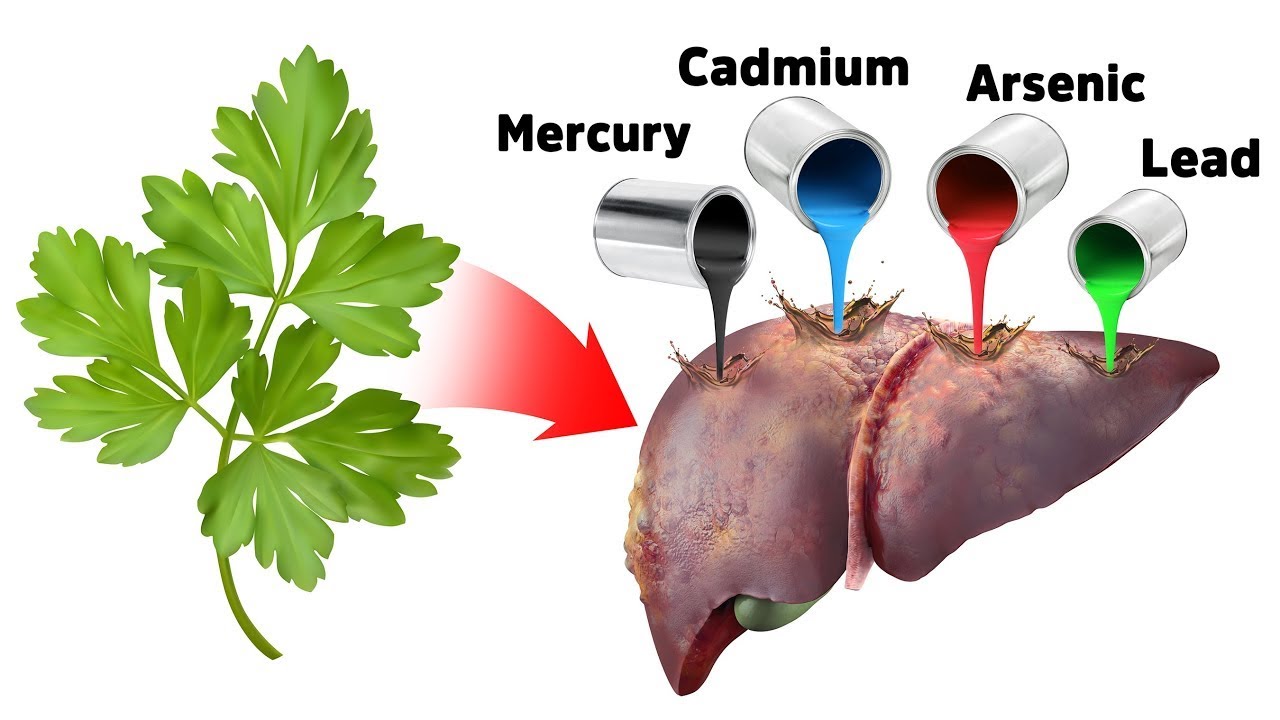
2 microG per day for a 154 lb adult further furthermore the effects of mercury are more pronounced in older people because they are more susceptible to nerve damage high levels of mercury exposure have been linked to cognitive decline and memory problems which are a particular concern for the elderly so the bottom line here is that while albor tuna has benefits the risks associated with methyl Mercury cannot be ignored diversify your Seafood combinations incorporate more low mercury fish such as salmon shrimp or sardines into your diet these options are rich in omega3 but have significantly less risk of mercury exposure for example a 3 o serving of salmon provides about 700 mg of EPA and DHA with minimal Mercury if you can't resist this delicious dish choose albor tuna that is sustainably sourced and has lower Mercury content brands that practice pole fishing tend to raise lower Mercury tuna because they catch younger smaller fish tilapia tilapia is a freshwater fish that is commonly raised and widely consumed due to its delicious taste and affordable price scientifically one of the most important things about Tilapia is its high ratio of Omega 6 fatty acids to omega3 fatty acids this is important because diets high in Omega 6 and low in omega3 can lead to inflammation increasing the risk of chronic health problems like heart disease and high blood pressure for example tilapia contains about 1,500 mg of Omega 6 and only 200 mg of Omega 3 per 100 G this imbalance can worsen your health especially if you're at risk for conditions like arthritis or heart disease unlike other popular fish like salmon which have a healthier balance of these fats tilapia disproportionate ratio makes it less beneficial and potentially harmful did you know that the method of raising tilapia can significantly affect the nutritional quality of the fish many Farm tilapia are raised in overcrowded conditions and fed a diet that includes grains and soy which helps boost their Omega six levels another surprising fact is that tilapia is often farmed in countries with lax regulations which means the fish can be exposed to contaminants and antibiotics for example in some farming operations tilapia can absorb chemicals from the water in which they are raised leading to higher levels of contamination in the fish you eat furthermore tilapia low omega3 fatty acid content which is important for heart and brain health makes it a less popular choice than other types of fish one study even found that the ratio of Omega 6 to omega 3 in farm tilapia can be as high as 11:1 far exceeding the recommended ratio of 4 to1 or lower for the diet to minimize the potential health risks associated with eating tilapia consider choosing fish with a more favorable fatty acid profile for example salmon or mackerel are higher in omega3 fatty acids which are known to reduce inflammation and improve heart health when choosing fish look for those that are wild caught rather than farmed as they tend to have lower levels of contaminants and a better balance of Omega 3 and Omega 6 if you eat tilapia make sure it comes from reputable sources with strict farming standards you can also balance your diet by incorporating more omega3 rich foods such as flax seeds walnuts and chia seeds to help counteract the high Omega 6 levels from perch Additionally the cooking method can make a difference baking or grilling tilapia with herbs and spices instead of frying it can help maintain nutritional value while minimizing harmful effects speaking of fish what else might you need to be cautious with due to high levels of harmful substances like Mercury types of fish that are high in mercury mercury in fish is a significant Health concern because this heavy metal can accumulate in the body over time leading to serious health problems fish such as swordfish shark and tile fish are known for their High Mercury content due to their long lifespan position at the top of the food chain these fish absorb Mercury from the water and their prey leading to high Mercury concentrations in their bodies for example a serving of swordfish can contain up to 1. 0 PPM parts per million of mercury far exceeding the safe limit recommended by Health authorities little little known facts about fish high in mercury a little known fact is that mercury exposure can worsen certain health conditions especially in older adults chronic Mercury exposure can worsen neurological conditions such as Alzheimer's disease and affect cardiovascular health by increasing the risk of heart attack unlike other dietary concerns Mercury's effects are cumulative and long-term making it especially dangerous additionally pregnant women should avoid fish high in mercury because Mercury can cross the placenta and harm the developing fetus it's not just about avoiding these fish it is important to know that cooking does not reduce the amount of mercury in the fish meat first when buying fish you should choose fresh fish not cloudy or stained when brought home fish should be washed under running water then separate the skin and cut off the tail fins and internal organs of the fish because these parts often contain the highest amount of mercury usually fishmongers will do this for so don't worry however when you get home another important step is to soak the fish in lemon juice or vinegar for about 30 minutes to 1 hour the acids in vinegar and lemon will help decompose and remove some of the Mercury next the fish should be washed again then cooked when cooking Cooks can use methods such as steaming grilling brazing or stewing avoiding frying or frying directly these methods will help the fish cook thoroughly without having to use a lot of of oil thereby minimizing the amount of mercury absorbed into the body in addition consumers should also limit eating fish containing Mercury too often especially pregnant women and the elderly instead you can replace it with fresh water or marine fish with lower Mercury content such as salmon mackerel and Herring with such precautions consumers can safely and healthily consume Mercury containing fish the last type of fish is a fish with a long flexible body like a snake no dorsal fin usually lives in brackish or fresh water swims nimbly and the meat of this fish has a sweet taste eel eels are elongated fish famous for their snake-like appearance and smooth skin scientifically eels are fascinating thanks to their ability to absorb environmental toxins through their skin and gills this High toxin absorption can significantly worsen your health making eels a less popular choice than other types of fish unlike other fish species fish often reside in polluted Waters leading to the accumulation of harmful substances such as mercury in pcbs polychlorinated by fennels in their bodies for example one study found that eels can contain up to 0.








![Chris Langan - The Interview THEY Didn't Want You To See - CTMU [Full Version; Timestamps]](https://img.youtube.com/vi/9miVG2xT5jY/maxresdefault.jpg)