several years ago um a former boss posed a question to me he said why is it that you always insist on taking the long road the path of most resistance to get to where you're going and the question really struck me because I've never really thought about it before but the truth is I've always been much more comfortable swimming against the current than swimming with it so when I met the Rhino folks a few years ago I was struck this place is like a magnet for Upstream swimmers the status quo is absolutely not accepted here
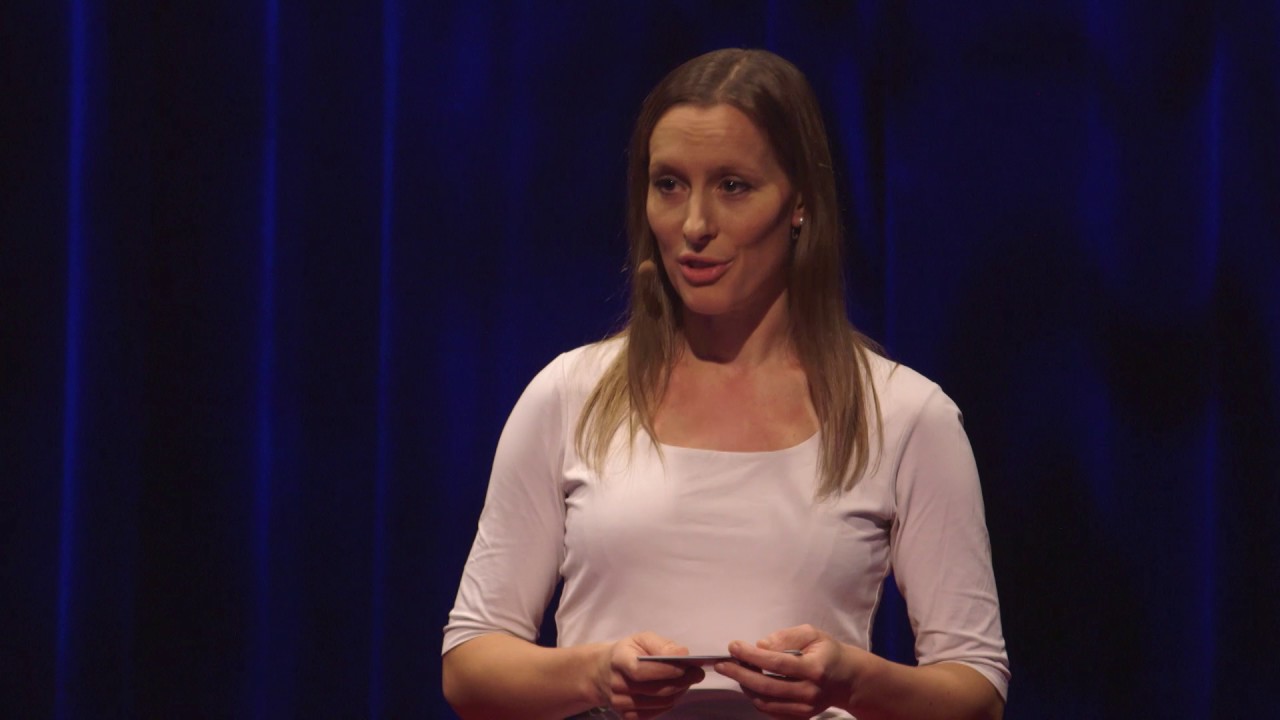
this place is rough and urban and gritty and the people have wild ideas and lightning totally struck for me if it's possible to fall in love with the whole place I did my love affair with Rhino and with cities for that matter is a pretty unusual one given my personal Origins I am a Small Town Iowa farm girl I was born in a little place called Leland um in town of 250 people pretty much in the middle of nowhere and I had a pretty simple straightforward life I was quiet I was shy I was a
homebody and so sometime around the age of 16 I got this wild hair that I needed to get out of town and I wanted to become an exchange student and so my family put me on a plane to Finland and I landed in this big city um having never traveled very far at all from Leland and in a culture I knew nothing about with a family I knew nothing about and my eyes were wide open going into the experience but it didn't take me very long to go from being a small toown Iowa farm girl
to becoming a big kid and I was absolutely in love with the architecture and the art and the markets and the shops and the people and all the interesting things I learned while I was living abroad and what's interesting is that this completely changed the lens through which I I would view life um forever after um and this had definitely not been my experience with cities growing up in the US when I was a kid if we would go to visit a city we would go there with a very specific purpose in mind and then
we would get the heck out of there before dark we did not go to cities to have fun family time or to explore or to see all the great things because that's what lovely little Leland Iowa was for and to that point um the last half of the century in America was not our best as it comes to cities about halfway through the century we started completely abandoning them we built Big roads and we built big malls and we completely destroyed our Urban Fabric and we took apart our Urban neighborhoods as well and something called
urban renewal started to take hold and places as near and dear to us as downtown Denver were almost completely flattened so that government and developers could start fresh history and Roots be damned and almost every city across the US thought this would be a way to cure Urban ills and build healthier communities but the truth is what really happened is that when we turned our back on our cities we turned our backs on each other too and we started spending more times in cars and less time together and we let our history and our culture
and the context what held which held us together be ripped apart as well and it was really ripped apart by this group think mentality that led city planners to believe that what was good for one place would be good for every place and back then there were very few people fighting against that or people who really even knew how to fight against that um mostly we let government and development shape Our Lives For Better or For Worse and then it was sometime around the 1980s when people stand started to realize that destroying our cities our
downtowns our Urban core was making things a whole lot worse it wasn't solving any problems it was creating new ones and so communities and people went to their government and they asked for help and it was the first time the private sector and the public sector were truly working together to try to figure out Solutions and there were new types of Partnerships born and there were news new tools created to do this but the big question was how how would the urban fabric be R knitted back together and how would we rebuild the places that
we' completely torn apart and bring back that sense of community in that sense of place and how would government learn to do something differently um and how would the private sector actually be able to influence it all so sometime in the late 90s after I graduated college I was actually working as a TV reporter in Iowa and I was assigned to cover Community Development stories and local government and I was covering a massive downtown Redevelopment project in a big Iowa City that was being proposed by the government and they were selling this big slick Vision
big pictures of shiny new casinos and a water park and hotels and all these great things on the riverfront in this struggling Iowa City and they were also selling a multi-million dollar price tag that had to go to the voters and the vote failed and the government seemed shocked by this like why wouldn't people want that but from my seat as a spectator I saw why because I've been covering the story and you had um downtown small businesses that were barely succeeding and vacant buildings and basically a downtown that people really didn't care about coming
to anymore and this wasn't really solving all of those issues and so what I found was that the stakeholders the people invested the community really wanted a voice and they didn't have one and much to my surprise eventually they would turn to me to find that and so at age 26 I was hired to run the Downtown Development agency Redevelopment agency um a public private partnership that had been formed to try to address some of these issues and I had no idea what the hell I was doing because I was a small town farm girl
I was not I'd not lived in a city I'd not been trained in urban planning um and I had no business being there really but um that all probably was very helpful to me and what I was doing because simply by virtue of my naive Innovation and creative problem solving creative think thinking would be both my fallback and my strategy for Success there and to me it seemed very simple talk to people build Partnerships find good ideas to solve problems and then do one better break the world rules don't take no for an answer and
that's what we did and for about four years me and that City working together had some tremendous successes which which were absolutely great and really set the tone for redevelopment there for revitalization but the most important thing to me was that that experience as still a kid really taught me um and has for informed and shaped everything that I've done since so for the last 15 years I've been blessed to work locally and globally helping people the people in cities the people in places curate create dream Envision make things happen in their cities the cities
that belong to them that are part of them and um at each place that I've worked the context has been a little bit different depending on where you are but the way that it has been approached generally has to be the same and the first step in all of this is to understand who the participants are in the process because there are several different groups there are these status quo thinkers that you're going to run up against everywhere sometimes they're in the government yes sometimes they're just in the general Community but they're people that for
whatever reason they just can't seem to think about things in a different way maybe they don't know how maybe they don't want to whatever the case is they're stuck right here and then you get VIs Aries who want to build these tremendous amazing dreamy things and have no clue how to get there you have people invested for reasons of self-interest in in the project and then you have people who are so passionate about Community they can hardly contain themselves and the important thing to note is that it takes all of these people together to make
the magic happen the biggest trick the biggest challenge in all of this is untangling all their goals and hopes and motivations and desires finding the common thread and then meaningfully knitting it back together and for the last 15 years that's been my job or as some have said I serve as an urban therapist to cities and there are three things I can share with you about that work and about that process as kind of a takeaway from my experience that you can take with you too number one if you are looking to help your neighborhood
or your community your District your city whatever the case may be the most important place to start is to know your storyline and be authentic to that knowing your storyline is so much more important than a big shiny Vision um that becomes your platform for everything you do it becomes the way you form policy and shape programs it becomes your stake in your ground to tell people what your values are and what you will and will not accept as a community and so everything comes back to that number two everybody and I mean absolutely everybody
has to be at the table working together so the public and private sector have to be communicating even as policy going to going to be informed but even more importantly people within a community or a city have to be uh at the table together as well and talking to each other and one of the things we like to talk about here in Rhino that we feel has led to our success to to date is that we brag about the fact that we feel like our developers speak artists and our artists speak developers they've learned over
time to communicate in in a unique language and we invite everybody to the table for absolutely every conversation even if they are painful and we hope that that means that everybody sees kind of the impact of their decisions and it leads them to make better ones and then the third thing is that you should know that if it isn't uncomfortable if it doesn't hurt if it doesn't feel painful if it doesn't make you itchy then you're not doing something right because the best most beautiful most wonderful outcomes have been the hardest and there have been
probably tears and a lot of sweat and tons of nose and people telling us around every corner it's never been done that way and don't expect it ever will be done that way and yet we found a way to do it so it should feel uncomfortable and the closer you get to that uncomfort aess the closer you are to a breakthrough so so um you know it sounds simple enough but of course it it never really is because pushing back on Old mandates and old policies and old ways of doing things and old thinking and
Status Quo thinkers it's all extremely hard work it's exhausting work and building from the ground up takes tremendous perseverance and building Partnerships takes tremendous amounts of patience and it is a long long road but there is Magic to be made when we all learn to play together in the same sandbox I have seen it in my work all over the world and you can see it happening right here in Rhino with all the great stuff that's going on this neighborhood has proved it has the capacity to work together and to push from industrial gritty Urban
Roots a place that was forgotten to a place that artists discover and then developers discover and there's a recession and there's a recovery and then investment investment investment and a fear of change and a fear of gentrification and headlines and storylines about artists fleeing and developers pushing each other to be much better and it's a neighborhood stuck between a storyline and change that makes it look like every place else or a neighborhood that looks like something special like something that is uniquely Rhino it's a perfect story line in a perfect moment a true Testament to
what happens when you collaborate and innovate and push all along the way so thank you so much for participating in Rino's Journey also for letting me share my journey as well thank you [Applause] [Music] [Music] [Music] [Music]