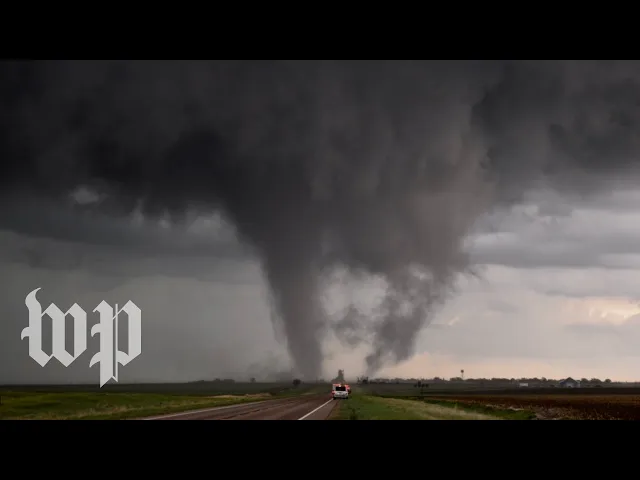
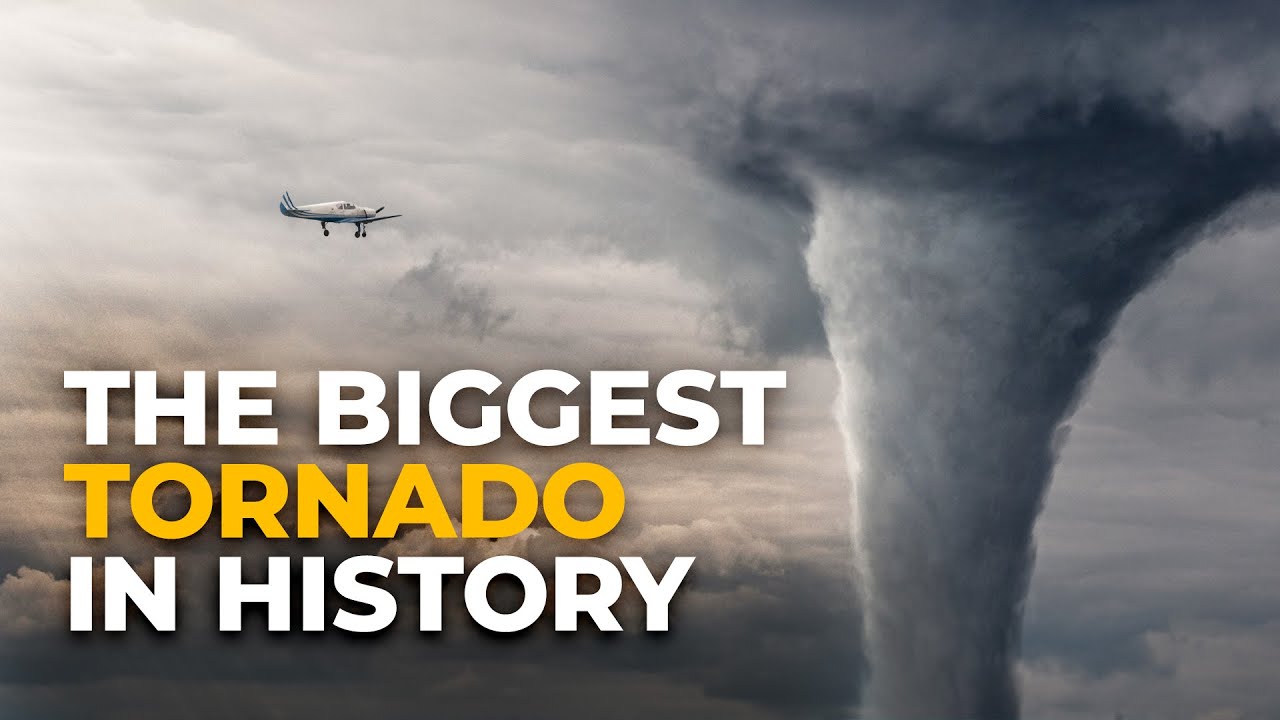
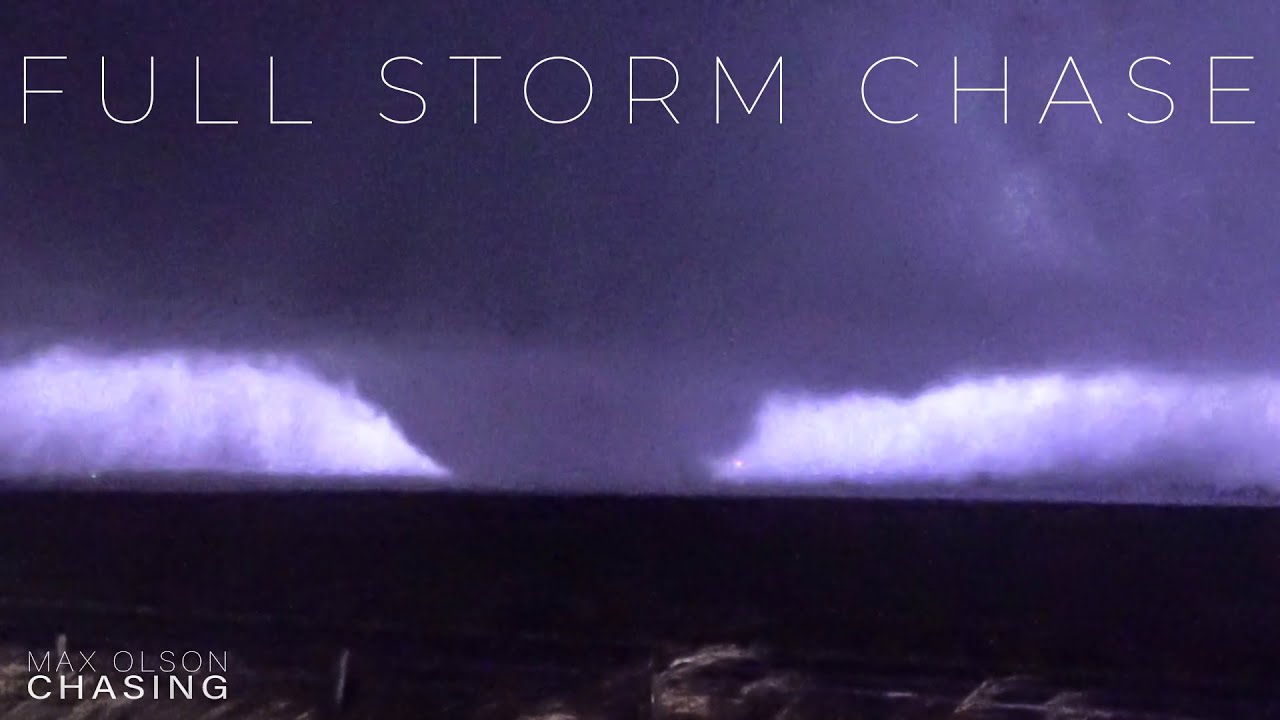
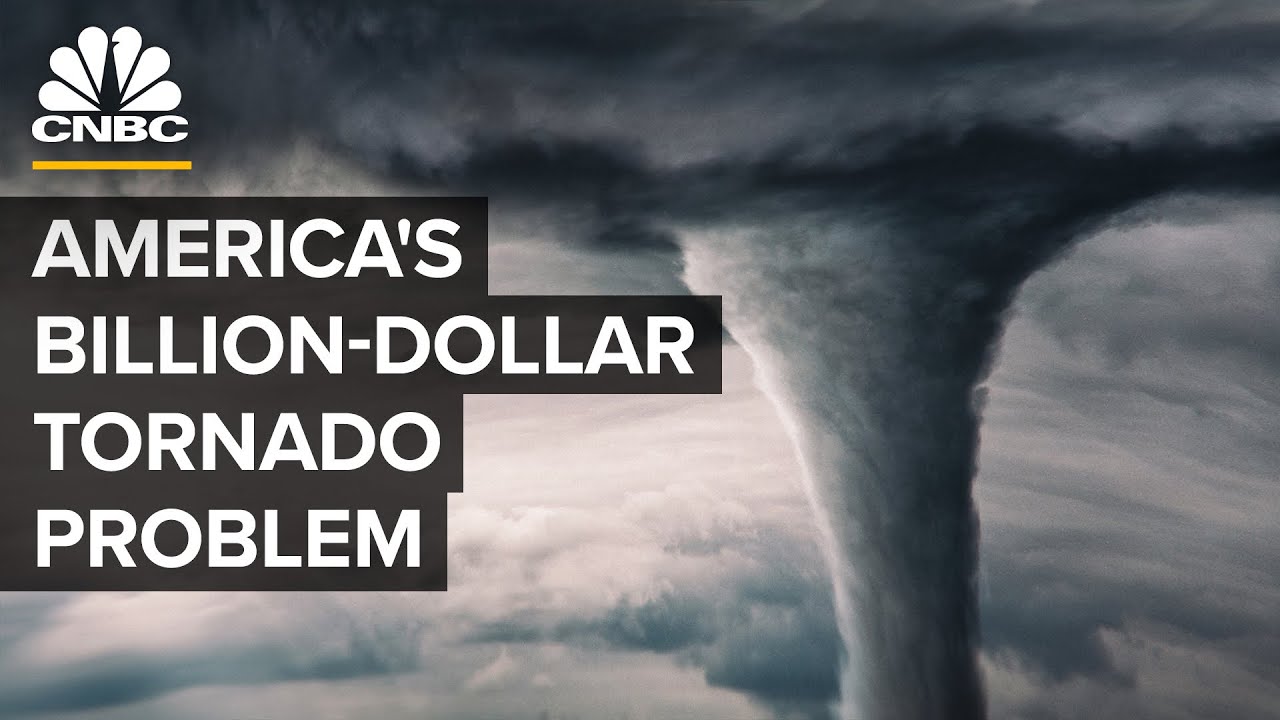
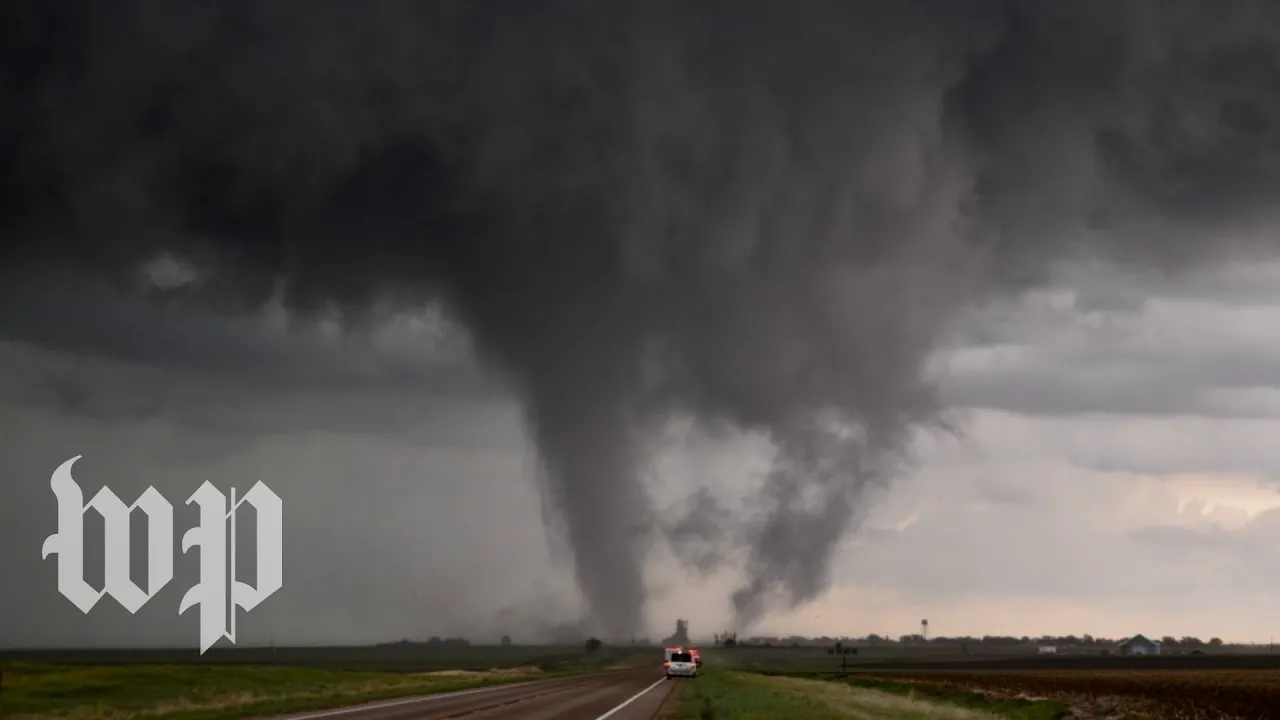
it's like the air just becomes smoke all of a sudden you might walk outside and say this doesn't smell like here [Music] usually when i see a tornado form it doesn't appear as that perfect funnel instead i see this little tuft of dirt being kicked up near the ground eventually that funnel starts to fill in spin faster and faster pulling up more dirt and it can go from nothing to this perfect cone or perfect funnel in the course of four or five seconds wow people in the media see the same exact tornado every single time
the crisp funnel with the high contrast background because that looks good for newspapers that looks good for media however most tornadoes don't look like that i've been next to tornadoes that are a mile wide that i can't see because they're completely enshrouded in rain or they're low to the ground or there are clouds blocking them afterwards it oftentimes smells like natural gas it might smell like destroyed building materials it's a very sobering smell afterwards you don't forget that after you're in an area kind of decimated by a tornado what a tornado is is a really
concentrated area of very intense spin and a rapid upward motion so you have this column of air that is ascending upwards at perhaps 150 plus miles per hour sometimes and the air is spiraling inwards at up to 300 miles per hour the tornado is like a microcosm of that thunderstorm updraft but on an extremely local level so there are two main ingredients we need to cause either a tornado or tornado producing storms oftentimes we have one of these ingredients but not both like florida for example they have tons of thunderstorms they have a lot of
juice in the atmosphere down there but they don't see many tornadoes however we go to like canada for example they have the wind dynamics but it's oftentimes not warm enough not juicy enough to get storms that would produce tornadoes to begin with so you need that fine overlap and that overlap oftentimes comes in the central united states the plains has one month all the tornadoes are crammed into that month and you can see them better out there so those the tornadoes that typically appear in the media look at that boys places like alabama mississippi they
have a seven month stretch from roughly november through june where tornadoes are possible and they do slowly accumulate them over the course of the year and oftentimes see more than the planes but because they don't occur in those big events we kind of underestimate them down there [Applause] actually seeing reduction in tornado weather over the central plains with lesser in the way of large-scale outbreaks but an uptick in tornado activity over the deep south to mississippi alabama louisiana tennessee and the reason for that we think is that dry air over california and the west which
is becoming reinforced thanks in large part to warming associated with climate change that dry air is pushing the boundary between dry and moist a little farther eastwards and as a result places that would ordinarily have seen tornadoes in the past like oklahoma like texas that's kind of being shifted a little bit more towards like the the deep south in the southeast one thing we're noticing too at least qualitatively is an increase in tornadoes during the kind of fringe seasons on the east coast so during the spring or during the fall i think it'll be several
years before we really have a concrete idea of how climate change is affecting them [Music] if you live east of the rockies it's a good idea to have a tornado planned on average we have about 10 to 12 minutes worth of warning that they put out ahead of time a before tornado touches down sometimes if it's an obvious signature we can do more sometimes they touch down with little to no warning multi-vortice tornado on the ground i think one of the toughest things with that is that when the public sees something like that it's usually
the only time they're ever going to see something that incredible so oftentimes they remain completely transfixed they're shocked by what they see but that's the key point they have to get the shelter right then and there because if you're close enough you see that happening odds are you're close enough that the tornado can seriously impact you and tornadoes can move 50 60 sometimes 70 miles per hour it's imperative people get below ground put as many layers between themselves and the outside world as they can as soon as the first signs of touchdown