[Music] the ancient Egyptians were one of the first great civilizations on the planet they built the pyramids at Giza the Great Sphinx and the Library of Alexandria as a foundationally well-structured society the Egyptians had a sophisticated agricultural economy a highly organized government and proper law enforcement these social institutions created a sense of Stability in their everyday lives that nurtured research and documentation through trial and error the ancient Egyptians were able to discover Medical Treatments that were far ahead of their time many of which are still employed today so today we're going to take a look
at what surgery was like in ancient Egypt ever the overachievers the ancient Egyptians have practiced medicine as far back is 3300 BCE their knowledge was accumulated slowly and was largely Tested and verified through the long arduous process of trial in air they started fairly small treating battle wounds snake bites scorpions stings and other topical ailments but as this body of knowledge began to build up it eventually put them ahead of other civilizations in the same era medically speaking at least but despite all of the medical knowledge the average life expectancy at the time was still
just about 34 years in ancient Egypt that Being said it pretty much goes without saying that you were much better off in a society that was able to heal Burns and set broken bones than ones where such injuries were considered a death sentence for reasons that should be fairly obvious in invasive surgery was something that was simply not done in ancient Egypt the lack of anesthesia and antiseptic made it essentially impossible as it would have resulted in excruciating pain and almost certain Death from infection however the ancient Egyptians were quite Adept at topical remedies with
the use of wooden splints and linens they had a functional knowledge of how to set broken bones and correct dislocations they also knew to stitch wounds and make effective herbal ointments to heal Burns while this might sound more like lowlevel first aid to Modern folk in the ancient world even these simple cures could mean the difference between life and death the Ancient Egyptian Society was one of considerable Innovations and thanks to archaeologists we know that those Innovations included some of the first truly effective surgical tools that aided in medical treatment primarily crafted from the newly
discovered metal of copper the ancient Egyptians had versions of pincers forceps spoons saws Hooks and knives all of which can be found in IAL facilities today they also crafted excellent bandages and had the Foresight to infuse them with willow leaves to treat inflammation the practice that was incredibly ahead of its time among numerous other medical firsts it's very likely that the world's first ever Prosthetics were used in ancient Egypt how do we know well a female mummy who died somewhere between 950 and 710 BCE was discovered near Luxor Egypt and she was found to have
a prosthetic toe made from wood and L another while the Idea of a cosmetic replacement for a seever toe is itself an impressive Innovation researchers at the University of Manchester suggest it may have actually been functional and helped the woman to walk the prosthetic toe showed significant signs of wear which prompted University researchers to conduct a study that tested the Gate of its participants with and without the aid of the replicated digit what was found was that walking in ancient Egyptian sandals Which was the common Footwear of the time would have been incredibly difficult without
a big toe prosthetic similar to the one found in the Luxor mummy would have gone a long way to assisting The Afflicted just goes to prove the old saying about necessity being the mother of invention while the jury is out on the definitive origins of the practice it has been speculated by some that the ancient Egyptians may have invented the act of male circumcision Some of you fellas may want to G your loins for this next section because it's important to note that anesthesia did not exist at the time what we do know for sure
is that whether or not they originated it the Egyptians certainly shared their knowledge of circumcision with other cultures according to the Greek historian Herodotus who wrote in the mid- fifth century B.C.E the Egyptians are the only people in the world they at least and such as have Learned the practice from them who use circumcision they practice circumcision for the sake of cleanliness considering it better to be cleanly than cely the ancient Egyptians also appear to have performed circumcision in the male's pre-adolescence phase and not at infancy as it is usually practiced in other cultures this
has led some to believe that it was a ritual to commemorate the transition from Boyhood to manhood thanks but I'll just get my driver's License the practice does not appear to have denoted social class or status however as not all Kings preserve through mummification appear to be circumcised in 1849 a British woman named Elizabeth Blackwell became the first woman to ever be granted an MD degree in in the United States it was a pretty impressive feat for the time but Elizabeth actually missed out on being the first female doctor in history by roughly 4,500 years
give or take a few Years the ancient Egyptians weren't just ahead of the curve in technology and being the first at so many Milestones of medicine it should come as little surprise that the earliest recorded instance of a female doctor occurred in ancient Egypt the first known female doctor was named Meritt PA and according to archaeologists she lived somewhere in the neighborhood of 2700 CCE she likely held the title of Chief physician meaning she had the authority to teach Had supervision over other doctors and personally attended to the monarch of that time though invasive surgery
was an almost unheard of practice in ancient Egypt their doctors still managed to accumulate a pretty solid knowledge of the internal organs and how they functioned the eers Papyrus one of the oldest preserved documents regarding medical practices illustrates the thoughts on the workings of vital organs at the time while some of the theories Are are slightly off there are some which are impressively spoton for starters they knew a fair amount about the heart in the words of the E Papyrus which we've slightly adapted into more modern terms from the heart there are vessels to all
four limbs to every part of the body of the respiratory system they knew that when we breathe in through our noses the air enters our hearts and lungs and then the entire belly close enough they also had Knowledge of the liver which they believed is supplied with liquid and Air via four vessels when they overfill the liver with blood they cause many diseases and of course because it's pretty hard to miss they knew of the anus and had quite a few thoughts on it including that the liquid and air that comes out of the anus
comes from the vessels that exist in the arms and legs when they are overflowing with waist okay so it's not exactly what you'd Learn in a modern medical school but it's still pretty impressive when you consider all of this was written down around 1550 BCE almost nobody really loves going to the dentist but imagine having to go to the dentist in an era when Dental Care didn't really work well that's exactly what the ancient Egyptians faced when they had tooth problems for starters the diet of the average ancient Egyptian was not exactly conducive to a
great set of Teeth the tools used to grind food often Left Behind traces of Sand and Stone which are naturally abrasive and this often meant tooth loss at an early age now the ancient Egyptians did have some remedies for these kinds of dental ailments but they were fairly bizarre and typically painful for example according to the EBAs Papyrus the treatment for a tooth aee was rubbing a powdered mixture of onion cumin and incense on a tooth now if you're Wondering how that promoted healing it didn't there are cases where the ancient Egyptians filled cavities with
a mix of resin and a greenish mineral that contained copper and drilled into jawbones to drain abscesses of fluid but curiously the process of tooth extraction which can be light saving in cases of infection was almost never used if the ancient Egyptians are known for anything it's the pyramids the Sphinx and their surprisingly Sophisticated process of mummification the latter of which has led to an understanding of how they functioned as a society and how they viewed Public Health the mummification procedure was an incredibly invasive one that involved thorough dissection to remove moisture from the body
the process included the removal of brain tissue through the nostril via gruesome hook Implement and that being the case the priests who performed the sacred act got a fairly up Close and personal look at the internal organs of the human beings they prepped for the afterlife curiously the knowledge gleaned from mummification was not employed for any medical use while nobody knows exactly why these areas were so discreet a strong possible explanation is that priests and doctors of the time simply did not operate in the same circles so the communication just wasn't there MIT been regarded
Ed as a strange oversight for a Civilization that practiced such thorough documentation though the ancient Egyptians used many legitimate medical remedies the primary method of care still relied heavily on Magic you see they believed that all diseases had Supernatural causes that being said they assumed that healing also logically relied on the supernatural as well so medical treatment often came with a spell that was believed to Aid recovery One example of this would be a remedy for whooping cough the medical treatment would consist of a grounded roasted mouse mixed into milk followed by the magical Aid
of a lullabi that drove off evil spirits it sounds like it would be a disaster but archaeologists have found evidence of the effectiveness of such treatments so does this mean that magic works well we can't rule that out entirely actually we can but most modern scientists and doctors believe the Success rate was likely due to a powerful placebo effect [Music] while no one knows who Nefertiti's parents were there are several theories the most commonly accepted holds that she was the daughter of a top Egyptian adviser named I who himself would go on to become Pharaoh
after the death of King Tut another less accepted take holds that she may have been akan natan's sister or cousin indeed like Many of History's royal families it wasn't uncommon for Egyptian rulers to marry their siblings or extended family members yet another theory holds that Nefertiti was a matani princess named taruk kipa the name Nefertiti means the beautiful woman has come which might suggest a foreign origin like the others however this Theory can't be proven and raises as many questions as it answers while the exact date of their wedding is unknown Nefertiti and Aman Hotep
are believed to have been married when she was only 15 years old Aman hotep was not yet a pharaoh when they were wed but he ascended soon enough and the two are believed to have ruled as equals from 1353 to 1336 BC they would also have six daughters maritan Mikan cenra anatin Ana senaman neur and neftin tasherit they also possibly had one son the royal families lived in various palaces and complexes in Carnac one of the most impressive was a temple called The gatan which was devoted to Nefertiti records suggest that the couple threw an
elaborate Festival in the temple during the third year of their reign one depiction shows Nefertiti and Aman hotep along with their daughters in the Royal Court viewing the crowds at this Festival from a special spot at their palace artwork of the era generally depicts the couple as Inseparable and even shows them kissing in public ooh scandalous this has led some to believe That the two may have been genuinely in love a quality not often depicted among the ancient pharaohs and their wives Nefertiti is believed to have been faithful to her husband despite the fact that
he is known to have father children with other women including quite possibly the Future King Tuten [Music] common during a Reign Nefertiti held many titles hereditary princess great of Praises Lady of Grace sweet of Love Lady Of the two lands and Mistress of Upper and Lower Egypt just to name a few inscriptions about her describe a queen who was in charge of and involved in all aspects of the Royal Court she also held the rank of high priestess which meant that the faithful could gain access to the god Aton through her this made her Central
to religious practices as well but one of the most unique and interesting facts about Nefertiti is that Contemporary Art depicted her Wearing a Pharaoh's Crown this has led some archaeologists to theorize that she may have had the powers of a pharaoh and been seen as an actual equal to her husband in fact it's possible that after the death of Canan and prior to the reign of Tuten common Nefertiti herself ruled as a sole Pharaoh under the name neph neatin interestingly Nefertiti may have been a Hands-On kind of Boss among the countless illustrations of the famous
queen that appear on the walls of Ancient tombs is one that depicts her about to strike a foreign prisoner with some kind of weapon this raises the possibility that one of the most powerful women in Egypt the co- faroh and direct female conduit to Aton may have also acted as a royal enforcer of course it's also so conceivable that she just enjoyed beating up prisoners [Music] H when amen hotep IV became Pharaoh he inherited a kingdom that was prosperous And Powerful but together with Nefertiti he would change Egypt in dramatic ways the most substantial of
which was switching the state religion to worship of the Sun the god Amon was replaced with the god Aton and a new capital called aat Aton was created over 200 Mi north of the previous one the old gods were slowly removed from society their temples were shut down and their priests were forced to convert the Pharaoh even had the entire city of Tel El Amara Built To Worship Aton and demanded the faithful move there to underscore the importance of the new religion the ruling couple even changed their own names amot became akatan and Nefertiti became
neph neat Nefertiti which meant beautiful are the beauties of Aton a beautiful woman has come finally to shore up their own power they designated themselves the only two Priests of Aton none of this is believed to have been very popular with the people of Egypt But to find the Pharaoh was a quick way of getting oneself killed so most went along with it Over time however aanan became intolerant of old religions and other beliefs and began a long expensive campaign to destroy them the kingdom sank into debt and turmoil things probably would have gotten a
lot worse but luckily for the people aanan died before things spun completely out of control [Music] After 16 years of ruling Egypt alongside her husband Nefertiti disappears from the historical record no one knows why but there are several theories akatan and Nefertiti caused a substantial amount of political turmoil during The Reign so the successors made every effort to erase their legacy records and artifacts were destroyed and the end of Nefertiti's story may have simply been destroyed along with them on the other hand some archaeologists believe Neer Titi vanished from the record because she died supporting
this theory is the fact that the couple's daughter maritan is known to have served at court as the great Royal wife during the final years of Akin's Reign this might suggest that maritan replaced her dead mother as Akon's consort still others theorize that she became co- Regent and ruled under the name smare these historians hold that Nefertiti was co- faraoh in her husband's later years and then Continued to rule after his death until Tut was able to assume the throne interestingly Nefertiti's daughter maritan was sm's consort as well when the tomb of King Aman hotep
II was excavated in 1898 three mysterious mummies were discovered behind a hidden Wall located in the Valley of the Kings the tomb was found to contain the mummy of the king as well as a young lady who archaeologists suspected of being Nefertiti over a century later in 2010 Zah Haas who Egypt's minister of State for Antiquities Affairs announced the results of a series of DNA tests that he said prove the mummy known as the younger lady was actually akan natan's sister but that wasn't all the test also showed the younger lady was the mother of
King Tut the matter seem settled until 2013 when French egyptologist Mark gabal disputed haas's conclusions gabal claimed the mummy of the younger lady was in fact Nefertiti If correct this would mean that Tut was Nefertiti's [Music] son one of the most intractable mysteries of Nefertiti concerns a famous bus that depicts the queen with one blank eye it's a strange artistic choice for a sculpture of a person whose name literally refers to her beauty and its meaning has been debated since the bust was first discovered one theory is that the queen may have possessed a natural
Fold of skin over her eye something that was not uncommon common in Egypt at the time alternatively the blank eye could have been meant as an insult or might even be nothing more than accidental damage to a bus that once had both eyes the most romantic Theory however concerns the sculptor whose name was Tutt mosa some believe that he fell in love with Nefertiti but after she refused him he decided to leave the eye blank as a symbol of her inability to See the nature of his [Music] love nephus famous for her beauty all known
busts and paintings of her depict a person with features that would have been highly sought after at the time but some researchers are beginning to think this image may not be so accurate using CT scans of the famous 3400y old Tut mosa bust of Nefertiti scientists were able to get a look at the original mask of the queen that was hidden beneath all The layers differences noted include a bump on the ridge of the nose wrinkles on the cheeks and near the corners of the mouth and less depth at the corners of the eyelids this
this has led some experts to conclude that the Royal sculptor used his vast skills to create an idealized version of the queen equally plausible is that akatan himself insisted that his wife be portrayed as more physically beautiful than she was in real life whatever may have occurred The face we know as Nefertiti today did not likely match the reality of her appearance [Music] in 1912 German archaeologists excavated the famous Tut mosa bust of Nefertiti and took it with them back to Germany under a license from the Egyptian government how they got that license is a
bit of a mystery though at the time the country was dominated by the Ottoman Empire but was under British rule Complicating the matter even further was that Egypt's Antiquities Department was being headed up by the French whatever the case by 1913 the bust was being displayed at the noas Museum in Berlin after the Nazis took power they seized the bust along with numerous other Priceless works of art and hid them away when asked about the bust of Nefertiti Hitler himself said I will never relinquish the head of the queen after Hitler's death however American troops
Finally located the bust in a salt mine and plac it in a museum in West Berlin in 2009 it was returned to the noes Museum which had finally been rebuilt after being bombed in World War II the government of Egypt for its part considers the statue looted property and disputes Germany's claim to any kind of legal ownership born around 1341 BCE tutan common was the son of the powerful Pharaoh akatan after his father died in 1334 two minor Kings reigned over Egypt until Tut was old enough to take the throne that finally happened in 1332
and Tut ruled for roughly the next 8 or 9 years Tut's chief accomplishment is considered to be his act of restoring Egypt to the polytheistic world of the god Amon his father had converted the whole Kingdom to atenism a monotheistic religion centered on the cult of the god Aton but it didn't turn out to be a particularly popular move Tut died in 1323 at only 19 years old he was buried in a hastily built though still ornately decorated tomb which was eventually forgotten that would have been the end of his story but in 192 2
British researcher Howard Carter rediscovered the tomb the media coverage of the treasures he found inside would make the Obscure young Pharaoh one of the most famous rulers in world history to us he's King Tut but the ancient Egyptians never called him that Before ascending to the throne he was known as tutan cotton which means living image of Aton after being crowned he became tutan common am also known as Aman raah was the chief deity of Egyptian mythology which means that this name change applied a pretty significant promotion for Tut but those names were just the
tip of the iceberg Tut was also known by a variety of other monikers that reflected various aspects of the Divine role he assumed as Pharaoh Some of these other names included well I'm not even going to attempt these names imagine trying to order a drink at Starbucks with one of those names as with European ruling families of the 19th century incest was common among Egyptian royalty keeping Noble Bloodlines pure was a big priority and to that end it is generally believed that tutt's parents were brother and sister in fact tests were performed on tutt's mitochondrial
DNA by The Institute for mummies and Iceman which sounds like something I would be streaming late night on Netflix but is actually a research group from Italy inherited from only the mother this DNA r revealed that tutt's Mom was the genetic sister of the Pharaoh ainan who is known to be tutt's father however despite the DNA evidence historians aren't really sure who tutt's mother actually was some believe she was the famous Queen Nefertiti who was one of Aon's wives but without new evidence there's just no way to be sure for now in the technical language
of Egyptian studies she is only known as the younger lady which is also something that might be in my cue to stram being a product of your family hooking up may have protected the Royal Family's bloodline in a social sense but in a genetic sense it was bad news as a result of the practice Tut had a number of prominent physical disfigurements Contrary to the verile boy immortalized in his famous death mask the real Tut probably had a severe overbite a curved spine a severely disfigured foot extremely slim hips a skewed face and on top
of all that epilepsy he also likely had pronounced breasts and lived most of his short life in extreme pain maybe not so good to be King Tut had a severe club foot which meant he needed help walking this is backed up by the fact that over 100 Different walking sticks and Canes were found in his tomb along with them were special stools used for shooting with a bow and arrow no one fully understood why Tut was buried with these implements until a virtual autopsy was performed and the club foot was revealed Tut's reign as Pharaoh
was short and historically speaking relatively uneventful during his time the kingdom was involved in a few minor military Campaigns against their enemy the Hittites Tut likely had no role in these battles but he did probably play at least some role in Reviving the worship of Ammon and moving the capital of Egypt from Amara back to thieves he also restored many places and temples that were destroyed in previous conflicts Tutt was only nine when he took the throne so he needed strong advisers to help him make decisions luckily he had them the first of his Powerful
deputies was harb the commander-in-chief of the Egyptian Army the second was Grand Vier I an old Soldier counselor who many suspect was the true power behind the throne the theory is bolstered by the fact that I directly succeeded Tut as Pharaoh after his death however I only reigned for 4 years before he died as well I was succeeded by harb who subsequently did everything in his power to erase akatan Tut and I from the historical record Maybe he was angry about being initially passed over for the promotion good management relies on good good communication everybody
it's Timeless advice Tut was married shortly after ascending to the throne as was the family tradition his bride was a relative his own half-sister Ana cinamon she is believed to have been a few years older than Tut but in truth little is known about her like Tut she was a child of aanan and may have even been married To him her mother was likely Queen Nefertiti who if you recall also might have been tutt's mom for those of you keeping score tutt's wife was definitely his half sister possibly his blood sister and maybe his stepmom
but hey family stuff it's complicated among the other artifacts tutt's tomb contained two small coffins which held the mummified remains of two babies daughters who were likely twins DNA analysis confirms they were the Children of Tuten common and and Ana cinamon possibly due to inbreeding one of the girls was found to have a severe spinal defect and neither appeared to have been born alive theories as to why Tut died so young are a dime a dozen and include everything from genetic abnormalities and diseases to outright murder but a 2010 study found that the boy King
probably perished from a malarial infection after he broke his leg Elements of his genetics probably also had something to do with it as they likely weakened his immune system making him especially vulnerable to such [Music] conditions Tutt brittle Bones have led a number of experts to believe that he had been crushed possibly in a chariot accident however a virtual autopsy conducted in 2014 found that most of the breaks occurred after the King was already in the afterlife Poss abilities Include that the bones were broken during the embalming process or even in the stages of Excavating
his tomb researchers also point out that tutt's severe physical deformities made it unlikely he would have been able to get into a chariot after Tut was gone I continued the reforms that the boy King had initiated the country returned to its worship of Amon and the cult of Aton was discarded however no good deed goes Unpunished when I successor harb took power he took it all a step further and began to outright Purge all references to uton ainan Tut and I from Egyptian history and architecture temples and monuments that referenced Aon or any of the
kings in his line were destroyed the capital was moved from thieves to Memphis Tut was forgotten and his burial site was built over harb's Purge might have erased Tut from the memories of the Ancients but it also Had an unintended consequence because the boy King was almost entirely forgotten by history and considered fairly insignificant his tomb had been largely overlooked by looters other tombs have been discovered by other foreign Expeditions but none were nearly as well preserved as tuts this isn't to say the tomb was entirely untouched the outer seal had been broken and evidence
showed it had been robbed at least twice in ancient times nonetheless the sheer Volume of artifacts was so massive it took 8 years to empty the tomb and catalog it [Music] all the idea that a person who disturbs an Egyptian tomb will suffer a curse didn't start with King tutt's tomb similar superstitions about other tombs date back at least to the 19th century the massive publicity surrounding Howard Carter's 1922 Discovery however made TTS curse the most famous especially when a Number of Carter's team members died within a few years of finding the tomb Skeptics point
out that a dozen years after the tomb and sarcophagus were open 50 out of 58 of the people present were still alive moreover most of those who died were either older or in high-risk professions of course 100% of those people are dead today so we can't rule out the possibility the curse just takes a long [Music] Time the disc discovery of tuts TB in the implied story of a young boy ascending to become the most powerful ruler of his time had a great allure in pop culture as early as 1922 the same year the tomb
was opened imaginations already ran wild with Tutt fever as the artifacts toured the world but the strangest manifestation of the fat may be the buffoonish villain King Tutt from the 1966 Batman series starring Adam West played by actor Victor Boro this Version of Tut was an adult egyptologist who got on the head and became convinced he was the ancient Egyptian ruler he tried taking over Gotham City which brought him into conflict with Batman who foiled the villain with some biffs bams and of course pows maybe even a few cows no rundown of important facts about
King Tut would be complete without a mention of the novelty song King Tut by legendary funny man Steve Martin as the touring Treasures of Tuten common Exhibit captured the world's imagination Martin released his song as a single and later included it on his album wild and crazy guy after performing the number on Saturday Night Live the single which contains lyrics like dancing by the Nile the ladies love his style sold over a million copies and actually reached number 17 on the Billboard Hot 100 chart on the song Martin was backed by members of the nitty-gritty
band who were credited as the toot uncommons get it Toot uncommons toot andc common toot andc Commons that's some good stuff for people who lived in ancient times honey was probably nothing short of a miracle it can sweeten anything moisten any dish that it's baked with and it never goes bad even when completely unpreserved as for the ancient Egyptians they saw honey as nothing short of sacred honey and the bees who made it actually played a huge role in the religious and political IC Life of ancient Egypt in fact the bee was the official symbol
of the king of the lower Egyptian Empire but it wasn't just for the rich even the lower classes had some access to Honey which tells us that the Egyptians must have produced tons of Honey the ancient Egyptians knew that beer is an intoxicant but to them it was also a source of nutrition and an essential part of everyone's diet even children it was also prescribed for Dozens of ailments as it was believed to confuse and expel the evil spirits that caused disease in a person's body but nothing demonstrates the central place beer occupied in ancient
Egyptian life quite like the fact that laborers were often paid for their work in beer in fact one of the reasons we know that the pyramids were not built solely by enslaved people is through records that show how much beer the laborers were being paid workers on the Giza Plateau For example were given three rations of beer every day as compensation for their efforts [Applause] [Music] like many wealthy civilizations Egypt had access to the best the ancient world had to offer back then that meant luxury products like spices the Egyptians made wide use of spices
such as cumin coriander and cinnamon as with her other Foods each spice had a cultural or Medical significance as well coriander for example represented romantic love and was considered to be something of an aphrodesiac cumin on the other hand was a digestive Aid that was considered a sign of faithfulness cinnamon was used in the embalming process because it was believed Aid in preservation it was also one of the most expensive [Music] spices though there's no conclusive evidence that proves the origins of wine In ancient Egypt historians believe the product was being imported to the kingdom
before 3000 BCE and quickly became a major Agricultural Product while some wine was brought in from from communities in Mesopotamia and Canaan the ancient Egyptians also produced a wide variety of their own wines each with specific qualities according to ancient Roman writers the white martic from the alexandrian region was pleasant fragrant and diuretic the palale and Somewhat oily tantic was aromatic superior to the martic and mildly astringent thead was said to be easily digested and suitable for fever patients while sais which was Blended from various kinds of of grapes was known as a [Music] laxative
once the basic process of making wine was discovered the Egyptians dove into wine making with a lot of enthusiasm from there it wasn't Difficult to figure out how to make wine out of any fruit with sufficient sugar or starch Palm wine for example was made from the fermented sap of palm trees apparently the stuff was good for more than just drinking as it was also used as a cleanser during the embalming process the ancient Egyptian fascination with wines didn't stop there though or anywhere really pomegranates poppy seeds carob trees and the fruit of the Pekka
tree were all fermented and used to Produce wine the ancient Egyptian moral Universe was similar to many of today's religions in that it was premised on the idea that good deeds would be rewarded in an afterlife many wealthier Egyptians would even make public displays of their charity Often by giving away bread to the poor the bread was understood to be a symbol of hospitality in terms of both charity and spiritual offerings upon death an ancient Egyptian's CA which is Roughly similar to the modern notion of the Soul continued on to the afterlife to ensure its
continued existence in ease of Passage regular food offerings would be made at the tombs of The Departed in the case of the Pharaohs these offerings would be directed to the statues and monuments they had erected this was all taken so seriously that offerings were prohibited Ed for law Breakers and sinners as a form of legal [Music] Punishment the ancient Egyptians considered pigs to be unclean but that didn't stop them from raising them poor classes would eat pig fairly regularly and during the era of the New Kingdom they were quite common records even show some local
officials of the time owned as many as500 pigs at once that's a pig sty why exactly pigs were considered unclean is a matter of some debate one possible explanation is that the pig was one of the forms taken By the god Set who was the god of chaos and The Slayer of Osiris as Egyptian theology developed set took on a more and more evil identity and pigs were judged harshly on account of the association on the other hand it's also possible that pigs were considered unclean because they roll around in muck and [Music] dirt as
with most ancient Societies in Egypt meat was a luxury most enjoy by The rich while the Lush Nile Delta had its fair share of game most of the meat eaten by the ancient Egyptians was from various forms of domesticated livestock including sheep goat cow and Oro antelopes meat was also used as an offering at temples and services if it wasn't to be served immediately meat could be preserved in a wide variety of manners including brining drying salting smoking and making it into a fat and protein mixture known as hkin It's difficult to summarize the attitudes
of ancient Egyptians on any one subject because their history lasted for so long and was divided into so many periods and dynasties the Empire consisted of many different people in vast geographical areas and each had their own religious and cultural attitudes nowhere is this more evident than in the ancient Egyptians view of fish the Nile has a vast array of Aquatic Life but due to various Religious connections between certain species of fish and certain gods things could get complicated for example some fish were considered to be holy or Unholy clean or unclean fit for the
wealthy or fit only for the poor from the Greek historian Herodotus we know that the eel was considered sacred in the lake Kingdom as were carp tilapia and some species of [Music] perch the most common form of poultry in Ancient Egypt was the goose they were domesticated and traded in all major cities and formed an essential part of the Egyptian diet duck was commonly served to both rich and poor while they were considerably less common there are also records that confirm the domestication of pheasants pigeons and even ostriches the chicken arrived relatively late to the
scene in ancient Egypt they didn't get those until the talic Dynasty onions have a rich and diverse history both as a food and as a metaphor in literary and spiritual texts to the ancient Egyptians the onion was sacred while it was traded and consumed as a food stuff it was also seen as an important metaphor with its concentric Rings symbolizing the infinite Circles of eternal life this being the case it's not surprising that onions were also involved in numerous religious and ferary rituals they were painted on the Inner walls of the pyramids left on altars
of the perished and there's even evidence that the intmed fairy Ramsey IV had onions placed into his eye sockets as symbols of his eternal life onions in the eyes that'll make me [Music] cry in ancient Egypt it was customary to paint the best parts of a person's life on their tombs these depictions have provided a great deal of evidence as to the kinds of parties wealthy Egyptians Like to have and those folks they knew how to throw a rager well it's hard to know precisely what those parties were like we do know that there was
typically lavish entertainment in the forms of Music dancing and sometimes even acrobatics and of course there was always food according to tour Egypt these parties might serve Rich dishes of butter and cheese fat and fowl and beef flavored with rosemary cumin garlic parsley cinnamon and mustard and Sweetened with honey figs and other fruits the controversial practice of force feeding geese to make the delicious delicacy known as fuagra may have started in ancient Egypt actually it's unlikely the ancient Egyptians were attempting to make some old world equivalent of fuagra they force-fed cattle as well as hyenas
and most historians believe that they were merely trying to stimulate the production of animal fat the practice spread from Egypt to Greece then from Greece to Rome and has remained part of European cooking to this very day while we don't know for sure whether the Egyptians consumed a goose liver the way modern fuagra eaters do Force feeding geese was important enough to be depicted on numerous wall reliefs over the course of the Kingdom's history [Music] historians and archaeologists generally cite the transition from hunting and Gathering to agriculture as one of the earliest major turning points
in the history of human civilization if early humans succeeded because of this transition then it follows that the culture with the best access to agriculture would have an advantage when it came to building the most influential Empire the Nile Delta with its incredible amounts of fish game fruits and vegetables provided the nutrition the ancient Egyptians required to build Large population condensed cities this in turn might have led to increased specialization and then to the scientific cultural and Architectural breakthroughs for which ancient Egypt is known [Music] today the mummy film franchise traces its roots to the
1930s when Boris carof most famous for portraying Frankenstein played the embalmed and bandaged baddy at the height of the Universal classic Monsters Heyday this first film made in 1932 set the tone for all future mummy stories to come by presenting the titular mummy as the ancient Imhotep who was suffering from an evil curse in 1999 Universal remade the mummy with Brendan Frasier and Rachel Vice this time instead of a horror movie the film was an adventure picture very much in the vein of the Indiana Jones movies imotep The Mummy played by Arnold vosu was presented
as a love sick megalomania who Plotted against the Pharaoh due to his love for the queen thousands of years later he rises from the grave to wreak havoc on the world and bring his Love Back to Life along the way he causes plagues levels cities and defies the afterlife it was a movie and that's about the best thing we can say about it while the historical motep was impressive he wasn't quite capable of such Supernatural Feats the real motep worked his way through the Egyptian Ranks to hold a key position in the government of two
different pharaohs and was The Mastermind behind the first pyramid sure it's not really as awe inducing as turning herself into a living Sandstorm but we think he's much more impressive P was the god of Craftsman and imotep became his high priest during the reign of King Zoser as such motep was responsible for the construction of the king's burial place prior to this Royal tombs had been Simple rectangular structures but motep decided to think outside the box and create a new and unique type of final resting place for King Zoser using a number of architectural Innovations
motep built the step pyramid of King Zoser which was the tallest structure in the world at the time of its construction the King was so pleased with him hotep's work that he allowed the priest's name to be inscribed on the pyramid along with his own in comparison The motep of the Mummy franchise isn't so much interested in building pyramids as he is in looting them for artifacts and exploring their ancient Supernatural qualities in The Mummy Returns motb does travel to the Pyramid of the Scorpion King but not for architectural reasons he goes there to face
off against the ancient leader and gain command over the ghastly Legions of Anubis as the god of Craftsmen and Architects roughly analogous with the Greek god hephestus or the Roman god Vulcan P was an important God in the ancient Egyptian Pantheon however he was also the patron God of Memphis so when that city became the seat of government B's followers grew numerous and Powerful imotep quickly worked his way through the ranks to become high priest of P earning a place in the highest government councils at that point in Egyptian history a priest's role was both
religious and civil this meant that M hotep's Priestly position gave him oversight over Earthly matters such as the construction of the first pyramid in the movies motep is indeed a high priest they got that part right but the movie imhotep's Ambitions aren't Limited to this world after being inent tuned in a sarcophagus he is awakened in the modern world and sets out to become a God himself first by resurrecting his lost love and then by trying to defeat The Scorpion King however Brendan Frasier And Rachel Vice kept getting in the way of his plans and
The Scorpion King is played by The Rock so that part was never going to be [Music] easy everyone gives the Romans a hard time for co-opting the Greek gods but not surprisingly the Greeks weren't above a little deity plagiarism themselves for example th the Egyptian god of the Moon became identified with Hermes while motep himself was Associated with esclipus the god of Medicine of course this is in contrast with the evil imotep of the Mummy franchise who's out there trying to become a different kind of God entirely in the movies imotep is identified constantly with
Anubis the jackal-headed god of embalming in the climax of The Mummy Returns him even struggles for control of anubis' jackal-headed troops that guard the Scorpion King's pyramid the film version of motep initially Meets his end after plotting against the Pharaoh he's then sealed in a sarcophagus with flesh eading scar of beetles and buried alive under a giant statue of Anubis in real life imotep followed a different and decidedly less horrific path to immortality almost 2,000 years after his passing around 525 BC he was deified by the Egyptian people and worshiped as the god of healing
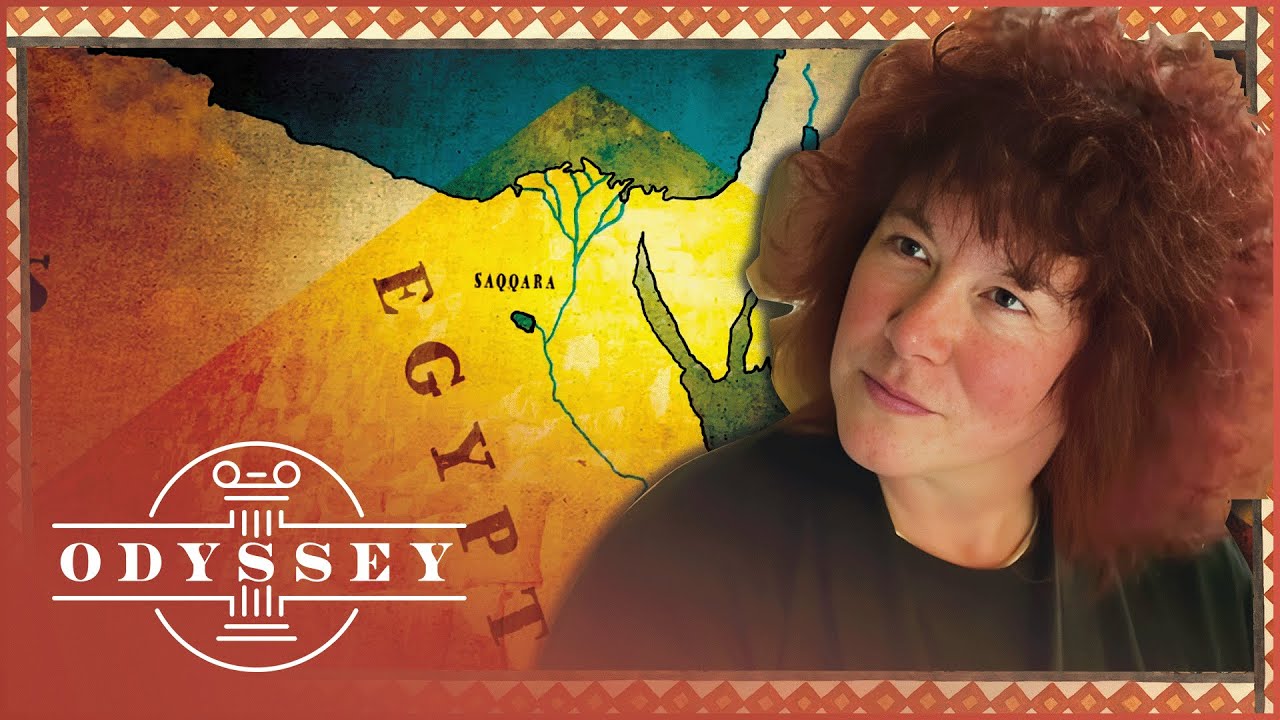
in fact he is only one of two common Egyptians to be given the honor of Deification strangely enough the other deified commoner Aman hotep was also a Healer now it makes sense why your mom wanted you to become a doctor after his defecation the realm hotep was worshiped as a powerful God and his followers traveled from all over the Empire to the Sakara necropolis his supposed final resting place at Sakara worshippers would ask priests to let them stay overnight as they believed the dreams they had there would give them guidance And help heal sick family
members pilgrims also mummified ibises and left them for imot since the bird was associated with wisdom in the movies on the other hand motep wasn't concerned with healing anyone except his lost love anaksunamun and not to split hairs but even that was more necromancy than medicine when motep was deified the priesthood needed to decide his place among the pantheon ancient Egyptian theology was focused on hierarch And certain gods were revered above others for a variety of metaphorical and symbolic reasons Imhotep was considered the son of P the god of Craftsman together with p and sekmet
the goddess of childbirth imotep completed the great Triad of Memphis while that might sound like a country music Trio from Tennessee it was actually a group of three gods associated with a powerful ancient Egyptian City fans of the Mummy franchise know the movie imotep wields Some impressive magical powers he can transform himself into sand control scarabs and summon plagues you know typical mummy stuff he even has Supernatural strength and Agility like Spider-Man now the movie doesn't work too hard at explaining why imotep has these magic powers but if it's because he's the son of a
god it would actually explain everything rather nicely eminent Canadian physician Sir William Osler called him hotep the first Figure of of a physician to stand out clearly from The Mists of antiquity imotep was a prolific doctor and surgeon treating over 200 patients in between fulfilling his political religious and Civic duties he treated everything from tuberculosis to golf stones and may have even had a hand in founding the first known school of medicine and in the mummy movies motep is in fact a surgeon well sort of he's a surgeon in the sense he wants to vivisect
a living human Being in order to provide a host body for his 3,000-year-old lover where on aware of any modern medical school which teaches that particular technique but the concept is undeniably surgery like in 1862 a dealer named Edwin Smith bought ancient Papyrus not knowing what he was getting the Edwin Smith papers as they came to be called are a compendium of medical wisdom the book covers all manners of cases including tumors fractures and infections considering the Time it was written which was roughly around the 27th century BC it's a mostly accurate and sophisticated Medical
book and includes a fairly precise description of human anatomy while there is no definitive proof of its authorship this document has been attributed by many to Imhotep Hollywood's version of Imhotep however has an entirely different relationship to ancient Scrolls when someone accidentally reads from mystical Egyptian scripts they Reawaken him so he can unleash his wrath on the world it makes for a much better story than Scrolls about Old World medical knowledge but we're grateful Smith didn't find anything like that during the reign of King Zoser Egypt was struck by a 7-year famine the king asked
Imhotep to find a solution historians say motep consulted ancient books and instructed the Egyptians to pray to kenam which allegedly alleviated the famine however we also know imotep Created an irrigation system that allowed the fields to receive water even when the river was low while the prayers boosted the people's confidence the irrigation system may have been the real solu ution the fictional motep definitely has the power to end droughts it's just highly unlikely he would be so benevolent with his power since he was you know a monster but in The Mummy Returns he does indeed
summon an enormous wall of water in order to wipe Out his enemies such a power would arguably be as effective as irrigation channels and a whole lot more impressive throughout both the mummy and The Mummy Returns motep at heart is really just a misunderstood hopeless romantic in fact everything he does in both films is motivated by his love for anak Sonam Moon the two of them conspire to take down the Pharaoh but their plot ultimately unravels his love for her is so strong that when she abandons him at A critical moment in the film imotep
willingly throws himself into a Chasm of hungry Souls who tear him apart was it melodramatic and disgusting yes was it kind of sweet yeah it kind of was the real life woman however lived in the 14th century BC about a, years after imhotep's time she was the wife of Tuten common and was reportedly highly devoted to her Pharaoh when Tuten common abruptly passed at the age of 18 or 19 anaksunamun became Queen of Egypt and Ruled until her handpicked successor took over it was probably a better deal than being an object of fixation for an
all powerful super eval sorcerer mummy guy but it wouldn't have made for nearly as exciting a movie from around 3150 to 30 BC Egypt was ruled by kings and queens called pharaohs who in addition to drinking wine and eating like Well Kings spent their days overseeing the religious economic cultural and political life of Egypt for most of their waking hours pharohs were constantly surrounded by people sorry introverts if you were an Egyptian Royal chances are you'd never get a second to yourself these Royal Entourage members consisted of Hangers On from the Royal Court usually officials
family members Noble Servants and Royal bodyguards luckily for the Royals they mostly got to pick who hung out with them usually rewarding friends and relatives with the sweet sweet gig Oh what did you think nepotism was a modern concept yeah no do you ever take a bath and get dressed and think wow that was a lot of work I wish a servant could have done all of that for me well if you were an Egyptian Royal you'd be in luck after rising from their beds in the morning pharaohs would be met by servants who Reed
them for the day these position brought servants in close proximity to The pharaoh who probably had pretty bad morning Pharaoh breath servants would also bathe the Pharaohs some rulers like heeps likeed to perfume themselves with Rich oils to underline their High status which wasn't the worst idea considering they lived over a thousand years before the invention of deodorant after bathing an army of stylists that specialized in everything from sandals to wigs would assemble the clothing H wouldn't you like to see that makeover Montage a an Egyptian Royals couldn't be caught dead without the ultimate Elite
accessory wigs were a serious ordeal in ancient Egypt so much that they even had laws that outlined who could and could not wear wigs legally slaves could not wear wigs and the more Elite you were the better the quality of your wig Royal wigs were the most elaborate and they sometimes included gold and silver threads considering how hot ancient Egypt must have been those must have Been some sweaty and stanky Wigs Wigs weren't just for the tops of Royal heads Pharaoh sometimes wore beard wigs for special events why did ancient pharaohs wear beard wigs beard
wigs became a symbol of a Pharaoh's power and they were warned to show that they were living Gods on Earth with great power comes great responsibility AKA back-to-back meetings according to the Greek historian diodorus all their Acts were regulated By prescription set forth in laws not only their administrative acts but also those that had to do with the way in which they spent their time from day to day and with the food which they ate the accuracy of this assessment is debated however according to egyptologist Adolf Erman Theodora's view of a highly regimented day was
probably more the ideal than the reality with all that power at their fingertips we can't help but imagine that they'd cancel on a Meeting or two would you nonetheless pharaohs had religious and legal duties like participating in ceremonies and exercising judgment to fulfill every day and their routines were probably well regulated to manage the volume of tasks expected of them that's one hell of hieroglyph Hill day [Music] planner not a morning person well too bad soon after Pharaoh's woke up they were briefed on administrative matters And managed affairs with a network of officials they usually
spent their mornings receiving guests in audiences and putting out metaphorical fires and that wasn't optional according to theodoris these tasks were mandates imagine having an admin meeting every single morning in a world where coffee wasn't yet invented ented see being a king was hard limos or sports cars may not have been invented yet but that doesn't mean Pharaohs didn't travel in style ever heard of a sedan no not a four-door car but the chair with long poles sticking out of it that allowed servants to lift it off the ground and carry you as you sat
whenever Pharaoh stepped out of the palace complex they traveled in sedan chairs carried by servants sure these ancient sedan F may not seem as luxurious as a Ferrari but they did have air conditioning in the form of Royal fan bearers a fan bearer's job could Reflect a close personal relationship with the Pharaoh himself and it has been suggested that these fan Bears may have been part of the pharaoh's bodyguard sounds also like a good way to keep the guns toned while keeping guard pharaohs weren't just kings of Egypt they also claimed to be a divining
Authority serving as the intermediary between humans and gods because of this magical aspect to their title their days were occupied by a broad swath of Religious duties such as making religious appointments ordering the building of temples and participating in ceremonies according to the Greek historian diodorus pharaohs made daily visits to the temple to become anointed and offer a sacrifice to the gods sacrifices were probably symbolic and aimed to maintain order in the Kingdom even if Pharaohs were not always physically present at religious ceremonies and rituals their statues in Temples ensured that they were at least
symbolically present de wish you could skip a meeting just send a statue in your place being a member of royalty certainly had his perks while Egyptian commoners mainly subsisted on bread beer vegetables and fish the Royals enjoyed a more decadent diet Royal Banquets might include dishes like Goose Bull and fresh fruits like dates and figs the Royal Court's alcohol of choice was wine which was beyond the means of most Egyptians Sounds like a good time to us wouldn't you love to chug some wine and get full of [Music] bull while the vast majority of ancient
Egyptians practiced monogamy kings were allowed to have multiple wives and oh boy did they love flexing that bit of power male pharaohs had a great Royal wife or chief highest ranking wife along with a number of lesser wives and concubines and harms those harms According to author Charlotte Booth demonstrated the wealth of the king in other words the bigger the Haram the wealthier the Pharaoh being a member of the Haram was an all sunshine and rainbows especially considering the Pharaoh could demand appointments with a given wife every night yikes these relationships all but ensured the
Pharaohs generally had lots of kids Ramsay's the second for example is reputed to have fed over 100 children By his wives and concubines considering his triple digit amount of kids were in a different designated part of the palace it's safe to say he wasn't the most Hands-On father they did however have access to tutors and nurses pharaohs might pass the time by traveling through the city and attracting large crowds of Spectators along the the way since Pharaoh's decided where temples would be built they might also stop by a construction Site though all pharaohs invested in
construction projects ramse II in particular was a prolific Builder he used his building projects as a form of propaganda to Proclaim his power Pharaohs were both gods and real estate developers a classic toxic power combo only Royals could hunt big game like lions though Pharaoh sometimes allowed other Elites to participate going hunts wasn't a necessity as kings pharaohs had all the food they needed Prepared for them but it was a form of entertainment for King and Court alike and they didn't even need to have any hunting skills to do it sometimes a game master would
pre- catch an animal for the king to dispatch cheating was okay if you were a pharaoh but hunting wasn't just a way to blow off steam after a long day of pharaoh duties pharaohs used the Royal hunt as a chance to demonstrate their strength and Showcase in scholar Peter lao's words the king's Prowess in mastering the natural world King Tuten common appears to have been no exception and a scene in his burial tomb depicts the young king returning from an ostrich hunt pharaohs may have played up their connection to Divinity but the ancient Egyptian rulers
were just as mortal as everybody else in fact many of them were probably straight up unhealthy frequent inter marriage and incest produced shallow Gene pools King Tuten common for Example probably suffered from genetic problems that gave him a limp the Royals fatty carb heavy diets also took a toll Pharaoh's could be overweight and many of them suffered from heart disease hatet suit was likely diabetic and obese these diet related health problems were somewhat ironic given deodor as claim that the Royal Family's whole diet was ordered with such countenance that it had the appearance of having
been drawn up not by a lawgiver but by the most Skilled of their Physicians with only their health in view or maybe the Royals just had one too many cheap meals do you think your family has baggage try being an Egyptian Royal sometimes a Pharaoh's Authority was challenged by members of his or her own family in 1155 BC rames iiii was done away with in something called the heram conspiracy in this instance one of his wives Tai probably orchestrated the whole debacle so that her son could rule Hat CHP soup and her successor likewise had
to deal with fractious family members during their Reigns Cleopatra the last pharaoh of Egypt Consolidated her Authority by engaging in a civil conflict with her younger brother and husband in 48 BC if they'd only tried family counseling first ancient Egyptian Royals certainly lived colorful and Larger than Life existences from packed work days to high octane playtime there was never a dull moment for these wig Clad pharaohs and their surrounding entourages the pyramids of gizo were constructed over 4,000 years ago so it's natural to assume the passage of time is why the methods behind their construction
remain remain so mysterious while that's partially true Scholars now believe that it's also likely the ancient Egyptians deliberately tried to conceal those methods egyptologist kakuni points out that as much as anything else the pyramids were works of Propaganda part of their purpose was to prove the otherworldly and Godlike nature of their kings the sense that these structures were impossible for mere mortals or other rulers to build was a key part of that illusion so concealing the secrets behind their construction would have been par amount for many people the first question that pops to mind when
contemplating the construction of the pyramids is how did they move those giant Stones the answer Begins right in the quaries where the granite was taken from the quaries were filled with natural obelisks of rock workers would identify one of these obelisks and then remove the ground around it the process began by chipping away at the weathered upper layers of the rock then they would dig deep trenches around the Obelisk to free it from the rest of the ground next the workers would clear a path to one side so that the cut stone could be pushed
Out horizontally as opposed to being lifted out vertically we know this is how they really did it because archaeologists have uncovered a single unfinished Obelisk which for unknown reasons was abandoned Midway through the process of extraction even in modern times quarrying granite and cutting it into a usable shape for construction is extremely difficult this has led many to wonder how the ancient Egyptians were Able to accomplish the task with such precision while there is still much to be learned one theory has some compelling physical evidence backing it up egyptologists believe the Ancients used a very
clever method which involved punching holes in the rock with an iron chisel and then stuffing those holes with wooden wedges the wedges would be drenched with water which would cause them to expand until they split the rock itself then the workers would chisel Those fissures until the stone was in the shape of a block as previously mentioned the ancient Egyptians made every effort to keep the methods behind pyramid construction a secret however some evidence and documentation has survived including the Papyrus Diary of a worker named merror Mer's diary along with other sources hint at a
culture with a deep and meaningful understanding of physics this knowledge allowed the Egyptians to create planes Wedges pulleys and levers different kinds of simple machines construction of the pyramids was enabled by the ability to employ these simple machines on a massive scale with Incredible creativity and ingenuity once the massive obelisks were cut from the ground the workers faced an even bigger challenge getting the blocks out of the Quarry Scholars have long wondered how the Ancients were able to lift these blocks which could weigh Dozens of tons without the use of Advanced Machinery recent archaeological discoveries
at an alabaster Quarry in eastern Egypt suggest that the workers used a simple but ingenious ramp and rope system to move the blocks it worked like this an upwards ramp was built with an adjacent staircase on both sides post would be set into holes dug into the staircase at regular intervals the block would then be placed on a flat sled finally the workers would attach ropes To the block and pull them over the poles using them as axles the net effect was to cause the block to slide up the ramp while it is important to
note that this evidence comes from a quarry that was not used in the construction of the pyramids it's still likely that the same methods and Technologies were used quarrying the blocks was extremely difficult and lifting them out of the quaries even more so but those challenges were nothing compared to what Came next transporting the Quarry blocks across miles of desert to the construction site at Giza the task was daunting but they figured out a way to make it Easy by using tagin yes evidence shows that the ancient Egyptians used rudimentary sledges to move the massive
Stones across the Sands these sledges were simple flat surfaces with upturned edges that could Glide right over the tun well almost the extreme weight of the blocks complicated the process by Causing the sledges to dig into the sand but once again the Ancients had a simple but effective solution to the problem water living in the desert the Egyptians had long known that wet sand was firmer and therefore able to carry a heavier load than dry sand that being the case the workers likely used water right out of the Nile River to wet the path ahead
of them this theory is based on a wall painting found in a tomb that shows the process in action previous Scholars Interpreted the water pouring as ceremonial but later researchers suspected it might have had a more practical purpose the method which was eventually tested by researchers from the University of Amsterdam was found to be very effective the ability to drag Granite blocks through the desert sands was necessary but labor intensive in order to help ease certain stretches of the journey the Egyptians probably installed Fixed tracks in some areas archaeologists have found evidence of these tracks
in several locations like everything else the builders did the method was simple but effective round logs were laid down and used as rails for the granite blocks to slide along areas that required moving uphill were likely traversed with help from the same rope and pulley systems used in the quaries these sites have also yielded traces of oils and animal fats which Scholars suspect were used as lubricants while heavier Stones needed to be moved over land lighter blocks that were 15 Tons or less were often floated to their destination the Papyrus Diary of an Egyptian official
involved in the process refers to a series of canals connected to the Nile that were used for precisely this purpose the diary records that Wooden Boats lashed together with ropes would be used to Ferry the blocks from their Quarry in Tura to the plateau At Giza while the designs of the canals were sophisticated enough to include artificial ports for loading and unloading they only function during the summer when the Nile was flooded despite all of this information there's still so much we don't know about the construction of the pyramids one of those things is the
design of the ramps that were used to pull Granite blocks from quaries and Elevate the blocks into place once they reach their final Destination scientists have suggested numerous possibilities for the design of these ramps from the incredibly simple to the surprisingly complex each of those suggestions have pros and cons but in the absence of additional evidence turning up there's no current basis on which to determine once and for all which might be right some of the best evidence we have about the ramp construction comes to us very recently via modern technology a High-tech scanning process
known as muography was used on the Great Pyramid of Giza the scan detected a mysterious Deep Gap in the pyramid that some theorize as the remnant of a construction ramp that was used to build the Pyramid from the inside out because the area is virtually inaccessible archaeologists have not yet been able to examine it more closely [Music] questions still remain about how some of These lighter Stones might have been moved when the Nile wasn't flooded or for the construction of pyramids not located near water Joseph west of Indiana State University has a guess West theorizes
that if the Egyptians attached three rods to each side of the blocks 12 in total it would transform the block into a do deck again that could easily be rolled up the ramps he tested his theory with an experiment which showed that the method not only Worked but significantly reduced the effort needed to move the large blocks around around how significantly enough so that a single person could push the block a considerable distance however while the concepts involved were known to the Egyptians and their knowledge of physics made it plausible they could have figured it
out there is no direct evidence they used this method going back to the days of the Bible and Herodotus It is believed that the Pyramids were built on the backs of hundreds of thousands of slave laborers modern archaeologists however aren't so sure evidence gathered from the tombs of the workers suggest a fairly different scenario first there were far fewer workers than were previously believed rather than number in the hundreds of thousands Scholars now believe the number was closer to 10,000 or so moreover those workers were clearly of a higher Social Status than that Associated with
slaves combined with the evidence of the technology and Ingenuity used in the transportation of the materials and construction itself egyptologists now believe the workers who built the pyramids were highly skilled creative artisans [Music] embalming was important because it was believed to help Define how a person would look when they arrived in the afterlife kind of like a personal Trainer for eternity when the embalming practice first began to catch on in ancient Egypt it was reserved strictly for royalty and other members of the upper classes much like your local car wash as embalming became more common
embalmers began offering different levels of service depending on the social status of the client whether you were a pharaoh or just an ordinary person on the street your local embalmer had had something right for you minus The air freshener thanks to the testimony of the Greek historian Herodotus we even have some idea of how the sales process worked the embalmers would have painted wooden models that demonstrated the three different levels of service available to the family of the deceased the first was the best and most expensive which was believed to resemble the god Osiris not
a bad look to have we know the ancient Egyptians Called the structure where the embalming took place the good house and the workshop itself the pure place historians and archaeologists had long believed that this good house was a tent or other temporary structure it was erected near the prospective internment site away from populated areas that might be bothered by the stench however an archaeological find at the Sakara necropolis showed something slightly different the Dig uncovered in a Balmer's workshop which as predicted was adjacent to a communal internment site but the structure was more permanent than
had been previously imagined thanks once again to Herodotus we know quite a bit about the process of embalming embalming would start by cleaning the body and removing the innards then the body would be covered in a salt called Natron and left that way for 70 days after the 70 days the person would be washed and rolled in bands of fine linen Which were glued together with gum it sounds pretty convincing but archaeological discoveries and the works of other ancient writers make it clear that Herodotus left out a few steps similarly a Stella from the 6th
Century BC alludes to the process only taking 42 days so we can assume there was some variability in how these things were [Music] done depending on which level of service was selected by the decedent's family There were several ways of removing one's internal organs the high-end procedure started with taking out the brain they would do this using a hook and yanking it through the nose as one does when removing the brain brain next they would remove everything in the Torso the lung stomach liver and intestines the heart however which was believed to be the center
of a person's soul was left behind the organs were then placed into jars and the empty Cavity was cleaned out with palm wine and spices then filled with myrrh and cassia finally the body was sewn back together the mid-level procedure for those as heraus said wish to avoid great cost was a little different embalmers would fill the belly using syringes of cedar wood oil oil the physical being would then be left for several days for the oil to dissolve their internal organs finally the oil would be drained emptying out the body's interior between This and
the use of Natron salt on the flesh the body would be reduced to Skin and Bones and then returned to the family what a treat for them the lowest level procedure consisted of Simply cleaning out the belly and treating the skin with Natron for the requisite 70 days after that the body was returned [Music] while the exact process of mummifying changed over the centuries cleaning drying and purifying the body always Remained fundamental water was used to wash the anatomy and it was mixed with Natron that would eat away the skin the solution was efficient but
not terribly healthy for the embalmers themselves since Natron was known to be hard on the lungs eyes and of course skin Natron is a naturally occurring mineral salt made from sodium carbonate its purpose was to dehydrate the body though archaeology shows that embalmer would also use regular salt and sometimes even sand for This purpose after removal of the organs the body would be covered in Natron and then placed on a table the table would be tilted so any fluid would drain and be collected in a container the process was witnessed and recorded in the first
century BC by the Greek historian deodor culus he said the embalmer would reach his hand through an incision in the thoracic cavity and remove anything except the kidneys and heart at the same time another embalmer would clean every Single piece of viscera by rinsing it with palm wine and fragrant water after that the carcass would be Anointed with cedar oil diodorus didn't record exactly how much of these substances were used but archaeologists at Sakara have found labeled measuring cups that give us some idea of the amounts involved frankincense and myrrh are famous in the Nativity
Story but they're also known for being among the fragrances that Egyptian embalmers would Use to treat mummies the ultimate point of the treatment which could also utilize C cassia and other scented woods and fragrant oils was to give the body a smell that would please the gods it's also likely that the treatment made the process far more tolerable for the embalmers themselves this part of the embalming was so important that it was repeated several times over the course of the process the first time would be directly after the removal of the brain When a mixture
of wax scented oil and resin would be poured into the skull to preserve its shape later the body would be massaged with juniper oil beeswax wine spices and milk finally the body would be covered in oil from shoulders to feet during a ceremony known as the opening of the mouth when the mouth would be reopened so the individual could eat in the afterlife the condition of the Mummy would determine how an individual looked In the afterlife and it was important to be recognizable in the afterlife therefore it was important that embalmers be able to ensure
an imbal person would resemble its pre-hydrated appearance to do this the workers would wait until until the hide was sufficiently dried out and then remov the Natron it was then cleaned and its cavities would be stuffed with sawdust linen and sand scented oils and resins might also be included in the stuffing This was all a bit of an art form and it wasn't always done well for example Queen hanata of the 19th dynasty was so overstuffed her body was out of proportion and her cheeks literally burst similarly those mummified could be easily damaged if not
correctly handled a set of ancient instructions caution workers to to beware of turning the body upside down onto its abdomen or face warning the body is filled with medicinal materials and the gods which Are within the abdomen might be displaced from their [Music] position thanks to Hollywood movies the popular image of the Egyptian mummy is of a body carefully wrapped in strips of linen according to Herodotus the most expensive form of embalming came with such a wrapping which would be applied after the body had been drying for 70 days the Cranium and limbs were typically
wrapped first and the material Would be applied in layers so as to preserve the shape of the body however second and third tier embalming did not include the professional wrapping the mummy would be returned to its family after being dried and the family would have to do the wrapping themselves royalty was typically wrapped in high quality textiles but the most common material used for mummy wrapping was linen second and third tier bodies were likely to be wrapped in their own Garments or leftover household items mummies were often wrapped with amulets that bore sacred symbols which
were associated with specific Gods like Osiris Royal mummies were often decorated with jewels and precious metals once wrapped the body would be dipped in resin at which point paint burial masks and inscriptions could be [Music] added according to theodoris Egyptian embalmers were all men because of this Different rules had to be observed when involving women the wives of high ranking men and women who were considered exceptionally beautiful or of high regard would not be immediately turned over to the embalmers but held back for 3 or 4 days why brace yourself according to Herodotus these women
were held back longer to prevent a Balmer from say um how do I put this mistreating their bodies if you get what I'm saying if you've seen the video for Tom Petty's Last Dance With Mary Jane you understand this the Greek historian reported one of the embalmers was taken once doing so to the body of a woman lately passed and his fellow Craftsmen gave information yeah moving [Music] on according to Herodotus whenever anyone passed away in the Nile whether they were an Egyptian or a stranger it was the responsibility of the people of the city
who found the body to lay him Out in the fair's way they can and enter him in a sacred place the town or individuals who found a person would be responsible for paying the involment cost and those costs were relatively minimal depending on the procedure selected the cost was roughly one silver Talent which the writer called an altogether insignificant amount Herodotus and diodorus agree that embalming was a family profession passed down from father to son and that the Demand for embalmers could e and flow depending on how popular the practice was at any given time
at their height imalers formed a union aimed at among other things protecting their Trade Secrets the union created a hierarchy of workers supervisors or Harry sesta also known as master of Secrets oversaw the process they would wear Jackal masks thus taking on the role of anubus who in myth prepared Osiris for the afterlife next in the hierarchy was the Kimu Nether or seal bearer of the God and the ker heit or Keeper of the Sacred Book who would call out appropriate sayings at proper times beneath them were the wet youu who prepared the embalming materials
Greek writers described workers who were incision makers and Pickers but so far no egyptian writings have identified what these roles were education and Medicine were remarkably sophisticated and men and women enjoyed Ane equality under the law That wouldn't be seen in other societies for centuries to come but before we get started make sure you subscribe to the weird History Channel now let's go to Egypt in addition to being the primary source of water for cop irigation and cloth making the Nile River was basically the interstate in ancient Egypt both the lower and upper class alike
traveled along it in simple Skiffs and wooden boats to get from place to place it was also used to transport the Heavy stone blocks used to build the pyramids and to Ferry the bodies of dead Nobles in elaborate funeral processions but rather than having to keep an eye on their speed and watch for state troopers the Egyptians had to constantly be on guard against hippo and crocodile attacks the pharoh meis was killed by a hippo while traveling on the Nile and it's been suggested that a hippo may have maed King Tutt in a similar attack
leading to his premature death insert Hungry Hungry Hippos joke here beer making was first recorded 18,000 years ago in ancient Egypt like my uncle Gilbert Egyptians loved beer beer was considered a staple Meal which is why both children and adults drank it and wages were paid in brewable Grain that said beer in ancient Egypt wasn't like the stuff you order by the glass the local pub it was more like a thick sweet soup with a lower alcohol content so you could have a bowl or two for Dinner with without getting into a drunken fist fight
with a [Music] hippo despite what you may have assumed ancient Egyptians practiced a number of Advanced Medical Fields including Dentistry Gynecology surgery and even autopsy although maybe that last one isn't too surprising to anyone medical procedures were a mix between medical treatment and religious ceremony but weren't restricted to the upper class Healthc care was apparently available to everyone including slaves and hygiene was a big deal in ancient Egypt because the Egyptians had realized that walking around with a 3-in layer of sweat ripened filth clinging to your skin was a petri dish for disease as a
result they bathed constantly using soap made from Salt and animal and vegetable oils and it was common place for both men and women to completely shave off all their body hair even the hair on their heads The Egyptians also made fragrances perfumes brewed from Lily myrrh and cardamom were common and they may have even created the first deodorant using a mixture of citrus and cinnamon we call that scent [Music] breakfast despite the undeniable anatomical knowledge the ancient Egyptians possessed they hadn't figured out everything about the human body they believe that the mind was located in
the Heart or I and that all thoughts originated from it the heart was also thought to be the seat of intense emotions like love sadness and bravery a belief shared by almost every culture as for the brain the ancient Egyptians clearly didn't think much of it because it was simply thrown in the trash during the mummification process maybe they thought it was just skull filling the judicial system in ancient Egypt was split between two courts the Kenet and the great kenet the lower kenet basically dealt with misdemeanors while the great kenet was reserved for serious
crimes like robbery and murder typically the pharaoh's Vier ruled over each case with ultimate judgment coming from the Pharaoh himself but in especially complicated cases the courts would defer to The Wills of the oracles or since the oracle never bothered to show up the statues of the Oracles in these cases both the prosecution and the Defense teams would write out their arguments on a slip of paper and place them on opposite sides of the street whichever direction the statues appeared to lean more towards was declared the winner and the defendant was judged accordingly that is
the most elaborately arbitrary system of justice ever as we mentioned earlier Gynecology was a medical field present in ancient Egypt but much like the heart and brain debate the ancient Egyptians hadn't Quite worked out all the Kinks yet they knew that sex led to child birth but they believe the womb was connected to the elementary Canal the path that carries the food from your mouth to your anus so in order to test whether or not a woman was fertile a clove of garlic was inserted into a woman's hooo and if the garlic could be smelled
on her breath it meant she was able to Bear children if the garlic couldn't be smelled that meant there was some kind Of blockage or obstruction and kids were out of the picture while garlic is a fine ingredient in pen AA we cannot recommend its use in this [Music] scenario board games were popular Pastime in ancient Egypt and easily the most popular one was a game called senate senate was played on an elongated chess style board with each player rolling dice or throwing sticks to move their pieces Senate was so popular that Paintings in nefatari
playing the game have been discovered on Ancient Temple walls archaeologists have yet to discover evidence of anyone playing Hungry Hungry Hippos that game just hit too close to to home in modern cultures male infants are circumcised at Birth but in ancient Egypt it was seen as more of a right of passage into manhood and as such it wasn't performed until much later there are Temple paintings depicting priests Performing the procedure on boys in their mid to late teens in case you were wondering whether or not nightmares existed in ancient Egypt history is unclear about the
cultural significance of circumcision in ancient Egypt for instance most Pharaohs were circumcised but the procedure was also Al done to humiliate captives and Mark slaves confusing makeup was ubiquitous in ancient Egypt men were not afraid to dip into the mid 2000s Pete Wentz catalog to Wear some pretty amazing guyliner the eye makeup was made from grinding lead ores into a substance called coal to produce what was essentially lead paint the makeup used by ancient Egyptians was high in nitric oxide which boosts the immune system and helps fight off disease so the eyland might have had
the added effect of protecting the eye from infection while hopefully balancing out that whole lead poisoning thing temples in ancient Egypt were true Community centers in that they acted both as places of worship and as depositories for the nation's wealth that meant for most of the period each Temple was also a Grainery remember earlier when we said that people were paid in beer that's partially because beer is delicious but mostly because money just didn't exist yet coinage didn't appear in Egypt until much later which meant grain was the currency everyone used administrators at each Temple
would Dole out grain accordingly to pay everyone's wages with a low-income job bringing home about 10 loaves of bread and two jugs of beer despite living next to one of the mightiest rivers in the world people in ancient Egypt didn't eat much fish in fact they ate very little meat at all the ancient Egyptian diet consisted mostly of Wheat and barley which makes complete sense when the majority of your population is paid in bread and beer Fruits and vegetables such as celery dates pomegranates and of course garlic were also plentiful and even though meat wasn't
common it was still occasionally enjoyed during festivals or if you were Rich pretty much whenever you felt like having a [Music] steak if you've ever lived close to the equator or watched Miami Vice in the80s you're familiar with the appeal of linen clothing linen is specifically good for Hot weather because it's a thin breathable fabric that feels cool to the touch and the ancient Egyptians made plenty of it lyen was made by picking flax plants from the banks of the Nile and spinning them into threads that could be then woven into cloth in addition to
Simply being a practical garment for the desert climate the fabric was also a symbol of status the finer the weave and the lighter the color the more important you were in the Social [Music] hierarchy in ancient Egypt both sexes appeared to be equal as far as the law was concerned women could buy and sell property including both slaves and land and were also able to file lawsuits and petition for divorce Additionally the Egyptians did not practice female infanticide which indicates baby girls were just as valued as baby boys this seems like the Absolute bare minimum
of gender equality until you consider that the practice was common in other societies of the same time period when the Greeks conquered Egypt in 332 BCE they were surprised to find that Egyptian women had more Independence and civil liberty than Greek women which we assume some Greek General discovered when he tried to give an Egyptian Noble woman his drink order education was a privilege exclusively reserved for the children of upper class Citizens students studied a variety of subjects that more or less resembled a modern curriculum including reading and writing mathematics history science and medicine the
wealthiest kids such as the pharaoh's sons and the sons of nobility went to the prince's school but scholarships did exist that allowed certain exceptional lower class students to attend it's unclear whether the scholarship was awarded in beer ancient Egypt was surprisingly modern in several Ways allowing its citizens to lead lives not totally unrecognizable from the ones we lead today would you like to live or Walk Like an Egyptian let us know in the comments below and check out some of these other videos of our weird history