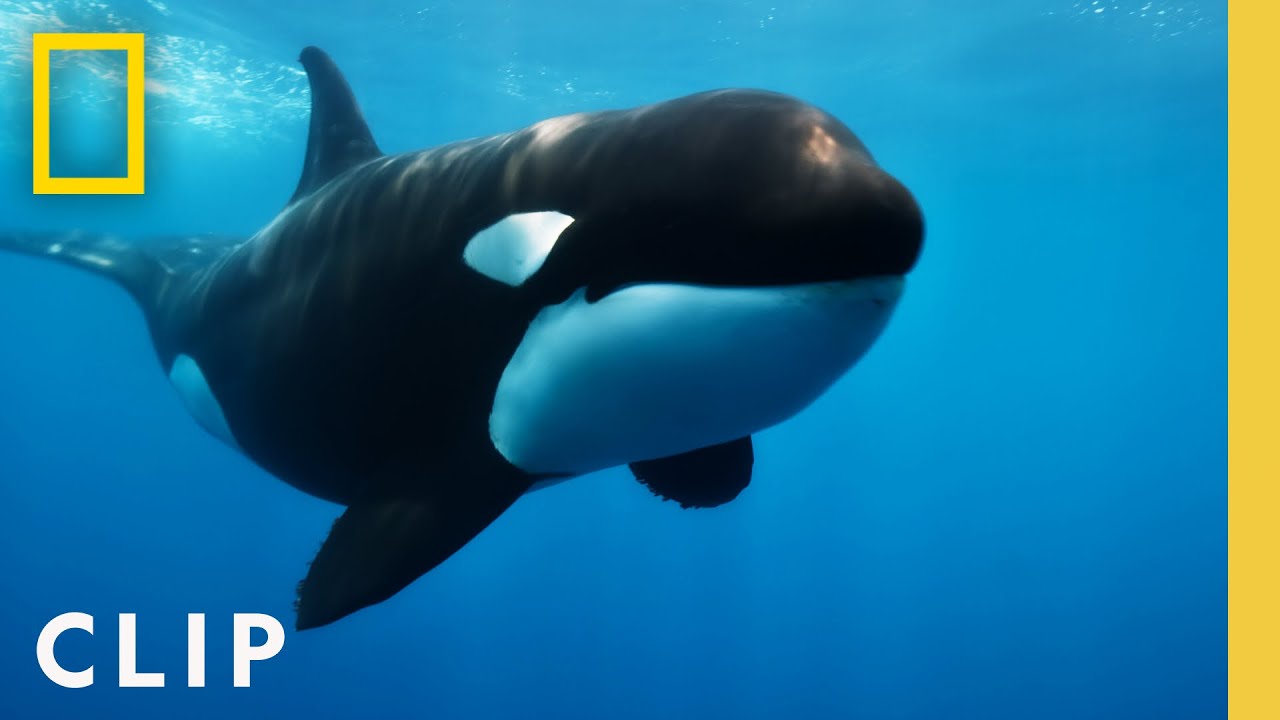
The most dangerous predator of the ocean, excellent eyesight, unique social behavior and one of the smartest animals on the planet! The ORCA a. k.
a. The Killer Whale Killer whales, Orcinus orca, or most commonly termed the orca, are a sight to behold. They have gained the status of being one of the biggest members of the dolphin species.
They are found in almost each and every ocean around the world and are ranked amongst the most distributed species of dolphin, and large populations have been found in cold-water oceans, including the Arctic and Antarctic. They are known to be well adapted to both cool and warm water habitats. Orcas are apex predators and sit at the top of the food chain and are easily recognizable by their black and white smooth skin, and various populations can be very different, both in appearance and in lifestyle, while the young calves are more yellowish in color.
A typical killer whale family comprises of an adult female, her adult sons, and calves of various ages. During each pregnancy, the female orca gives birth to one calf. Killer whales can be up to 10 meters long and weigh 10 tons, making them the largest dolphins in the world.
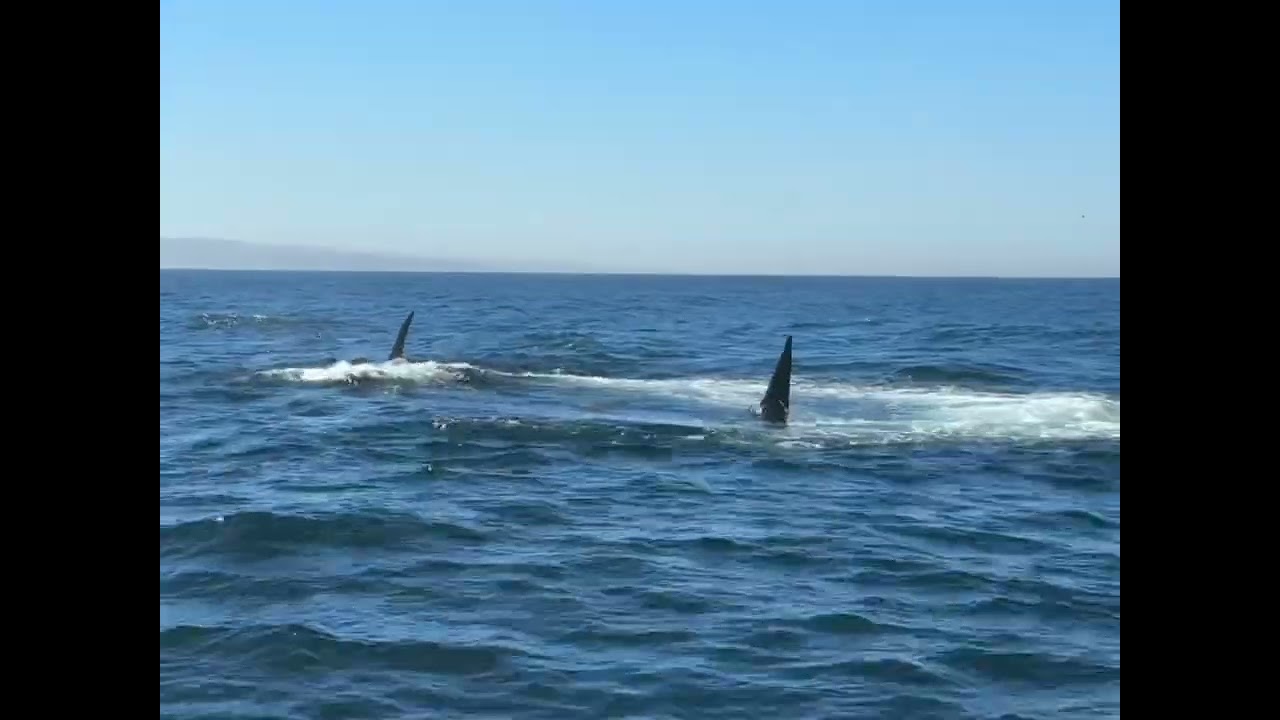
The male possesses huge dorsal fins as compared to that of a female orca. They have extremely large teeth that usually attain a length of 4 to 10 centimeters. One must look upon their teeth as their grip is really strong.
Killer whales have killer eyesight which lets them see crystal clear above as well as below the water. The total number of killer whales of various types is not clear, but it is assumed to be quite high, at least 50,000 individuals, of which about half live in Antarctic water Orcas have a very long lifespan which ranges between 60 to 80 years, almost like humans. She is the wolf of the sea, as nobody dares to set eye on her as no natural predator exists… a true Beast!
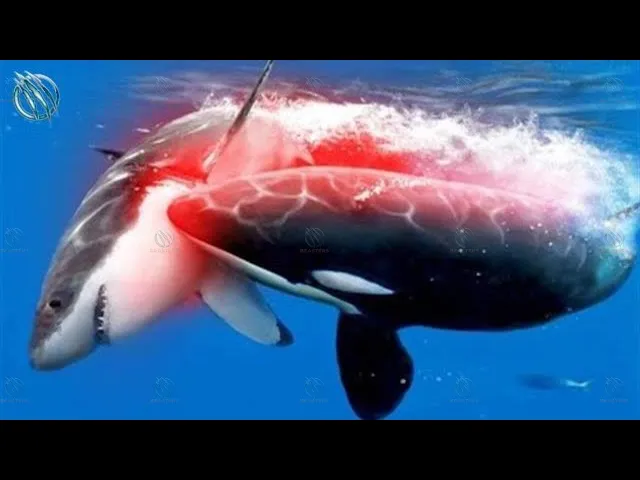
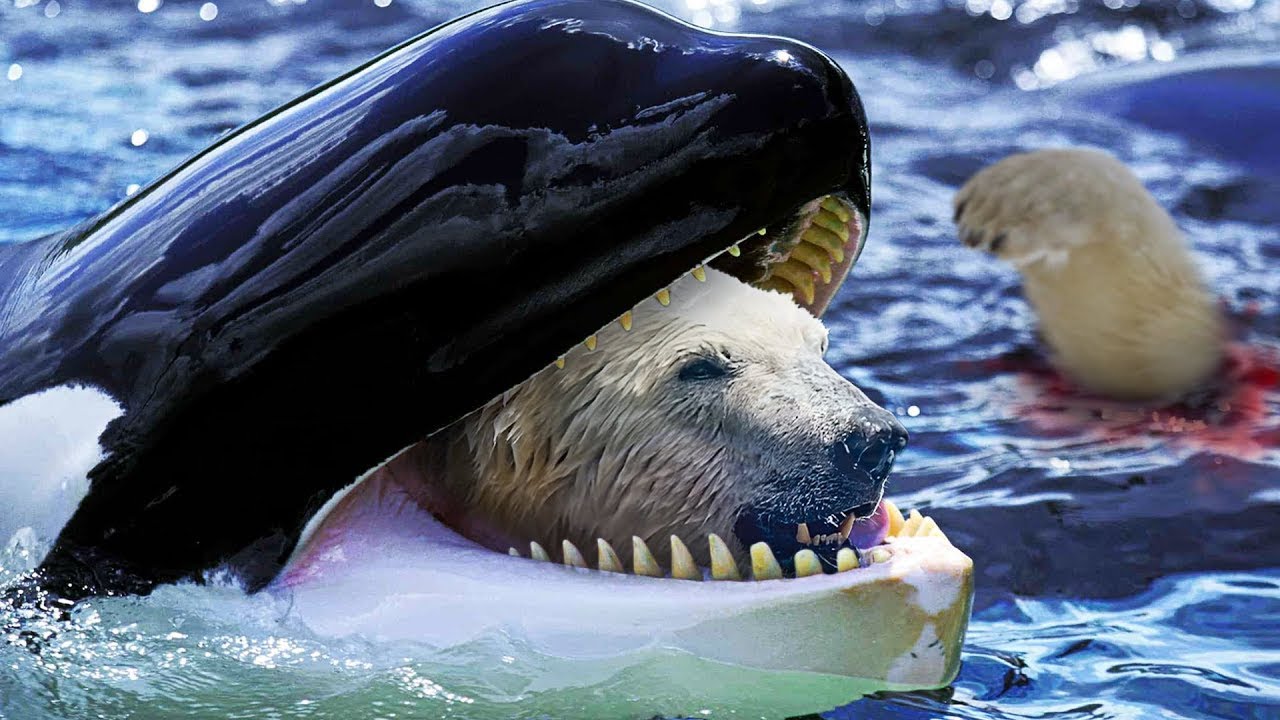
The basis of nutrition for many populations of killer whales is fish. It can eat both small fish such as herring and large predators, ranging from rays to sharks. Killer whale techniques are extremely varied and can sometimes be very complex and unusual.
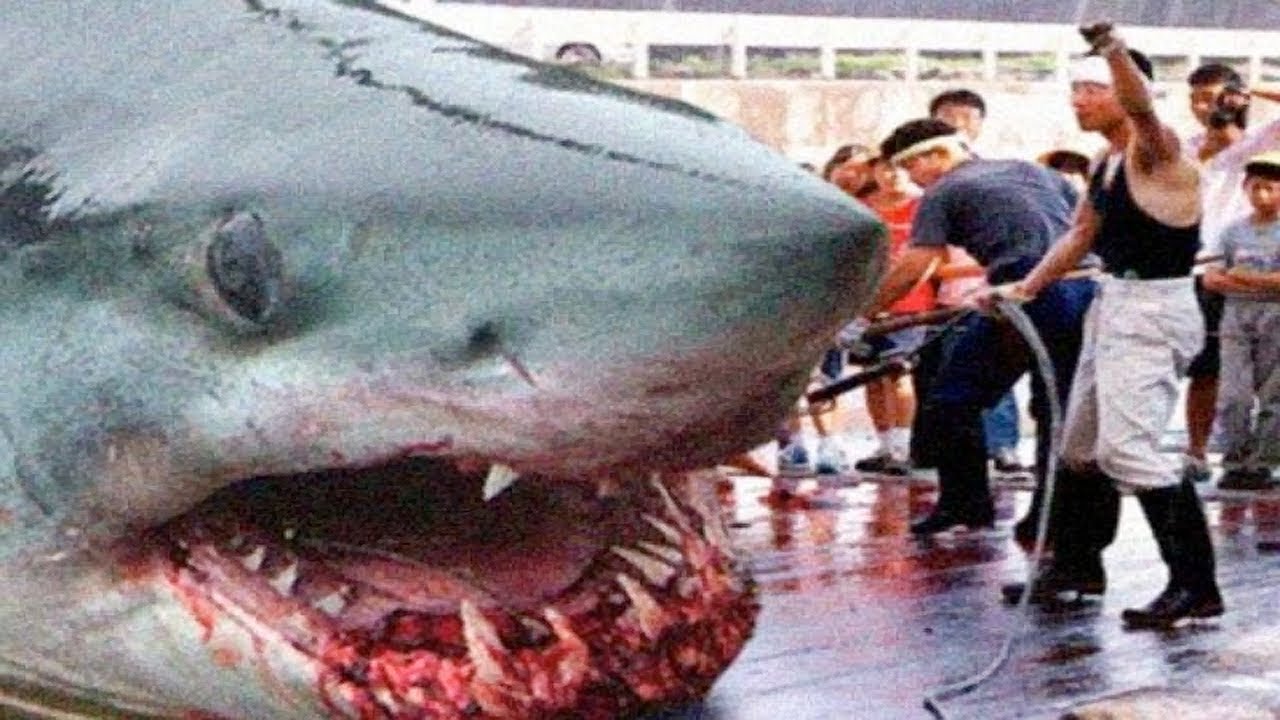
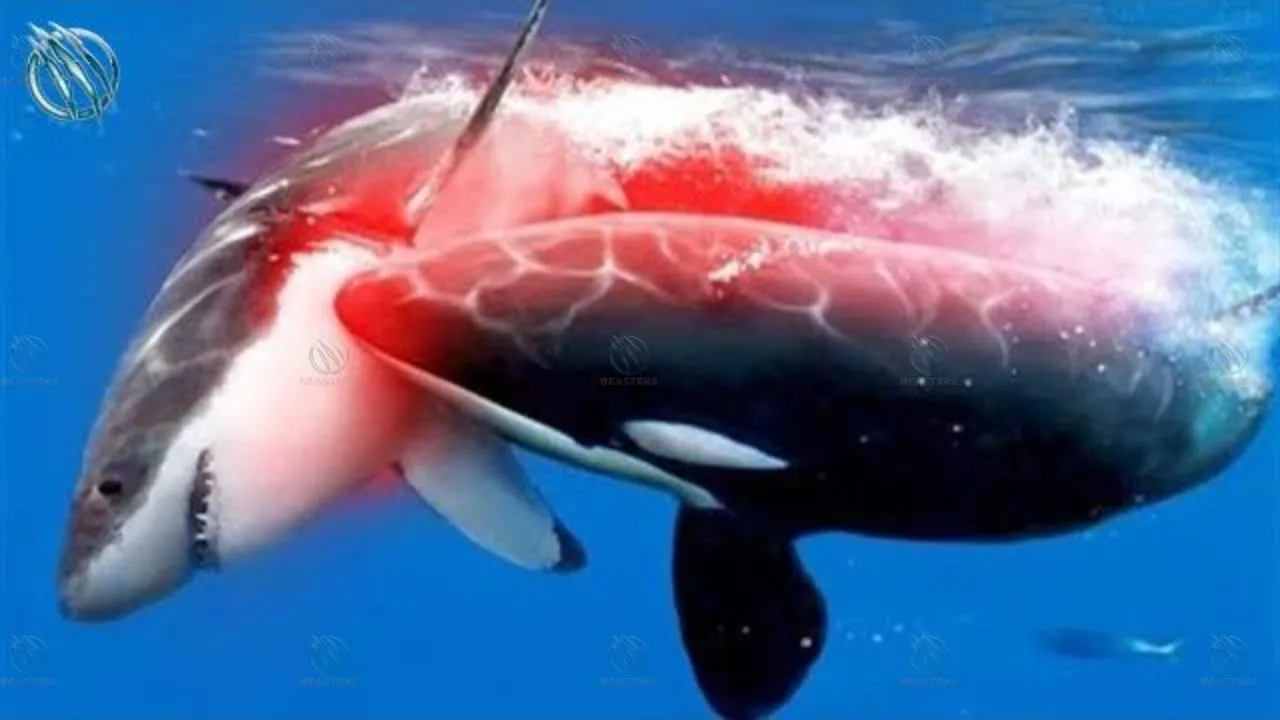
When hunting Sharks, the main focus is their large liver, which is full of fats, proteins, and vitamins, as the meat is rarely eaten due to the high toxic urea content. Even seabirds like penguins are often hunted by killer whales. While catching a king penguin in the water is not easy, as it is far superior to a killer whale in terms of maneuverability; however, in case of a surprise attack, the orca has the advantage as it can accelerate up to 56 kilometers per hour, while the maximum speed of the penguin does not exceed 14 kilometers per hour.
A killer whale's diet includes about 20 species of pinnipeds, including seals, sea lions and fur seals. So, when they crave for a seal resting on an ice floe, a scout killer whale detects the seal and, using sound signals, coordinates the rest of the pod so that they simultaneously swim right under the ice floe creating a wave that flushes the seal into the water. When hunting sea lions, their motive is to isolate the weakest individual from its group and not give it a chance to go back to shallow water.
Then, the orca exhausts her victim with continuous attacks and stuns it with powerful tail blows. Finally, the most powerful killer whale inflicts a fatal blow on the exhausted sea lion, and it’s game over… But even on land, sea lions cannot feel completely safe, as even adult male elephant seals, the largest pinnipeds, reaching 7 meters in length and 5 tons in weight, can become prey for killer whales. Despite being their close relative and being superior to the killer whale in speed and maneuverability, dolphins often fall victim to this apex predator.
As well as many other cetaceans, such as porpoises. Killer whales manage to catch fast and dexterous dolphins due to well-coordinated collective actions and unity of the pod. All killer whales have very complex social behavior and an incredibly high level of intelligence.
Studies have shown that each pod has its own dialect and a set of unique sound signals that are transmitted from generation to generation through learning very much similar to the communication between humans. Production of whistles, pulsed calls, echolocation clicks, jaw clamps, and low-frequency pops are the ways the orca uses to express herself in a pod. This complex communication system, combined with high intelligence, as it has the second heaviest brain among marine animals, allows killer whales to successfully hunt not only dolphins but also the largest animals on the planet.
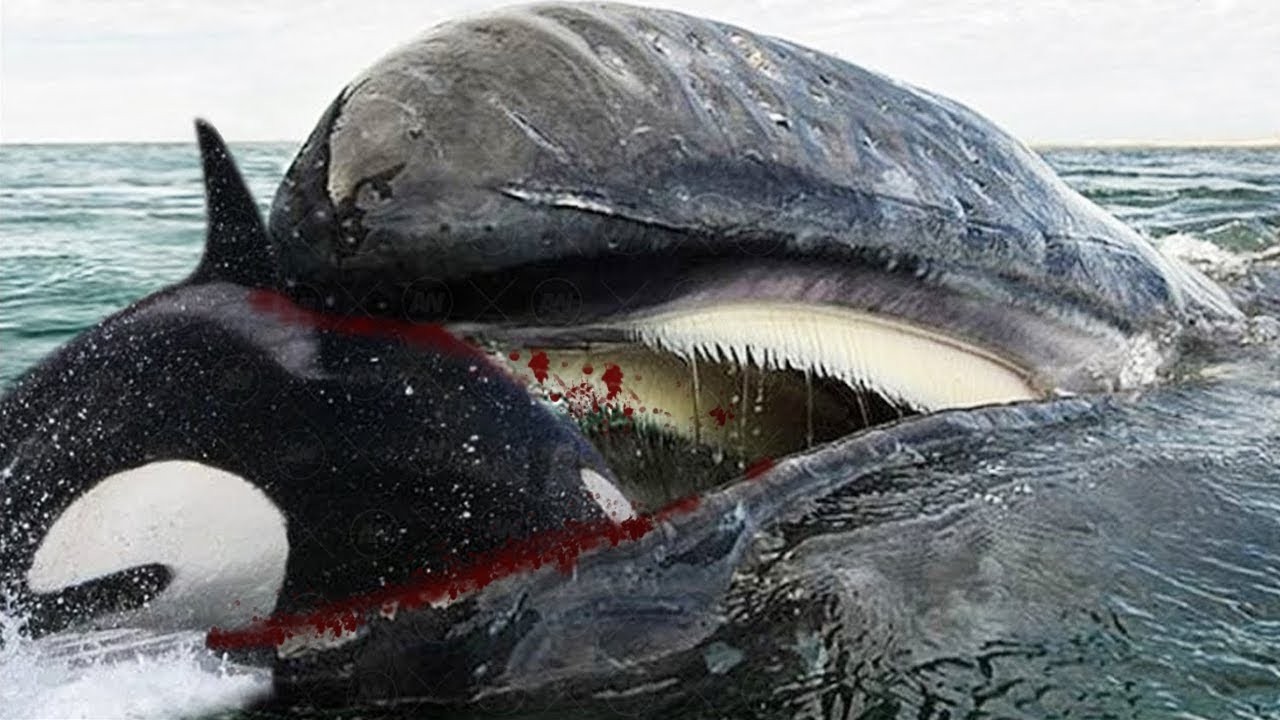
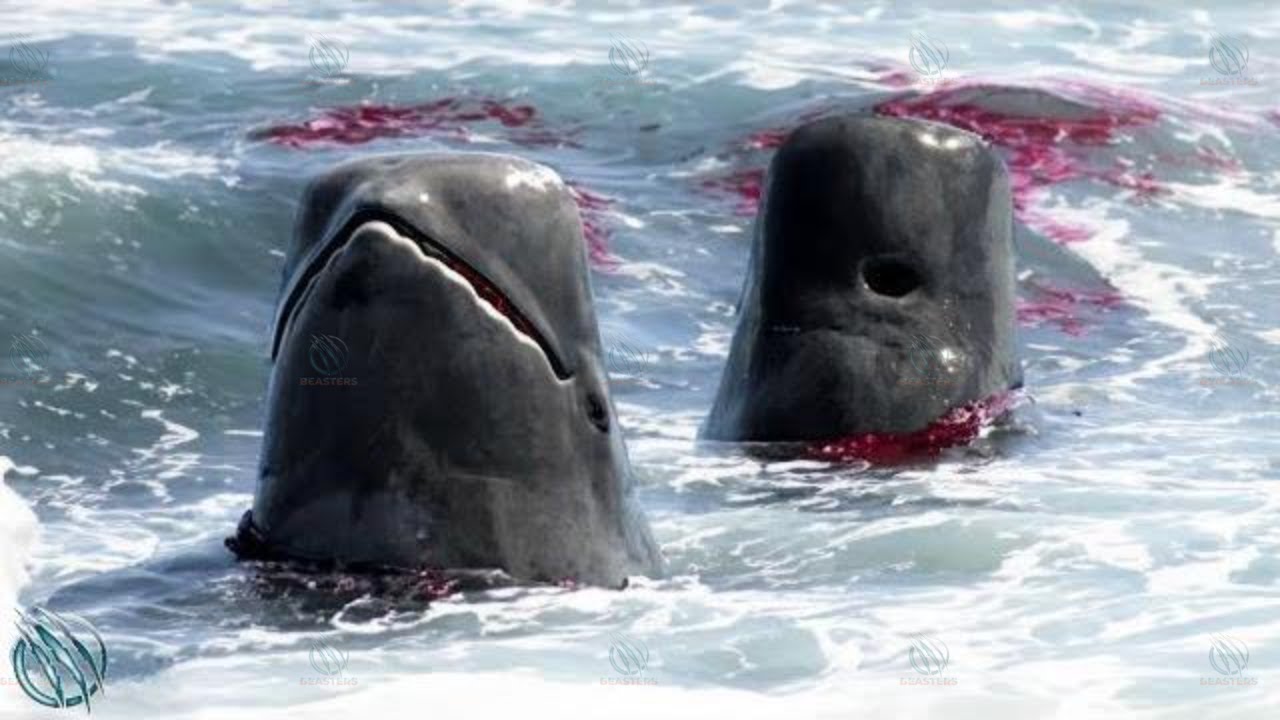
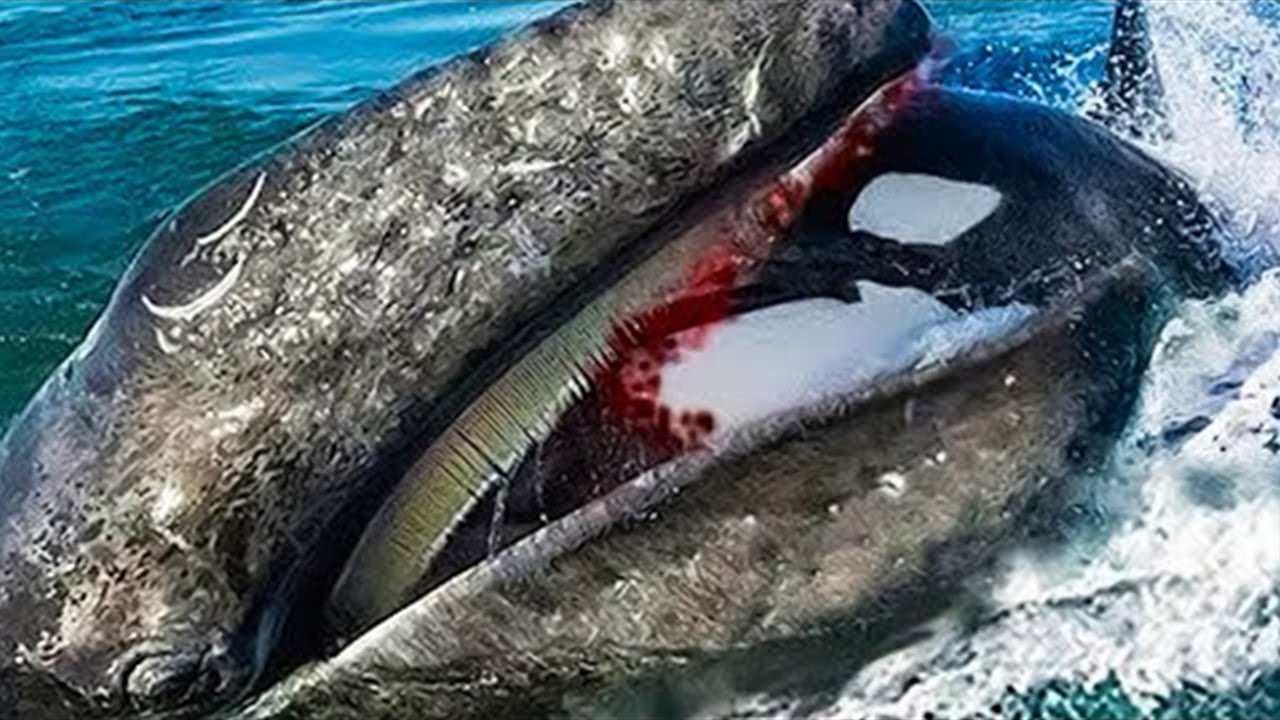
Enter the whale… which is the main prey for many killer whale populations. When hunting a whale, nearly 50 orcas join in groups, inflicting multiple bites on it, trying to immobilize it, after which the whale weakened from the loss of blood is drowned, preventing it from reaching the surface for air. Isn’t this vile?
With its 33 meters in length and a mass of about 200 tons, even the largest known animal in the entire history of the Earth, the blue whale, can become prey to the rulers of the oceans… For this task, huge pods including more than 75 killer whales get together to take down this massive beast… Orcas are very efficient and creative at their job, as each time they adopt a different pattern to launch an attack. Interesting fact though, captive killer whales are often bored and one form of entertainment for them is hunting birds using bait. At first, the killer whale throws a small fish far ashore to the birds, enticing the bird’s attention.
She keeps throwing fish closer and closer gradually decreasing the distance to a point when she suddenly pounds on the unsuspecting bird. Killer whales like to travel in pods. The pods are small groups of 40 individual killer whales, formed not only to hunt but to communicate and live as a family.
Several related families can unite and form a single pod, in which all individuals maintain friendly relations. But mating occurs only between individuals from different pods, to avoid inbreeding. Orcas demonstrate the ability to be trained in captivity.
Curiosity, playfulness, and the aptitude to solve problems are commonly observed. However, there have been cases when captive killer whales attacked people and even killed them, as stress of boredom, loneliness and separation from the calf, along with high intelligence of killer whales, might have played a key role in them somehow turning aggressive on their handlers and people venturing into their comfort zone; especially that hunger was never the cause of the attacks. Out of the four deaths by killer whales in recent history, three of them were by the same captive killer whale named Tilikum.
On the other hand, in the wild, killer whales behave very friendly towards humans. So far, no fatal attacks by wild killer whales have been reported. At the same time, killer whales are not afraid of people, and even willingly come into contact with them.
According to IUCN, the killer whale’s conservation status is updated from conservation dependent to data deficient. Reduction in the population of prey, pollution, large-scale oil spills, and habitat disturbance are the major key factors leading to its depletion. Orcas are one of the endangered species of marine life that is human-friendly and needs to be protected.
Oddly enough, despite their huge size and high numbers, killer whales are one of the least studied marine mammals. Tell us what you think about this absolute unit, playful, intelligent, ruler of the oceans, apex superpredator whales and sharks killer Beast, in the comments section below. Also don’t forget to leave a like on this video, smash that subscribe button and hit the notification bell for more amazing Beasts.