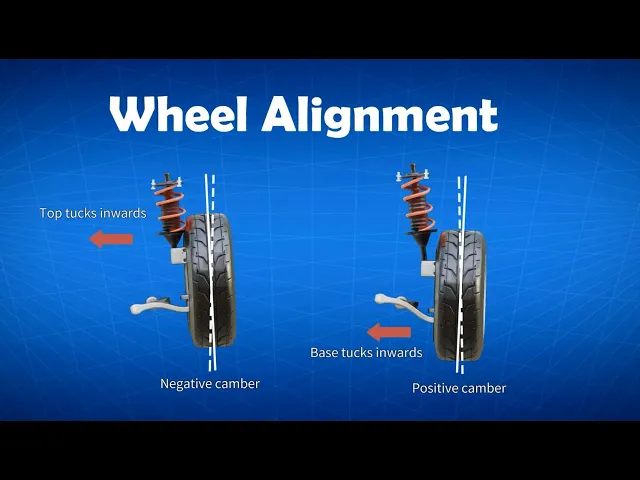
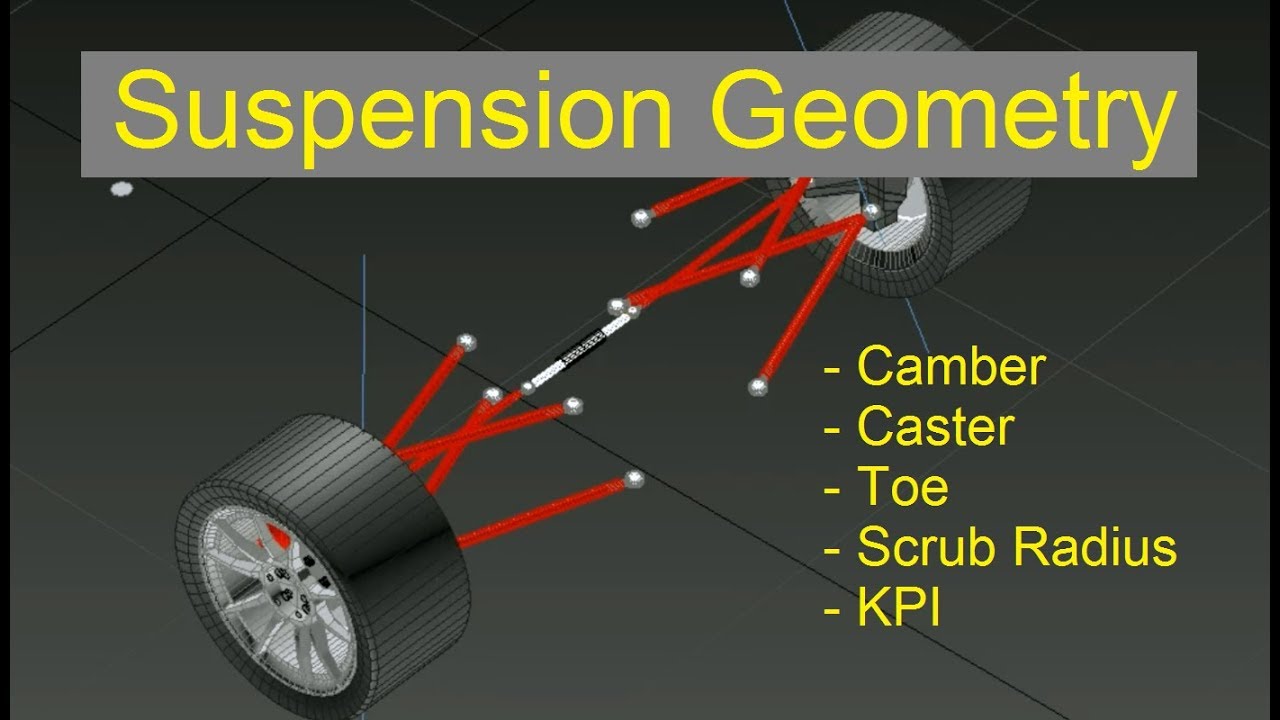
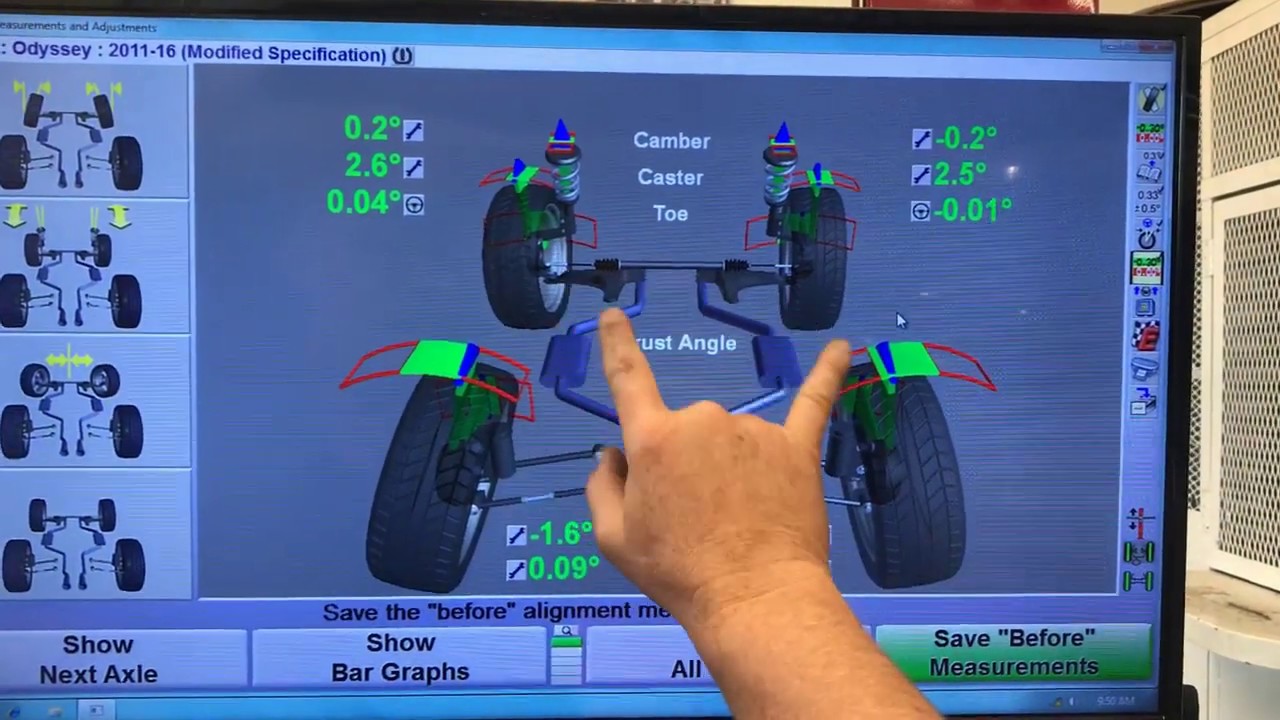
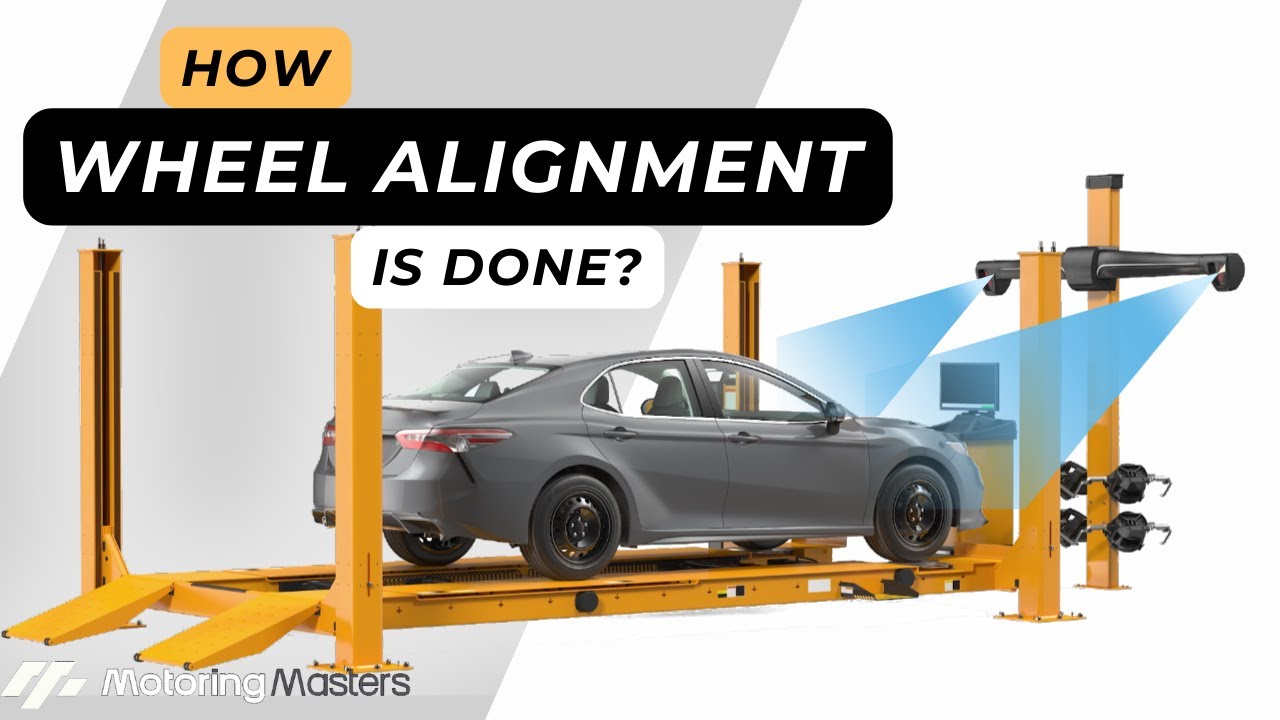
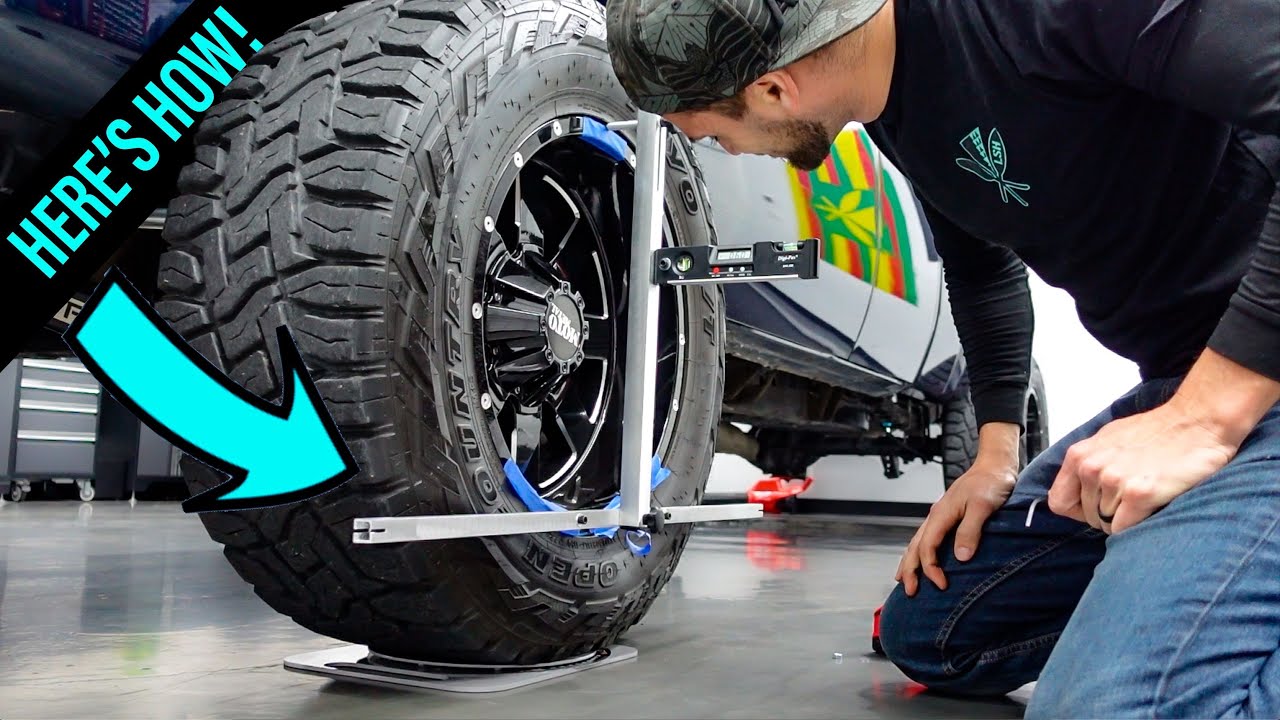
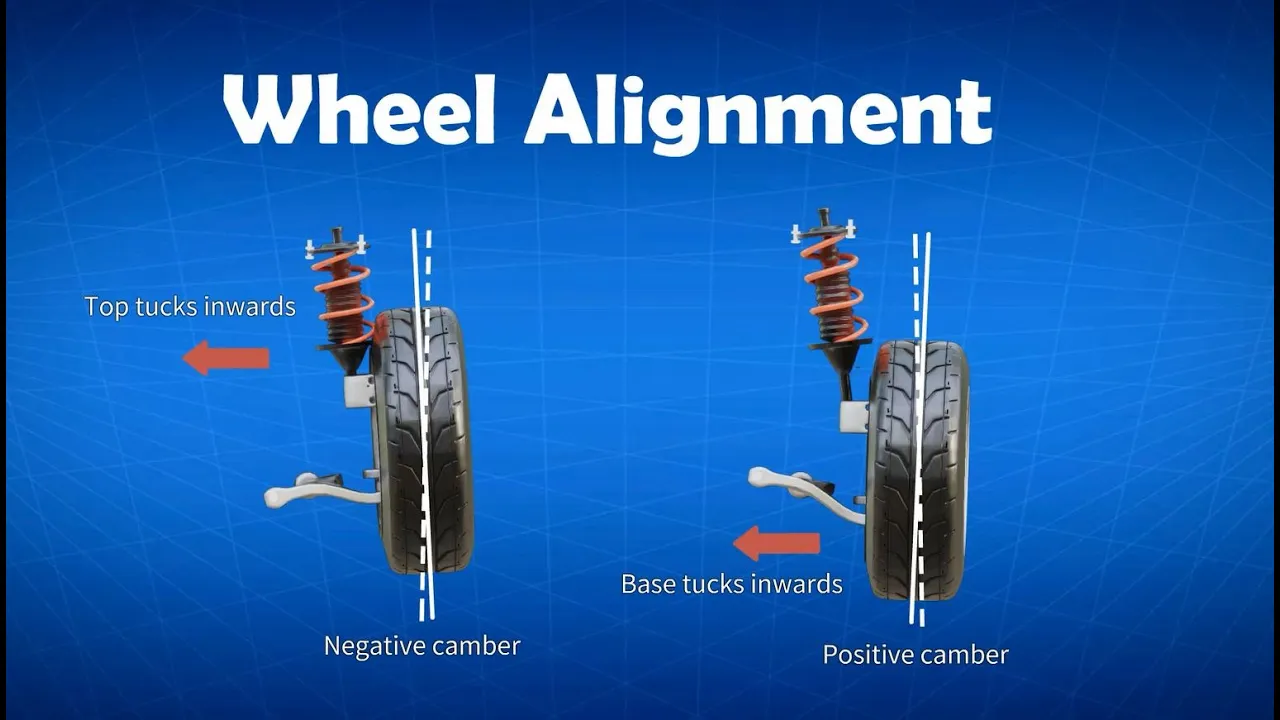
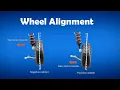
wheel alignment wheel alignment is basically to measure and adjust several complex suspension angles including camber caster and toe angle wheel a line that ensures that the wheels are pointing in the right direction what is camber camber is a measure of the tire's centerline relative to the road surface it is measured in degrees and has a great influence on the driving dynamics of the car negative camber the top of the tire tucks inwards positive camber the base of the tire tucks inwards positive camber combined with steering axis inclination could be adopted to reduce steering effort and
minimize tire wear what is steering axis inclination the steering axis inclination is the angle between the centerline of the steering axis and the vertical line from the tire contact surface in a front view the distance between the steering axis and the center of the contact batch is the scrub radius by combining the steering axis inclination and positive camber the tire has a smaller scrub radius thus has less steering effort and tire wear for street driven vehicles it is typical to maintain a small negative camber for racing cars an increase in negative camber is adopted to
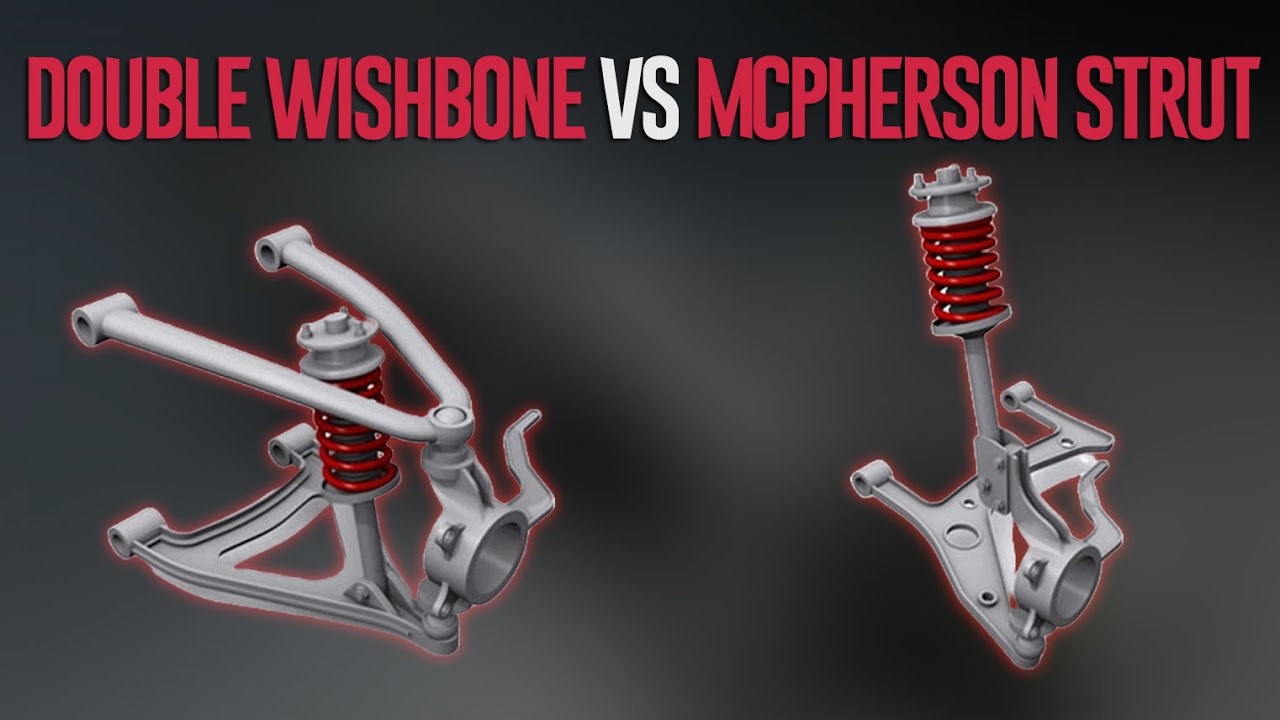
improve cornering negative camber improves handling by keeping better contact of the tire with road while the car rolls as the car rolls it puts most of the weight on the outer tire therefore it's better to have negative camber on the outer tire to ensure the tire's contact patch is evenly loaded the downside of negative camber is it will reduce the peak tire grip during straight-line driving different suspension designs will have different camber gain curves for example a mcpherson strut suspension has small camber changes with body roll because the strut is moving linearly the wheel gains
camber to a certain extent and after that will start to lose camber this could hamper a car's handling and experience a lot of body roll and cornering a double wishbone setup can generate significantly more camber gain by shortening the upper control arm this is beneficial when the car goes around the corner due to the shorter upper control arms the car will have slight negative camber on the outside so the outer tire goes flat with the road surface this is where the car wants to maintain the maximum amount of contact the inner tire will have a
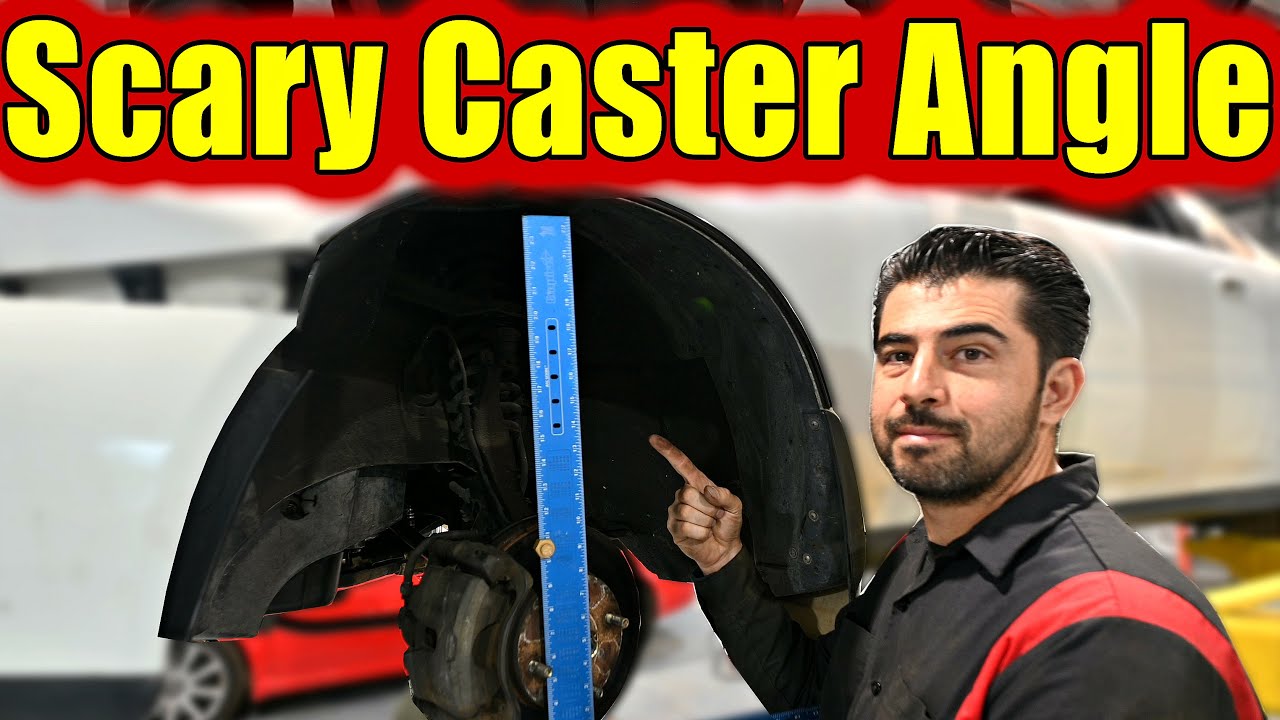
slight positive camber it is pressing flat against the road what is caster caster is the angular displacement of the steering axis from the vertical axis of the wheel viewed from the side positive caster is when the wheel is in front of the upper pivot point negative caster does the opposite modern vehicles use positive caster which generates an aligned torque to help straighten the steering wheel when the car goes forward an example of positive caster is the front wheels of a shopping cart the tire patches behind the steering axis as you push the cart in any
direction the wheel always follows the direction you are going what is doe toe is the direction the tires are pointed relative to the vehicle center line viewed from above go in tires point inward the angle is positive go out tires point outward the angle is negative toe angle helps the tires run parallel to each other towing is typically applied in a rear-wheel drive car a rear-wheel drive car pushes the front tires this causes the tires to push back with respect to the suspension therefore rear-wheel drive vehicles use towing adjustments to compensate for this movement a
front-wheel drive car does the opposite the front tire pulls the car the weight of the car body resists forward movement this pulls the front wheels forward with respect to the suspension therefore front-wheel drive vehicles use toe-out adjustments to compensate for movement the toe angle improves steering response towing reduces oversteer and toe out reduces understeer however excessive toe settings can cause steering to be unstable it also leads to excessive tire wear you