Abortion is prohibited in Brazil. Except for three cases. When there is risk of death for the woman.
When the pregnancy occurred because of rape. When the fetus is anencephalic. In these three cases, abortion is a right of women and adolescents.
Information about legal abortion must be provided by hospitals and by any other services part of the Women’s Assistance Network like police stations and Women’s Reference Centers. In case of sexual violence, it is important to know: no hospital is allowed to refuse assistance to you, especially in urgent cases. You don’t need to show an accident report to be assisted and neither is obligated to denounce the aggressor.
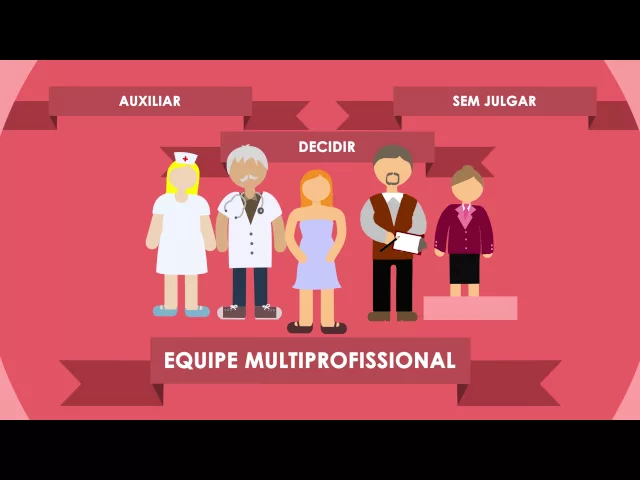
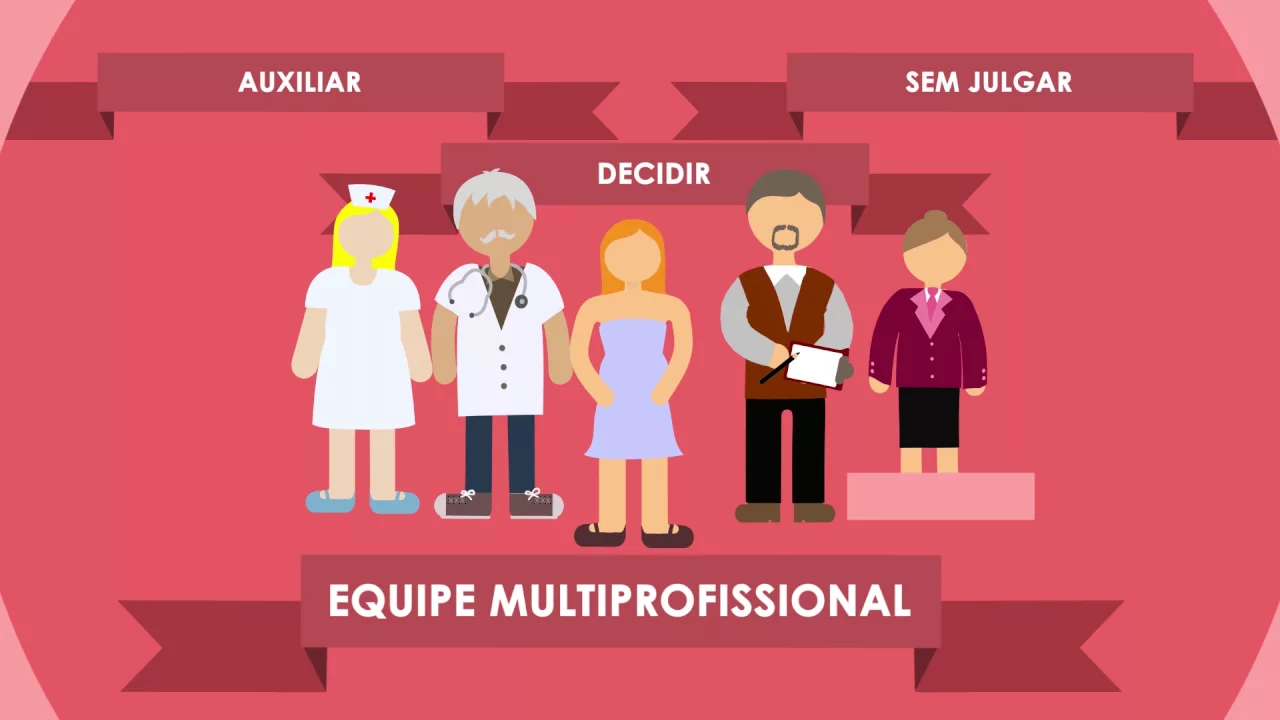
The services of interruption of pregnancy and of sexual violence assistance offered by hospitals must follow the technical norms provided by the Health Ministry. They determine that the woman must be assisted by a multi-professional team who must help the woman decide, without judgments and without influences on her choice of interrupting or not the pregnancy. Or, also, help to forward the baby to adoption after labor.
What if she is underage? The adolescent has to be assisted and her choices must be respected if she is capable of deciding and expressing her will. The accompaniment of someone responsible for the adolescent is important, but not mandatory.
So, the assistance can’t be denied if the adolescent is capable of deciding, even if someone responsible for her does not accompany her. The sexual and reproductive health assistance, especially in cases of abortion, is priority. Abortion can only be done until the 22nd gestational week, according to techincal norms provided by the Health Ministry of Brazil.
Doctors also have the right to not execute abortion procedures due to personal convictions, provided that they refer the patient to another professional and that this doesn't cause any risks to the patient However, the doctor’s right can’t be above the woman’s right, which means that if there isn’t another doctor, he must do the procedure himself. The unjustified refusal of assistance may be considered, ethical and legally, as an omission. It's a fact that women who choose to have an abortion are frequently disrespected and discriminated because of their choice.
That’s why it is important to guarantee the efficient access to legal abortion, without moral judgments and without demands that aren’t predicted by law. If everyone is aware of their rights, we will be able to demand the effective execution of public policies. But how can we manage to do it?
By discussing more and more about legal abortion and by looking forward to examples of good practices. It is the only way we can guarantee this right to every woman and adolescent.