art history often confines itself to layers as do most areas of knowledge Cinema for example could segment its greatness into several tear the surface layer being those films that have the grand Mass Appeal everyone knows within the collective Consciousness that they are in fact great films they've been vicariously experienced by the culture then as you move down you begin to get into the less appreciated lesser known works of art perhaps films that do not possess the widespread appeal or are too opaque to be able to comprehend in a fulfilling manner compared to those great pieces
that also carry more of the entertainment Factor these are films that are denoted to those that would perhaps consider themselves the true fans of Cinema those with the knowledge that goes beyond what the Z guys served them and belong to a more curated more sophisticated click however if we go further we can discover a layer of films that for one reason or another have been completely forgotten by both groups failures in distribution or just being at the wrong place at the wrong time there are a variety of truly great films that are barely even mentioned
within cinematic discourse and yet the only thing that distinguishes them from the other categories is popularity these are just such films those that perhaps lost the look of the draw and have simply been excluded from Cinema's Grand conversation I didn't want to select films that are obscure for the sake of obscurity these are films that would have at one time belonged to some manner of cinematic Cannon and the Deluge of modern information has simply wiped them away these are just a few of the countless gems that are being lost to time and I hope that
this video not only raises awareness for these films but the fact that true celebration of Cinema and all art requires study and interest beyond the established circles such as the nature of these films that they are very difficult to find and as such the quality of some of their presentations are unalterable but the important thing for now is that these films are seen We Begin our journey through one of the many neglected branches of Cinema in the Czech New Wave with yorai yakobis birds orphans and [Music] Fs Lazar a transgressive Odyssey through the world of
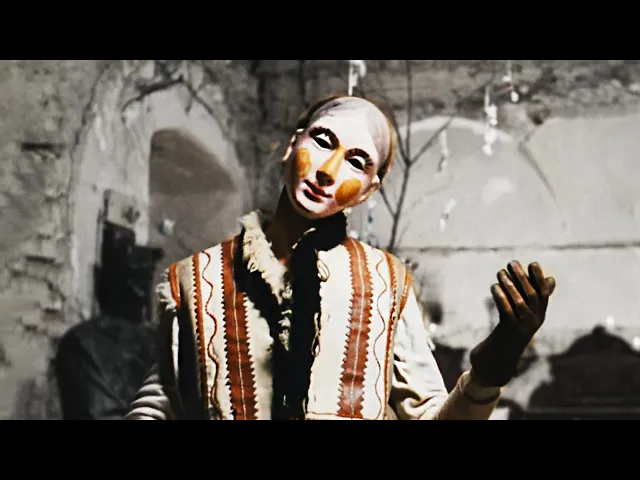
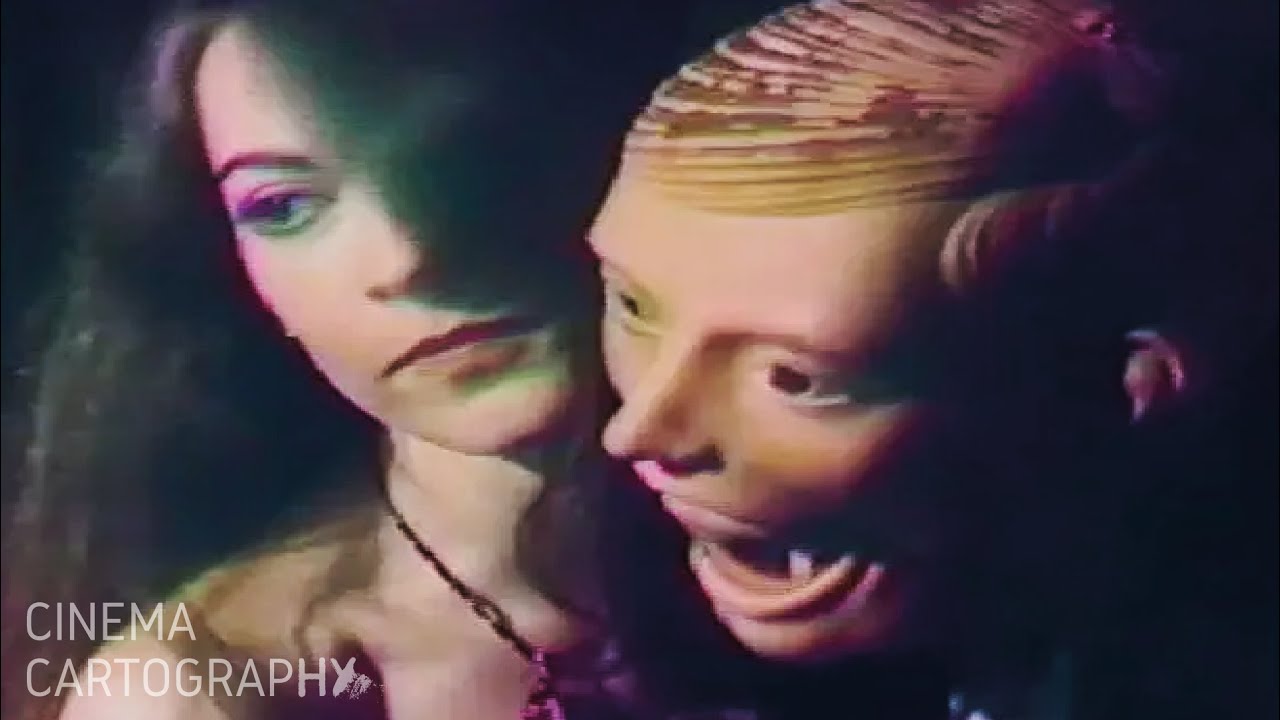
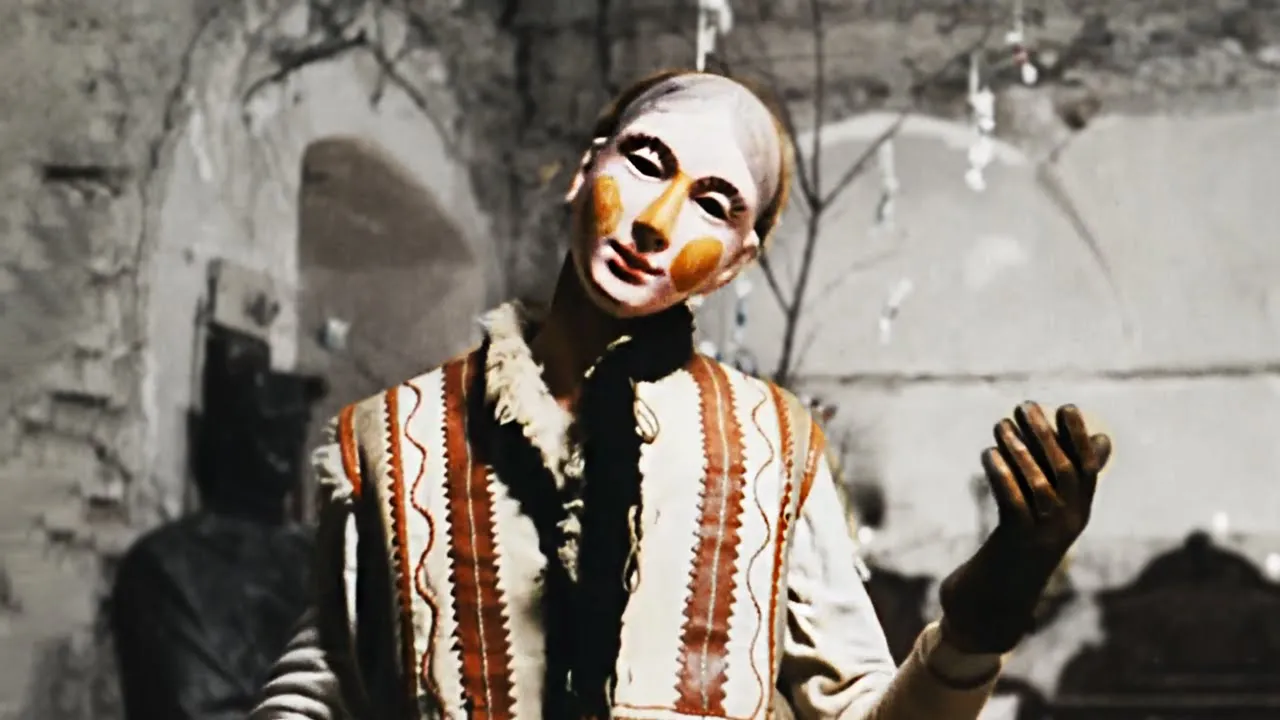
those who seek to break beyond the boundaries set by an invisible Elite through a visually arresting Glimpse in the tumultuous reality of subserviant birds orphans and fools is a film that owes its allegiance to many influences in one part it's a felines circus of characters straddling the line between tender realism and carnivalesque Chaos characters are draped in a plethora of colors and fabrics as they Embark in decadent Behavior amidst the backdrop of a collapsing World in another breath it can be categorized as a pasolini style allegory for characters that live lives impacted by an invisible
oppressor leading to a degeneracy of all manners of The Human Condition and simultaneously it slots perfectly as a staple of the Czech New Wave employing a signature dark and twisted take opposing the more realist films of the time it's at home right alongside films such as black Peter daisies and the crator and though it owes much to the films that came before it it remains a remarkably original [Music] piece the film opens with a statement from director yakobis in the voice of a child for the film follows three main characters all of whom have been
orphaned during a war they take refuge in a surrealist bombed out church and employ a life philosophy that in opposition to the hellscape that surrounds them the characters choose to recapture their freedom via regressing to their base instincts and adopting The Reckless abandon of children the characters Revel in their Primal nature and what this results in is a surrealist landscape in which all manner of symbols are seamlessly woven between one another in opposition to the world around them our protagonist's modus operandi is spiritual anarchism the film is about a search for meaning and the absurdity
that emerges within societies where all hope is left the characters lead a life of Limitless heathenism anything that can be will be camera equipment is regularly visible and the filmmaker already making himself a presence from the opening words assures that the viewer is constantly aware of his presence through the constant techniques that isue continuity the film is evocative of a similar kind of 1960s idealism in which to turn away from the cruel systems of the modern world our characters find a deep love within everything rather than a violence and its nonsensical nature is so obvious
that it essentially carries the seriousness of a cartoon but beneath the humor and frivolity there's a much deeper story of those at the mercy of their [Music] circumstance a very similar approach can be seen in lantry as the idiots wherein characters Rebel as an attempt to remove oneself from society and yet they have the freedom of doing so whereas here the characters feain their acts of freedom for they lack any freedom whatsoever though their world pretends to be one of color and Splendor the world around them is evil cruel and empty the three main characters
are victims of this world lost in a caleidoscope without ever questioning the foundation that their lives are built upon they are as utterly lost as the children that litter their Refuge no one seeks to question the welfare of the children just as no one questions their own the characters Revel in anything around them including their own downfalls it's not that they've regained any sense of Freedom they're simply rejecting anything that the world throws at them resulting in moments of Comedy that are in reality deeply tragic the characters simply wear masks to Shield themselves from life's
harsh realities once they become so obsessed with their own debasement they're no longer a concern to the real world remaining trapped in a world of fantasy succumbing to the Allure of immediate pleasure in a world that has been deprived of it completely this is the world of the powerless believing that in the harboring of their own chaos they can regain some Humanity yakobis reaffirms this through his directing and editing style the endless povs shattering the objective lens of the camera all the while the intrusive insertions of images and harsh cuts of the Montage the characters
are swallowed by the camera lens unable to escape it paradoxically having it break any kind of established cinematic rules there are the characters are perpetually in a world without rules because what's the point of rules if you have no agency to enact them yakobis employs a constantly moving handheld camera often shooting with an incredibly wide lens all movement is exacerbated and warps the image Beyond on the frame to display the sheer scope of the chaos on show it reaches far into the Horizon of this decrep world J's depose with the fanciful rry of a circus
and this energy never stops yakobis forms a story here where in people must obtain the status of a fool in order to survive to laugh at the hellishness around you to see the world's folies as a comedy there is a power in maintaining the spirit amidst no hope but we can never forget get that this life of chaos may be the exact plan of the oppressor it's just just just in many ways the antithesis to birds orphans and fools is Cynthia Scott's sentimental meditation on the later years of one's life in the company of strangers
seven elderly women in tour guide find themselves momentarily trapped in the Canadian Countryside and await their rescue aside from that there is no great drama of the film as instead we simply Meander to and fro between the characters in a part fiction part non-fiction mood piece on the perspectives of morality amidst the sanctity of The Great Outdoors there it is I can't hear I can't hear it is it still singing did it sing again once it doesn't sing very much you know it sings its song and it's not like singing it is singing yes the
method of Storytelling here is something that we would lat to see in Khloe jia's nomadland characters retain their real names the script has an outline but is primarily improvised and the backdrop of Nature's tranquility allows space for our characters to explore their deepest vulnerabilities in this quiet Serenity the company of strangers is a humanist tale it cares for its characters giving each of the women time to expound on an aspect of life that's deep and meaningful to them about relationships about the lives they've had the grand questions yet explored with a tenderness the things that
resonate are the details and the love is expounded for these people as the rest of the characters ask more of them what they have to say is important do you hear the frogs they seeing they sound nice are you afraid of rocks no I like them oh yeah I guess because when I was young when when I was little girl mhm we used to go for up hunting we learn about every every one of these characters and a given a sense of just how much life brims within them even though the rest of the world
is beginning to see them as dead much like an U film we're constantly reminded that life is fleeting in the grandiosity of these Canadian forests we focus on the vast Simplicity of it all we gaze at the Majestic external world so that we can quietly reflect on the bubbling internal there's a great and unknown space surrounding us in one part an unanswerable entity that we will never fully comprehend in others a simple answer that we've always known just like the lives of these women I feel very happy here don't you in a way if our
problems are solved we still have problems true mhm well it makes me feel happy even if it's only for a very short while there's connectivity between them all and at the same time they're just like every other human being content in their Simplicity the film ultimately is a collection of moments though the moments are incredibly joyous the women stumble upon a small artifact and try to figure out what it is the sincerity of the women opening up to one another and how they're received with such Keen interest it's a story of finding great camaraderie even
when overwhelmed with the almost unbearable weight of of One's Own impermanence never a man never a man oh why not oh you know [ __ ] I'm a lesbian I don't really like to oh you men don't interest me all that much I've had my little experiments but it didn't work didn't work no oh no I get along better with women women oh that's good there is a great Bittersweet nature of life we feel pure joy all of these women embarking on what appears to be new adventures and yet with them comes all the baggage
and Intrigue that every human being carries on their Journeys it's a film about the love of Life about acceptance about finding joy in the small things because that is all we have the Small Things Cynthia Scott reminds us with films such as this that the fact that we can even make films about old women when nothing really happens and just spend time with them is a testament to the humanism That Remains the definitive Factor within all great art this story of elderly women simply being remains a deeply human and beautiful story about the importance of
any life to be something worth living it's true when you say when you say I love you that's it's a to oh had 31 and then as we move to South American filmmaker rul Ruiz and his intentionally opaque adoption of the common film making genre in the hypothesis of the stolen painting starting its life as an art documentary for French television hypothesis was to explore the writings of artist Pierre Kowski in the end the work definitely was about kazi's work but presented in a meta narrative where his writings were exploring the very images and ideas
that were being presented on screen [Music] this is what they received instead of that documentary a self-aware contemplation on the idea of the art documentary attempting to deconstruct the very Act of discovering meaning within art the film follows an art collector guiding us through a large Manor and a series of seven paintings by fictional artist however the fourth painting is missing and assumed stolen in order to find find out what this painting was the art collector reenacted the remaining six paintings in the physical space finding the connections between all of them through the use of
Tableau vivance the film attempts to decode the hidden meaning located through the art pieces in the Physical Realm hypothesis shows that within ancient works of art that which was once common knowledge has become esoteric or even lost to us as much of what connects these pieces are symbols that are hidden from naked eye symbols that were in the space of the frame yet we literally cannot see [Music] [Applause] them the [Music] mask the film becomes a labyrinth as more information is discovered rather than giving coherence to the greater whole we're left with even more questions
and even more Avenues of possibility the film is shot by cinematographer Sasha viani whose similarities in last year at Maran bad as well as the work of Peter Greenway are immediate the Ethereal motion through ostentatious spaces all the while emphasizing the artifice of everything evoke a sense that we are beyond the constraints of both time and space and thematically we can see parallels with something like Russian Arc it's about art philosophy lost history only this time we have the added mystery of a stolen painting or do we throughout hypothesis a disembodied narrator also speaks to
us yet he contradicts what the art collector says He suggests that the painting was not stolen in fact it may have never existed at all someone's perception here is objectively incorrect and as such the film proposes a mystery that we know we will never solve we contemplate the Quest for meaning in this opaque world too fluid for reason to be found a world a wash with ambiguity as ancient myth and the postmodern perspective collide I think and such is the uncertain ground that all art now appears to be built on more knowledge with fewer answers
hypothesis takes the form of a mockumentary about the very nature of art criticism the idea that an analysis of an ancient painting So alien to our modern sensibilities that we have to completely redshift our perceptions to even begin understanding its perspective that our logic almost breaks down alt together then we expound on that further on the idea of An Unfinished art piece the endless possibilities that can emerge within this and how futile it can seem to something that we have no idea how much we do not know and then reminding us that even with all
our information ultimately everything is already pure speculation and then there is the idea of the stolen painting what would that mean for that piece of art we would inevitably analyze the act of stealing in itself and begin to interpret meaning onto said act and how it relates to that specific art hypothesis is an exploration on the subjectivity of perception and the endless Rabbit Hole of meanings and symbols we find ourselves in looking for a definitive answer even when when we can't see the whole truth no matter how we look at Art we find ourselves in
deeper and deeper abstractions and in the end it's all just a hypothesis [Music] in our second film regarding a stolen item kasiko hasagawa's paranoid social commentary the man who stole the son deals with the ramifications of power and responsibility within an alienated Society [Music] for the film follows Makoto Kido an eccentric high school chemistry teacher who finds himself a legitimate Outcast within his own area of expertise he's vastly misunderstood and within the Realms of societal Norms too unconventional to be accepted life here appears fleeting because a void has emerged in our post-war societ iety where
in basic human interaction has had to be completely reconstructed in turn Makoto does the only thing he knows he's able to do and decides to build two atomic bombs single-handedly Shifting the nation's equilibrium he holds the country at Ransom and yet with this new found power doesn't know what to do with it [Music] the film is one of both intense seriousness and utter absurdity Makoto is a character almost unaware of the depth of his situation constantly detached from reality every action he takes and every circumstance he finds himself a part of has immense consequences all
of which Makoto never fully comprehends the severity of in one of the film's opening sequences Makoto finds himself at the center of a hostage situation and by the end is celebrated as a common hero although he didn't actually do anything the film establishes The ludicrous standard that people are not in control of any situation that they find themselves in Makoto does nothing to shift his perception within Society from an outcast to a paragon [Music] [Music] the making of the bomb and its resulting in action is a byproduct of urban stagnation Rebellion may be a part
of it but it's primarily because there's nothing else Makoto can do with his life he in every one else are a victim of circumstance only impacted upon by others who either attempt to break the Paradigm or are bent on conserving society as it is because people like Makoto are unknowingly those with the capacity to break all social structures Makoto navigating a meaningless Society is most evident in the crafting of the bomb it's never thought of what will occur after even though Makoto does at some degree recognize the risk of the situation this sequence takes an
agonizingly long time and is filmed with Incredible accuracy the depiction was so accurate in fact that the process of building the bomb caused legitimate concerns with the Japanese government ultimately Makoto ends up using this power to prolong baseball games without any commercials he later aims to get the Rolling Stones to play in Japan even with all of the Power at his disposal his idea of change is still tied to the very system that continues to isolate people even with such drastic consequences the system [Applause] persists what Makoto represents is a microcosm of one segment of
society at large one that has become stagnant with only two Extreme binaries as any kind of option left the public is brought to a further and the cat Mouse games occur between Makoto and the police and the whims of the Japanese people are essentially being Guided by a man with no plan meanwhile inspector Yamashita is the one man responsible for being able to stop him although perhaps Society doesn't want him to be stopped a metaphor between the restrictive traditionalism of Japanese society and the uncertain freedoms of its capitalistic future the people want something different and
are willing to accept the leadership of a Madman the film employs much of the chaotic surrealism that was indicative of Japanese Cinema of the 1970s unafraid to blur absurd topics with legitimate social unease the result is a film that is in equal parts a deep social satire as well as a slapstick comedy we can see many films emerging from Japan that continue a similar approach such as the work of cion Sono often absurdity is the best way to to capture the contradicting layers that exist within our modern society and even with its entertainment Factor blending
comedy and Thriller the man who stole the Sun goes beyond an enjoyable film and asks the questions about how an individual reflects society's metaphoric quest for both power and purpose so often The Human Experience finds itself to be completely extinguished and yet in some strange ways there will always be those that reach for the Sun [Music] kiss up Ma by mik Deon follows the kendang family and the unraveling of their lives under the Monstrous Tyran of their father set in the Philippines in the 1980s kissat Mata is a film without any sensationalism its primary goal
is to tell the story of a real life [Laughter] monster a father that devours his family who warped conern conservative idealism reflects the harsh realities of the Philippine people who up to the release of this film had lived under martial law for many years director Mike Delon cites Hitchcock as the greatest influence on this film and it is that undercurrent of suspense that never leaves us at any moment we know that there must be a great release of all this tension however the difference here is that the horror of kissat mat does not carry the
Cinematic Splendor of Hitchcock's horror here the horror is all too real the story follows the gradually tightening grip that father tatang holds over his family his daughter announces that she's to be married and is expecting a child to which the father ingratiates her husband to be into the family with ulterior motives refusing to let go of his daughter and building a structure around his life where he is the patriarch and control upon release the film was deeply controversial for its subject matter and all of this comes from the performance of vixion is tatang a deranged
abusive man whose manipulation and rage permeate every moment he's on screen kissat mat became a staple of Philippine Cinema not simply for its Rich portrayal of evil but the depth at which a human being can inflict pain on their loved ones tatang as a character shifts between equal parts Clarity and arrangement in one moment possessing utter disregard for his family to then justifying his actions through the guise of a caring father there's no certainty as to what is his truth other than what grants him in the present moment the most control over any situation he
goes beyond the threshold of violent Behavior as we see what it's like to live under the tutelage of a psychopath the character of tatang is built on the violent possession he claims over his family and the most horrifying element of the film is that it's a true story the film was based on a famous report in the Philippines of which Mike the Leon referenced greatly during filming only having to censor the work due to how close to reality it was tatang is unable to quell this rage that dwells within him sucking all the space out
of the film each scene becomes so suffocating as we're trapped in these closed spaces around him the camera framing such scenes so that our points of convergence are often cornered we've seen films such as nail by mouth that show a patriarchal biggest dominance over his family and how that dominance is fueled by his manipulation and paranoia and in kissat Mata this reaches the most catastrophic of levels there's no explanation as to why things are the way they are in this household if it's even worth finding a reason kissat Mata translates to in the blink of
an eye and every instance of Cruelty and violence we watch them and learn about the most devastating effects of tyranny and how the human Spirit can be extinguished in the blink of an eye a landmark in the often ignored well of masterpieces that is Hungarian Cinema Twilight by googi Contin used the nation's signature style of Bleak and terrifying Landscapes populated by figures of an almost profane quality [Music] the story is what you expect from a people with such a profound understanding of the human Shadow we begin with the rape and murder of a young girl
the perpetrator remains unknown and is still on the loose in the hump for the serial killer we're introduced to an ex detective who becomes dragged into a bottomless pit of obsession as he spirals further down into a world of Despair and upon realizing the depth of the world's darkness and his insatiable need to quench the world of such he uses a young girl as bait in an attempt to catch the criminal the world of Twilight is a nightmare filmed in monochrome it burns slowly its atmosphere is all consuming and its evil is ceaseless sh fog
lingers in the air we move glacially through Landscapes that appear to be forever locked in the Dark Ages and the stench of death lingers in the dying walls of the Dead Villages this is the world that we must Traverse in order to extinguish its evil and yet the further we move through through it we realize that we're no closer to destroying evil rather we've discovered that evil is an ocean and we've only been floating along its surface we dive deeper and learn of an omniscient evil that taints everyone that comes into contact with it the
world is a black toxic swamp and all are swallowed by its malevolence how can something so unimaginably cruel as the murder of an innocent girl end up feeling so insignificant even if we eradicate that evil who can save this world after so much of it has been [Music] lost we're desperately trying in Twilight to reach for justice or to find a way to recapture the purity of the human soul but here the soul has been tainted the world has been Shattered by this Avenue of evil that has opened up to it and it can never
be undone the innocence of the world has merged with this alien Blackness and has been forever contaminated by it Thea rejects most traditional styles of film making for something which by many could be perceived as the basis of a rather traditional yet Sinister Thriller we see many parallels with something like bong junho's memories of murder wherein the detective encounters many suspects that may as well be the person that committed the acts here we have the same we discover many suspects that dwell in the pit of Humanity's stomach it's at the same time we know it's
not them and these people get to roome free around the world contaminating it even further the mystery in Twilight is something farer asks a lot of the viewer we're desperate for questions to be answered yet every time we inch closer farer drags us away instead of progressing the plot giving us an empty landscape which stretches Beyond the Horizon an empty Vista wherein there is nothing to be found we're surrounded by such hopelessness in our search for vindication to this evil this is a story of The Human Condition when it's been poisoned as our main protagonist
is two dragged into some kind of malevolent fervor in the mere attempt to be able to Halt the darkness surrounding us the film is meticulously sharp it moves at its own pace and keeps us trapped in the dirt meanwhile children around us are being murdered and there's nothing we can do about it all we can do is listen to the music playing and watch the fog devour this land hole a land isolated from space and time [Music] beginning his career as a playright baham bazai concocted what many considered to be his Masterpiece it wasn't until
1982 that he turned this Vision into a cinematic piece with the anonomous title death of yaser the story is based around the real life assassination of Persian king yasar III who is assassinated under strange circumstances and this is where the film begins we open announcing the King's death at the hands of a humble Miller in the outskirts of a city we find the Miller and his family with a blooded corpse garbed in the king's Regal attire The Kingsmen have arrived and it's here inside the small Mill that we stay for the remainder of the film
as each person gives an account of what happened to the now deceased King if that is what he really is the most immediate and obvious comparison that death of yard has is with Kura Rashon a crime takes place to which there are several witnesses and we hear each of their changing perspectives although in yaser we do not move away from this location we do not cut away to see each witness's POV we're merely told it it's a very true adaptation of a play to the screen and the delivery of such one has to say is
theatrical from the melodrama in acting to the Vose manner in which the film is delivered this truly is a play in the mode of a film [Music] for for on discussing film making here is a toned down process far more simplified than many of the other films we've mentioned today lighting is simple and low to fuel its brooding mystery the camera is uncomplicated though highly calculated composing simple frames in their most theatrical manner this is to heighten the most important aspect of the film which is its unfolding screenplay whose purpose is to gradually lay questions
and ideas on top of one another slowly enriching this scenario Beyond a murder mystery but a rich tapestry of culture identity and the symbols we live our lives by as the witnesses each give their testimonies a ticking clock occurs within the film The Family each take turns to explain what really happened the night that the king showed up and they each play various roles to explain meanwhile outside of the mill Gallows are being constructed to hang the Miller and and though the verdict of guilty has already been cast we know that there remain more and
more questions unanswered and it's here that the metaphorical clock appears within the film's thematics while this makeshift Court plays itself out the troops that the king had been fleeing from and getting closer and closer leading the King's Men to the realization that they're reaching the final moments of the pre-islamic world he's um for when Bai created this work it was amidst the backdrop of the Iranian Revolution and this work of the past was an attempt to comment on the present and impending future as the transformation of a once Mighty Empire morphs into a new religious
order death of yaser becomes a mirror for the ideological shifts occurring in Iran at the time all of the characters grapple with the meaning of their culture and how it's been built upon symbols and perceptions Divine titles bestowed upon mortal beings yet without them we lose all sense of connection with our very identity and the twists within the narrative not only make for a captivating screenplay it's within these points that death of yasur shows the struggle of navigating the shifting Sands of history and how those waves of time are still impacting us to this day
[Music] thank you for listening I hope that you seek out these films but I hope even more that the great works of art of all our cultures are not forgotten for