[Professor Robert Prentice] Even if you are aware of an ethical issue, correctly select a defensible ethical choice, and have the desire to do the right thing, you may still be unable to translate all that into moral action. Professor Hannah and his colleagues argue that it takes three things to turn moral intent into moral action, and those are: moral ownership, moral efficacy, and moral courage. Fortunately, the teachings of behavioral ethics can bolster all three.
We take moral ownership when we feel a sense of psychological responsibility over the ethical nature of our own actions and of those around us. To create moral ownership, we must battle the forces that cause ethical blindness and moral myopia. All the behavioral-based advice given in other videos as to how we can avoid ethical fading, make ethical choices, and ratchet up our moral intent should assist us in increasing our moral ownership.
[Dillon] The way it was explained to me was, "OK, you run a red light. If everybody decided to run red lights and disregard the stoplights, ultimately somebody's going to get in a car accident and ultimately somebody's going to die. " Your actions have outcomes.
You need to make sure that those outcomes are as positive as possible. Moral efficacy is a belief in our ability to act ethically and to induce others to do so in the face of moral adversity. Often people have an abstract desire to do the right thing, but just don't feel empowered to resist all the forces of authority, conformity and the like that can make it difficult to do so.
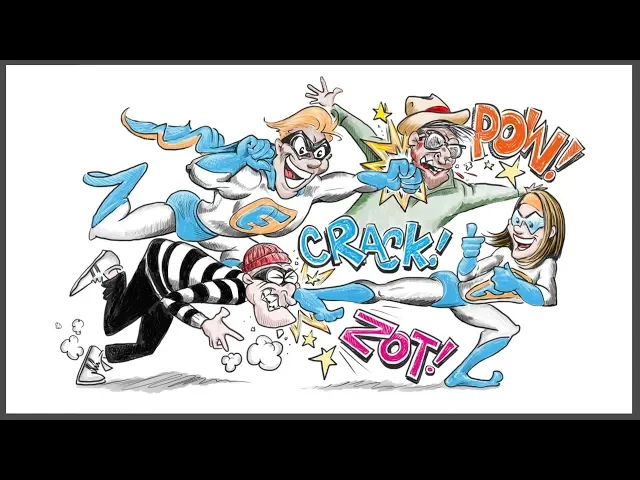
But we must remember what's been called the "power of one. " Although it is natural for us to feel isolated and lonely and therefore believe that we can't possibly have an impact, evidence shows that often a single, ordinary person CAN make a difference. Our bosses and coworkers may just be looking at things the wrong way and, if given a couple of good reasons to change their minds, would do so.
And that ability to persuade can create a feeling of moral efficacy. Sometimes others may not have the courage to lead, but would have the courage to follow. Mary Gentile read more than a thousand essays by Columbia University MBA applicants who had been asked to write about whether they had in their professional lives been asked to do something that made them ethically uncomfortable and how they had dealt with the situation.
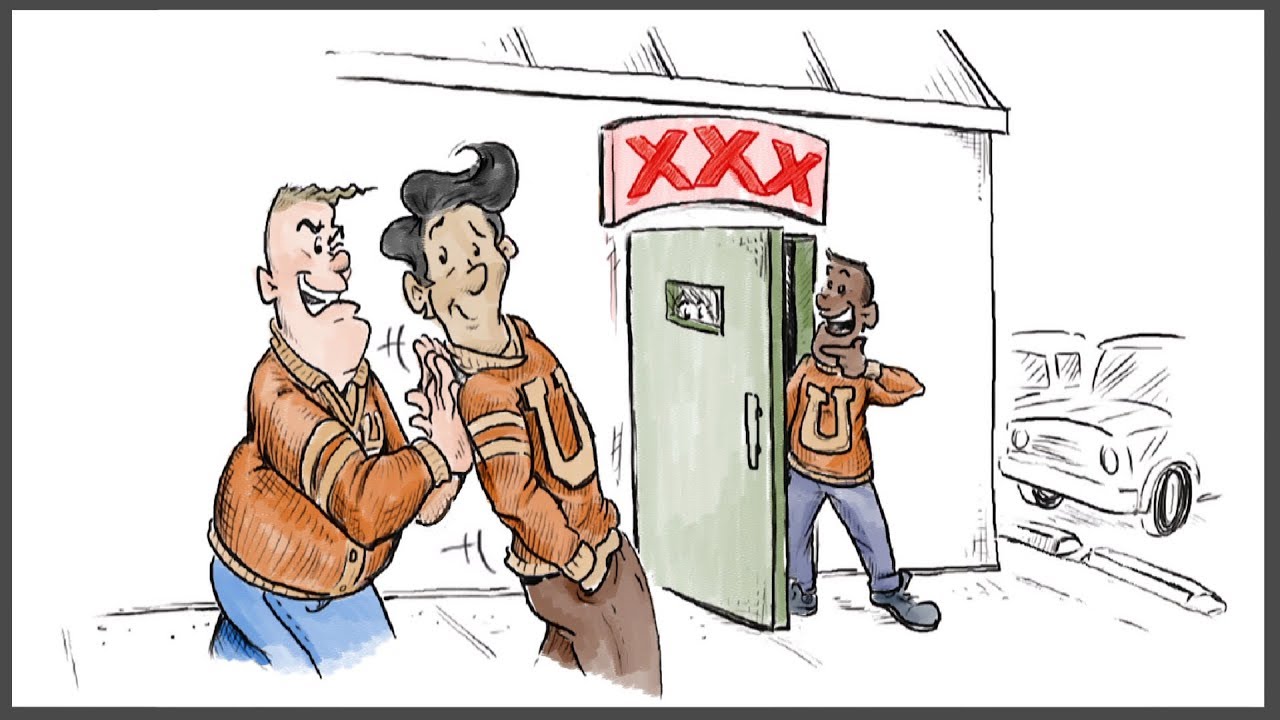
Almost all of the applicants had faced a difficult ethical situation. A little more than half just did what they had been asked to do, even though it seemed wrong to them. They didn't feel they had a choice.
About 10% had the courage to just walk out the door rather than get stuck in an unethical culture. Of the rest, a small group tried to do the right thing and failed, but most tried to do the right thing and succeeded! They found that if they just made a forceful case for their ethical position, they often won over their bosses and co-workers.
[Claire] I think what's really helped me, you know, develop ethically and morally is. . .
. this might sound callous, but I think I just stopped caring so much about being liked. I realized what I really wanted was to be respected.
It's easy to make people like you but it's really hard to be respected, and so if you can orient your choices around being respected, not liked; liked is like "do they like me today, will they like me tomorrow? " Being respected is something I think you carry with you for a lifetime, so orienting myself around wanting to be respected was a really pivotal moment, I think, in my development as an ethical, moral person. Finally, moral courage is necessary to translate moral decisions into moral action.
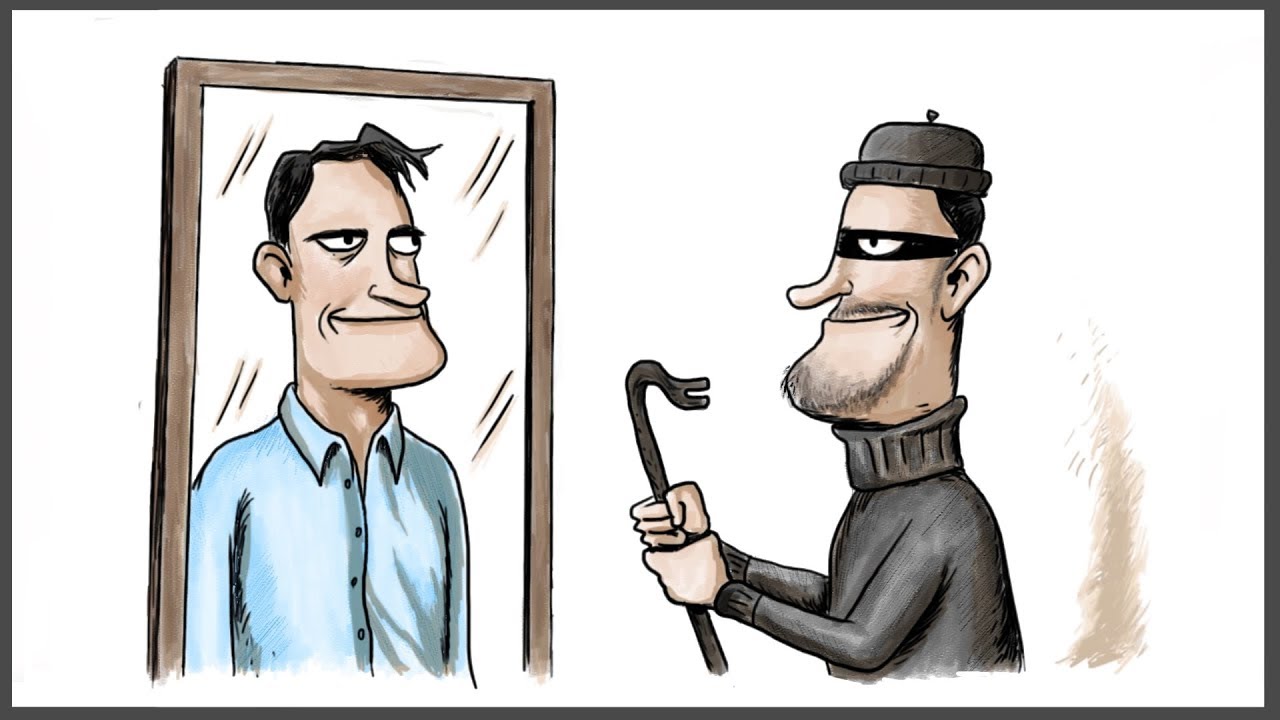
The late ethicist Rushworth Kidder defined moral courage as "a commitment to moral principles, an awareness of the danger involved in supporting those principles, and a willing endurance of that danger. " We may want to do the right thing, but be too timid to stand up to our superiors or peers. Or perhaps, we lack the courage to risk the loss of our job.
How can we muster moral courage? Professor Gentile recommends that, first, we should all be thrifty and set aside "go to hell" funds. It will obviously be easier for us to screw up the courage to do the right thing when we have set aside money to pay living expenses while we look for another job than if we owe money all over town.
[James] When I was in Chile and I was teaching, also in a university. And that university was a private university that had a really big focus on making money. My section of the course had issues.
. . and my students failed at the end.
The administration of the university contacted me, and told me that what they did with those cases, it was making a final exam to make the students pass because if they were not happy, they were not going to pay. And then the administration told me that if I didn't do it they were going to do it anyways, and I was going to lose my job. Gentile recommends that we should visualize and accept the fact that part of our professional journey will likely involve facing ethical dilemmas that will require us to make sacrifices in order to have the type of career, and consequently the type of life, of which we can be proud.
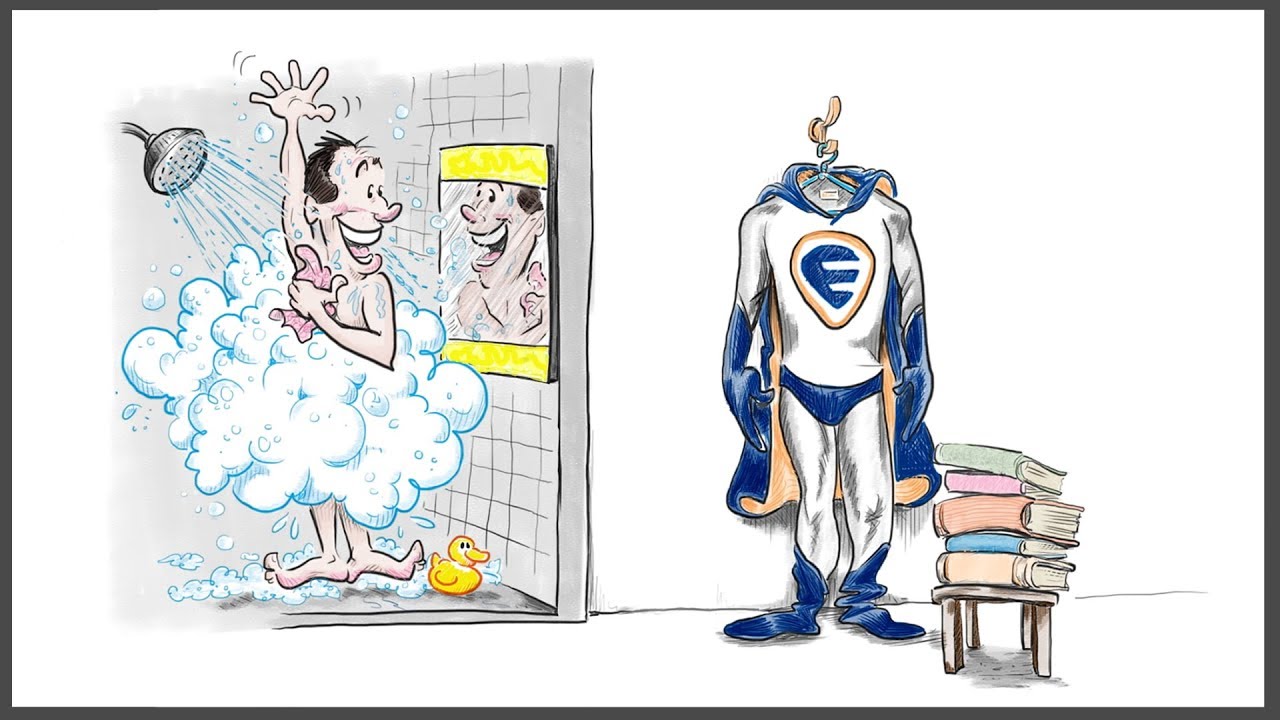
By anticipating or normalizing the idea that we may have to take career-threatening risks in order to preserve our integrity, we expand our vision of what we are capable of. We can, in fact, do what is necessary to be our best selves. [Melissa] Evaluating situations, and making decisions and making the habit of "If I make this decision, I'm going to see it through.
" Making sure that you’re keeping channels open for criticism and making sure that other people are holding you accountable. [Kelly] You have to have that strength of character, that internal courage, to know you're in the right and to stick up for what you believe in. [Carlos] It's something that's learned, it's something that's trained, it's something you always have to mindful of, and something that you always have to practice.