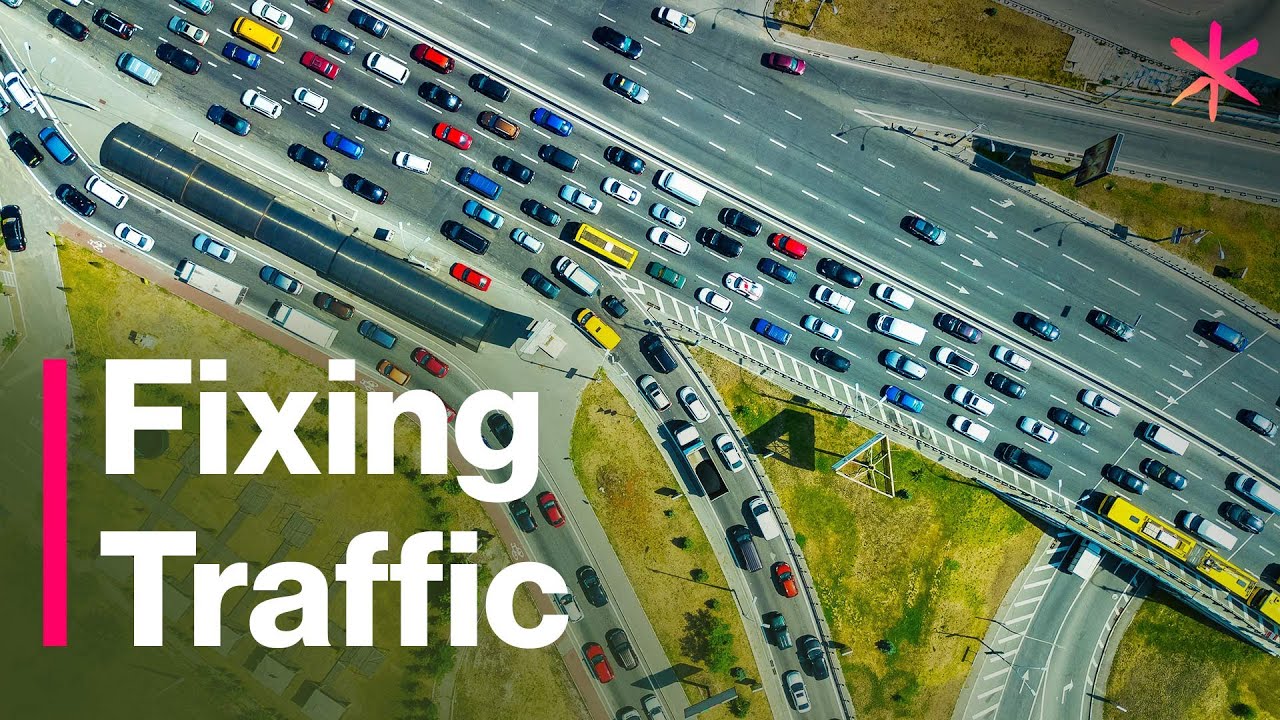
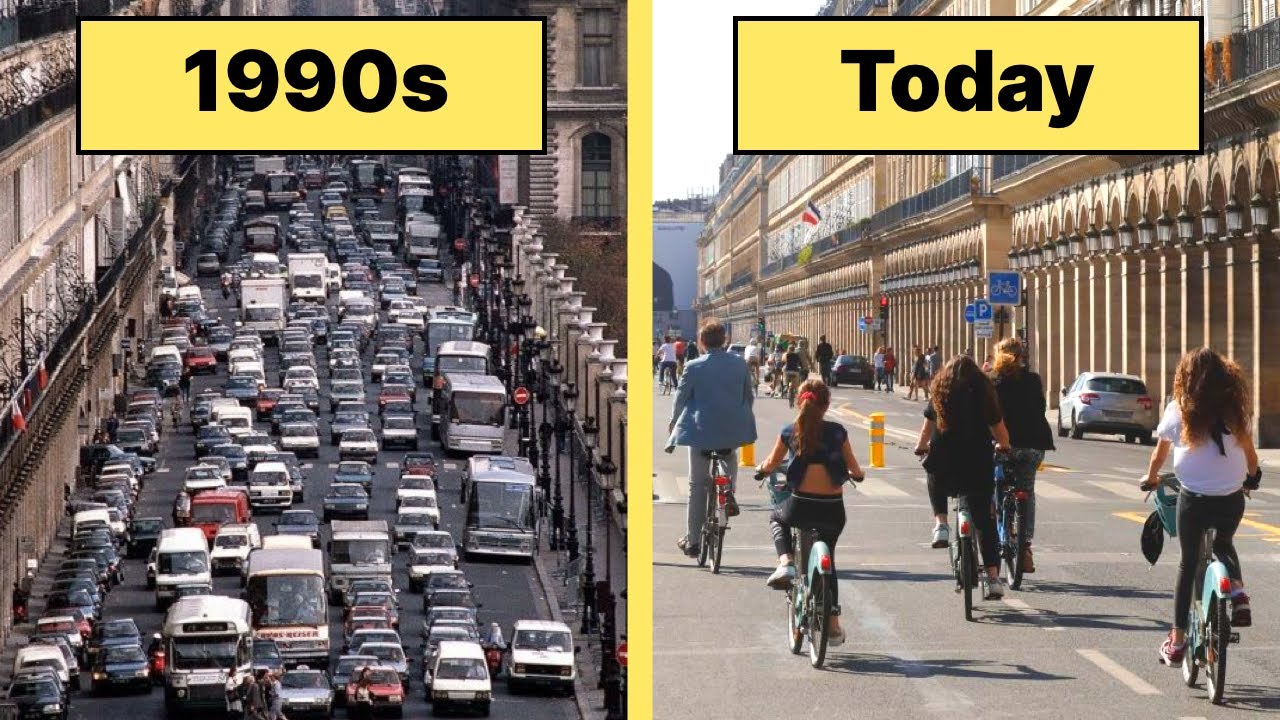
traffic congestion is a challenge for nearly every municipality and traditional traffic management strategies are no longer effective over 99 percent of traffic lights still use timing plans determined by counting the number of cars that pass through each intersection during a 12-hour period every three to five years these timings are manually created for different times of the day such as morning and evening rush hours but this approach isn't practical traffic is dynamic and accidents and road closures are hard to predict and with ongoing Urban Development seasonal fluctuations and today's hybrid work schedules it's becoming even more
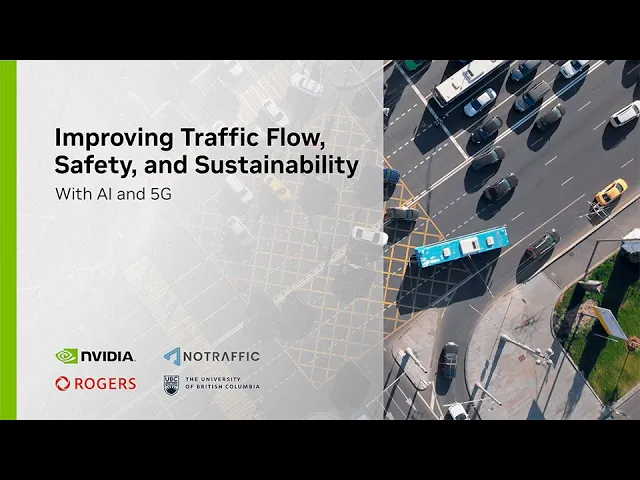
complex to address these challenges Rogers Communications deployed a 5G connected AI enabled smart traffic solution at the University of British Columbia they had three goals one balance traffic by reducing pedestrian and side street delay two maximized vehicle throughput by coordinating green lights and reducing travel time along the corridors and three experiment with cellular vehicle to anything and connected vehicle Technologies they started by installing the no traffic Mobility platform at five intersections along a pedestrian heavy route no traffic and Nvidia Metropolis partner quickly transforms any signalized intersection into a cloud-connected smart intersection their Solutions powered by
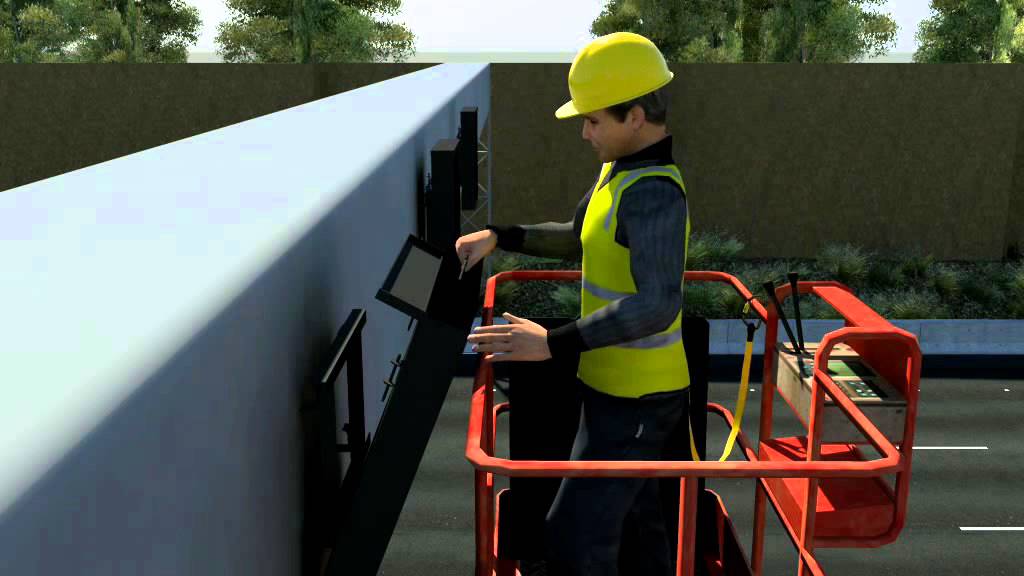
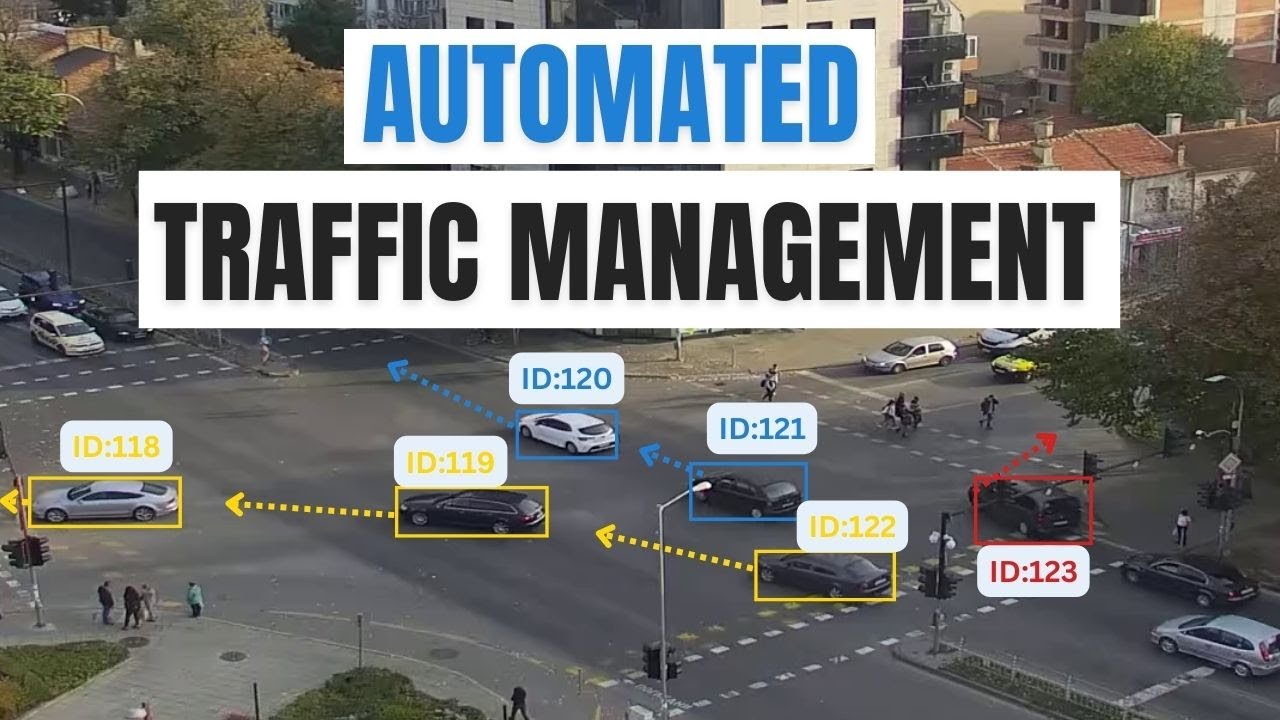
Nvidia technology classify a wide range of Road users from bikes pedestrians and motorcycles to passenger vehicles trucks and buses a no traffic AI Control unit connects to the existing traffic controller and wirelessly aggregate sensor data from each Direction it optimizes timings in real time monitor safety and serves as a gateway to cloud-based data analytics no traffic uses Nvidia Jets and Edge AI platform to power their AI enabled traffic sensors which combine radar and video and can detect all objects in the intersection including pedestrians and cyclists the data from these sensors is used to improve traffic
flow and safety based on the initial results the UBC deployment will yield significant annual benefits reducing pedestrian delay by 2500 days and vehicle delay by 4 700 days this will lead to 75 fewer tons of CO2 and an estimated economic benefit of 165 thousand dollars if no traffic were scaled across Vancouver's 727 signalized intersections the impact would be astounding and result in an estimated economic benefit of nearly 85 million dollars annually no traffic solution has also been deployed in cities across North America where they've helped reduce traffic congestion significantly with Nvidia powered Ai and 5G
Rogers Communication and no traffic are Paving the way for a smarter safer and more sustainable future on the road check the links in this video's description to learn more