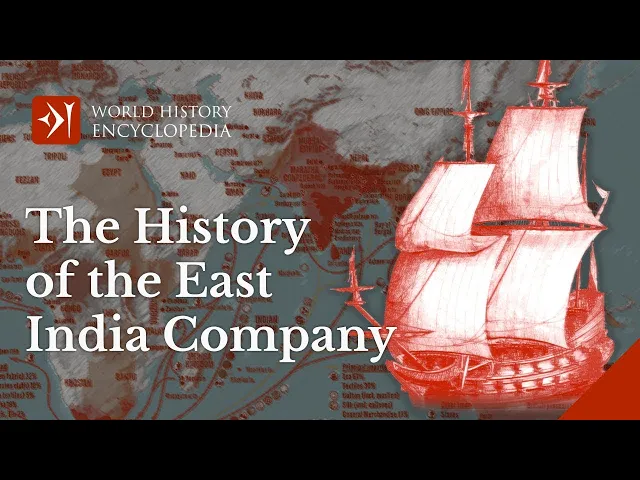
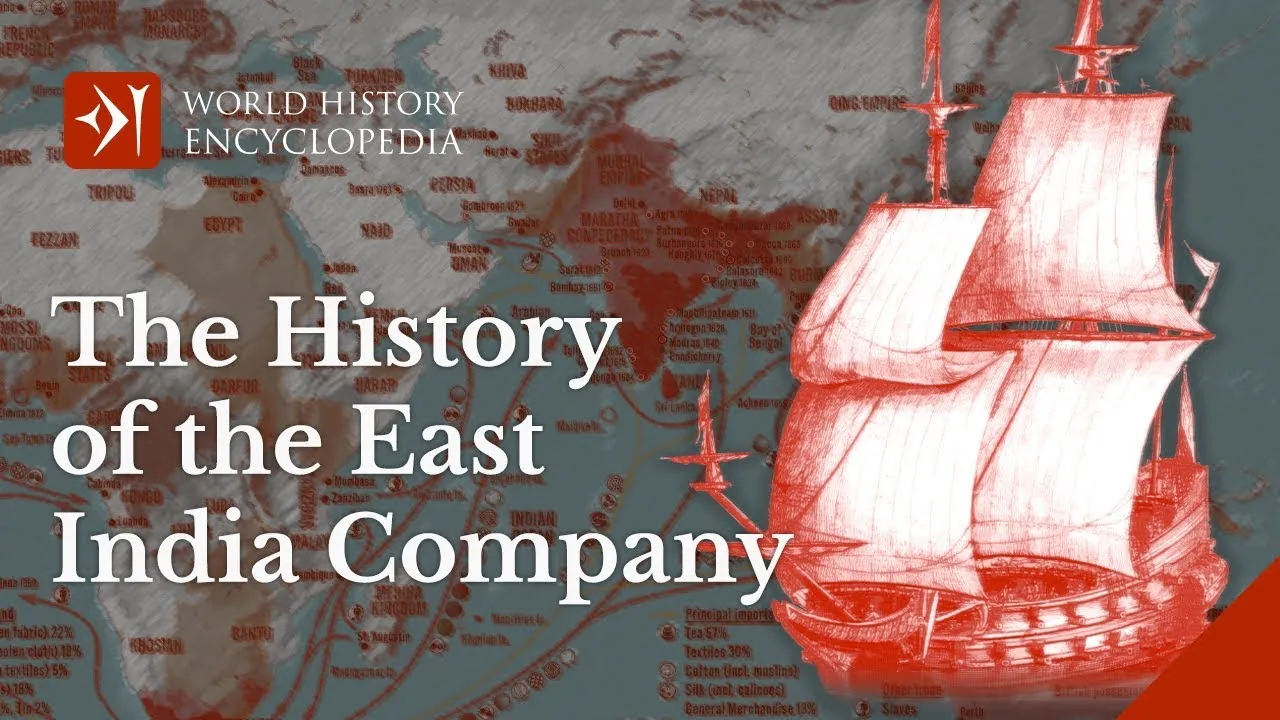
did you know the English East India company's tea trade was fueled by the opium [Music] trade hello and welcome to world history encyclopedia my name is Kelly and today's episode is all about the successful trading company founded in 1600 known as the East India Company world history encyclopedia is a nonprofit organization and you can find us on patreon a brilliant site where you can support our work and receive exclusive benefits in return your support helps us create videos every single week so make sure to check it out at worldhistory toorgle East India Company or EIC
also known as the British East India Company was an immensely successful trading company founded in 1600 that controlled trade on the Indian subcontinent until 1858 with a massive private Army and the backing of the British government the East India Company essentially looted India while furthering Britain's imperialistic policies the shareholders of the company made Millions while India became impoverished and the British government supported the company's policies because many of the shareholders were also high ranking politicians the English East India company was founded on the 31st of December 1600 as a limited joint stock company people invested
capital and received part of the profits managed by a group of 215 Merchants Queen Elizabeth I granted the EIC a charter for exclusive rights to trade with India and included in this was the permission to wage war this initial Venture went well and was then expanded under King James I when a trading post was established at Surat on the west coast of India between 1612 and 1619 and the EIC expanded from there to take over Bombay as their major Trade Center in 1661 the EIC grew more powerful under King Charles II who gave the EIC
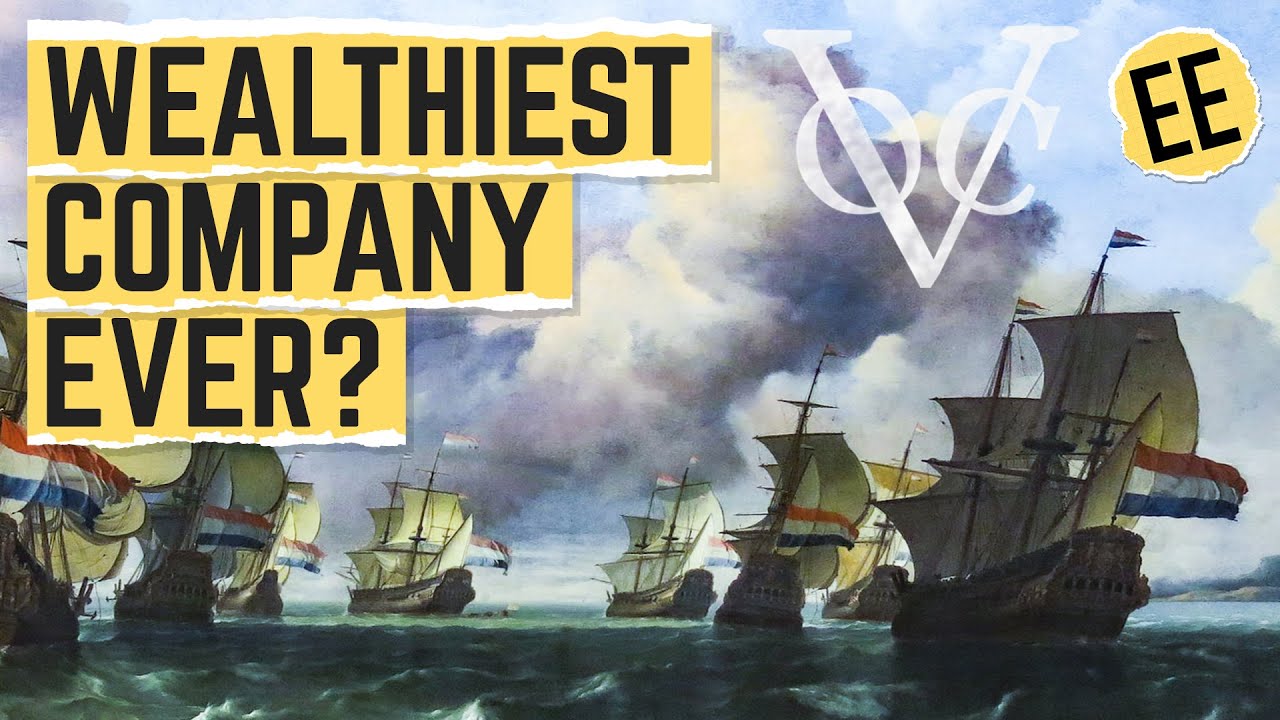
autonomy to conduct its Affairs as it saw fit especially in efforts that would keep out the Dutch East India company that had already gained a foothold in trade with Indonesia the EIC focused in attention on India and developed the Triangular Trade in which it exchanged precious metals from Britain for Indian products sold these in the East Indies for spices and sold the spices in London where they made a huge profit part of which went to the purchase of more precious metals to trade with India the Triangular Trade was so successful it enabled the East India
Company to control the salt trade tea trade and sale of op to China the EIC imported so much tea to Britain that it switched from being an expensive commodity to a drink cheaper than locally made beer the British became a nation of tea Drinkers and this was encouraged by Cheap Imports of sugar from slave plantations in the Caribbean the tea trade was fueled by the opium trade tea at that time was only grown in China and the EIC traded opium from India for Chinese tea when the Chinese government outlawed opium the EIC smuggled it in
anyway this would eventually lead to the first Opium War between China and Britain in 1839 among the notable Goods traded by the EIC were porcelain silk salt peter for gunpowder Indigo coffee silver and wool the ships that carried these goods were heavily armed with cannons and had been given the freedom to fire upon any perceived threats some of these threats however came from the home country where people Pro protested that the EIC was drawing too much silver away from the country's economy and their Imports of Indian textiles were hurting England's wool trade the government responded
by raising duties for cotton Imports and passing laws favoring wool the efforts of the British government to counter the success of the EIC led to the rise of a manufacturing industry producing textiles in huge Mills concentrated in urban centers like the city of Lancashire in this way the EIC encouraged the Industrial Revolution in Britain the British government had given the EIC a free hand to do as it pleased and the EIC made the most of the opportunity but British business concerns now claimed the EIC held an unfair Monopoly on trade with India and the company
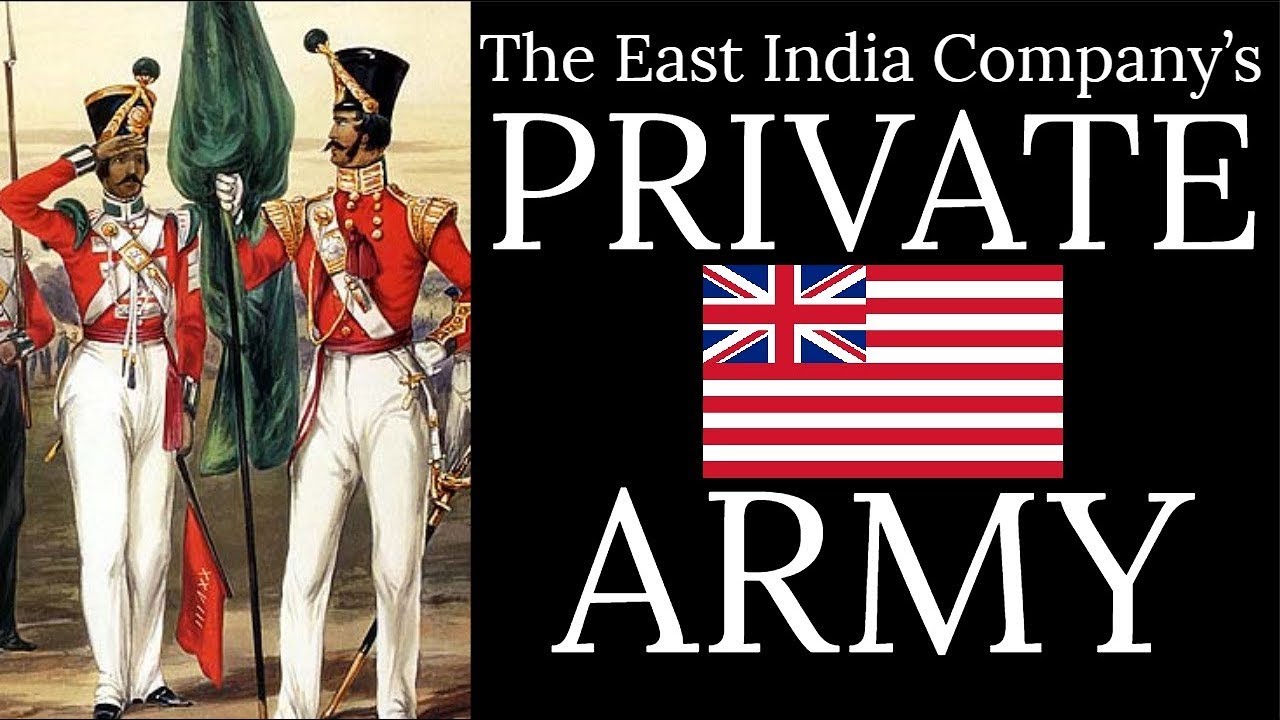
was taken to court several times by independent Traders the EIC won these cases by arguing that it had no Monopoly since it had created the trade itself and had not taken over from another party the company continued to expand establishing itself in territories throughout India and then charging rent to those living there the East India Company invested heavily in professional military forces and paid to use British Army regulars in 1763 the EIC had 6,680 troops in Bengal alone which rocketed to 129,130 initially EIC Army troops and officers came from anywhere but reforms in 1785 mandated
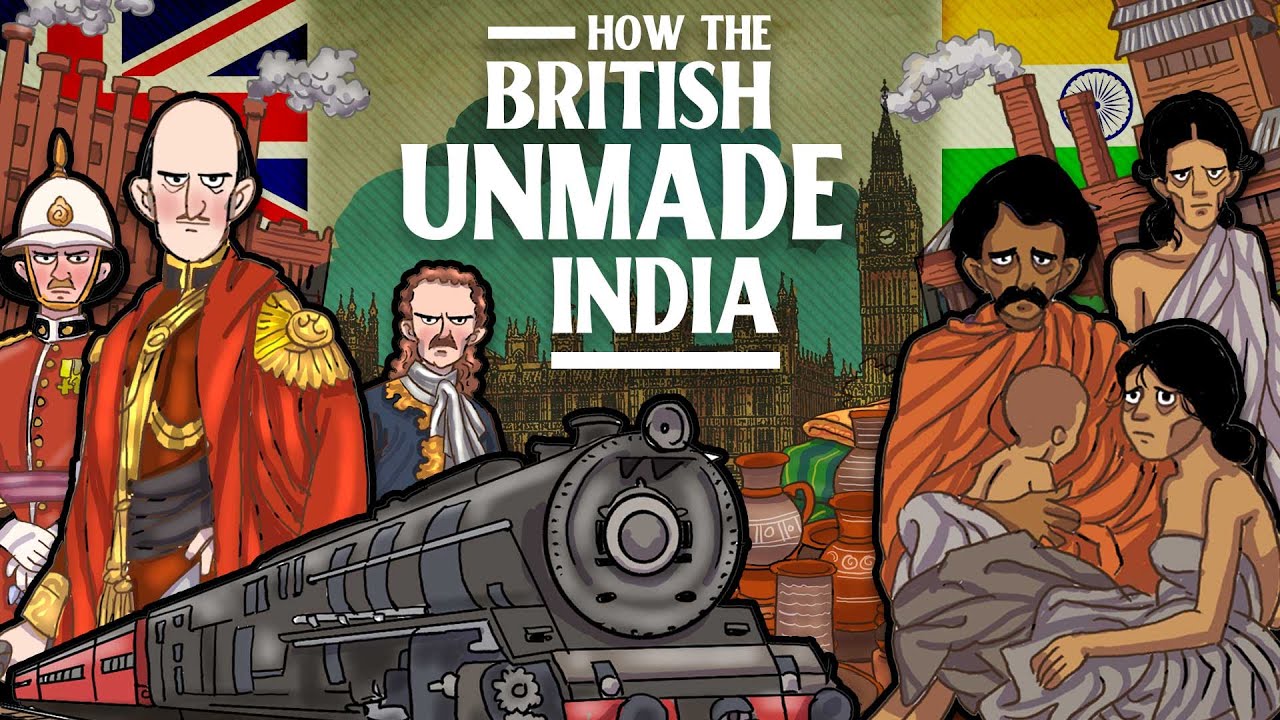
that only britishers could hold the rank of Officer most of the troops were drawn from the Indian peasantry and were deployed across the subcontinent in the many fortresses the E built the company had its own Navy a massive Army minted its own coins ran its own courts and maintained its own prisons the EIC Court of directors chose its staff from within and Indians were were excluded British investors became increasingly wealthy while the people of India suffered as more and more resources were shipped abroad with profits from sales going to the British rather than local Merchants
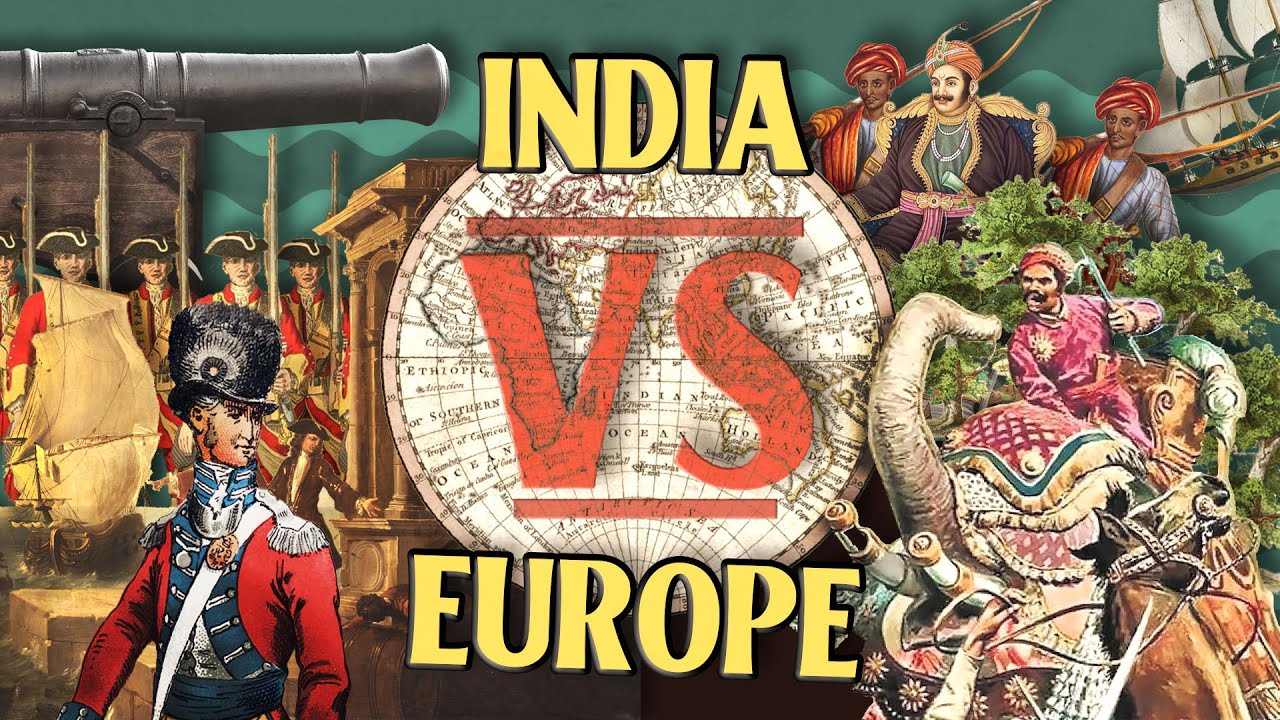
the East India Company was now effectively a state operating within a state the East India Company did have its challenges from outside England however notably the French East India company founded in 166 4 that had its own private Army of well-trained soldiers and its own contacts with Indian rulers in 1698 a rival company was founded in England a second English East India Company but the level of coordination between the various EIC centers set it apart from its Rivals and the EIC was able to maintain control the second company was merged with the first in 1709
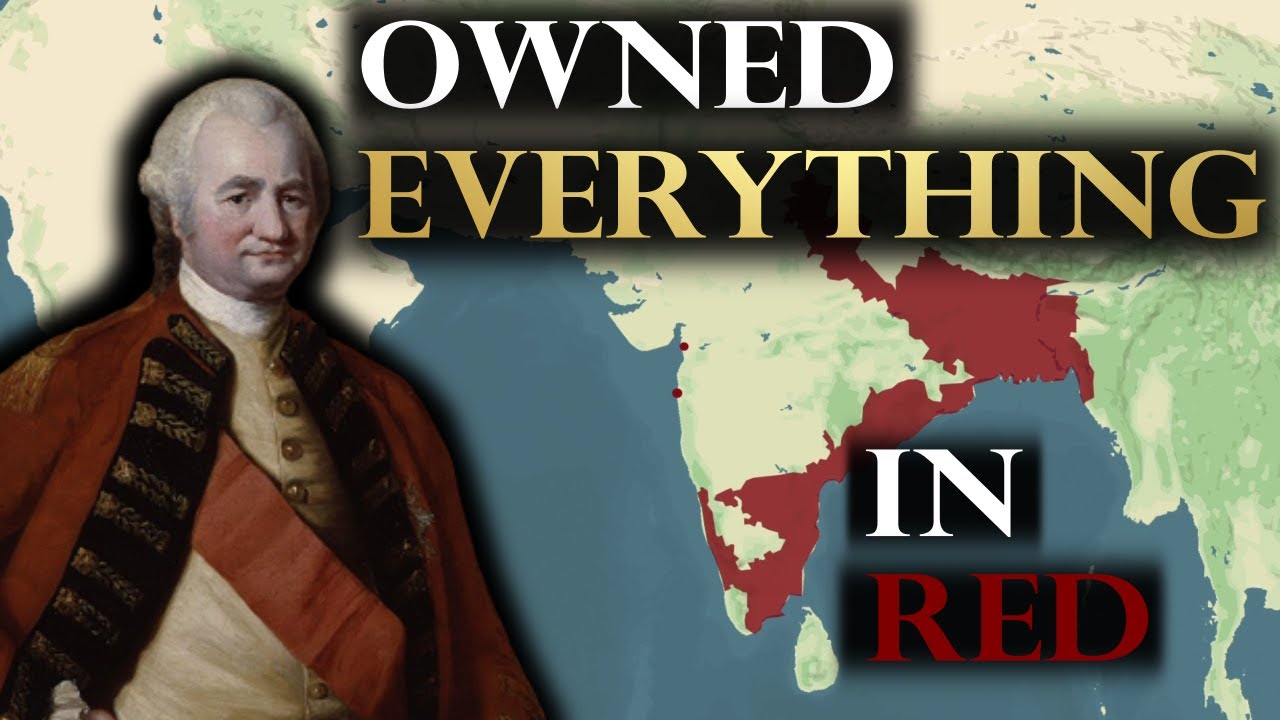
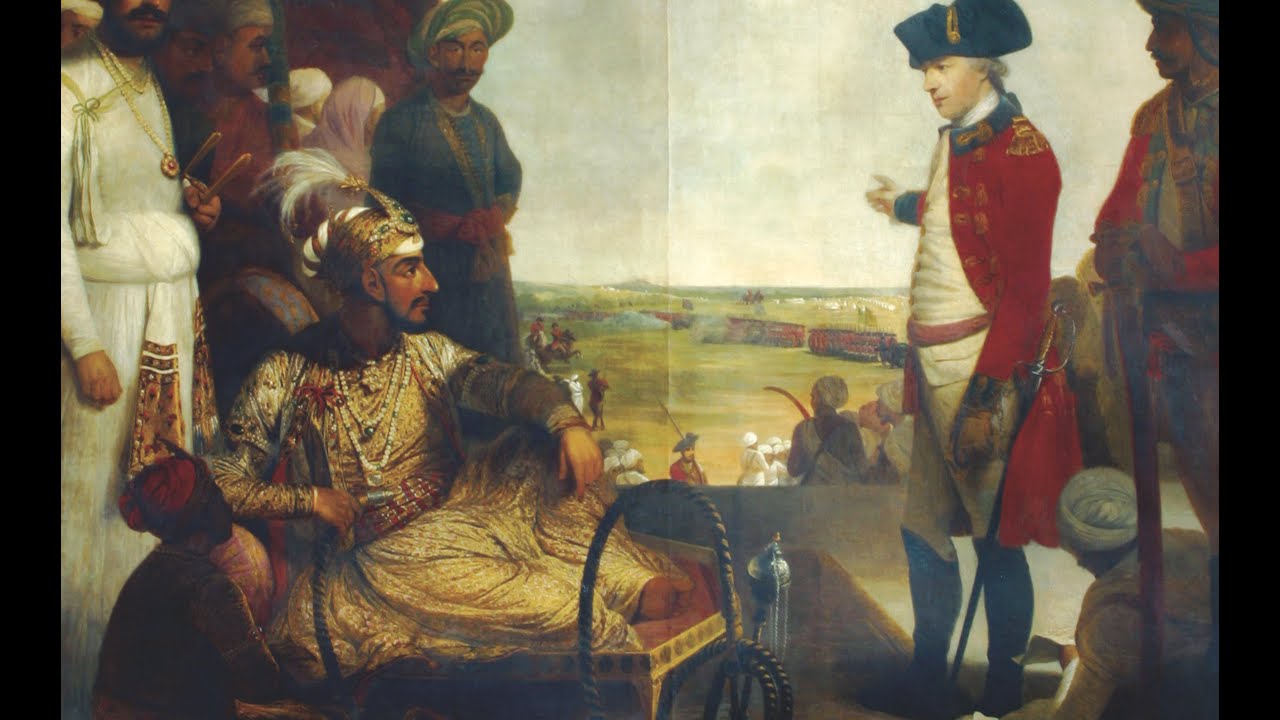
and became the United company of merchants Trading to the East Indies and in official correspondence known as The Honorable East India Company the EIC had now become the official Imperial tool of the British Empire in India and men like the EIC official Robert Clive exercised enormous power in establishing British government control and regulations on trade the successes of Clive and those like him brought accusations that EIC officials were enriching themselves at the expense of the British State and a further criticism was that the EIC was not doing enough to promote the spread of Christianity neither
the accusations nor the criticisms had any effect on the success of the EIC or its expansion the EIC banned all Christian missionaries until 1813 in fact to avoid the mistakes made by the Portuguese who had allowed Catholic missionaries into their territories and had alienated potential allies of other faiths no one the British government objected to the eic's missionary policy Because by the early 19th century 100 members of parliament were also employees of the EIC the EIC was now essentially a branch of the British government the East India Company continued to expand drawing more and more
wealth from India through tax revenues on tenants as well as through ongoing trade which had become increasingly favorable to the British while impoverishing the Indians the 1793 Bengal permanent settlement made Tax Collectors also landlords and this Revenue went to the EIC while driving tens of thousands into permanent debt the four Anglo Mya Wars between 1767 and 1799 won more territories for British controlled India and these were then taken over by the EIC the Charter Act of 18133 proclaimed brsh British sovereignty over the newly captured territory and formally ended the eic's Monopoly on trade with India
the 1825 Global Financial crash hurt the EIC further as it had to take huge loans from the British government which led to further regulations in 1833 the EIC lost its Monopoly on trade with China diminishing its power the charter acts of 1833 and 1853 further reduced the eic's strength and the SEO Mutiny of 1857 the uprising of the Indian soldiers known as the SE employed by the EIC led to the British crown taking full possession of EIC territories in India in 1858 beginning what is known as the time of the British Raj the EIC was
formally dissolved by Parliament on the 1st of June 1874 the British government would essentially continue the policies of the EIC squeezing whatever resources it could from India until the country won its independence in 1947 how do you think the East India company's policies affected India longterm let us know what you think in the comments below if you enjoyed this video make sure to give it a thumbs up and subscribe to our channel so you don't miss out on our new videos published every single week this video was brought to you by world history encyclopedia for
more great articles and interactive content head to our website via the link below if you like my sweater you can find this design and a bunch more our shop at worldhistory dosto or you can find a link for it down below thank you so much for watching and we will see you soon with another video [Music]