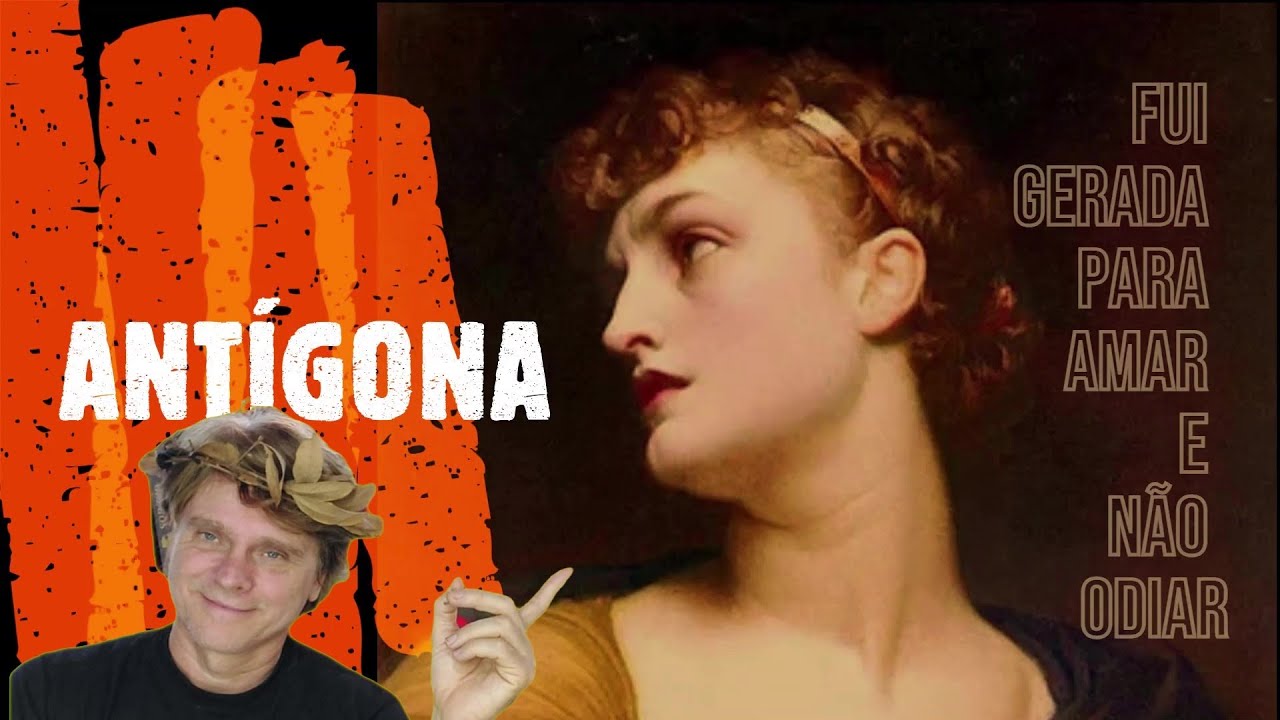
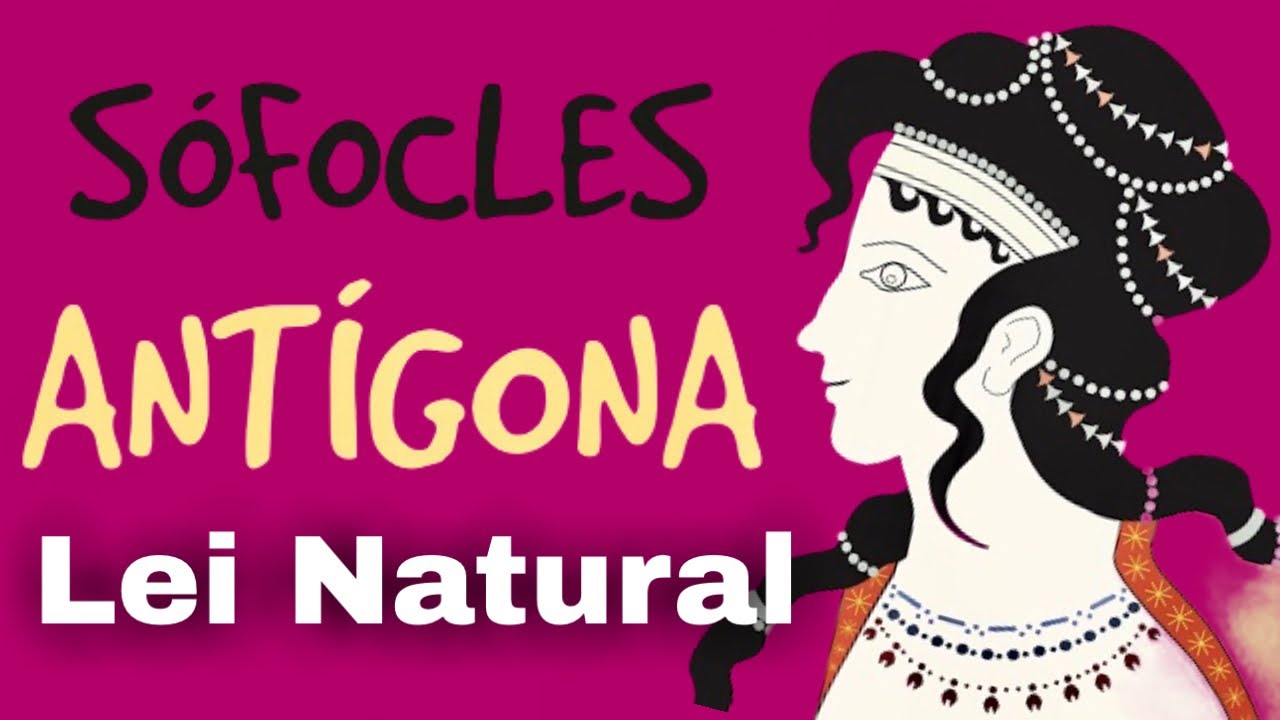
Hello everything is fine? I am Professor Leandro Cordioli, I teach and research in the areas of justice theory and philosophy of law. Today, in "Two Minutes of Philosophy", I would like to make an introduction to a text that is the cornerstone of jusnaturalism: Antigone, by Sophocles.
This Greek tragedy was written by Sophocles within a trilogy called the "Theban Trilogy". The first book is Oedipus the King, which tells the story of Oedipus and Jocasta, parents of Antigone. The second book is Oedipus at Colonus.
Don't forget to subscribe to the channel and activate the bell to be notified about future videos that I will upload, regarding the theories of natural law, jusnaturalism, justice and law. Without further delay, let our clock begin! In this tragedy, Antigone, which is the cornerstone of jusnaturalism, the story of Creon, the tyrant of Thebes and uncle of Antigone, is told.
The two sisters, Antigone (our heroine) and Ismênia, and her two brothers, Eteocles and Polynices, are also central characters. Polynices had joined a foreign nation and tried to attack Thebes to retake the throne, to which she was entitled, from the tyrant Creon. Eteocles, on the other hand, had remained by Creon's side and helped defend Thebes.
Both of Antigone's brothers died in the battle. The tyrant Creon, ruler of Thebes, enacted a law that said that Eteocles should be buried with the honors of a hero, while Polynices, the traitor, should be left unburied, so that his body could serve as food for hungry birds. Anyone who performed the funeral rite for Polyneices would have to be stoned to death.
It is exactly when the sisters Ismene and Antigone become aware of this law and try to decide what to do in light of Creon's decree that the tragedy begins. Antigone, overcome by the fraternal love she had for her brother, decides to perform Polyneice's funeral rite and is arrested in the act, being taken to court to be judged by her uncle. It is at this moment in the text that Sophocles lays the cornerstone of the natural law tradition.
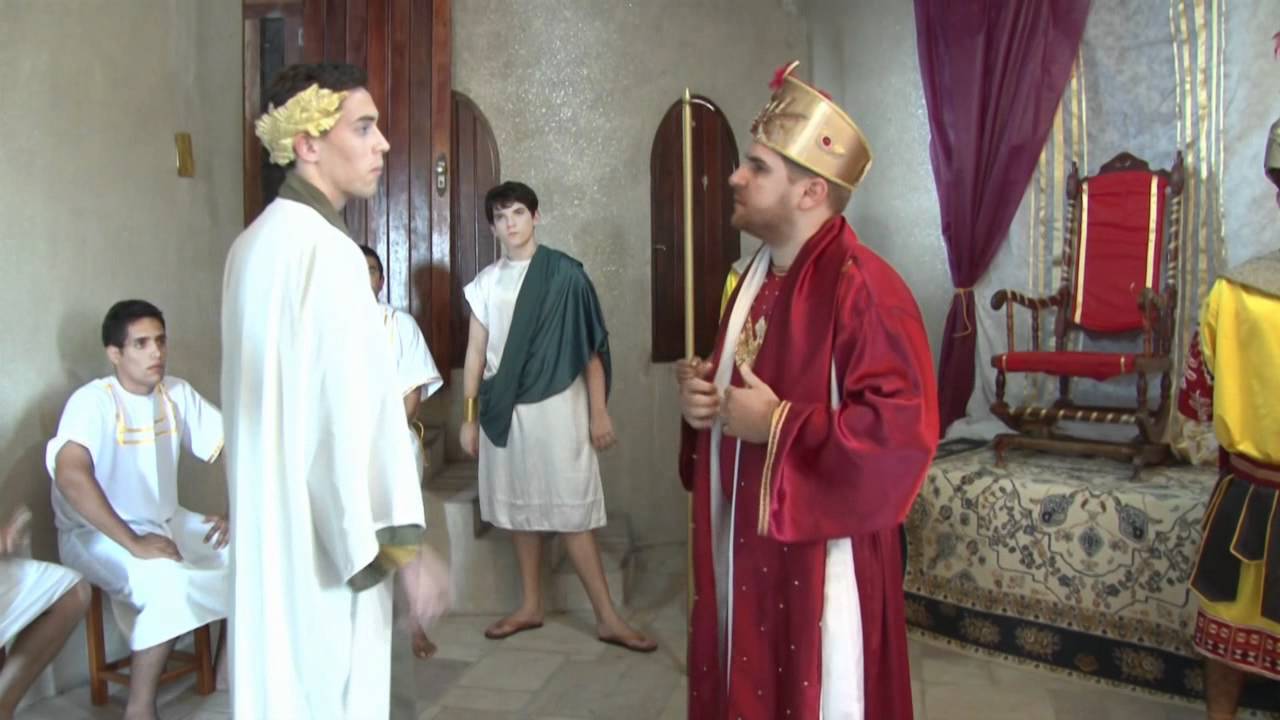
During the trial, the following dialogue takes place between Creon and Antigone: Creon: Did you know that I had forbidden this ceremony? Antigone: You know, how could I ignore it? You spoke openly.
Creon: Yet you dared to transgress my laws? Antigone: It was certainly not God who proclaimed them, nor did Justice, who lives among the gods of the dead, establish them for men. Nor did I suppose that your orders had the power to overcome the unwritten, perennial laws of the gods.
They are neither yesterday nor today, but they are always alive, and it is not known when they appeared. Creon, proud and overcome with anger due to his niece's disrespect, finds himself publicly challenged, in a situation in which Antigone claims that she is defending laws that are not human, but divine — laws that have always been valid and that should regulate the affairs of dead. These laws, according to her, are not like the rules of the State, written and proclaimed by mortals.
Here we see, then, the birth of jusnaturalism, understood as the tradition of resistance to oppression. This is the idea that there is a limit to state power, a limit that must not be exceeded. These were our "Two Minutes of Philosophy".
What do you think? Is there a law beyond human law? And more: is the law what the legislator or the person in power says it is?
Is there a limit to the matter that can be legislated by the State, or can anything be legislated? Comment below, but think carefully about your answer. At the end of the tragedy, Creon regrets his decisions, and Coripheus, in the last passage of the tragedy Antigone, says: "Prudence is, by far, the first of the virtues.
It is not advisable to act against the gods; haughty words bring the haughty atrocious punishment; old age teaches prudence. " So, when leaving your opinion below, be cautious! I hope that this video has sparked your interest in reading this tragedy and many other works by Sophocles.
A hug and a good week. These are the votes of Professor Leandro Cordioli.