Greetings industrial enthusiasts and curious minds. This is Mighty Machines, and today we're delving into the fascinating world of incredible Factory machines and ingenious tools that redefine innovation. Join me as we explore their features, significance, and the transformative impact they have on the manufacturing landscape.
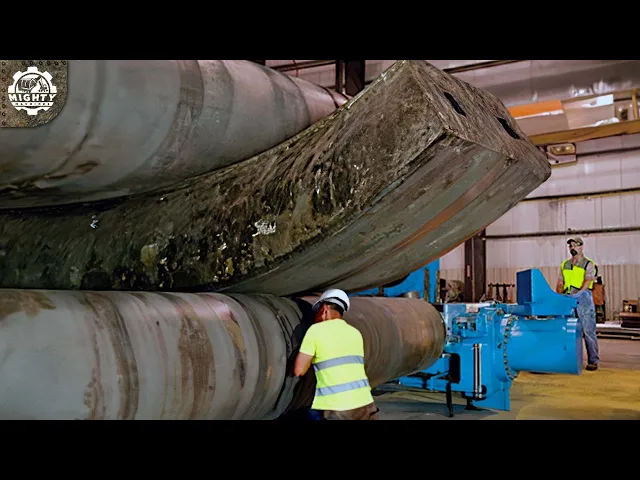
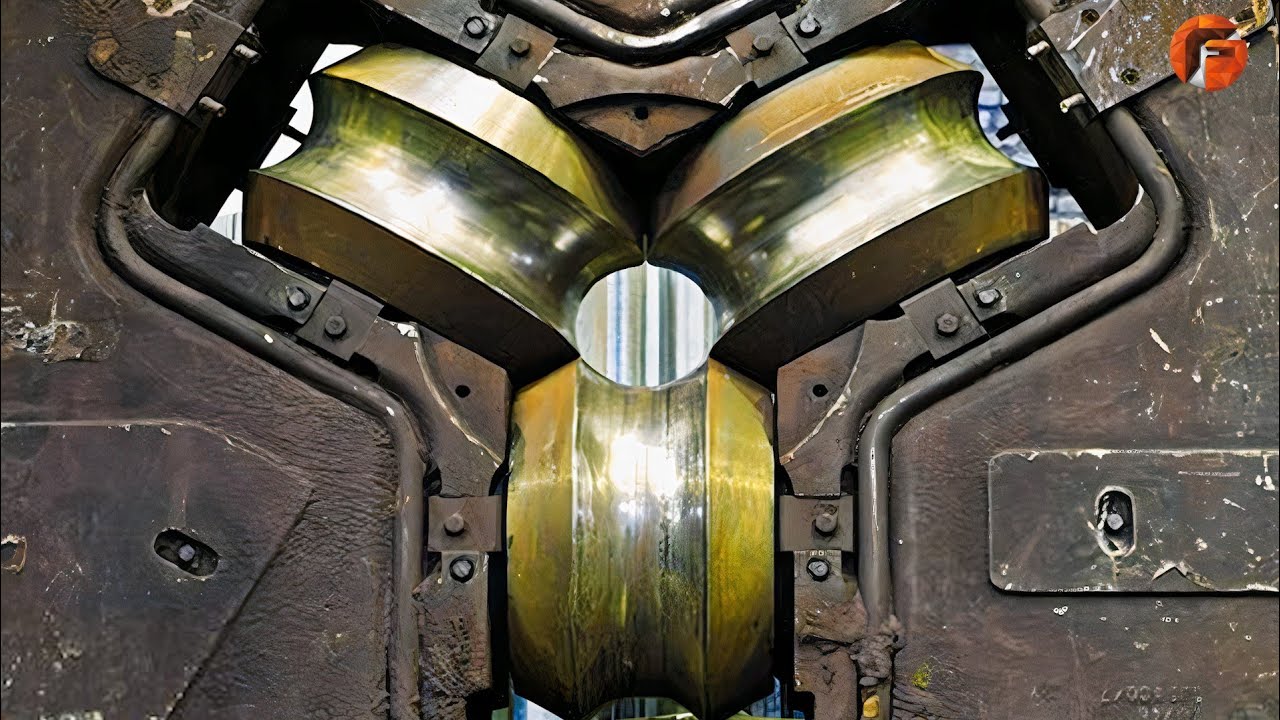
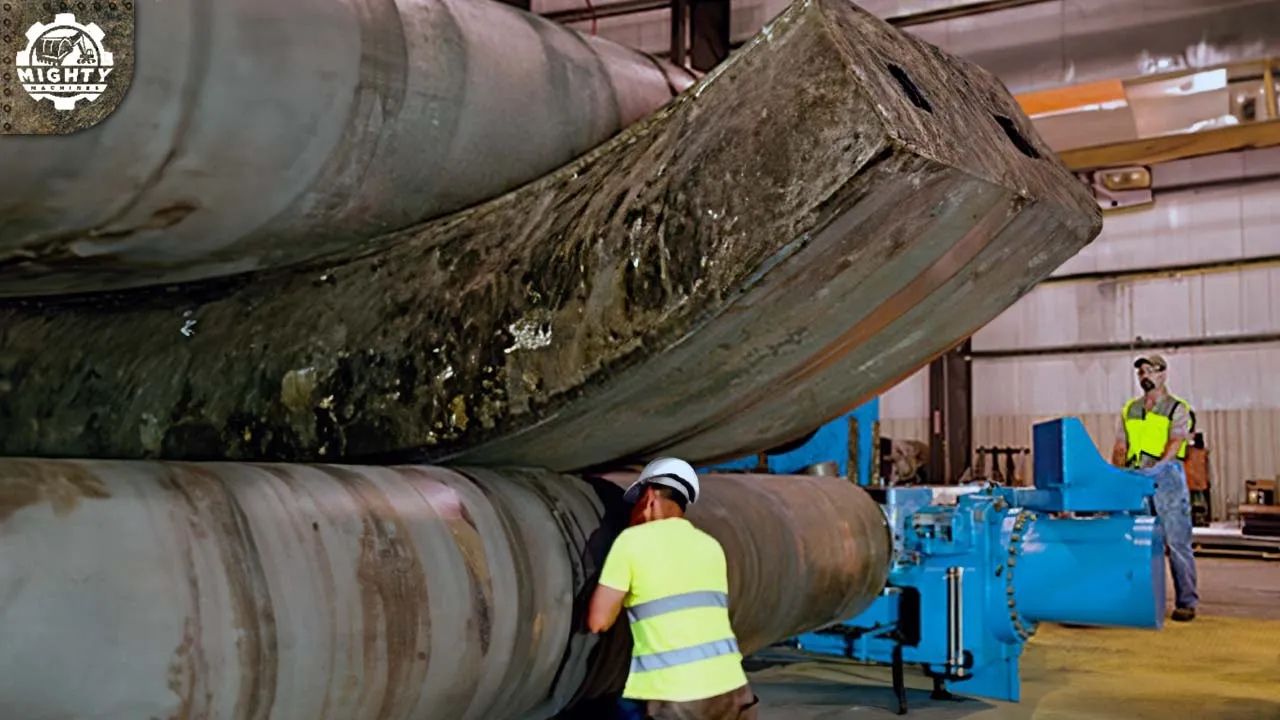
Our journey begins with Barnshaw, a name synonymous with precision metal forming. Barn Shaw's machines stand at the forefront of advanced metal bending technology, showcasing remarkable products and engineering marvels. Barn Shaw produces complex shapes and structures because it can bend metal with unparalleled precision.
This capability finds crucial applications in industries such as aerospace and automotive, where intricate metal components are indispensable. Barnshaw minimizes environmental impact through efficient material usage, reducing waste in the manufacturing process. The efficiency and speed of Barn Shaw's machine enhance productivity in metal fabrication.
While the initial costs of this cutting-edge technology may be substantial, the long-term benefits of precision manufacturing and reduced material waste establish Barn Shaw as a cornerstone in the world of metal forming. Transitioning to textile machinery, we encounter AJ H Yakima Maarai, an innovator in carpet washing machines. Let's delve into how these machines set new standards in textile cleaning.
Amaj Hle Yikim Maari's experience lies in its advanced carpet washing technology, ensuring thorough cleaning without compromising delicate textiles. These machines cater to the textile industry's efficient and eco-friendly carpet cleaning needs, minimizing environmental impact through water and detergent optimization aligning with sustainability goals. The versatility of these machines is evident in their ability to handle various carpet types, offering a comprehensive solution for manufacturers.
While the upfront investment may be considerable, the enduring benefits in efficient cleaning, extended textile lifespan, and adherence to environmental standards make Amaj H Yima Malinari an indispensable tool for the textile industry. Shifting our focus to writing instruments, we encounter Faber Castell, renowned for quality and innovation in pen manufacturing. Let's explore the ingenious tools and machines behind the creation of these writing instruments.
The distinction of Faber Castell's machinery lies in precision and meticulous attention to detail in pen, pencil, and writing tool manufacturing. Notably, the brand is acclaimed for its commitment to sustainable practices, utilizing environmentally friendly materials and manufacturing processes. Efficiency is evident in the consistent quality of Faber Castell's products, meeting high consumer standards.
Responsible material sourcing and energy-efficient production methods minimize environmental impact while costs reflect investments in quality and sustainability. The enduring benefits and brand reputation and customer loyalty establish Faber Castell as a leader in the writing instrument industry. Venturing into advanced manufacturing solutions, Sisma stands out with cutting-edge technology in laser systems and 3D printing.
Let's delve into the features and significance of Sisma machines. The discerning factor of Sisma's machinery lies in its precision laser systems and additive manufacturing solutions capable of intricate engraving, welding, and 3D printing. Sisma's commitment to pushing manufacturing boundaries is significant in the jewelry, dental, and aerospace industries where precision and customization are paramount.
Considering environmental impact through efficient energy usage and minimal material waste in 3D printing processes aligns with sustainability. Efficiency is a cornerstone with Sisma machines offering versatile and rapid solutions for diverse manufacturing needs. While costs reflect advanced technology, enduring benefits in precision manufacturing and innovative applications position Sisma as a game-changer in laser systems and 3D printing.
Now let's explore DMS Design, a name synonymous with industrial design and machining innovation. DMS Design's machines are known for versatility and a transformative impact on creating complex components. DMS Design's machines offer precision and adaptability for various applications, designed to handle intricate designs efficiently.
DMS Design pushes the boundaries of industrial design, with its significance apparent in its contribution to industries such as aerospace, automotive, and medical where complex components are essential. Consideration of environmental impact includes efficient material usage and waste reduction in the machining process. Efficiency is key with DMS Design's machines streamlining the production of complex components and reducing lead times.
While costs reflect advanced technology, enduring benefits in design flexibility and production efficiency position DMS Design as a leader in industrial design and machining. Now explore Shunk, which is synonymous with clamping technology and gripping systems. Shunk's machines are at the forefront of industrial automation, providing secure and efficient workholding solutions.
Set apart by its advanced clamping and gripping systems, Shunk's machinery offers precision and reliability for various manufacturing processes. Shunk is designed to secure workpieces with utmost stability and is committed to ensuring efficient machining operations. The significance is evident in its contribution to the accuracy and repeatability of manufacturing processes.
Consideration of environmental impact includes efficient energy usage and optimized manufacturing setups with Shunk's machines streamlining workholding processes and reducing setup times. Efficiency is key while costs reflect advanced technology, enduring benefits in manufacturing accuracy and operational efficiency position Shunk as a leader in clamping technology. In conclusion to our exploration of incredible Factory machines, let's dive into the world of forging technology with Ballard Forge.
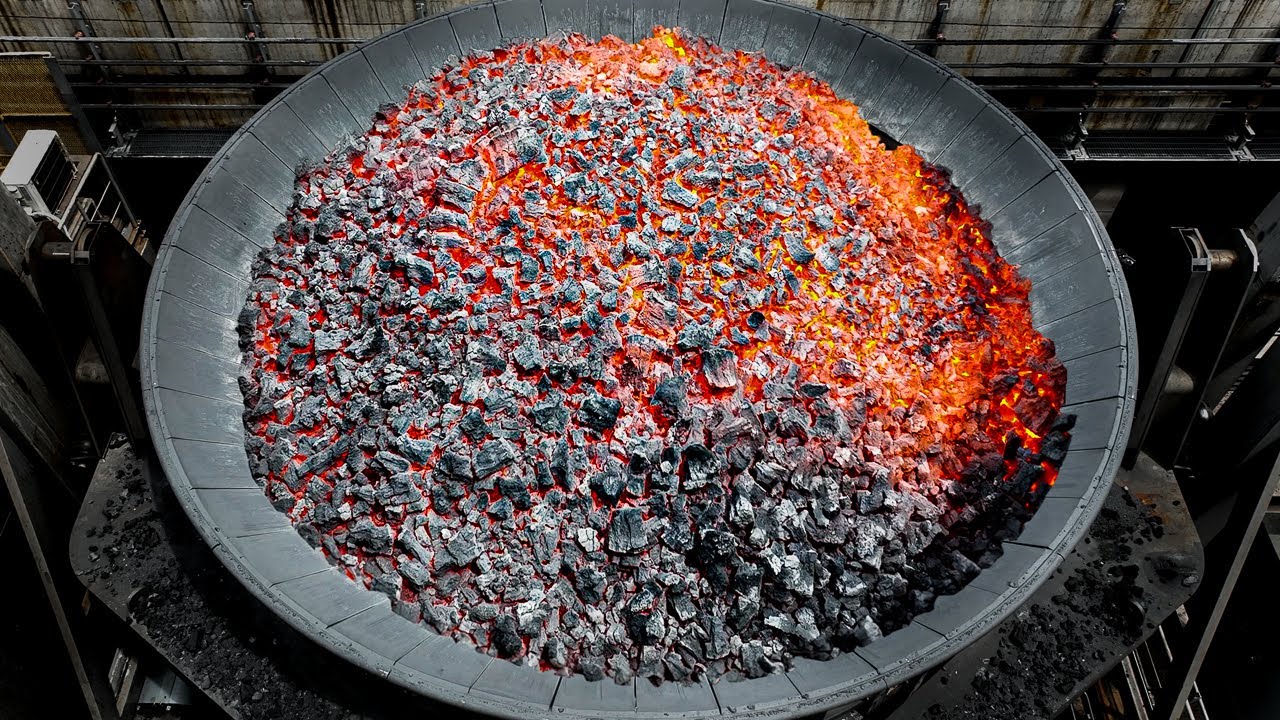
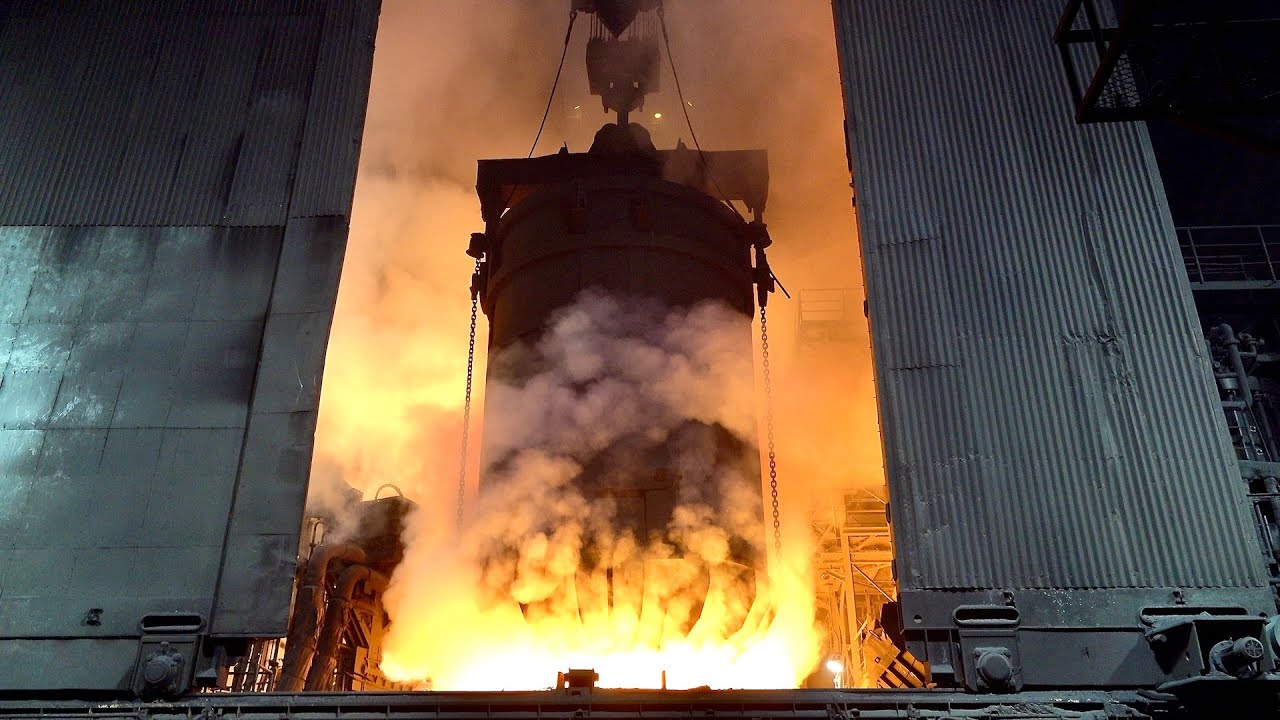
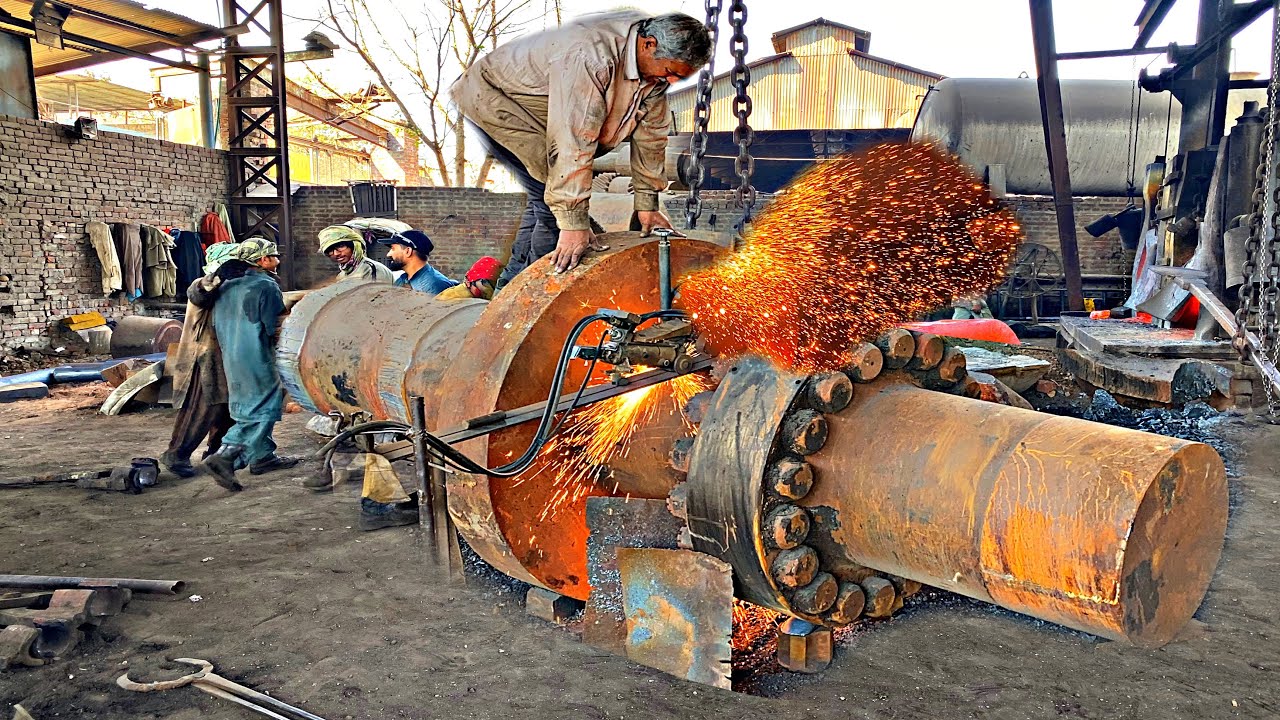
Ballard Forge's machines are known for their capability to shape and forge metal with efficiency and reliability in metal melting processes. Distinguished by advanced melting and casting technology, Ballard Forge's machinery provides efficient and precise solutions for metal production. Designed to handle various types of metals, ensuring optimal melting and casting processes, Ballard Forge's significance lies in its contribution to the efficiency and quality of metal production across industries.
Environmental considerations include optimized energy usage and waste reduction in the melting process. Efficiency is a standout feature with Ballard Forge's machines automating and streamlining metal production processes. While costs may reflect the investment in advanced melting technology, the long-term benefits in metal quality and operational efficiency establish Ballard Forge as a key player in the metal manufacturing sector.
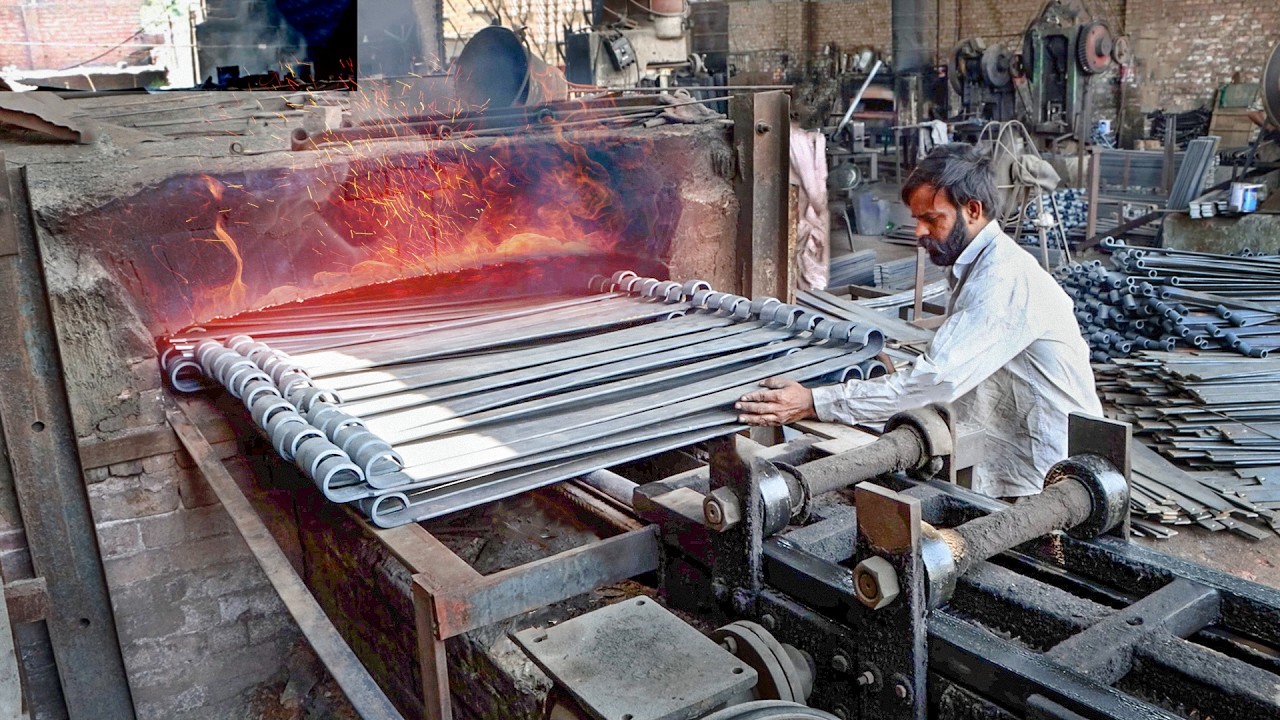
Mold metal with precision and efficiency with its advanced forging technology. Ballard Forges machines provide efficient and precise solutions for metal shaping processes designed to handle various types of metals, ensuring optimal forging processes for diverse applications. Ballard Forges' significance is evident in its contribution to the strength and durability of forged metal components used in industries such as automotive and aerospace.
Consideration of environmental impact includes optimized energy usage and waste reduction in the forging process. Efficiency is key with Ballard Forges machines automating and streamlining metal forging processes, while costs reflect the investment in advanced forging technology. The long-term benefits and component strength and operational efficiency establish Ballard Forge as a crucial player in the forging industry.
A while ago, we mentioned the production of canned bodies. Now, let's talk about a welding machine that is used in that particular process. This is the WRO 306, a machine that can produce large amounts of food and oil containers.
Since the demand for can containers is getting higher every day, it's important that the machine you use can keep up with it. The WRO 306 is capable of manufacturing 350 cans in just 1 minute. Plus, you can also program this machine's speed and can size according to what you need.
This does not only increase the factor's efficiency by 100 fold but also guarantees their return on investment in no time. Operating it does not cause problems too since it was designed to have many sensors that hold and shift each can from one stage of manufacturing to another. Speaking of welding machines, we have the RCM double axle friction welding machine from Jangu Rishang Machinery.
This is a machine designed with comprehensive modeling features and a unique double-bed structure that provides more operation space for the operators. This impressive machine also has a brand-new axle housing clamping that works with its positioning device so that precision and accuracy are maintained all throughout the welding process. Welding also needs stable drive power output, which is what the high-quality hydraulic drive system monitors.
When talking about monitoring, it's also important to note that this machine also has a comprehensive monitoring system where operators can keep and monitor records of the welding data. Next is the Tesker MFG Model 742, which is a thread roller that can roll up to 12in diameter parts with the help of its 340,000 lb of rolling force. Even though it's originally built to withstand heavy-duty work, this machine does not require a lot of costs.
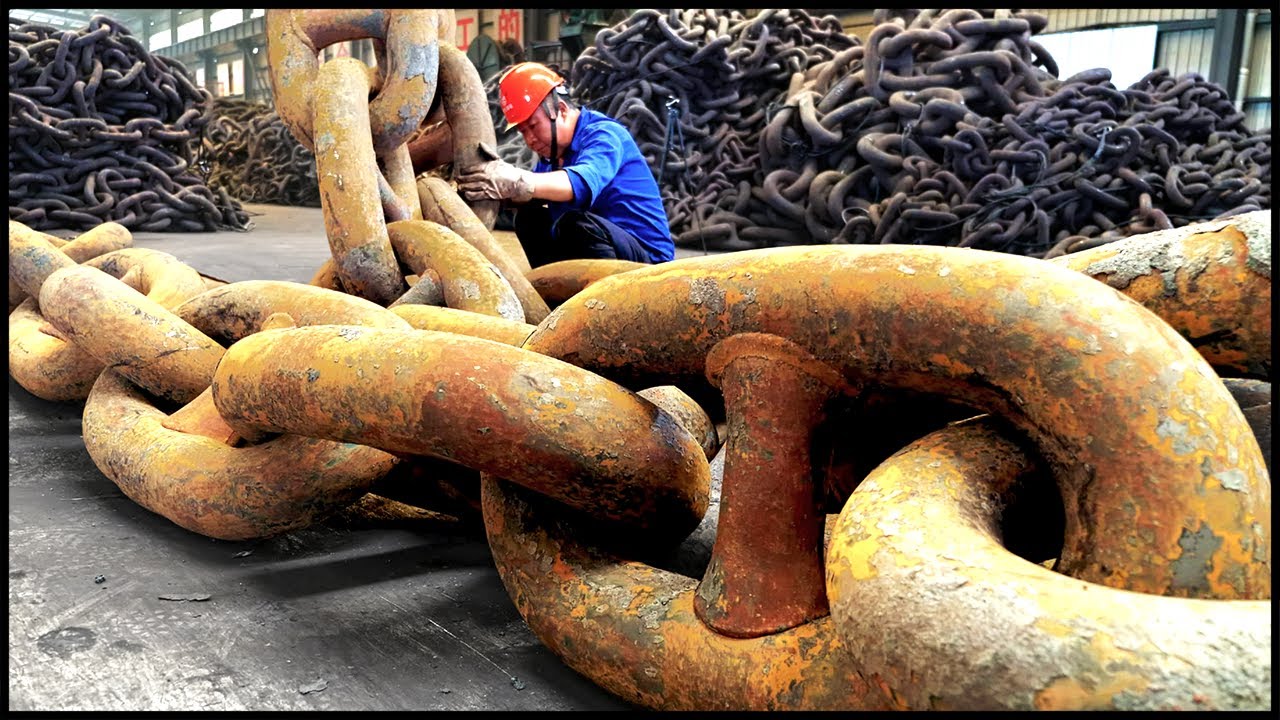
It has a servo drive that maintains the accuracy and independent spindle drive access control. Cable cars, bridges, and even heavy-duty cranes are incomplete without ropeways. This is why Fatzer AG has been manufacturing the best of the best ropes in the market.
To make sure of the quality, it releases each tensile strength of the wires are measured and tested. If they pass the standards, the wires will be installed on a stranding machine that draws the cables on a twisting head to further secure the strands of rope. It's sprayed with grease and processed through a ropeway cage that rotates and ties the different strands together.
If the design diameter and strength are reached, the ropes will be tested again. Industrial processes also include the removal of burnt carbon from glass molds. Usually, it's done with the help of various chemicals and ultrasonic solutions, but to do it faster, laser technology is used.
Through this, a huge amount of burnt carbon is cleared even in the shortest possible time. One of the innovations used for this is the P Laser High Power System in 2000 Watts. This laser technology combines high power with large surface coverage and is controlled by a 19-inch control unit.
It's available in three configurations: 500 watts, 1000 watts, or a 2000 W laser source. This 2000 WT version doubles the energy of a 1000 watt system and speeds up the process more. The machine optic can also be integrated into any production or assembly line since it's a robust and durable unit but flexible enough to be installed on a robot.
If the optical components get too heated during the operations, its water cooling system will regulate it as well as the integrated air treatment to cool down the optic and avoid dust onto the lens. Up next is this innovation by Pestan. These corrugated pipes have two layers which act as a smooth inner wall and external spiral wall, which are made up of high-density polyethylene.
If you're wondering how it's made, this video is for you. First of all, a corrugated profiled outer layer of high-density polyethylene is wound on a smooth inner layer. To do that, this layer must be extruded and welded.
The addition of profiled hose in the outer layer is proven to increase and improve pipe strength and can be manufactured in a variety of stiffness classes. A lot of things we use today, like utensils, buildings, and even some car components, are made up of iron. Iron is ideal for all these things since it has higher strength than other possible elements and it also has the most abundant in the Earth's crust.
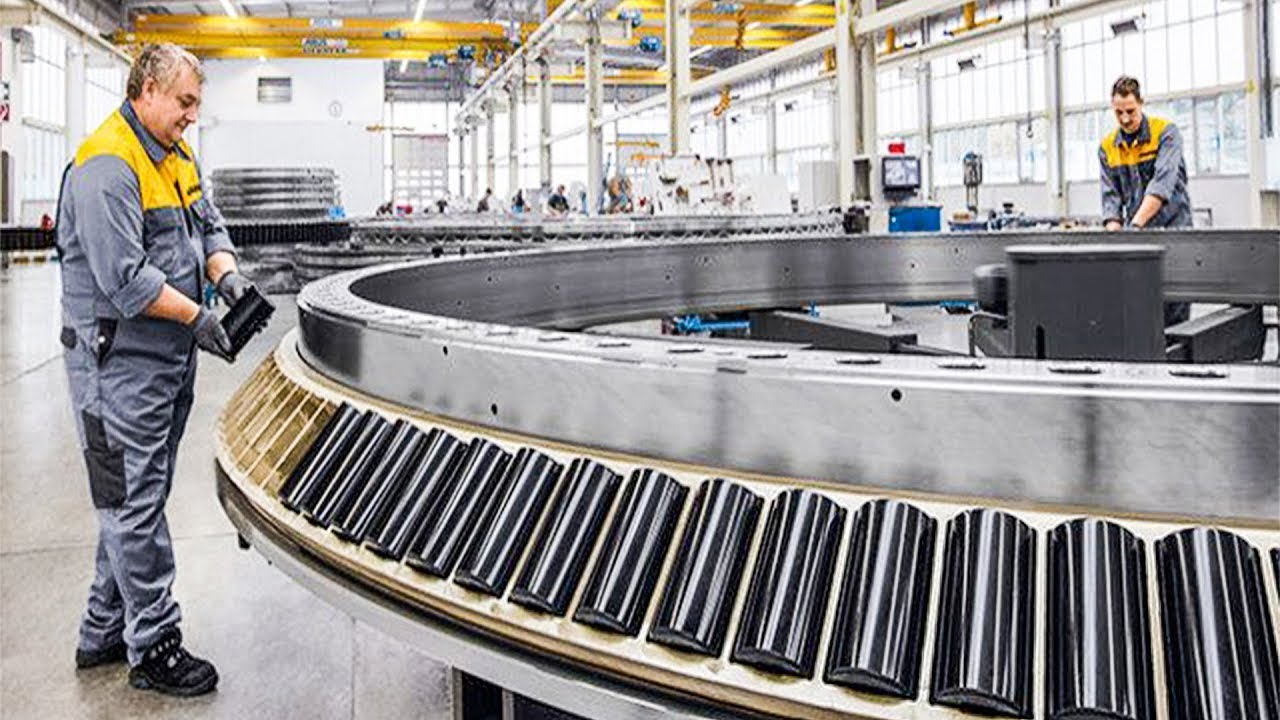
However, the process of integrating iron into materials goes beyond just acquiring it. At Anyang Forging Press, you can see how a simple iron can turn into something more useful through the help of a variety of molting methods. They're able to continue their production with a machine that helps them shape the metallic unit into a round shape through the process they call the ring rolling technique.
This technique is usually used for seamless machining bearing rings, hub flanges, thin-wall cylinders, and many other components to guarantee that they remain in the desired shape. A glassroom operator monitors the process. As time goes by, the mattresses we use often get old and their shape doesn't stay.
Good anymore as a solution, people get newer ones and throw away the old's mattress. But did you know that the retor Matas can recycle up to 90% of that mattress? Once the mattress is delivered to the recycling facility, it will go on a recycle journey along with the hundreds of other mattresses delivered to them every single day.
The process starts with them detecting and removing the metal within the mattress. After that, the covers will be removed so that the remaining foam can be cut into blocks. This is done so that it's easier for them to do the next step, which is the shredding of these foam blocks into smaller pieces.
Then, the process of chemical recycling or the separation of polyethylene from the foam from its original chemical raw materials begins. In this part, they use a special chemical recycling technology known as glycosis to obtain pool, which is then used to make most new foams. The gears whose axes of the two shafts intersect and the tooth bearing faces of the gears themselves are conically shaped are called bevel gears.
Most of the time, they're mounted on shafts that are 90° apart but can be designed to work at other angles as well. Usually, we see bevel gears on items like devices and machines including automobiles, printing presses, power plants, cooling towers, marine applications, steel plants, and railway track inspection machines. But how do they exactly make it?
Usually, there are two manufacturing methods used for bevel gears depending on what is used. The tooth length and depth forms may vary. In this clip, you'll see another way of manufacturing it, which is the computer numerical control (CNC).
First, a machine that produces large spiral bevel gears is used. Once its task is done, the CNC takes over and proceeds with all the grinding and turning operations. Then, the bevel gears are now used for specific items, for example, the Glenden BG's C300, which is one of the world's largest machines.
Whenever looking through clothes, many prefer cotton since they're comfortable. But did you know that cotton is also the most common natural fiber in the world? This is why there are also the ones you use to make yarn.
In this clip, you'll see that a lot of new cotton is being delivered to this yarn factory. The machines will now take over these and clean them. Once it's set, the cotton fibers are separated in the carding process before assembling those into a loose strand known as sliver or tops.
After that, the slivers are transferred into the drawing machine where slivers are aligned and stretched. The product of this step is further reduced so that a finer thread is achieved. Strength is important for yarns, so more twists are added to these threads before winding it on a smaller tube.
The roving machine then spins and twists the yarn up until it becomes 60 times thinner than how it originally is. Approximately, this whole process takes only 48 hours of machine work. We've already come to the last item on the list.
That's all for the complex yet amazing industrial processes day-to-day products go through. Did you enjoy watching? If so, please don't forget to leave a like, subscribe, and click the notification bell.
We'd also be glad to hear your thoughts and suggestions in the comments below. Till next time, thank you for watching.