Whenever the political laws of the United States are to be discussed, it is with the doctrine of the sovereignty of the people that we must begin. "If there be a country in the world where the doctrine of the sovereignty of the people can be fairly appreciated, where it can be studied in its application to the affairs of society, and where its dangers and its advantages may be foreseen, that country is assuredly America. " So wrote famed French historian, Alexis de Tocqueville.
But how did America come to be the preeminent example of the sovereignty of the people? From whence did the world-changing words and actions of men like Washington, Madison, and Jefferson find their origins? The answer may surprise you, because to a large extent the foundational ideas behind this unique political experiment can be traced back to two extraordinary thinkers: John Locke and Baron de Montesquieu.
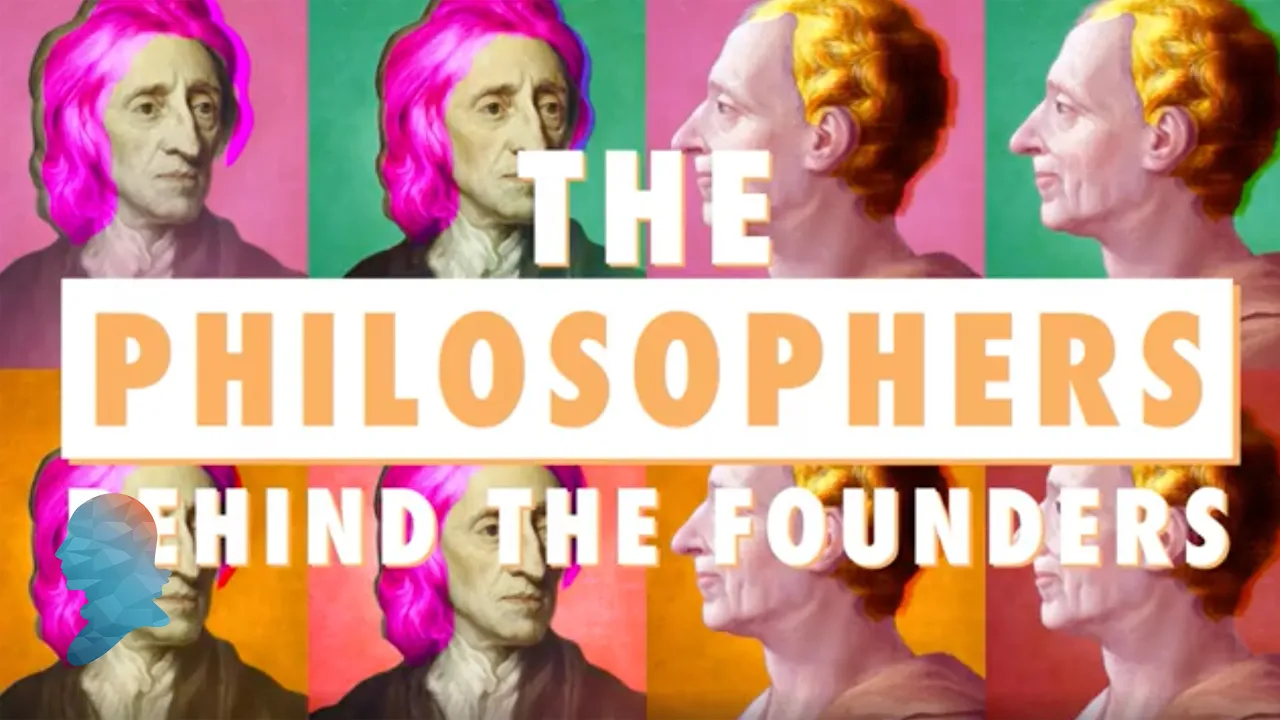
Locke and Montesquieu are the tag team philosophers of the American founding. From the Declaration of Independence to the more comprehensive task of framing state constitutions and a durable Constitution for a federal republic. Locke fires up the Americans, but we live in Montesquieu’s world.
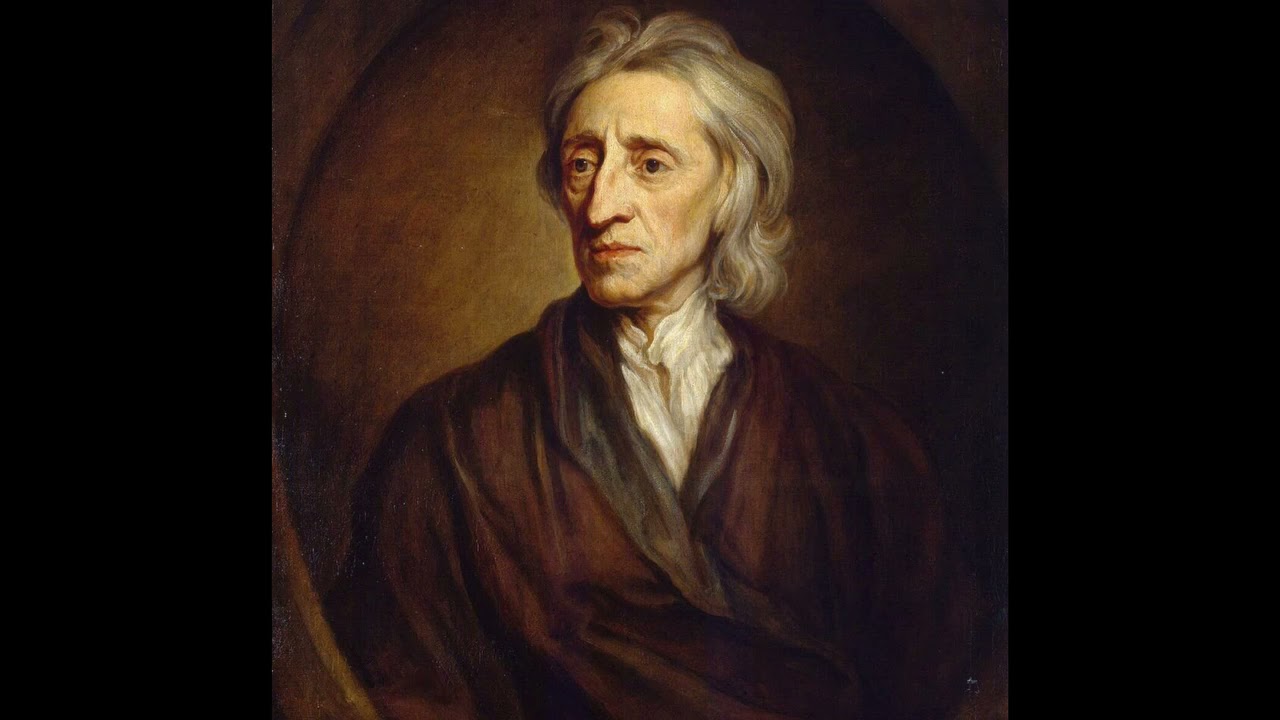
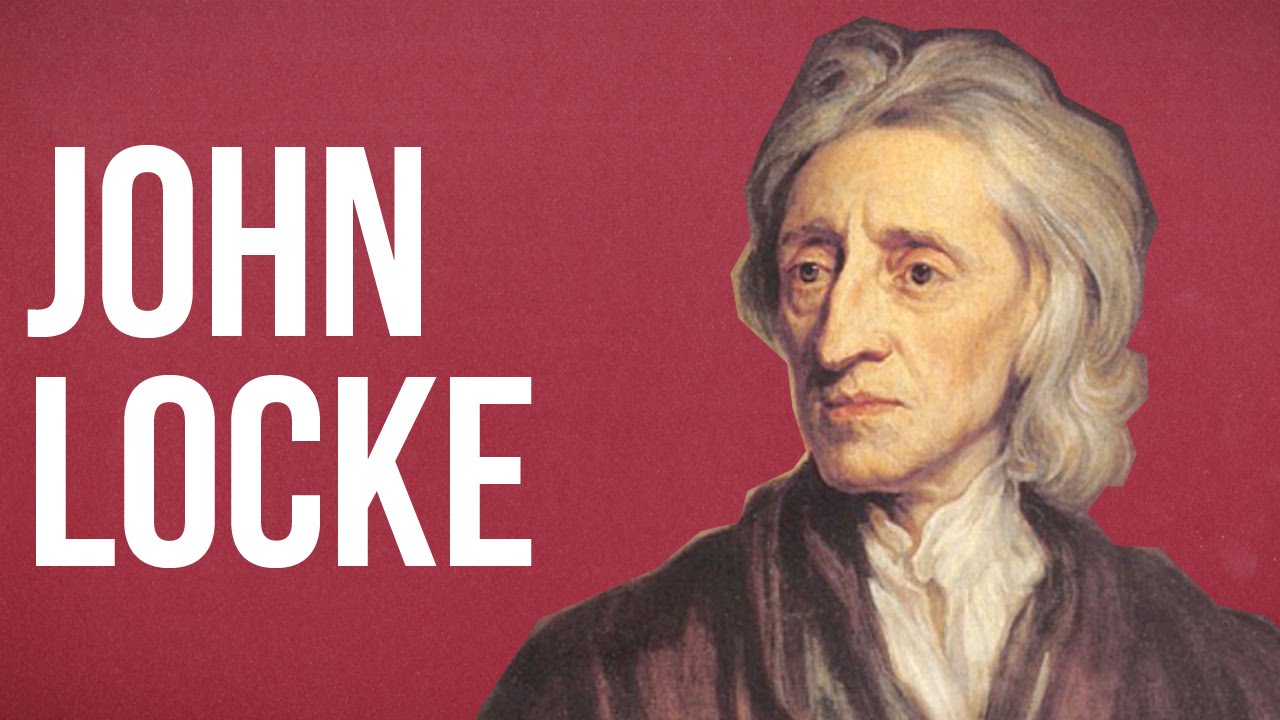
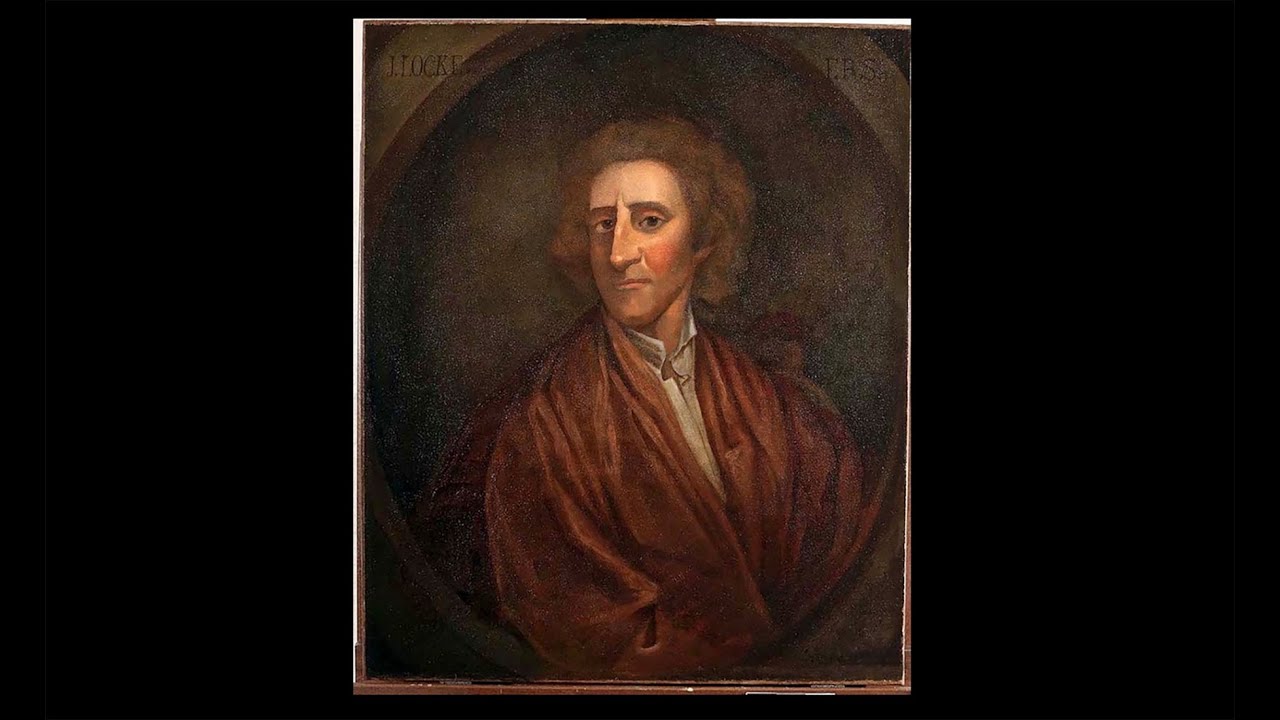
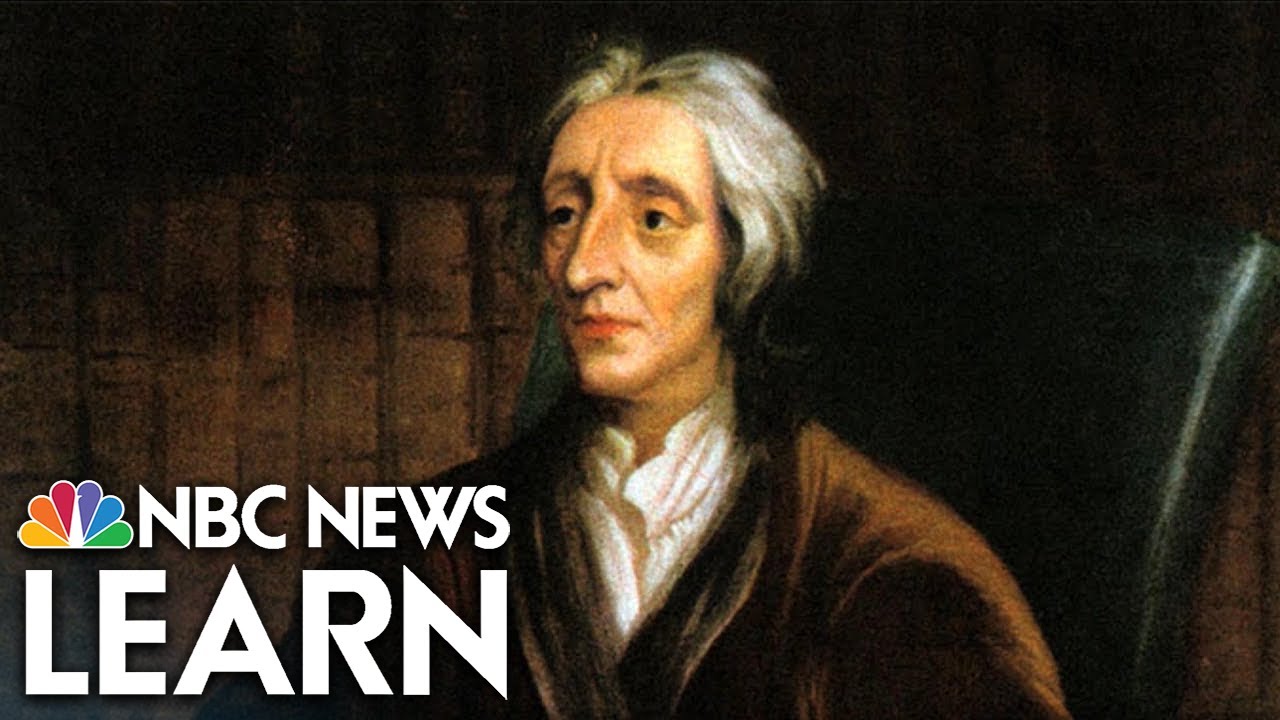
Locke was most important, actually, at the time of the revolution itself and Montesquieu, much more important at the time of the making of the Constitution. John Locke was one of many English figures who helped shape how American colonists understood what government's supposed to do and how it relates to the citizens who were members of the government. Locke's influence reached a certain kind of peak at the time of the American Revolution.
And the main thoughts of his that had an influence are very visible in the American Declaration of Independence. The founders were persuaded by Locke that governments are supposed to secure the people's rights and the governments exist by the consent of the governed. When the American colonial legislatures and parliament argued about parliament's power to do things in the colonies, the legal arguments that the founders made were informed by how they understood British practice and British law through Lockean lenses.
Ultimate sovereignty rests with the people. And it rests with the people because they have inalienable rights to life, liberty, and property. And if they are infringed upon by parliament, their representatives, or by the king, who is their representative in another sense, they can change the form of government.
They have a right to do that. They're defending not just their rights as Englishmen, but their rights as men. And, therefore, they look to Locke to justify declaring independence.
Locke proclaimed that a government can only have power if the people consent to give that government power. This is known as rule by consent. According to Locke, if the people feel their rights are not protected, they have the right to reject that government and start fresh.
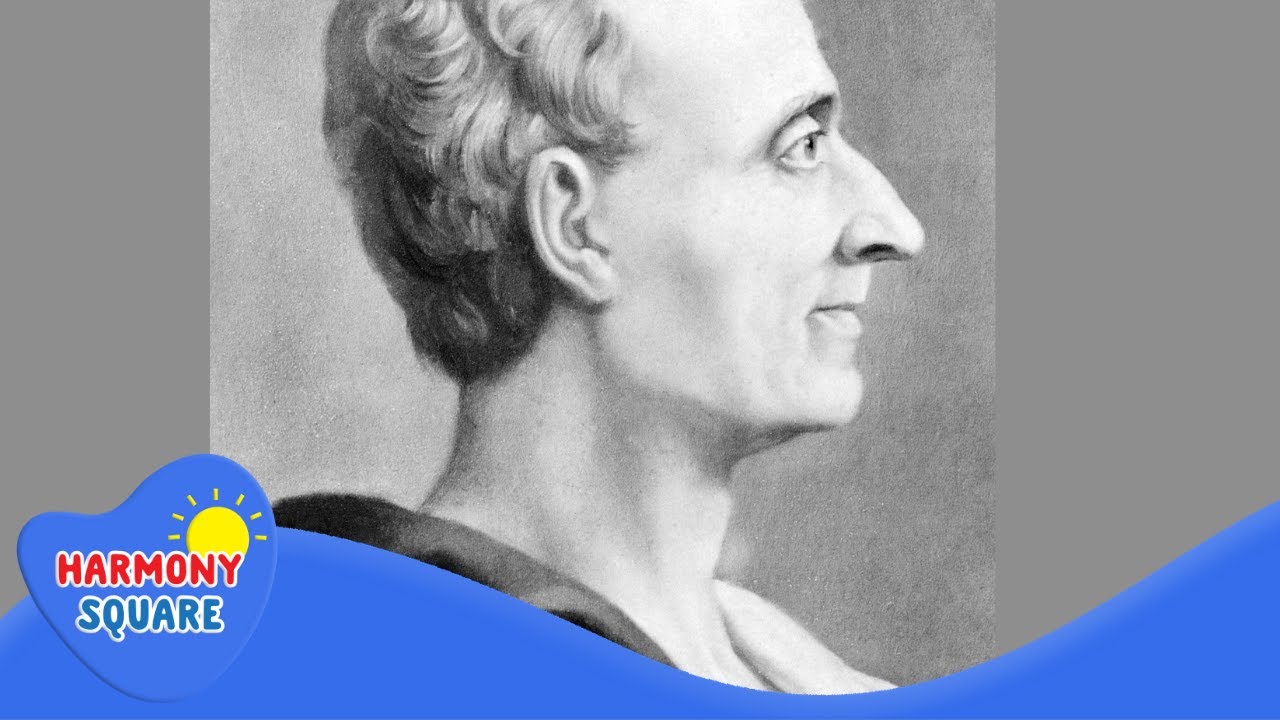
Here, Montesquieu diverges from Locke because, while Locke predominantly argued for the sovereignty of the people, Montesquieu emphasized an idea known as the balance of powers. Charles de Montesquieu lived during the first half of the 18th century and published his greatest work, The Spirit of Laws in 1748. It became the single most influential work for those who drafted and debated the 1787 Constitution and Bill of Rights.
He was a judge turned enlightenment political philosopher, emphasizing human liberty and rational principles. Montesquieu's Spirit of the Laws sold like hotcakes. And it was translated into every European language of any significance in a fairly short time after its publication in 1748.
In other words, it is an 18th century best seller. By this time, people are beginning to ask the question throughout all of Europe: "What's the best way to constitute a government? " Montesquieu says a lot more than Locke does about separation of powers.
Montesquieu understands the powers that ought to go into government differently from the way Locke had set them forth. As he says in Spirit of Laws, a federation is basically a society of societies, that is a larger society made up of smaller societies. And that idea was, of course, very influential on all the Americans, because that's what they thought they were doing.
Montesquieu advocated a complex constitutional monarchy like England enjoyed by the 18th century, which he called a balance between Republic and monarchy with judicial and legislative bodies to balance a King, and indeed, balance or moderation is Montesquieu's overarching principle. America's constant contests among legislatures, executives, and judges in the federal government and the states then across the two levels of government, and also among political parties or interests and a free press, all of this follows Montesquieu's philosophy that constant testing for equilibrium and constant argument will ensure a freer, more humane, and more prudent politics. Imagine the United States without the foundational ideas of rule by consent and balance of power.
Many argue that the very origins of the country are the result of a belief in the sovereignty of the people and the constant tension between interests that creates our separation balance of powers is what binds the Republic together. We cannot understand the foundations of our form of government without studying Locke and we cannot understand the shape our government takes, the forms of that government, without studying Montesquieu. Locke taught his readers that a government exists to serve its people and not the other way around.
And the arguments Locke made help us understand why the American colonists became revolutionaries. I would say absolutely, we should return to Locke to think about rights and some of the questions about political legitimacy that we have. We are losing the Montesquieuian spirit behind our complex politics.
Thus, we don't know how to use the complicated institutions and norms he advocated. Today, we mostly are just left with the testiness and edginess of revolutionary ideals and demands. The danger now is that we are rebelling against ourselves and our own constitutionalism, not against a King and parliament far away.
![Montesquieu’s Constitution | The Philosophers Behind the Founders [The FedSoc Films Podcast]](https://img.youtube.com/vi/9Z70lOgWHJs/maxresdefault.jpg)