coffee break english season 1 episode 7. [Music] hello everyone and welcome to coffee break english i'm josie and i'm mark and we are very happy to be here today josie i'm excited today why why are you excited mark because we're talking about haggis a very scottish topic yes we are off to our home country of scotland we're learning about haggis and we're also learning about the present perfect tense excellent so we're going to be joined today by monica who is going to be reading our text for us great let's listen to monica [Music] hi mark
hi josie let's find out more about a well-known scottish dish have you ever heard of haggis if you haven't it's not surprising it's scotland's national dish but there are some scottish people who have never eaten it this is because its ingredients are quite unusual it is a big round pudding made from a sheep's stomach and filled with a sheep's heart lungs and liver as well as onion oats and spices if that doesn't sound good to you some recipes have recently changed to use an artificial stomach instead of a real one with chicken or beef inside
traditionally people eat haggis at least once a year on the 25th of january this is the date when we celebrate the birth of scotland's most famous poet robert burns and the event is called auburn's supper at a burns supper someone usually performs a poem by robert burns called address to a haggis that's right it's a poem about haggis most scottish people have been to a burnt supper and most children have learned some poems by robert burns at school in recent years haggis hasn't stayed the same because chefs have experimented with it in lots of different
ways they have made vegetarian and vegan haggis and some restaurants have even tried haggis pizza and haggis sushi the scots like to have fun with haggis and many people have tried to convince tourists that the haggis is an animal if you search on the internet you can find pictures of a wild haggis and there is even a fake wild haggis in a museum in glasgow so if you visit scotland maybe you'll be brave enough to taste this traditional scottish dish [Music] josie do you like haggis well i have never eaten haggis mark because i don't
eat meat so i have eaten vegetarian haggis which is delicious what about you do you like haggis well i have to admit that yes i do really like haggis haggis with potatoes and turnip or as we say in scotland haggis we neeps and tatties yep that's the traditional way to eat it isn't it indeed okay let's go back through the text now have you ever heard of haggis good so this question have you ever heard this is a question in the present perfect tense if i ask you this question mark what's your answer have you
ever heard of haggis yes i have heard of haggis good so i have heard this is the present perfect we use the present perfect to talk about something that happened in the past but we don't say exactly when it happened so we use it to talk about our life experiences sometimes okay can we look at some examples josie good idea so mark have you ever visited the grand canyon yes i have visited the grand canyon yes you told us in the previous episode about that and remind me have you ever visited the grand canyon no
i haven't visited the grand canyon okay so the negative form i haven't visited that's right so to make the present perfect we take the verb have or in the third person has and we add the past participle so the past participle is the third form of the verb for example visit the infinitive visited the past simple and visited the past participle but some verbs have a different simple past and past participle form that's right if the verb is irregular it has a different past simple and past participle so for example do infinitive did past simple
and done past participle good okay let's continue with the text okay so have you ever heard of haggis if you haven't it's not surprising good so if you haven't this haven't refers to have you ever it's using this have this auxiliary helping verb okay so if you've not heard of haggis it's not surprising it's not a big surprise because it's scotland's national dish but there are some scottish people who have never eaten it yes so it's scotland's national dish it's a traditional food from scotland but some scottish people have never eaten it this is the
present perfect in the negative form we could say some scottish people who haven't eaten it but when we use never it emphasizes never in my entire life i have never eaten it okay and why is this it's because its ingredients are quite unusual it is a big round pudding made from a sheep's stomach and filled with a sheep's heart lungs and liver as well as onion oats and spices lots of vocabulary there yes lots of words to talk about so it's ingredients the things that are in haggis are quite unusual they are quite strange they're
not normally in food it is a big round pudding around like a circle is round um what's a pudding mark well a pudding is in the uk traditionally what you eat after a meal like dessert a sweet dish but here the pudding refers to the sort of sausage nature of this dish that's right that's right pudding kind of has a double meaning in this case haggis is definitely not something you eat for dessert so haggis is made from a sheep's stomach our stomach is the place where our food goes when we eat it to be
digested and what's unusual about the pronunciation of stomach mark well this word ends with ch and that's normally pronounced ch like church or chicken but here it's stomach a hard k sound that's right so watch out for that word so a haggis is filled with a sheep's heart our heart is the organ in our bodies which sends the blood around our body a sheep's heart a sheep's lungs what are lungs so the lungs are the organs which help you to breathe that's right and a sheep's liver the liver cleans the blood in the body good
so lots of body parts of a sheep but there are other things too as well as onion oats and spices so oats oats are a grain which sometimes you give to animals as food and i like to eat oats in muesli for my breakfast okay if that doesn't sound good to you some recipes have recently changed to use an artificial stomach instead of a real one with chicken or beef inside yeah so here's another example of the present perfect some recipes have recently changed this is something which happened in the past but we don't say
exactly when it happened we just say it happened recently so when you see the word recently sometimes this tells you that you should use the present perfect have recently changed okay what would an artificial stomach bee so if something's artificial it is not real it is fake for example we could have artificial flowers which are not real flowers maybe they're made from plastic okay traditionally people eat haggis at least once a year on the 25th of january so people eat haggis at least once a year at least means a minimum of that's right so most
people would eat haggis definitely once a year and perhaps more often that's right okay and this date the 25th of january is when we celebrate the birth of scotland's most famous poet robert burns and the event is called a burns supper yes so we celebrate we mark the importance of this day so if you celebrate something maybe you have a party or a nice dinner but we celebrate the birth of scotland's most famous poet that's right we celebrate the day when robert burns was born the birth of robert burns that's right and this event is
called a burns supper so supper is another word for dinner really at a burn supper someone usually performs a poem by robert burns called address to a haggis good so someone um stands up and they say this poem in front of everyone else and yes this is a poem about haggis abode the dish the national dish yes that's how important haggis is in scotland it has its own poem do you know the poem josie i don't know this poem i think when i was at school i learnt it but i have forgotten it completely do
you know it mark i know a little bit of the poem it's a poem in scots so scots is a national language in scotland and it's different from english so don't worry if you don't understand any of this fair for your honest son say face great chieftain of the pudding race i've been the more you attack your place pinch stripe or therm wheel are you worthy of aggressors langsma adam wow well done it's a long time since i've said that poem i'm sure i think we might need to start a a podcast called coffee break
scots for people to understand this i think so too but most scottish people have been to a barnes supper and most children have learned some poems by robert burns at school just like we did yes and here we have two more examples of the present perfect as well so most scottish people have been to a burn supper but we don't say when sometime in their lives and most children have learnt some poems is an interesting verb it's a past participle of which verb good question been is the past participle of be and of go so
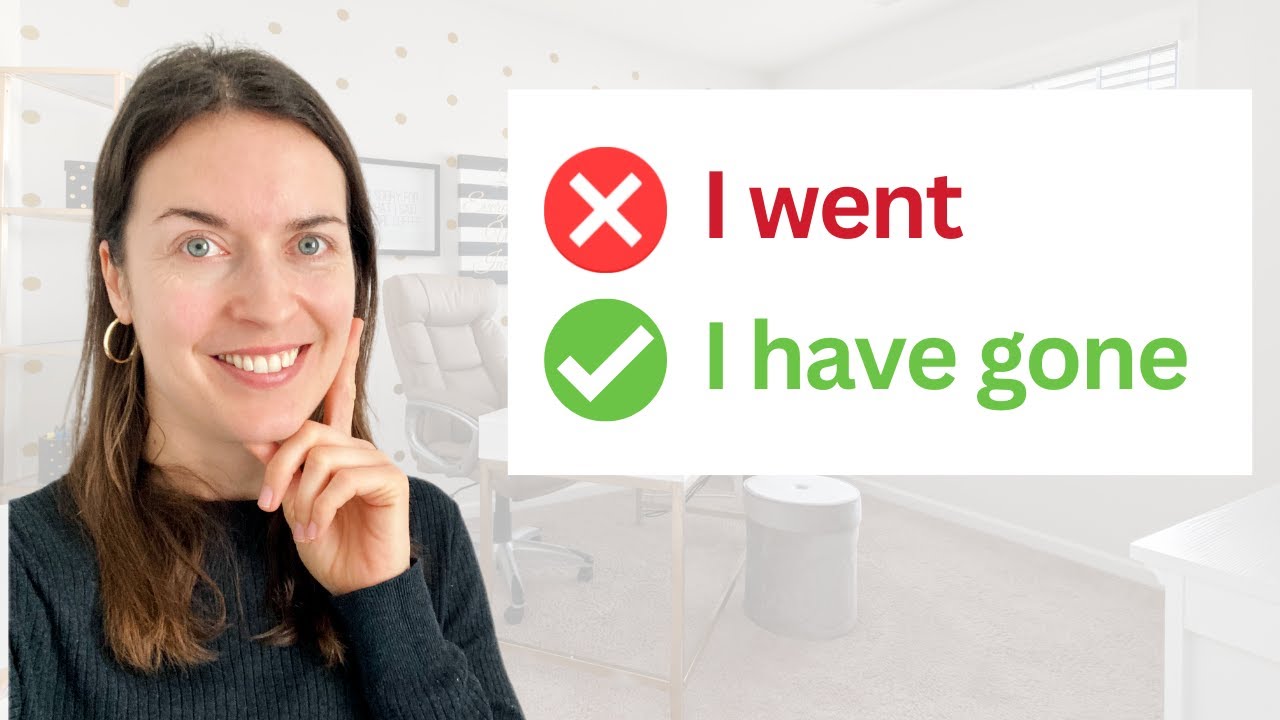
for example i could say this week i have been happy and that's using the verb be but in this case most people have been to a burn supper this is the verb go but without confusing things too much there's also another past participle of to go there is yes to go has two past participles been and gone so what's the difference between been and gone well it depends on where you are when you use these past participles for example i've been to the supermarket if i say this phrase i went there i bought what i
needed and i returned home and now i'm at home telling you i've been to the supermarket but if i phone you while you're at the supermarket buying your haggis and i don't know where you are then i would say where are you josie and i would say i've gone to the supermarket because you're still there exactly i use gone because i'm at the supermarket at the time that i'm speaking that's very very tricky i think it is a little difficult yes basically we use bean when you are not in the place you're talking about and
we use gone when you are in the place that you're talking about okay now in this sentence we also heard most children have learned some poems by robert burns at school that's right so learnt is the past participle of learn and there are two past participles again for the verb learn learnt and learned and is there a difference there's no difference in meaning you will be happy to know but it's more common in american english to use learned with and in british english it's more common to use learnt good okay we have learned a lot
already in this episode but we're going to take a short break and maybe we'll eat some haggis [Music] each episode of the coffee break english podcast is free and you can use our podcast to help you improve your english but there's more that's right we have a full course available on our website which will help you make faster progress and understand everything much better for every lesson we offer videos bonus audio recordings lesson notes with exercises and vocabulary lists in lots of languages all this is available on the coffee break academy so visit coffee break
academy dot com [Music] okay welcome back did you have any haggis in the break josie i didn't have time to make any haggis maybe later perhaps later okay let's continue with our text in recent years haggis hasn't stayed the same because chefs have experimented with it in lots of different ways good so we have two examples of the present perfect and two regular past participles hasn't stayed have experimented just be careful for hasn't stayed we use has not instead of have not because haggis is the third person it's it so has instead of have let's
continue okay they have made vegetarian and vegan haggis and some restaurants have even tried haggis pizza and haggis sushi yes so there are lots of different types of haggis that you can have vegetarian and vegan haggis with no meat which is delicious i have to say okay but i have to say that haggis pizza and haggis sushi for me don't seem quite as delicious yes i agree with you but have you ever tried haggis pizza or haggis sushi no i like to be traditional with my haggis you like to have your haggis your potatoes and
your turnips that's right okay the scots like to have fun with haggis and many people have tried to convince tourists that the haggis is an animal yes so people have tried to convince tourists to make tourists believe that that haggis is an animal and if you search on the internet you can find pictures of a wild haggis and there's even a fake wild haggis in the museum in glasgow yes so uh a wild haggis this means the animal the haggis that lives in the wild it doesn't live in a zoo or in a home as
a pet for example i'm laughing because this is a very very popular story that scottish people like to tell yes we love to well have fun with with tourists and um yes there is a fake wild haggis in a museum in glasgow fake is the same as artificial which we saw earlier in the text and this fake wild haggis is very funny good so if you visit scotland maybe you'll be brave enough to taste this traditional scottish dish yes maybe you'll be brave enough maybe you'll have enough courage to taste haggis excellent i would definitely
recommend it let's listen again to the whole text now have you ever heard of haggis if you haven't it's not surprising it's scotland's national dish but there are some scottish people who have never eaten it this is because its ingredients are quite unusual it is a big round pudding made from a sheep's stomach and filled with a sheep's heart lungs and liver as well as onion oats and spices if that doesn't sound good to you some recipes have recently changed to use an artificial stomach instead of a real one with chicken or beef inside traditionally
people eat haggis at least once a year on the 25th of january this is the date when we celebrate the birth of scotland's most famous poet robert burns and the event is called a burn supper at a burn supper someone usually performs a poem by robert burns called address to a haggis that's right it's a poem about haggis most scottish people have been to a burns supper and most children have learned some poems by robert burns at school in recent years haggis hasn't stayed the same because chefs have experimented with it in lots of different
ways they have made vegetarian and vegan haggis and some restaurants have even tried haggis pizza and haggis sushi the scots like to have fun with haggis and many people have tried to convince tourists that the haggis is an animal if you search on the internet you can find pictures of a wild haggis and there is even a fake wild haggis and a museum in glasgow so if you visit scotland maybe you'll be brave enough to taste this traditional scottish dish [Music] okay that is where we're going to leave this episode if you would like to
get more out of the episode and that use our lesson notes our video version our vocabulary and the bonus audio materials then you can find all of that at coffeebreak academy.com that's right mark and if you'd like to practice your english you can also do so on social media just search for coffee break english on facebook and on instagram where we post regular language challenges and cultural information and this week we'll be asking you about your life experiences using the present perfect excellent okay next time we are heading to canada to talk about sport until
then thank you and goodbye see you soon [Music] you have been listening to a coffee break languages production for their radiolingua network copyright 2021 radiolingual limited recording copyright 2021 radiolingual limited all rights reserved