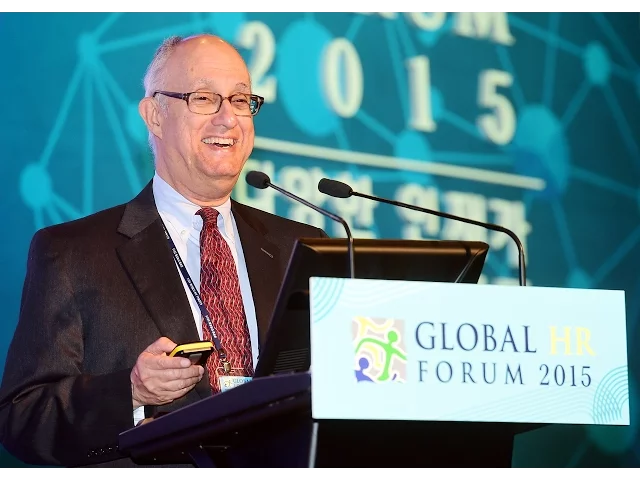
[Music] humberto to Vontae position she's a Kyrgyz Neda [Music] they even sent Shannon's home quad open Jew chick autoclave and a caution go karaoke oh baby a song song in yoga Toyota and insert a row silly notorious Anita Satoru Ronan tray one shake bacon cooks hermoso opinion queso Sugoi hey chicas Anita Hill urban park zero when you go to a gay bar Anita good afternoon welcome my name is one chick joy I head up McKinsey & Company Korea it is my great pleasure and privilege to be able to introduce two distinguished speakers at this very
important forum let me first introduce to my left miss Deborah Gilles she is president CEO of catalyst she has Masters of Arts in political science from York University in Toronto Canada she has had a wealth of professional experience from for experience in the government in Canada all the way to in the business field as a consultant and lately as a leader in an NGO she's also received awards and have been recognized in the broader business community back in 2010 she was one of the people to watch in profiles in diversity journals women worth watching and
recently she was one of the 100 National Association of corporate directors that was selected today she will talk about the importance of making our workplaces inclusive focusing on the topic of women leadership our second speaker will be dr. Jeffrey Pfeffer you heard him this morning he was one of two keynote speakers under the title of leadership crisis fixing the vs leadership with no apology to the title of the presentation as you probably know dr. you probably know dr. Pfeffer is a professor of organizational behavior at Stanford University he received his BS and MS degrees from
Carnegie Mellon University and his PhD from Stanford he began his career at the Business School at the University of Illinois and then taught at the University of California Berkeley dr. Pfeffer has been a visiting professor at the Harvard Business School a Singapore Management University a London Business School a Copenhagen Business School and for the past nine years a visitor at IESE in Barcelona he currently serves on the board of directors of the non-profit quantum deep Healthcare and has been a prolific writer having authored several books the latest of which is called the leadership yes fixing
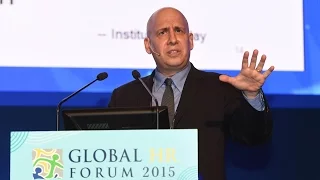
workplaces and careers one truth at a time the book has been out for the last a month and a half it's been widely quoted and referenced in the broader community our second presentation by dr. Schaffer oncreate on building high-performance organizations and cultures thank you it's a pleasure to be with you and it's certainly a pleasure to follow such an amazing talk about the challenges facing women and men and companies and cultures my talk will not deal specifically with diversity though it may actually deal indirectly in its second part with overcoming a barrier to building diverse
workplaces which is kind of overcoming this gap between what we know we ought to do and what we in fact do when I asked when I was invited to come to Korea and this is about my sixth visit and it's an honor again to be with you at the global HR forum my boss at the moment said to me I wanted you to give a talk on building high-performance organizations and cultures and so I will and the theme that Debra talked about though we're going to apply it slightly differently it is interesting how many organizations
particularly in Korea but around the world that they are going to somehow benchmark their way to success that by copying some version of what they believe ge does or GM or one of the other G's that they are going to be successful it is impossible to earn exceptional returns by doing what everyone else does the best organizations in every field ranging from Apple computer to Google to McKinsey do it by finding their own path and I would encourage you in an organization and in an organizational world in which everyone wants to tell me tell me
what to do you know their books out doing it to Google Way you need to find your own way you if you want to achieve exceptional results you need to be willing and able to find your own path there are set of high performance work practices that research over the years the decades actually have shown are consistently related to high organizational performance the great wonderful and challenging irony is that the more organizations complain I need to do better the fewer of these high performance practices they put into place the first policy and the probably the
most controversial in 2015 is Employment Security and a policy of mutual commitment it is impossible to build employee loyalty if you do not reciprocate that loyalty it is impossible to lay your way off to success layoffs do not provide much economic advantage as a cover story I did for Newsweek a few years ago demonstrates many countries around the world believe the secret to the United States economic success is a labor market which puts everyone at risk all the time what I can tell you is that a labor market that puts everyone we're at risk all
the time also builds ill health because economic security is a source of stress and stress is a source of ill health commitment is reciprocal and therefore the first the most fundamental decision of you as an employer is are we going to have or employees for life or employees for a moment or even perhaps less than a moment secondly if you're going to have employees for a long time you obviously want to have employees who fit the organization and therefore you will select very carefully the people you bring in and you will select them for cultural
fit which is different than all being men or women or Koreans or anything else it means that they will share values with the organization with its culture do not select people on the basis of skills which are easily trained as opposed to values including inclusiveness but also including willingness and ability to learn willingness and ability to take risks willingness and ability to care about other human beings that are much more difficult to change than the readily changed skills substained sustain that of substantial investment in training if you are going to have employees for a long
time and if you are going to have employees that are carefully selected you should then invest in them and invest in them not just when times are good but when times are bad as well many years ago I had the privilege of doing management training for Singapore Airways as you know Singapore is the airline that every other airline aspires to be if you got your engagement from Singapore Airlines you could put it in ink even 14 and 15 months in advance because they maintained their investment in their employees throughout the economic cycle training build skills
obviously but training does something else it signals to every human being in the organisation that they are a valued component of the organization's success and it activates the norm of reciprocity if I invest in you you will in turn be willing to invest in me and give me the discretionary effort that the data show is so lacking in many workplaces today oops next and to go to a topic that that was talked about decentralization of decision-making often to self managing teams if you have recruited carefully people are going to be there a long time and
invested in their training it is no point unless you also give these highly skilled human beings something to do one of the keys to success is letting people make decisions it is interesting how we infant allies human beings we take intelligent fabulous sensible wonderful people bring them into the organization and say we've hired you for your skills and experience we've hired you for your wisdom and brilliance and now by the way leave it at the door do it my way delegating to people throughout the organization reduces costs because it permits you to eliminate layers of
supervision it enables decisions to be taken closer to where the organizational action is promotion from within very important component of high commitment high performance work systems we always love outsiders because the outsider is scarce the outsider is different you don't see the outsiders failings and faults because they are of course outside that is why I research that I on a colleague of Don show then we often have a preference for hiring outsiders but when you bring Outsiders in you intentan implicitly send a message to your workplace that says the people here aren't good enough and
they will respond to that message of not good enough by giving up by not being motivated to work by not putting out their best efforts so don't send the wrong signal promote from within if you want people to make intelligent and fabulous decisions the next high performance workplace is the one that has been talked about for a eons which is information sharing open book management people need data to make decisions and when you do not share information with people the implicit assumption is they cannot be trusted and that of course that absence of trust also
becomes reciprocated the final high performance or another high performance where practice pay which is contingent not just on individual performance but what but that is contingent on how well the organization does people who have made your organization successful rightfully expect to have and enjoy a share of the results that they have produced it is a scandal that the average CEO in America makes more than 300 times the frontline worker salary it is perhaps even a bigger scandal that we see organizations such as my friends at hewlett-packard who have gone through CEO after CEO each one
making more than the last one now currently of course running for president of the United States an ex CEO Carly Fiorina as hewlett-packard has laid off thousands and tens of thousands and now hundreds of thousands of individuals it is interesting in the words of one of my former students when he and I had dinner and he had a little too much to drink we live in a world of shared sacrifice the employee sacrifice and I share it is unfortunate but true that if you want an organization to be successful the people who are creating that
success including the frontline individuals producing and selling the products and services must be subject to a pay system in which they see the economic benefits of their efforts and finally an egalitarian culture one with you status distinctions which permits innovation and which permits people to feel that they have a stake and say in the organization these practices work because if you think about them each of them promotes discretionary effort each of them promotes more learning each of them prefers presents and facilitates more sharing of knowledge and therefore collective learning and they all contribute to being
able to be leaner and faster one of the things you might do after today is a self-assessment of how well your organization scores on each of these eight practices and what you might do to improve this is old news the idea that diversity produces more effective performance is in fact reasonably old news everyone in this room knows what to do the problem is we don't do it so now I want to talk to you very briefly about a few ways of overcoming this knowing doing gap and I'll give you three practical suggestions first measure the
gap measure the gap between what you know you ought to be doing and what you are doing it is important to assess the degree of the problem and it is a useful way of measuring the success of your efforts of organizational intervention and change so how to do this construct a list of management practices and actions that fit for your organization maybe 15 or 20 or 30 ask people and the senior management team the extent to which they believe each one of these practices and actions is related to organizational performance on some scale one the
seven not at all related highly related and then ask people throughout the organization the extent to which they think the practices and actions are occurring all the time never you will learn three things number one is their agreement on what we believe is related to economic success if there is not agreement on how important it is to do various things such as hire a diverse workforce you need more conversation so that you all get on the same page number two is their agreement on what the organization is doing interestingly enough when I go to workplaces
and say do you have pay for performance half the room will say yes half the room will say no do you share rewards widely or not half the room will often say yes half the room will say no not only is there agreement often disagreement about what we should be doing there's often disagreement about what we as organizations are doing and finally is the organization doing what we know it should and if not why not measure overtime I give you three examples of examples of organizations that that knowing doing studies not because you want to
use these specific behaviors but because it provides an example this is knowing versus doing in a restaurant chain this is knowing versus doing from a survey of general managers and this is knowing versus doing believe it or not from a korean company that worked on overcoming their own set of knowing and versus doing and the behavior is actively listening to employees widely sharing financial information are just examples you should make up your own list of behaviors that are relevant to your own organization wide organizations don't do what they know there are many reasons what is
it a lack of courage a fear of being different people say I can't do this because everybody in my industry isn't doing it hearken back to the fact that if you are going to earn exceptional returns you need to be able to find your own path measures too many measures and the wrong measures we measure everything and therefore measure nothing focus requires a relatively few key measures is a famous article the magic number seven plus or minus two pointed out you can keep seven things in your head probably - 220 measures thirty measures equals no
measures we often measure what is easy rather than what is important and we fail to pair a cost with benefits this is why you fly on airlines that do not serve food you call telephone help centers where they do not answer the phone where it is impossible to get a telephone installed in the United States because AT&T has lost any of their experienced employees because it all seems like we save costs but of course for every cost we saved there is oftentimes a customer lost and often we measure outcomes not processes if you want to
play golf more successfully you don't need to know how far the ball didn't go or how far it hooked you need to be able to understand grip pressure weight shift and shoulder rotation the processes that determine the length and straightness of a golf drive we don't do what we know we should because we have an absence of an action orientation we love to talk rather than do we often don't do what we know because we are fearful we're afraid of losing our jobs or afraid of telling the truth we're afraid of conflict we're afraid of
not being liked we suffer from a victim mentality the global economy is moving against us or currency is moving against this oil prices are up or down or wherever they are and therefore we feel we are not in control of our destiny and of course in many organizations there is excessive internal competition we are committed to the past we'll talk about overcoming commitment to the past and a minute and oftentimes we believe our answer to performance problems is not to fix the problems in their root causes but just to do more of the same like
hamsters on a wheel you can avoid being trapped by your past by starting a new unit by using dramatic means to break with the past or building an organization where people constantly question precedent which is something you ought to be doing first suggestion measure the knowing doing gap second suggestion in your organization engage in a sacred cow exercise and mitel R&D employees spent three days only would take you three hours identifying the rules rituals and attitudes that stood in the way of doing things fast the list filled 71 pages every participant had to figure out
two personal things that they were going to change and when they were going to do it and then the session ended with a beef barbecue design your own sacred cows exercise what's your biggest priority building a more diverse workforce being faster being a technical leader being customer focused whatever it is figure out your particular strategic priority then ask what stands in the way of your doing it being faster being more diverse paying customer focused being an employer of choice whatever that strategic priority is what stands in the way management practices cultural values taken from granted
ways of doing things beliefs measures attitudes whatever it is brainstorm make a huge list then prioritize which of the three things that you have identified would make the biggest difference to achieving your strategic priority if you changed it and then develop an action for action plan what can you and your colleagues do to affect these top three priorities who's going to take responsibility for doing it and by win it is easy to leave conferences like this filled with good intentions we're going to increase our diversity we're going to become a technical leader we're going to
treat our employees in ways that build employee engagement and then five minutes or five days after you walk out the door it all falls away identify what is standing in your way of accomplishing what you need to accomplish and then having identified what stands in the way figure out who is going to change it and by win and let's leave the past behind you also want to drive out fear encourage open communication give give people second and even third chances admit that leaders are fallible as well David Kelley of I do product development announcing a
new organizational structure this is the best I can think of right now the only thing I'm sure of is that it is temporary and it is wrong many of the people in this room I'm sure have children some of your children may have disappointed you none of your children got fired you should think of employees who disappoint you as a developmental opportunity not as an opportunity to get rid of them to go back into the same labor market from which you've drawn them and hire again learn from and even celebrate mistakes and of course do
not punish people for trying new things everyone wants a learning organization but no one actually wants an organization where anybody learns anything because by definition learning means doing things that you are not a very proficient at measurement problems cut your number of measures down measures should be global in scope focusing much less on individual performance and instead focusing on the factors that are critical to the organization's success and mostly measure processes when you look at great doctors and unfortunately as you get older as I have I have lots of doctors who work on me the
best doctors have processes that ensure success they are not just more skilled than the average doctor but they have checklists and processes that ensure high levels of performance that is true inside your workplace as well you need to build processes monitor processes and measure adherence to processes when Stanford healthcare the hospital associated with Stanford University went from being one of the worst hospitals in California to one of the best in the United States it did so not because our new CEO is amazingly charismatic not because he's a genius though he's very clever but because the
transformation was built by a set of processes that ensure outstanding performance for every human being every day on every shift measures ought to reflect your business model your culture and your philosophy so the fact that your measures are the same as everybody else's measures ought to cause you pause this is not true for now for financial reporting measures which obviously all need to be the same but we're talking about internal measures to guide your own improvement efforts if you have values measure the values if you have a philosophy and culture measure adherence to that philosophy
and culture and the measures should evolve over time as you learn one of the things you might do as you leave here is think about what do you want to happen in your organization how would you know if you're successful what does success really mean in a deep fundamental level how would you know what's happening what are the indicators of success at the end of the day what matters as we try to build high performance cultures at the end of the day frankly what matters if we try to build cultures that embrace men and women
what it matters at the end of the day when we think about building workplaces where human beings can have long and productive lives not where they are being killed by overwork workplace stress work family conflict all of which by the way have profound health as well as performance effects when you think about building the organization and an organization that is successful in high performance at the end what fundamentally matters is your philosophy and perspective in order to have different results it is necessary fundamentally essential that you do different things but to do different things on
a consistent basis it is about how you think it is about thinking differently it is about thinking differently about the role of women as we've already heard it is thinking very differently about the role of work hours something that we definitely need to do something about in Korea which I believe is number two in the world and long work hours it is thinking differently about productivity it is thinking differently about your customers it is thinking differently about your employees who are in fact not costs but the key to your economic success and the key to
your competitive advantage so if nothing else you ought to think today about how you measure your knowing doing gap about the sacred cows exercise to identify your barriers about building a set of measurements the most profoundly how you think about where success comes from and the nature and philosophy by which you are going to run and live in your organization thank you very much [Applause] thank you doctor Zephir I think the the knowing doing gap really struck the court for me personally and his suggestion for specific things that we can do to find the gap
and and close the gap I think resonated probably a lot with what most of you we do have about 28 minutes left I think sufficient time for as many of the questions that I just got in my hands I couldn't honestly go through all of them at the moment but I'll try to get as many of them responded to by our two speakers here but just to be upfront it there probably will not be enough time to address all of them and I do hope that the the organizing team here will be able to follow
up on the questions that that I have in my hand let me first they ask you one maybe perhaps opening question to maybe both of you and then I'll go through the questions to buy myself some more time to process these I think many of the things that you talked about the importance of inclusive workforces the importance of decentralized leadership the importance of having self managing teams the importance of having a very reciprocal mutual trust based environment makes a lot of sense in terms of the to be of many of the organizations there are in
Korea I think one contextual challenge that many of us here feel is that in order to make that shift companies are actually going through a lot of challenges on the business side based on our own allowance analysis from 2002 to 2011 top 100 companies that are listed on the Korean Stock Exchange grew on average every year about 11 percent in terms of their top line that number fell to 1 percent from 2012 onwards so it's not unique to Korea in this low growth environment that many Korean companies face and on top of that the complexities
the uncertainties that require Korean companies to be more agile more innovative how do we make sure that we don't look at the inclusive workforces and creating high preferring high performing organizations as trial priorities how do we make sure that we take on these agenda topics in a way to address the challenges we we face on the business side as well could I ask each one of you to quickly respond to this thank you Thanks it's a really interesting question and I think in some ways we had a really good answer to this from the presentation
we saw this morning about Corning and we saw statistics about how that company was facing many challenges but the investments in people and processes and innovation and development of new products was critical to that turnaround in success so I'd answer simply and say the kinds of changes that both dr. Pfeffer and I talked about in our presentations give a pretty compelling case that to not invest in your people and in the kind of workplace changes that we've both described are what's going to hold companies back in the long term because the the business case the
data is really compelling that in a knowledge driven economy investing in people and creating environments where people can be successful can innovate is what's going to drive value ultimately for organizations first of all I avea slee agree with that and secondly I hear people tell me all the time that they're facing business challenges and I they often use this as not that they're not facing business challenges everybody's facing business challenges but they use this as an excuse for putting off doing what they know they need to do I don't believe anyone reaches the age of
adulthood without thinking of the 10,000 reasons why they can't do what they know they need and so when I look at successful leaders people who have to people like Amir Dan Ruben who transformed Stanford health care people like my friend Laura Esserman who's transforming breast cancer treatment not only in the United States but literally all over the world these people like my friend Rudy crew who's transformed educational systems the one quality that all three of these individuals and a bunch of others have in common is they never accept excuses for why things can't be done
so they would say sure growth is slow but the only way we're going to speed up growth and become more economics economically successful are to do the things that will put us in place to have the innovation and employee engagement that will in fact make us successful thank you very much let me now go to the questions that I have in my hand I have attempted to actually merge some of these questions and the first one I would like to ask on behalf of the people that have asked the question is to dr. pepper one
of the high performance management is to promote from within the organization don't you think that organization sometimes needs outsider to inject fresh new thinking and challenge the status quo and a related question to that is in doing so not just the skills but in terms of the chemistry the fit with the culture and values is very important can you recommend some specific tools or ideas in making the right right right choices so I'll answer the second question first there is my colleague Charles o Reilly at Berkeley with along with Jennifer Chapman it's actually Charles was
at Stanford Jennifer Chapman is at Berkeley have a cultural assessment questionnaire I think it's called the CA Q which they will sell you but you can Ave fine for free like many things so and this is around alignment around value and hiring people so first you need to measure your organization's values and then you need to hire people who fit those values once you understand what your organizational profile is that's the answer the first question the second question the first question I always find interesting because it presumes that the only way anybody ever gets a
new idea is by being imprinted it's some early stage in life and that and and that you cannot be innovative unless you bring in people from outside first of all that there's no empirical basis for that you know it's it is related to another idea which is I've gotten older I particularly don't like which is that only young people are able to innovate I like I like to believe that my research has changed over time I like to believe that I have new ideas even though I haven't replaced my genetic material oftentimes when you bring
in people from outside the organization with this idea that we're going to bring in these new innovative ideas the first thing unless those people have a lot of political skill and ability the first thing they will face is rejection because it's very much like putting a splinter in your finger the the organism likes to reject those from outside so one of the advantages of having innovation come from inside the organization it is more likely to be accepted but this idea that you have to bring in new people for new ideas is interesting oftentimes new people
have the same old ideas and people inside the organization can come up with new ideas just as well as outsiders I just want to share something that I shared with dr. forever backstage in catalyst 53 year history I am the fourth president of the company and the first internal successor and when I was introduced to the staff by the chair of our board of directors with the decision that I would be the new president and CEO of catalyst I looked at my entire team and said it's my hope that my success is in the room
today the look on the face of my team when they recognized that they too could aspire to be the CEO of the company they worked for was an exceptionally powerful moment and to the notion of you you know to the comment that all good ideas come from the outside what I did in stepping into the role in an organization that I had been with for several years was I took what I called an informed outsider's perspective and I engaged in an exercise of meeting individually with every single member of the team to ask about what
they hoped that we would keep what they hoped we would change what their ideas and aspirations were for the organization and that process allowed ideas to help kind of form and trickle up and certainly inform the ideas and perspective that I brought to my new role as CEO so I just want to echo very much what dr. pepper just shared thank you very much that segues very nicely into a very thoughtful question of from a high school student who's actually here so if we can unleash a lot of the potential from within the organization the
question is in all organizations there's diversity and many different types of people different thoughts different styles at the same time if you listen to their opinions it's very difficult to reach alignment so how do you increase participation but at the same time make sure that the organization is brought to consensus to move forward I'll start on this one so I like to say that diversity is a fact in organizations inclusion is a choice and the kind of inclusive leadership that I talked about in my remarks really speaks to how do you ensure that the voices
and perspectives and ideas and unique experience of all individuals has an opportunity both to be voiced in her and to be acted on and so making that shift to not just counting how many diverse people we have but to are we actually changing a different workplace culture that builds on those behaviors that I talked about in the some of the practices that we heard as well I think is really critical to making that shift and of course there's lots of ways that you can do this because this question came from a high school student I'll
share that one of the first things that I did after becoming CEO of catalyst was create what I call an millennial employee resource group I meet on a monthly basis with all of them and millennial employees of our organization for two reasons to help me better understand how to create a workplace that is the kind of workplace where they enjoy their work and feel fulfilled and secondly to directly hear from them their ideas about what we need to do to ensure that our work and programs and messages are appealing to that generation of young men
and women in companies around the world that's one small example of the kinds of things that when you practice inclusive leadership with an intentionality around hearing different voices and perspectives that that can have in a company alignment is the job of senior leadership and it's one of the most important jobs alignment begins with creating some vision that everyone can get behind in the case of Stanford healthcare it is healing humanity through science and compassion one patient at a time if you are not aligned with that you're probably not going to stay very long at Stanford
healthcare than it is figuring out what does that thing mean for every department inside of Stanford Hospital what does it mean to say healing humanity with science and compassion one patient at a time what does that mean for the people who transport patients what does that mean for the people on the telephone what does that mean for the people who are providing nursing care and in each unit and each part of the organization it means coming up with measures how would you know that you are succeeding how would you know that you're doing a good
job maybe this is patient satisfaction measures maybe this is preventable infection measures maybe it is whatever it is but it is but the idea that diversity is somehow in contradiction to alignment I don't agree with it all I think you're gonna have an extremely diverse workforce with a set of very diverse ideas about how to achieve it but all aligned around a set of mission values goals and measures and then make sure that you are living what you need to be doing and providing in this case the best possible health care or in other cases
the best possible travel experience are the best possible grocery shopping experience to take yet another example that you can possibly be providing thank you very much seems that between diversity and alignment there certainly seems to be many different ways to get the best of the both worlds including inclusion as miss Geller said let me switch gears a bit and go to the topic of inclusive workforces workplaces rather and women leadership one question is as follows in my company more than 90 percent of team leaders are men as a women officer of HR how could I
improve the situation that's a very broad question but it's followed by more women [Laughter] so there it comes a more specific question please give me some tips to women who want to perform well on their companies thank you was the question and if I may I would like to also maybe tag along a question that I would like to ask you personally we are also an organization globally we have launched and have been implementing an initiative called all in it is a conscious effort on our part to pay attention to the importance of women leadership
within the context of McKinsey one of the first things that we're trying to do is to have everyone not just women but men in particular to understand why the unconscious biases that we have in our behavior mindset interactions create the kind of barriers to achieving the kind of state that we need to get to in terms of women leadership so we paid a lot of attention to the importance of men making that mindset and behavioral shift so the question I would like to add to the end is please also give some practical tips to men
in Korea and in workforces to also support this this cause okay there's an hour's worth of questions good one so to the first question of to the HR leader who said most of the management positions in your company are men this is not an unusual situation in many organizations the number you cited is very high but we typically see women entering most workplaces at roughly equal to men and then their representation in management and leadership positions declining as you get higher up into the organization and we've seen some pretty clear reasons to help explain why
that happens and this is true the the facts that I'm going to cite for you are true even when women don't have children okay you heard me say earlier in my remarks that men and women often have very different career experiences when they come out of MBA school so let me give you some examples men are much more likely than women to have access to the highly placed sponsors that I talked about those individuals who offer assignments or recommend them for promotions etc so women need to have sponsors and you need to ensure that sponsorship
is being fairly given to both men and women in your organization secondly our research shows as many in this room would know that a lot of professional development is driven by the experiences that you have on the job what kinds of opportunities projects assignments you get to do again our research shows that men are much more likely than women to get access to mission-critical hot jobs international assignments projects with large budgets projects with large teams so even in cases where you're trying to give fair development opportunities to both men and women not all assignments are
created equal and in fact most of those big assignments that offer visibility and mission-critical roles tend to be given more often to men so take a look at what's happening to the opportunities that men and women are being given third men tend to be promoted based on potential I think he'll do a really good job I think he's ready to do this and women based on performance if she hasn't done it before she's less likely to be given an opportunity to take that career advancement role ensure that your talent development and promotion decisions are equally
benefiting men and women and that those unconscious biases that come into play are not adversely affecting women and the opportunities that they receive data is really important know where women are represented know if there are differences in terms of the promotion rates of men and women for example understand how long women sit on high potential slates but never seem to get the promotion look at the data things that men can do training is really important understanding and confronting unconscious bias as we do with some of the work that we lead with mark leaders is really
important being role models is really critical so these are just simple things that men can do if you leave the office at the end of the day that sends a signal to others if you say I'm going to pick up my kids or I'm going to attend a dance recital or whatever it might be that message is really important for other men men's experience in workplaces is greatly influenced by what they see other male leaders doing and so a few role model behaviors like taking paternity leave or taking time off or leaving the office it's
really important as I said in my remarks sponsor a woman in fact our research shows that one of the key factors that motivates men to be a champion of diversity as if they have been in a reciprocal mentoring relationship with a woman so come together and those kinds of partnerships is really important for women I think it's really important that we learn how to raise our hands more effectively to ask for opportunities to seek out the mentors that we need to give us advice and it's also really important that we're comfortable with seizing opportunities for
the visibility that we need and projects and assignments so that we can earn the sponsorship that I talked about I will say that in all of these cases certainly for women the sponsorship and the support that you need to advance is earned it's earned based on your performance and doing a really good job but you need to be positioned in a way that you have the opportunity to gain visibility to those leaders who can then help you so I teach a class at Stanford called the paths to power it's basically about power and politics and
organizations I believe the book on power has actually been translated into Korean it is a course which is quite counter cultural and is certainly a course that is very very both popular at Stanford but also I think challenging to many of the underlying assumptions I believe that both men and women need to build power skills something that is not taught in many schools and that is taught almost not at all in company leadership development programs even though if you ask senior HR people why do people suffer career derailments but men and women it's because they
can't manage the organizational dynamics the organizational politics so so even though this is a kind of an interesting knowing gas don't like doing gap even though we understand the power skills and the ability to navigate organizations is essential for success more so probably for women than for men but for both we don't teach it and I think that's a problem but it is a problem which is readily solved and my book is available on Amazon I will say you heard me in my remarks say that when you're trying to navigate through organizations relationships are critical
you can't play those power games or office politics if you don't have relationships and know people so again this skill of investing in relationships of getting to know people is exceptionally important and so the whole notion of networking both internally and externally is often kind of dismissed as not you know kind of a frivolous thing in fact it's critical because relationships are what going in what will often make the difference and women in particular I think suffer from what I often call the good student syndrome we believe you know put your head down work really
hard do a really good job and someone will notice you and offer you a big promotion or the next job your performance is the starting point for your advancement it's the people who know you who see you have and have that opportunity to advocate on your behalf that are going to make a difference so invest in those relationships it's a critical skill and certainly that skill is not only important to you internally in navigating your organization but your ability to work effectively with others outside your organization your clients your customers your stakeholders whoever it might
be that's critical to your business success is also going to contribute to your demonstrated leadership abilities to advance in the organization thank you very much one question back to the doctor ever there are many changes happening in in the world of employment changes in the form of employment due to changes such as those in lifestyle preferences and changes in ways of working thus new forms of employment such as digital nomads and also free agents are are here given these changes how should corporations think about these changes and what can they do to here the question
says coexist but also to take advantage basically of these these changes for them and for their employees so there are definitely many new ways of working many of them are not very helpful to the people who are working in these new ways I do not know the history are certainly the context of Korea I can tell you in the United States where health care is delivered even with Obamacare mostly through employers where retirement is provided almost exclusively through employers where unemployment insurance means in order to get unemployment insurance you had to have had a job
in the first place where employee assistance programs such as smoking cessation mental health substance abuse alcoholism programs are all offered only to employees the idea that we are somehow going to become an agent of a nation of free agents and this is going to be Nirvana strikes me is pretty much the opposite of what is in fact going on a cowing for whose book I've endorsed and I've now my brain is somewhere between here in San Francisco but that the author of the book of Stephen Hill and it's a book that just came out which
talks about the profound social and health consequences of this free agent employment and I can tell you they're pretty severe economic and security not knowing how much you're gonna make from week to week is a source of health stress and certainly the ability to access health care in a in a country where health care is accessed mostly through your employer to not have an employer means your health status is also going to be compromised so many people I mean I've I'm part of some Silicon Valley group and I hear the the the wonderful stories about
you know the uber ization of everything and it's all going to be wonderful and then you know I say to people show me the data and there are none thank you very much looking at the clock and we have I think time for probably with just one more question I would like to actually give the floor a chance to to ask a question in case you haven't had a chance to submit your question I do see people standing to basically give you the microphone if you have a question that you would like to ask you
know this is a good time and you will only have one chance to do it in the session hi I'm Raymond I'm working with Professor Triplets of Stanford Law School and we're working on business human rights as well as sustainability my question for you is that according to your career path so far how much do you feel global initiatives including the UN Global Compact the UN guiding principles that NOAA city guidelines have actually helped you change workplaces to become more inclusive and diverse and by doing so create shared value thanks very much for the question
you know there's initiatives like those that you just talked about and there's other initiatives that range from as I mentioned in my remarks complier explain models regulation etc around women's representation I personally think the value in all of these initiatives is that they're changing the dialogue they're reinforcing the fact that women's economic empowerment in workplaces and societies is not just a women's issue this is a business issue it's societal issue it's an issue that everyone has a role to play and so while progress remains much slower than certainly I'd like to see I do think
that conversation and the attention paying to the issue on a global basis is shifting significantly and that gives me optimism for the future that we're going to start to see acceleration in the pace of change thank you very much I think we're just out of time I would love to be able to go through all the questions but I think that's all the time that has been given to us first of all I would like to thank our two speakers and and all of you for participating in this session as a very short closing remark
we all know that Korea is a country and Korea as the business community and as individual corporations are at Crossroads we have entered three years ago a prolonging period of low growth we're also not immune from global uncertainties and complexities but yet we need to drive our organizations for better performance I think we got very good tips from our two speakers today that creating inclusive work working environment as well as focusing on designing high-performing organizations is not in a trade-off situation to the priorities that we often face on a database day to day basis the
business side this is really the shift that we all need to make and I think we should probably walk away with a sense of comfort that this is not just a shift that we're making in Korea these ships are actually happening globally and I think we're in a good company in that point of view so thank you again for being here and once again thank you very much for the two speakers let's thank them with a round of applause thank you very much