a clear 30 60 90 day plan gives you a much better chance of delivering value-adding results in your first few months of a new management role and you'll have less stress and anxiety along the way in this video we're going to take you through firstly when you should create your 30 60 90 day plan and we're going to cover seven key areas that you should include in your plan no matter what business you're joining and at the end of the video we'll give you our recommendations for further reading and where you can find example plans
my name is jess coles and i've had to deliver quickly in many jobs including multiple turnarounds and high growth situations at manager level to direct level and a plan has really helped me if you're new to this channel enhance.training provides online business courses to help professionals managers and business owners improve their performance if you like this video then please give it a thumbs up subscribe and share it with friends i am sharing my tips and experience of creating successful 30 60 90 day plans a plan is particularly useful for managers and leaders going into a
new role and a plan will make your early months easier and more successful and to give you a bit of background a survey of 210 fortune 500 companies found the average mid-level manager takes 6.2 months to become a net contributor to their organization 6.2 months before the value they create outweighs their costs and imagine the benefits of getting that 6.2 months down to say three or four months how pleased would your manager be would you be earmarked for a high achiever list for example as we know first impressions count and those first few months impact
the rest of your time in the new role two obvious points to create a clear plan for a new manager or leadership role are firstly during the interview process i mean a typical interview question asking about your plans for the first 30 69 day often separates the good managers and leaders from the okay managers and leaders if you're going for a manager level role spend some time preparing for this question in the early stages of the recruitment process you won't have that much information so your planning might be fairly generic but as you progress through
the interview process and learn more your plans should become clearer and more detailed and if you don't prepare for this question and it is asked you could easily be out of the running so don't get caught out the second obvious point is as you start a new management or leadership role i mean well done for getting that role or getting that promotion the excitement is great the pressure to deliver in your new role is a little less so but getting a good plan in place will really help reduce the stress and anxiety you might have
about delivering hopefully you created a high level plan during the interview process so now it's about refining that as much as possible before you start your new role and of course to do this you'll need probably more information so think about how you might get that for instance ask for information to be sent to you go into the office for a day or two and meet your team and your colleagues go through the company strategy and the goals and work out what you'll need to deliver as a team to support these take any actions that
allow you to have better quality thinking time before you start your new role and of course update your plan add additional detail to your 30 60 90 day plan and make changes based on any new information you can get match your plan to the situation this is really important most of us want to deliver value to the company as quickly as possible some areas of your plan will be common to all companies such as building relationships with colleagues other areas will be specific to the company and the role that you have within the company make
sure your plan is tailored to the situation some areas for you to think about to tailor your plan include one what is the strategy of the company two what part does my team play in delivering this strategy three is the company in a steady state situation in a high growth or a crisis situation and how this impact my priorities and four what are the key deliverables from the team to the other areas of the business five what are the key priorities for the team now and what are the ongoing priorities six what are the immediate
pressures on the team seven what projects are the team involved in delivering now and eight do i have enough resources and the right resources to deliver the results needed how quickly you need to make an impact should also be considered in situations like startups or turnarounds you need to construct new ways of doing things and quickly but when the business is in a steady state situation you have more time and only incremental improvement is needed not wholesale change set clear goals for the team and individuals when you are clear about what you want to achieve
with the team you can then set goals and objectives for each individual and the team overall much more easily and by setting out your expectations and explaining why you have chosen these goals and objectives it provides the to each team member with the direction of travel they can then focus their efforts on achieving the goals set out an even more inclusive step could be to explain where you want to get to and then ask the team to create the steps and milestones of how to get there this creates even more buy-in as the team members
own the plan alongside you in every new role you'll need to build new relationships it goes without saying if you have been promoted you will have to change how you are perceived within existing relationships which can be a lot harder when you start a new role think about how you want to build your relationships with your team your line manager and their peer group your peer group any other stakeholders of your team's output and those that supply your team with information etc if you are new into the company building relationships should be one of your
first priorities after all you'll have to rely on these relationships to do your job well here are four of our tips to start firstly book in one to one meetings with all of your team members two hold regular weekly or monthly team meetings with a consistent agenda three book in one-to-one meetings with all stakeholders you will work with or want to work with and four invite individuals or small groups to a coffee or lunch to get to know them in a more personal informal setting when you're building relationships work on both the professional and the
personal aspects your success as a manager or leader of a team will depend on the success of the team overall when you first start your new role we suggest these four areas to consider firstly work out the strengths and weaknesses of your team members and do this quickly secondly identify any skills or experience gaps within the team and create a plan to address them three set out your expectation for the team for behavioural expectations you must live and display these behaviors first actions speak louder than words and if you're not prepared to follow the expectations
you set why should your team and four deal with poor performance or poor attitudes constructively and quickly do not put off taking action if you have these problems within the team and i know from personal experience that investing in your team produces great returns put in place a program to develop the skills and ability of your team four suggestions include one formal classroom training courses two informal or on-the-job training three mentoring and coaching and fourth buddy systems where an experienced team member helps a less experienced team member the better your team in terms of what
they deliver and how they deliver it and in terms of attitude and culture then the better your management and leadership will be viewed by your boss and their peer group nothing helps your reputation and that of your team more than delivering results the quicker you can deliver results the better you are new into the role and possibly the company so you're in the best position to ask lots of questions and challenge the status quo use your fresh eyes to identify improvements i'll bet there'll be plenty to go for listen to your team and those around
you for clues to what is working and what is not working and follow up and investigate what is not working but is there an opportunity for a quick win for all keep asking people what should we keep what should we change and what should we stop this question gets people thinking and it isn't too risky for that person to provide answers to their manager improve the processes approaches and areas that are causing the most problem first and involve the team in doing this as i'm sure you know a relationship and trust are needed to persuade
people to do things especially new things there are a lot of ways to approach building both how will you go about doing this one of our favorite tips is to provide help or do favors for your stakeholders if you deliver for them they are much more likely to deliver for you when you ask for a favor in return and also staff members do tasks much more quickly and usually do them better for those managers they like being friendly diplomatic approachable and willing to help can win over a lot of staff members happy to help you
in return always manage your own behaviour and how you come across very carefully finally within your plan set out how you're going to measure your progress with each aspect of the plan how will you know if you're making good okay or poor progress building milestones and hold yourself accountable for progress i mean often you don't have to share these with anyone else this is for you and maybe even reward yourself for each milestone past even if it's just a small gift to yourself or whatever works to keep you motivated and focused on hitting your milestones
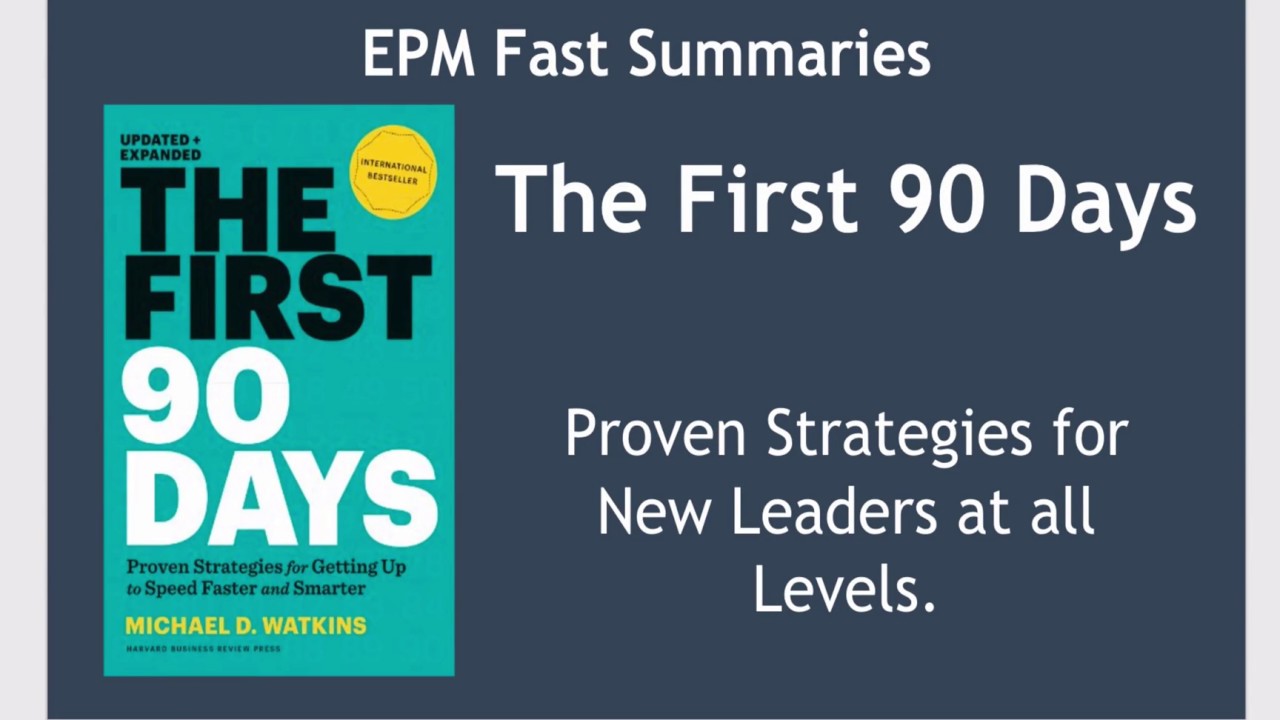
and goals and for further reading we recommend the first 90 days by michael watkins this excellent book provides lots of great advice and examples of how to create and achieve a great 30 69 day plan and it gets you off to flying stars in your new role and remember spending a few hours planning out your first months at the start of a new role will be a huge help for your success make the time and visit us at enhanced training and select articles to get examples of 30 60 nice day plans and if you like
this video please hit the thumbs up button below and subscribe and hit the bell to get notified of our weekly video releases this really helps us produce more videos to help you thanks very much for watching and i look forward to seeing you again soon you