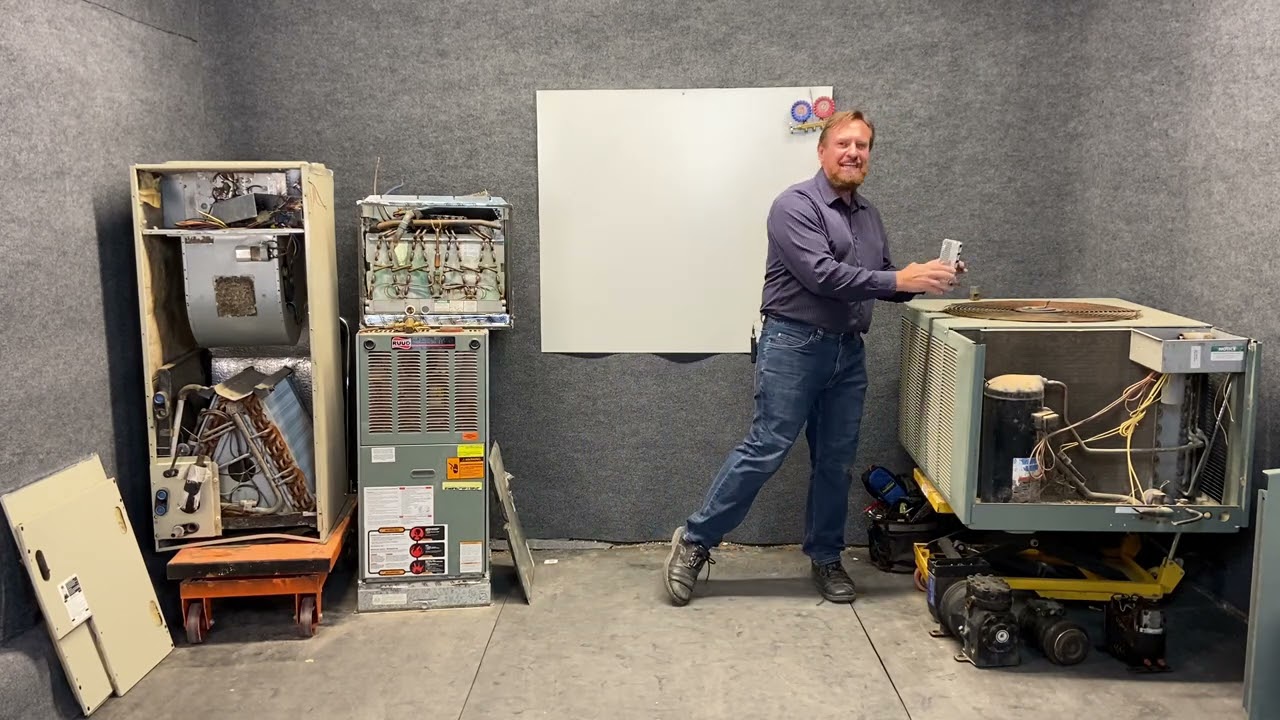
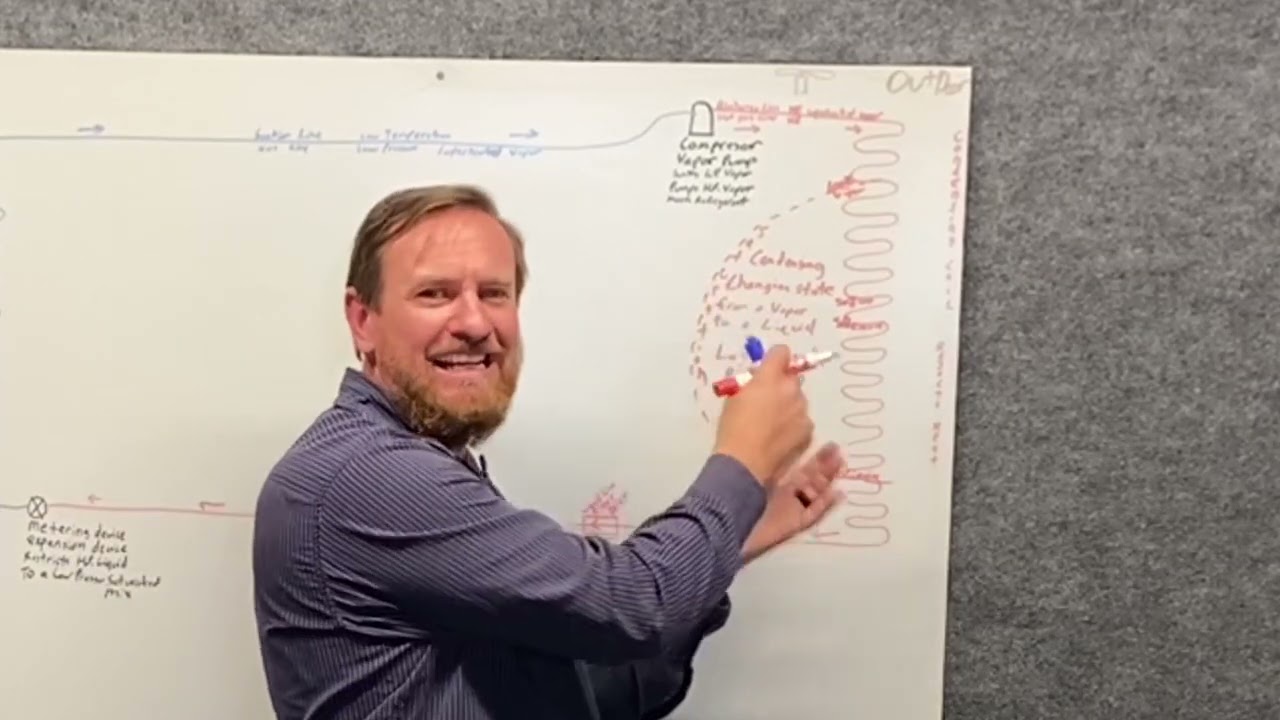
we talked about our compressor vapor pump we talked about our discharge line hot gas line we talked about our condensing coil so the refrigerant went into the condensable in three locations and the refrigerant comes out of the condensing coils three locations we go back into the very bottom of the condensing coil and here's where our next component comes together there's one pipe going back in we got one pipe coming out and this pipe right here is called our liquid line and luckily it's the only line that has one name so what we're going to do
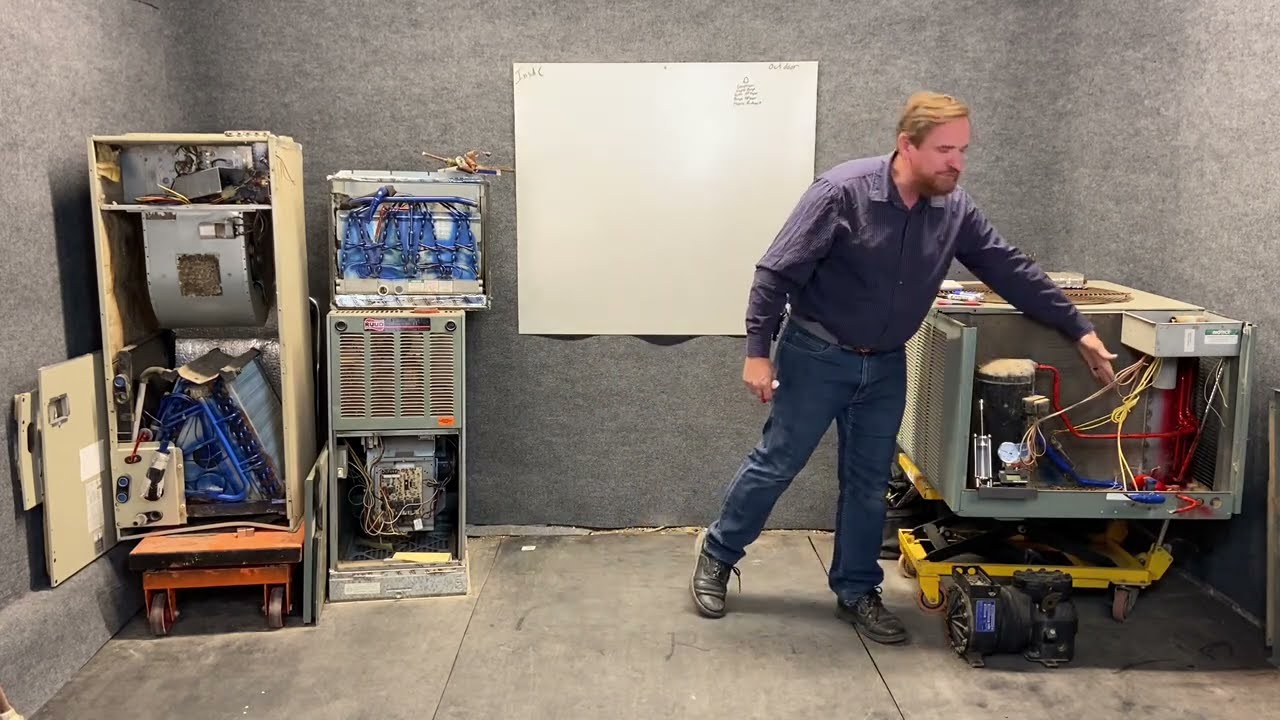
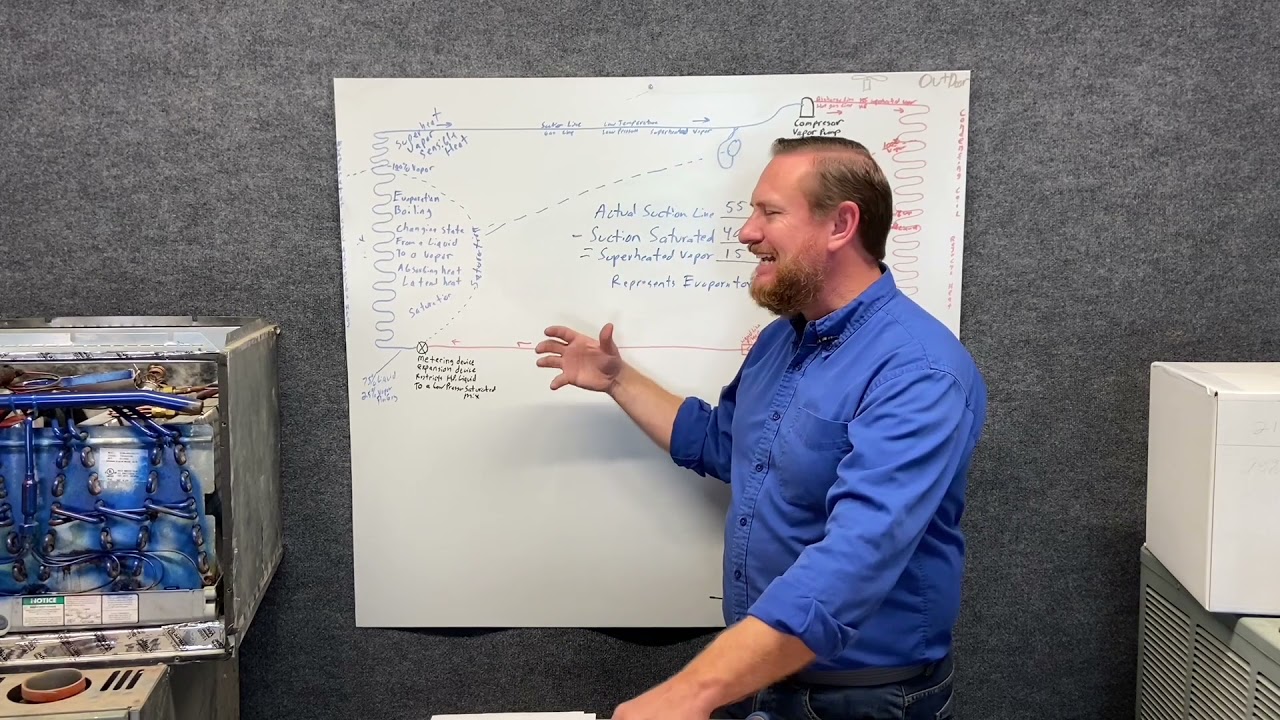
is we're going to draw the line coming out of condensing coil we're going to take it all the way across our paper to the other side and we're going to write over here liquid line and we're going to draw this in red because it's going to be high pressure and we're going to add more notes to this later so don't get hung up and that's the only thing we're going to have but notice how this line is red it's not going to be painted red in the field i painted to show so you can see
it and also drew arrows so we're going to do in our drawing is we're also going to add the little arrows so we make sure we know which direction it's flowing so our refrigerant though we also see there's this other component right here this component is called a liquid line filter dryer and since it goes on a liquid line it's officially an accessory but it's a mandatory accessory we're going to go ahead and talk about that now so here i've drawn the arrow so you can see the liquid refrigerant leaving the condensing coil and it's
going into this component now this component comes with an arrow already this is on the tag so this filter jar has a direction in this case it's flowing away from the condenser towards your next component we're going to show shortly this liquid line filter dryer can be anywhere on the liquid line this particular manufacturer put it right here in the outdoor unit sometimes you'll see them in the middle on the line set somewhere outside of the unit or even before the median device inside but as long as this is on the liquid line that's okay
now several important things about this anytime we open the system for any reason we replace this liquid line filter dryer it's a very important thing that we have to do and take care of there's many different styles of liquid line filter dryers but ultimately its job is to filter the refrigerant there can be moisture inside refrigerant now refrigerant itself is a liquid when you talk about getting moisture out we're not talking about getting liquids out we're specifically talking about h2o so the refrigerant is going to go into our liquid line filter dryer here and then
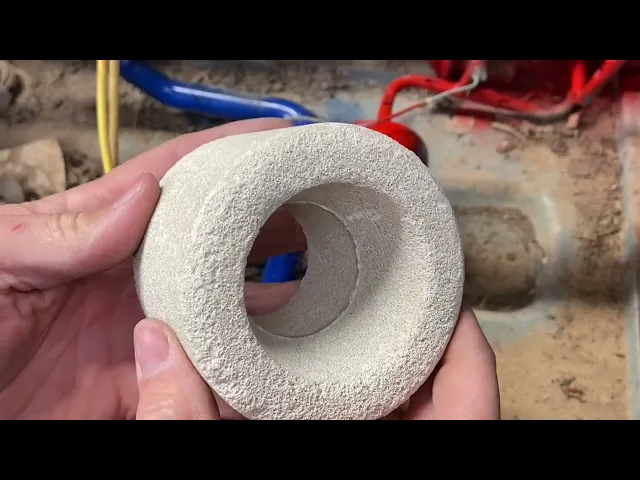
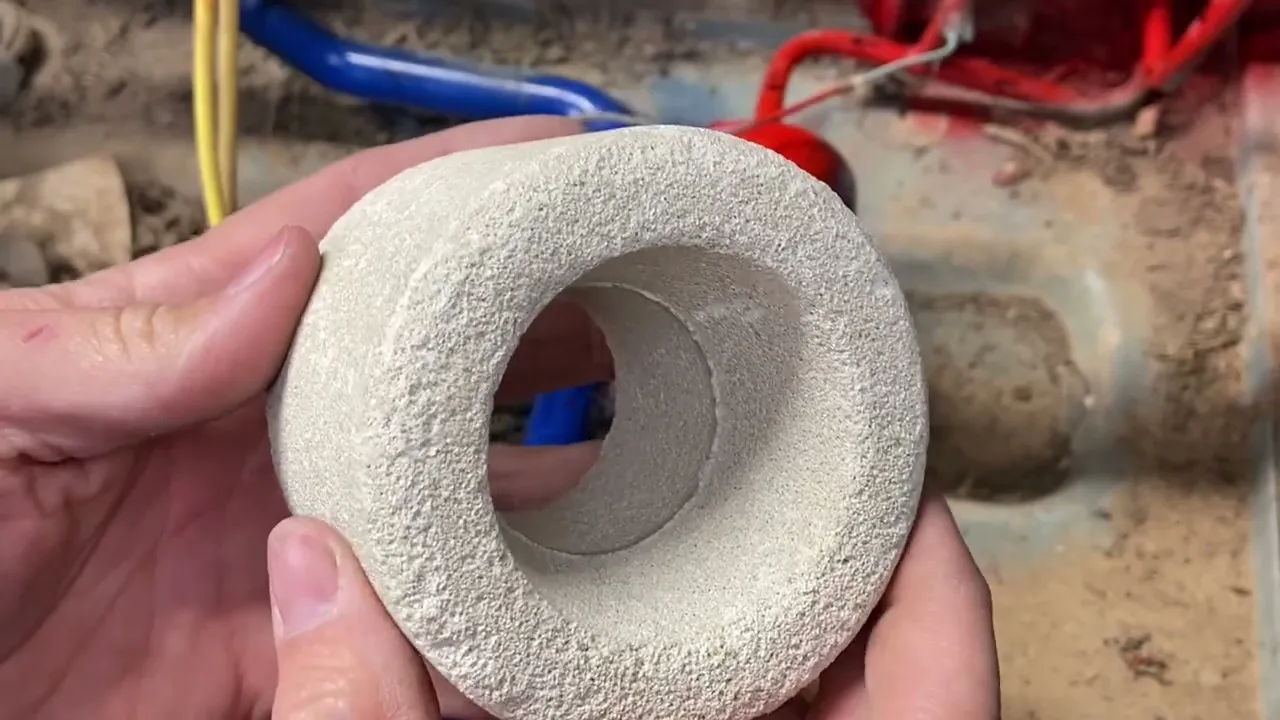
it goes all the way around on all the different sides it goes through this rock type material that's porous and it's going through this rock type material it's actually filtering it and it's pulling out any h2o or moisture now we say moisture it can only handle a very very small amount but it's dehydrating it think of those little packs you get when you buy something from china that keeps the moisture keeps it all dry that desiccate material this is also that desiccant material so the refrigerant flows from the outside edges to the very center then
it flows to this little filter material here and it carries on through the line this we call a solid core but that's what we have essentially right here the refrigerant comes in goes around all the different sides filters through the material then to the inside and continues on flowing these can get stopped up from time to time and we can check a temperature drop across these to see if they're clogged up or not there's a whole lot more information we have about these liquid line filter dryers and we're going to talk about those in another
video but they also make some that are bb filled or we call loose desiccant and here you see these spring type material there's a little desiccant material in here and that's what these little bbs are it's supposed to be completely full of them but as i travel through the country and teach in different cities and states all the babies are pretty well gone there's only about three left but there's hundreds of these bbs in here and these bbs are also that desiccate type material and that it's the same type of material as this so as
it filters the moisture out it also helps filter some of the contaminants out as that refrigerant continues to flow here's another example of this design material this came out of a commercial unit this actually fits inside of a canister but the refrigerant always filters from the outside through this material and then from the inside it actually cut it in half so you can see it simply looks like a type of rock but it absorbs h2o out of the liquid refrigerant so the liquid refrigerant flows through this material now they don't always look like this and
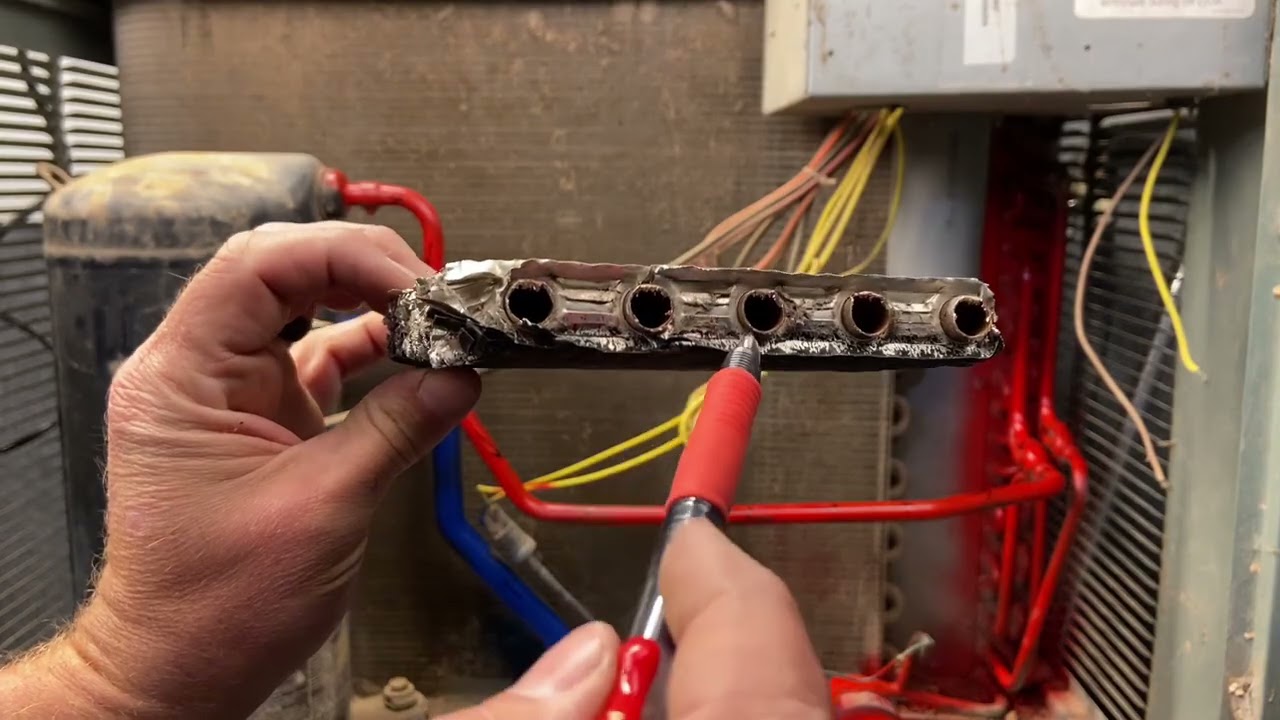
i painted this one red to get you to know its high pressure but sometimes they'll look like this that's it looking like a like a hot dog but this is also has desiccate material inside of here and you can tell if you tap on it it sounds solid so it's very solid inside if it was hollow like a muffler you'd hear an echo sound on it so filter dryer can look like this or like this so we're going to add that notes to our system so in our drawings we're just going to add anywhere on
this liquid line we're going to put a little box and we're going to put an arrow on it and we're going to add the notes liquid line filter dryer you can always make these notes look nice and clear later we're going to be redrawing this refrigeration cycle many many times this is just our first go of it so it's a liquid line filter dryer that means it goes on the i always get this confused oh yeah liquid line so this is the liquid line anywhere in the liquid line that's important because notice how the discharge
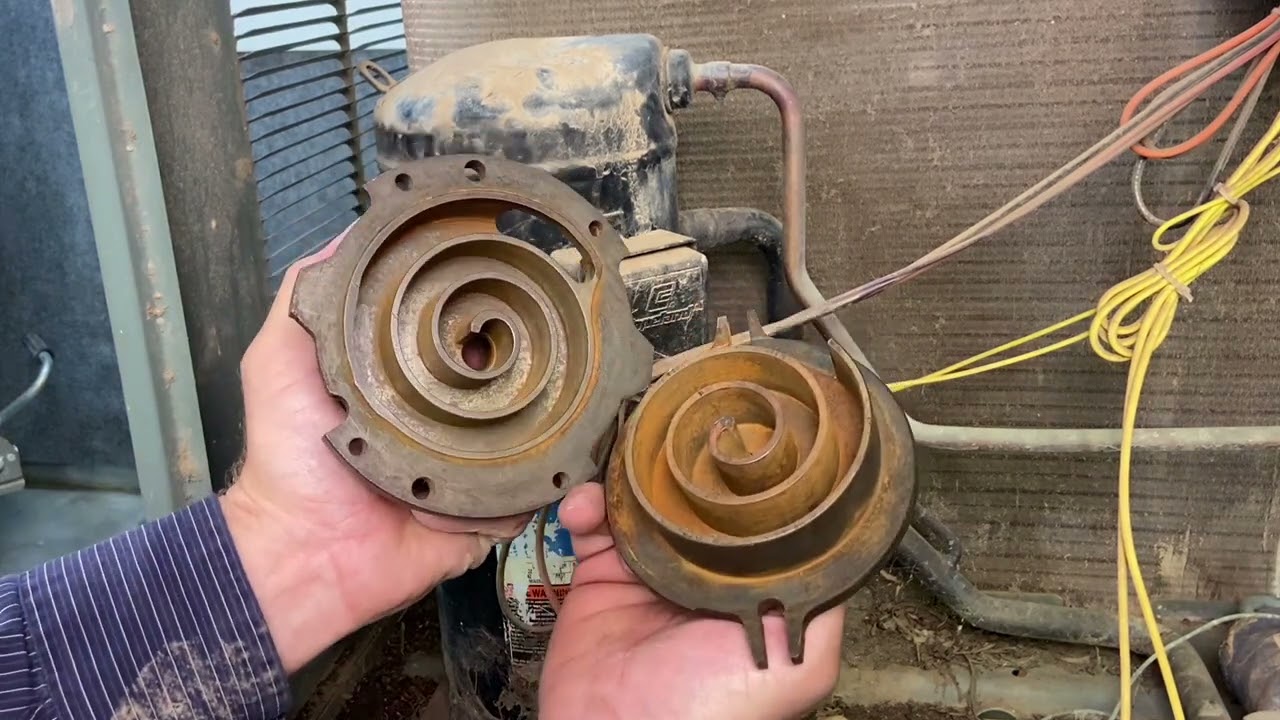
line can look very similar to the liquid line in some cases people just assume because this line's the same material in the same size as this line that it's the same thing and i've seen people put liquid line filter dryers on the discharge line do not do that it is horribly horribly bad and bad for the whole system and here's why this high temperature high pressure superheated vapor hits this desiccant material it starts to cause this desk of material to come apart and break loose this desk of material then travels to the whole system plugging
up the entire system it's very very bad it also doesn't absorb very much moisture at high temperatures so as those hot gases are coming through here it doesn't do anything for actually doing its job so we want to make sure the liquid line fill the dryer goes on the liquid line and we'll talk more about that later but this is our liquid line if we see this port here this is what we hook our gauges up to so if we see right here we have a cap this particular one we're going to use our adjustable
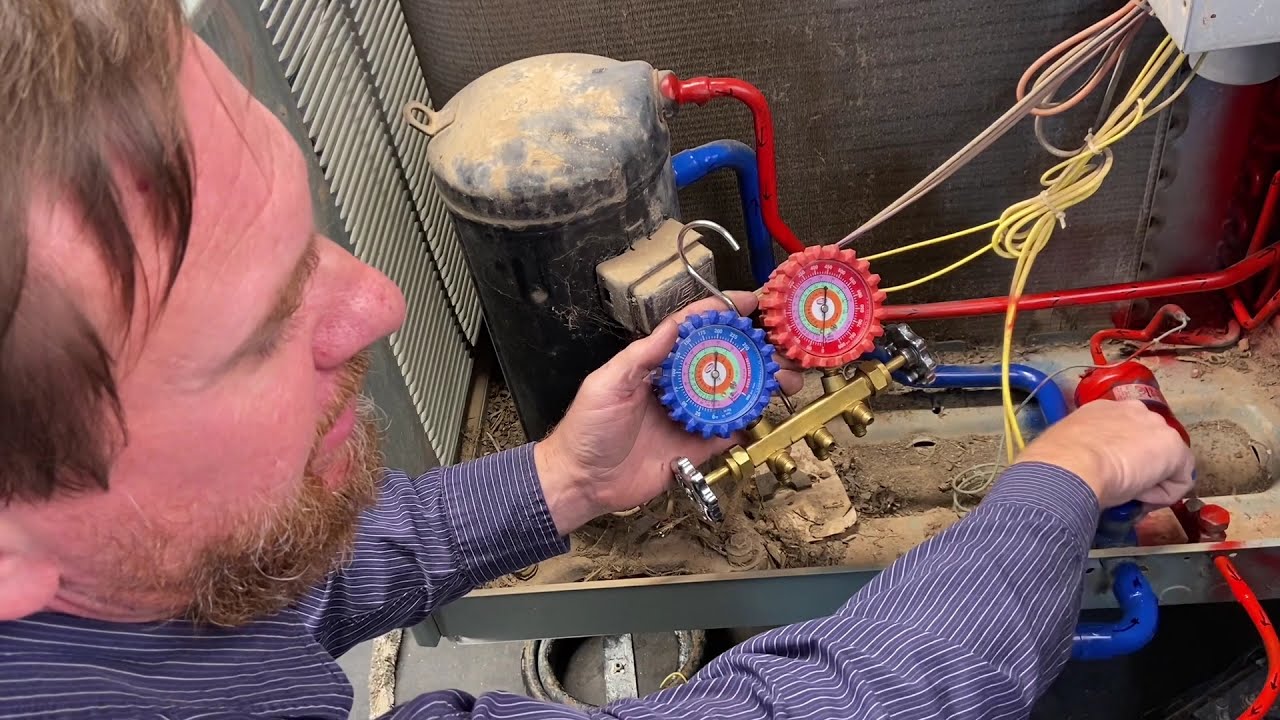
wrench on this cap and we loosen this cap and this is where we're going to screw the gauges on this is how we get the high pressure to a high pressure gauge notice it's a high pressure gauge and theoretically high pressure represented by red this is red remember in the field we're not always painted but this is where we connect our red gauge to this is going to give us the pressure we're going to talk about that a little bit later on let's not get hung up in pressure just yet but also this has another
cap on it and since we're here we're going to pop this cap off real quick underneath here there is a valve this valve is closed off but we're going to have a tool that we're going to use in there it's going to open and close this valve tell our refrigerant to stop or refrigerant to flow more on that later got to stay tuned lots and lots of stuff we're going to talk about so right now liquid line liquid line filter dryer and if we were to physically follow this liquid line let's see where it would
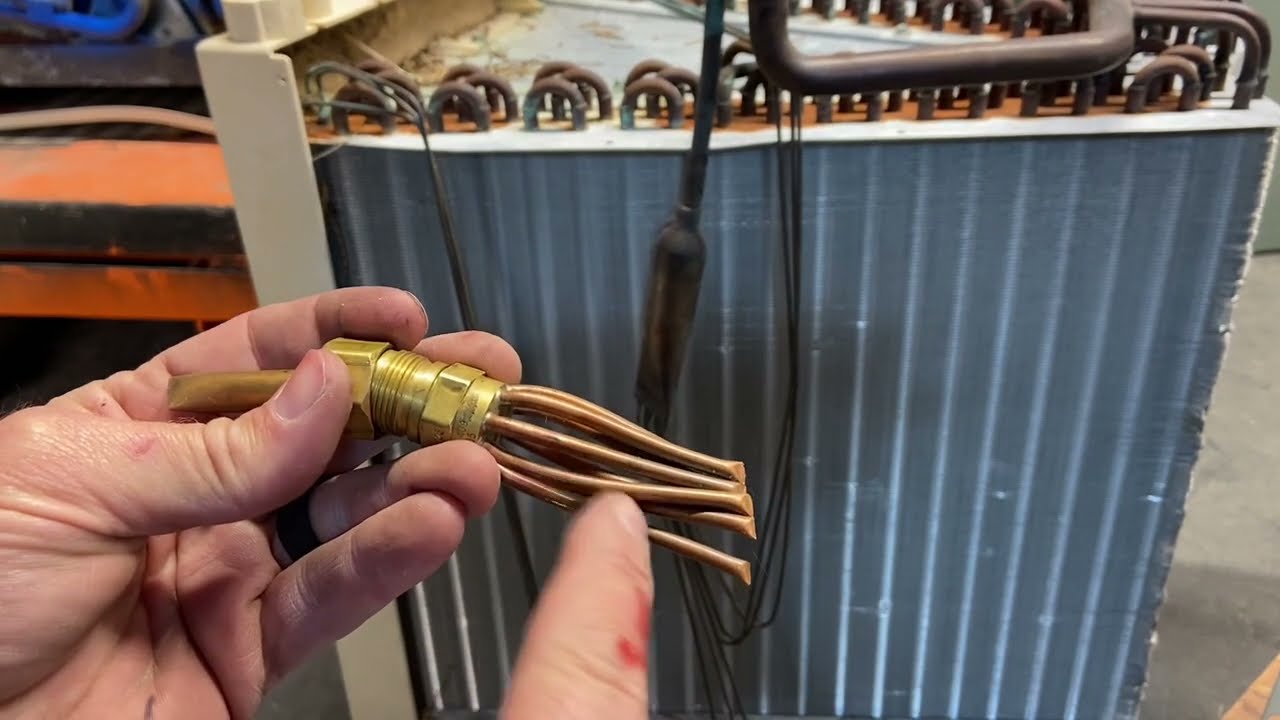
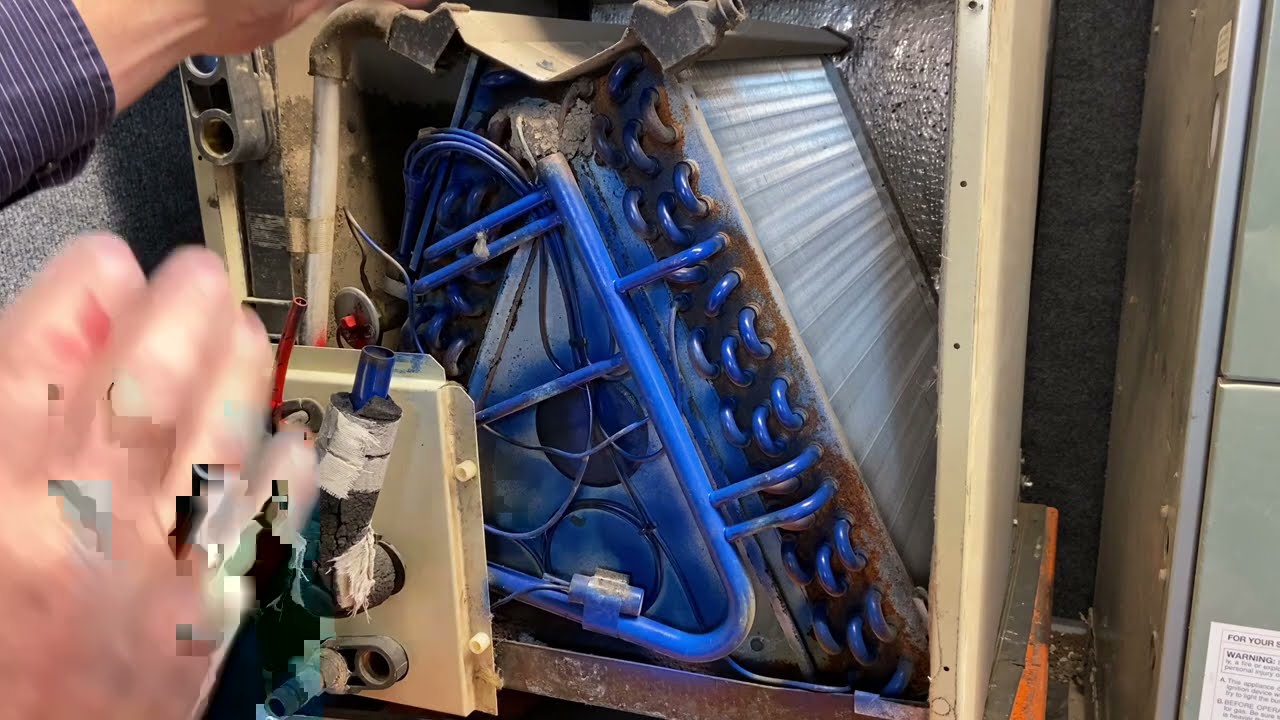
go here we have our liquid line going all the way to the inside it's going to go past there's going to be a panel here it goes past this panel if we continue following it we see that our liquid line here continues around goes through another type of little filter this is not a filter dryer it's just a screen and then here we have a metering device so this is our liquid line it goes all the way to the metering device here's another example we have our liquid line it's going to go to the inside
of the house liquid line is going to flow in this direction it's going to go to our meter device in this case is the thermostatic expansion valve but either way our liquid flows to our metering device so that's our liquid line it's going to flow from the outside of the house all the way to the inside of the house non-stop