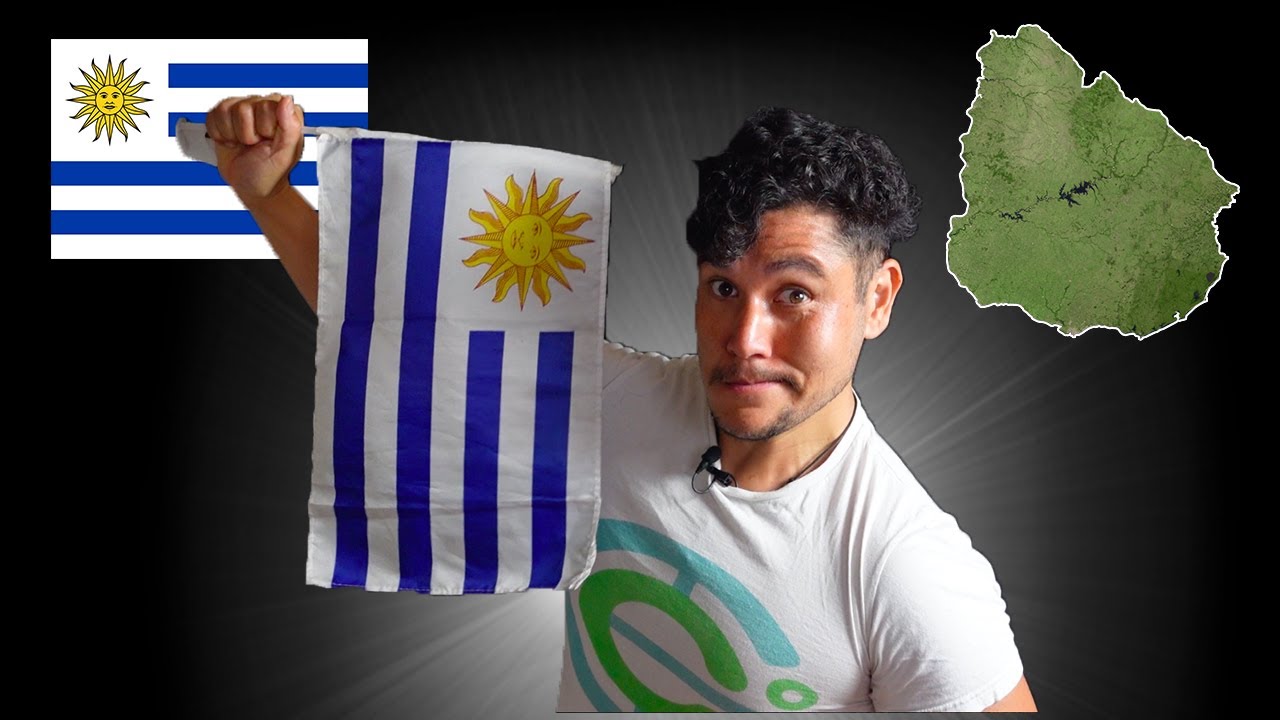
foreign [Music] footballing country in the world well the answer depends on what you use to measure achievement World Cup wins tournaments qualified for perhaps influence on the sport as a whole well any criteria of that combination will spit out Brazil Germany France Argentina and Spain the nostalgic view might even offer England but there is no definitive right answer only a conversation and a conversation in which Uruguay absolutely belongs [Music] Uruguay is tucked between Brazil which lies to its eastern North and Argentina which lies to its Western South it's tiny while Brazil has a population of 214 million people and Argentina 45. 3 million Uruguay is home to just 3. 5 making it only the 10th largest country in South America in fact it's several times smaller than many Capital Cities half the size of Bogota more than two and a half times smaller than London and almost a quarter of the size of Tokyo and yet Uruguay is the joint most successful team in Copa America history having won 15 titles it also won two World Cups and is one of only six nations to have done so more than once on top of this Uruguay has consistently produced world-class players Hector scaroni Jose Andrade and the one-armed Hector Castro who were all part of the first World Cup win in 1930.
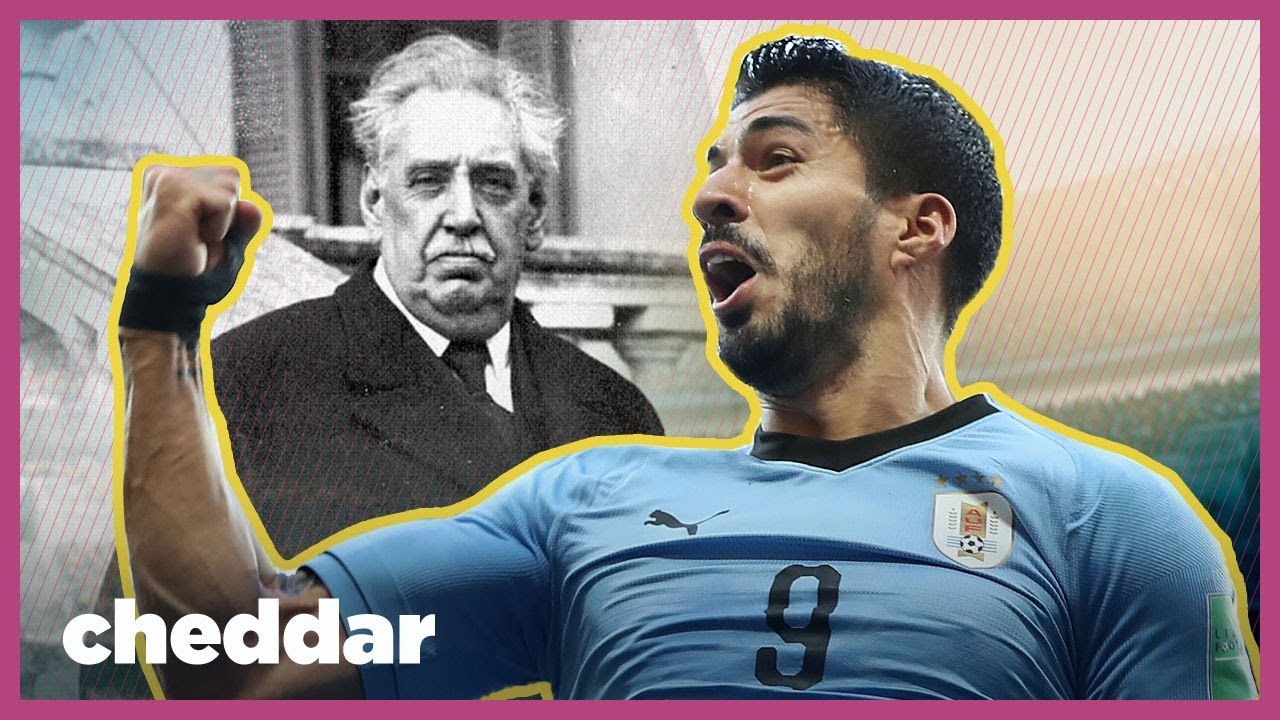
Abdullah Varela and Juan Alberto shiafino who snatched the world cup from Brazil in 1950 and then through the decades up to more contemporary icons lequenzo franciscoli Zinedine zidane's childhood hero and Diego foldan Edinson Cavani and Luis Suarez all of whom enjoyed major success with their country but in European Club football as well but how is it that Uruguay remains a footballing power so far beyond its means well to understand it's important to appreciate football's place in the country It Isn't So Much the most popular sport or even a national Obsession even if that is commonly how the relationship is described no football in Uruguay is entwined with its sense of identity and has been since the national team known as La Celeste first became successful prior to winning the inaugural World Cup on home soil in 1930. Uruguay had already won the South American Championship the precursor to The Copper America six times more significantly from an international perspective they'd also become two-time Olympic champions in 1924 they won Gold in Paris four years on in the Netherlands they would repeat their Triumph and the author Eduardo Galliano wrote of that victory that the sky blue shirt was proof of the existence of the nation and that football had pulled this tiny country Out of the Shadows of universal anonymity Galliano also records atelio narancio a politician who had subsided in the Uruguayan team's journey to Europe rejoicing in the triumph we are no longer just a tiny spot on the map of the world he said after the win in 1924 and it wasn't hyperbole it was those twin Olympic triumphs that really announced the country to the world in 1924 the squad sailed to Europe in third class cabins when they arrived they funded their Journey onwards by playing friendly matches against local opponents and according to some accounts spent nights sleeping on park benches all the while remaining unbeaten according to Galliano they were the first Latin American team to play in Europe that they could win Olympic gold was remarkable that they did so with such a seductive backstory and one which epitomized values associated with Uruguayan self-image made it all the more powerful they were resilient and tough they thrived in adversity and played for one another in the ball is round David Goldblatt described the reaction to that 1924 Olympic gold back in Uruguay depicting just how important a moment of National History that was when the news came down the telegraph cables Montevideo went wild the government declared a national holiday stamps were issued commemorating the events crowds flooded the city's streets and on their return the players were treated to a Dockside celebration Goldblatt also notes that the argentinians who were used to thinking of themselves as the Leading Edge of Latin American football were incensed but while Uruguay's Defiance helps to explain the gravitas of their early success and Argentinian irritation no doubt helped dilute local inferiority neither explains how or why they had the players and teams to achieve what they did that's really more of a political story a lightning in a bottle moment that was the manifestation of social reform like everywhere else in South America football had arrived in Uruguay in the 19th century via English immigrants and again like other countries to which it had been exported Uruguayan football in its formative years was predominantly a white and middle class game and yet the players from those Olympic triumphs were anything but white collared workers or sons of wealthy immigrants again in football in the Sun and Shadow Galliano describes the workers and Wanderers behind the Miracles of 24 and 28. Pedro arispe was a meat packer who's in azazi cut marble poluccio petroni was a grocer and Pedro Sayer sold ice there were no merchants or captains of industry because what was actually being described were the fruits of a highly Progressive Society for two separate periods beginning in 1904 and ending in 1915 the country was under the presidency of Jose betier odonias batty was a reformist and with him came a batch of policies that enabled Healthcare to be free education to be a right by law and social Mobility to become an achievable aim the concept of a welfare state was new in Latin America in the book The United States and the southern cone Arthur P Whitaker describes the Uruguay of the early 20th century as a Utopia of social justice thanks to the government's strong belief in and commitment to physical education it was also a country full of community facilities and football pitches and it was there that the country's distinguishing unique Excellence would be allowed to take root in an article for FIFA magazine in 2002 Angel viviruoko wrote that Uruguay's first footballers transformed a sport which in Great Britain and other European countries was primarily a show of strength into an art form replete with refined technique beautiful expression intelligent play clever twists ingenious improvisation combined with physical commitment athletic elegance and team spirit it was football unrestrained by societal norms and accepted beliefs and most importantly it was accessible and meritocratic that nothing demonstrated that better than Uruguay winning the 1916 South American Championship behind the goals of isabelina gratin a tricky technically brilliant player who'd been raised in a Montevideo Barrio gradin and teammate Juan Delgado were actually the first two black players to appear in an international football tournament such were the attitudes of the day that the Chilean fa lodged a protest against the uruguayans Fielding quote two Africans in their side Jose Andrade would win two gold medals and the World Cup in 1930.
he was crudely christened the black Marvel by the French media but was inarguably one of the finest players of his era alongside his marble cutting ice-selling teammates he was a carnival musician and a former shoe shiner and like many of his teammates still an outlier in a game which was far from accepting he and they are part of a remarkable story from which a country's lasting love for a sport would grow yes Uruguayan football has its Peaks and troughs like any other nation and nothing has been won since the Copa America in 2011.