[Professor Robert Prentice] What does it mean to be an effective ethical leader? It means at least two things. First, effective ethical leaders act ethically as an inspiration to others.
No single factor has a bigger impact on the ethicality of firm culture than the personal examples set by firm leaders. Second, they communicate and manage their organization's culture so as to promote ethical action by subordinates. [Nikki] Most of my managers have always been very ethical, and I've always looked up to their leadership, but one in particular stood out from the others in that she was always looking for other people's perspectives.
"How's this going to impact other people? What are the downstream impacts of this decision that we're going to make, and is it truly the right one for our company? For our stakeholders and our client teams?
" Professors Cropanzano and Walumbwa have observed that most adults do not have an adequate moral compass and therefore "look outside themselves for guidance in moral dilemma situations. " It is the leaders of their organizations to whom they primarily look, and studies show that few things impact the ethical climate of a firm more than the actions of their leaders. Importantly, leaders' unethical actions are copied by subordinates even more readily than their ethical actions.
[Stoica] When you have a non-ethical boss that is always trying to bend the rules or even break them, that is creating a toxic environment for everybody in the institution because the more and more people will try to do the same thing. Although it is especially important for leaders to act ethically, they are often particularly vulnerable to acting unethically. Professors Tenbrunsel and Bazerman note that it is clear that most people have high opinions of their own character and do not realize the substantial gap between how ethical they think they are and how ethical they truly are.
[Melissa] Like for example, I worked for a doctor in a small practice, and um, he had a very colorful personality but he was also very unethical about a lot of things because it was just him, and he was the boss. And, um, sometimes he would disclose really personal information about patients to other patients, and to us. They think that they are overconfident, that they're ethical, and really they're not, or what they're doing is not wrong.
They rationalize themselves out of it anyways because, you know, for the doctor I worked for, "He was a doctor, and so he did lots of good things, so it's okay that he did these things. " Or, you know, "He was more educated than all of us, so he knew what he was talking about and none of us knew. " Believing that we are moral people and will automatically do moral things, many of us act with little self-reflection and thereby often make ethical mistakes.
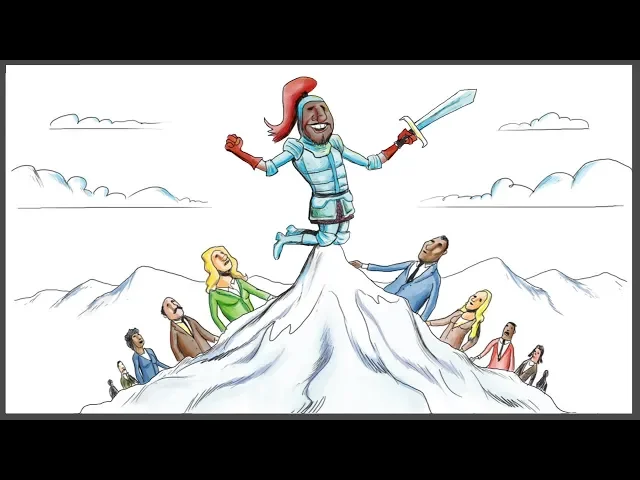
Overconfidence renders leaders particularly vulnerable, because they have typically had great success in their lives. Think of Ken Lay, former CEO of Enron - minister's son, noted philanthropist. .
. convicted felon. Or, think of disgraced lobbyist Jack Abramoff - devout Jew, devoted family man.
. . convicted felon.
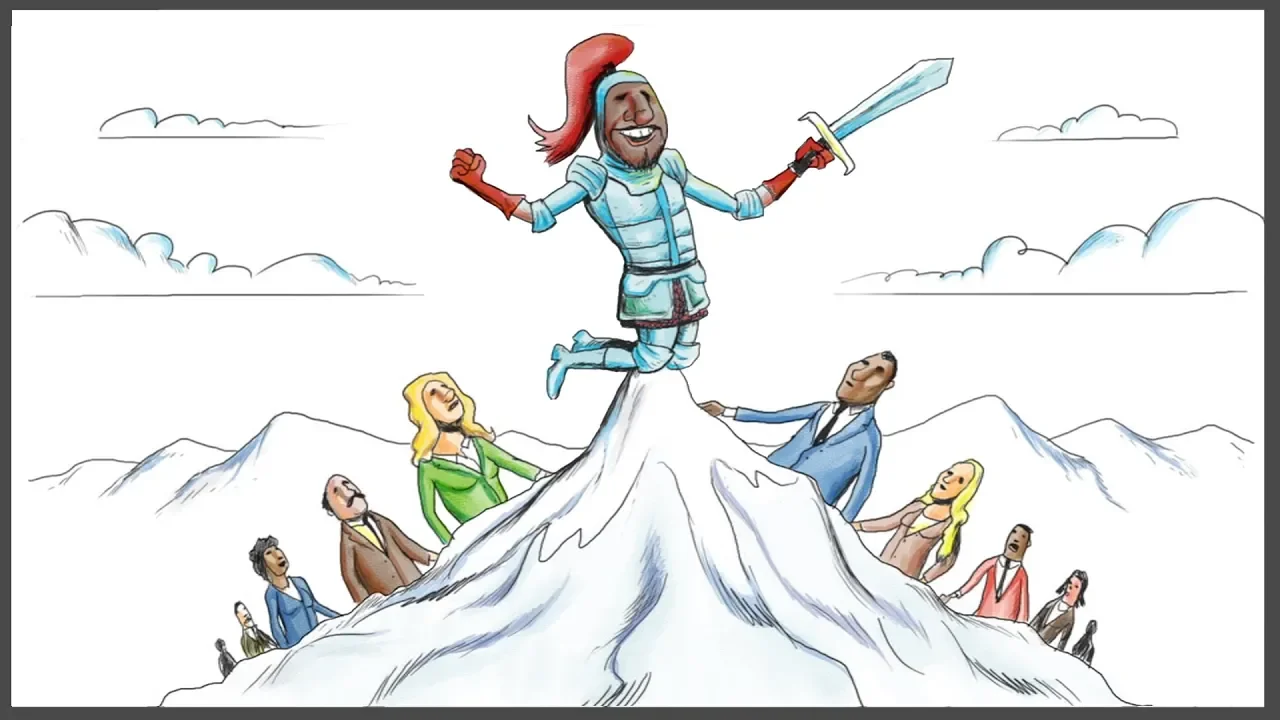
Another behavioral factor that particularly affects leaders is the "instant entitlement bias. " Studies show that if people are told that they are part of a team and that they should divide up resources allocated to the team, they tend to divide the resources equally among team members. But if they are told that they have been selected as the "leader" of the team, they tend to keep a much larger share of the resources for themselves.
In real life, leaders often fall victim to the instant entitlement bias, as can be seen in the lavish lifestyles often lived by corporate bigwigs. Think of former Tyco CEO Dennis Kozlowski, who spent $2 million of company money on his wife's birthday party. [Dillon] It's really easy to serve in one's self interest when you're in a position of power.
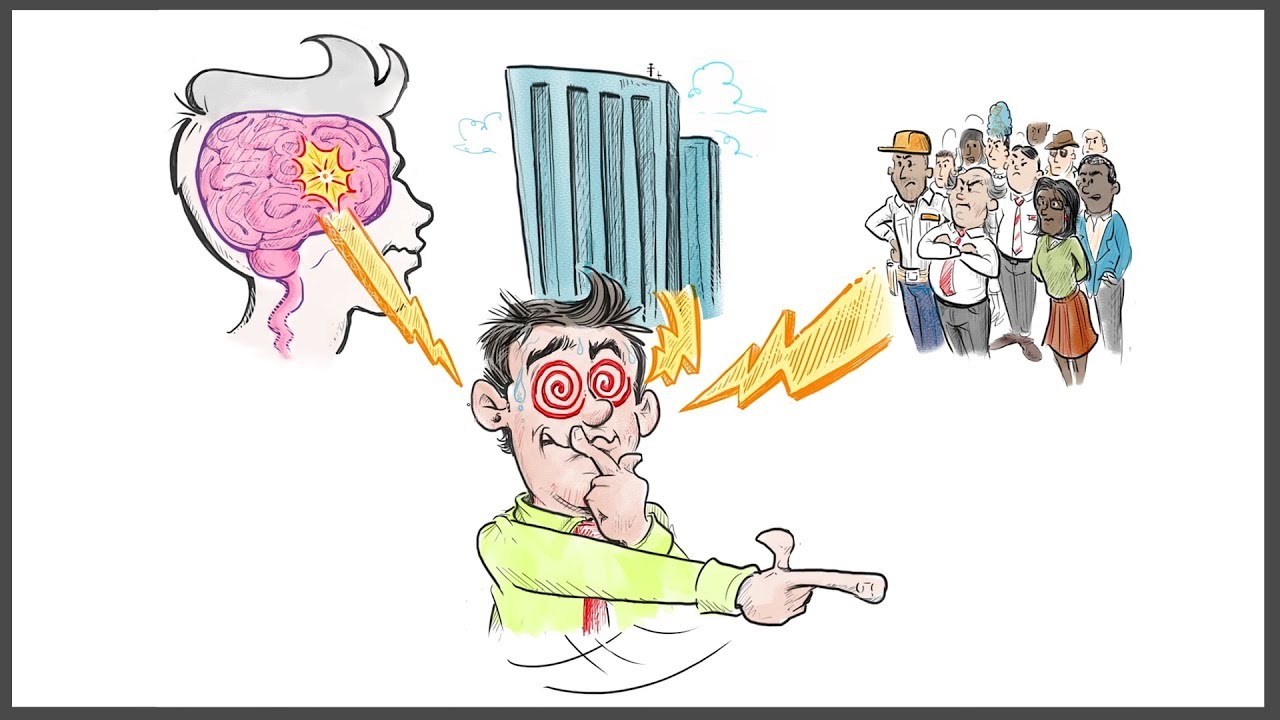
If your decisions have always been supported and you've always been praised for being a fantastic leader and increasing the value of the firm, it could feel like you can do no wrong in the eyes of the firm. It could be hard for you to slow down and think about whether you could've made a better decision or whether the decisions you are making are truly ethical and in the best interest of the firm and your own value structure, you know, the culture of the company, and your own personal values. A study by Professors Flynn and Wiltermuth demonstrated that people at the center of social networks, such as CEOs, are more likely than others to mistakenly believe that other people agree with them regarding what is an ethical course of action.
It is often shocking how top corporate officers (like WorldCom's Bernie Ebbers) and high government officials (like New York's Eliot Spitzer) come to the view that the rules that apply to everyone else do not apply to them. For example, when Ken Lay was found to have violated Enron's Code of Ethics by investing in a company that did more than 80% of its business with Enron, he called suggestions of impropriety "form over substance. " “Rules,” he said, "are important, but you should not be a slave to rules either.
" I had a boss that would always try to embezzle money and also try to force a number of young people, young volunteers in the institution to make loans with fake papers, and to take the money and he presented everything as being done for the greater good for the organization. The higher people go up the chain, the more likely they are to do illegal stuff because they think nobody is going to catch them. Professor Dacher Keltner of the University of California at Berkeley, who studies ethical leadership, further finds that leaders are often tone deaf on ethical issues and that they have "uniquely self-serving rationalizations for their own unethical actions that often focus on their rights and crowd out any consideration" of others' rights.
As Professor Zak notes: "Achieving high social status appears to make it not just lonely at the top but morally perilous as well. " When people talk about power corrupting, it doesn't have to, only if you are not aware that your actions have consequences, and networks around you, right? You can't put a price on doing the right thing.
[Carlos] Realize what's important, what's moral, and question your actions to make sure that all the decisions you're making are leading to an objective that is ethical. [Claire] I think if a leader sets a tone that they've never made a mistake, they don't struggle with anything, they're perfect, then, I mean, that's not realistic. But then how can people come to them when they're feeling less than perfect?
[Arthur] The best leaders are the ones who acknowledge their own shortcomings. Acknowledge that they do not know everything, and ask those who they serve and ask those who work for them just to fill them in on what's happening. The best companies are the ones that create a culture where their employees can voice their concerns to their bosses, really.