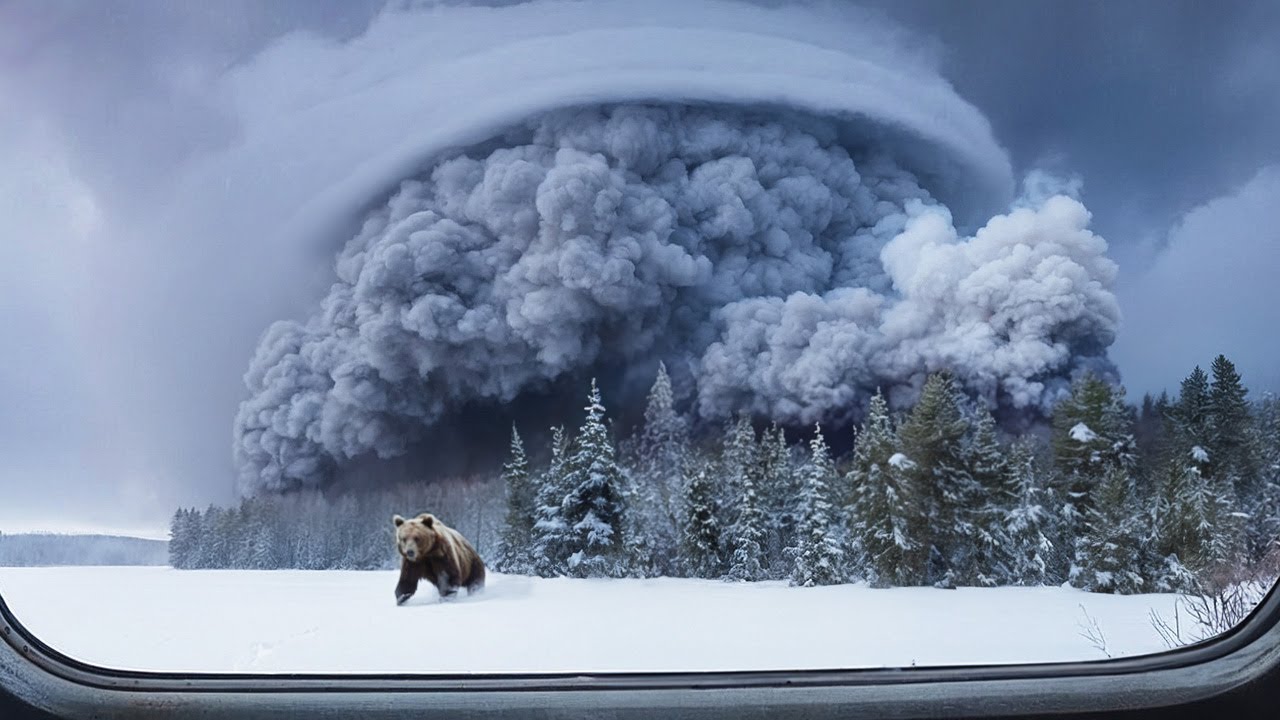
You can almost never know where and when a disaster will strike, but sometimes well-timed cameras record the drama and devastation of a tragedy. I'm Donato de Paula, narrator of Mistérios do Mundo, and here are 7 of the scariest events ever recorded on video. Pyroclastic flow of Mount Unzen This complex is home to several partially overlapping active volcanoes in Nagasaki, Japan.
And in June 1991, the eruption of one of the peaks gave rise to a pyroclastic cloud that killed 43 people, including three volcanologists who were in the region collecting information about the place, other scientists and several journalists. Pyroclastic flows are fluid bodies composed of hot gas, ash and rocks. These colossal clouds travel at more than 150 kilometers per hour.
The one on Mount Unzen, in particular, extended 4 kilometers from the crater and destroyed more than two thousand homes. No one, even in their worst nightmares, would want to come across something like this, right? Chelyabinsk meteor Imagine driving calmly when a scene like this takes over the sky.
That's what happened in February 2013, in Russia. This event was caused by a celestial body that entered the planet's atmosphere. Most of the debris that arrives is relatively small, and ends up disintegrating along the way.
That was not the case with Chelyabinsk. It was 17 meters in diameter and weighed more than 10 thousand tons, much larger than the rocks that fall daily on the planet, and the impact with the atmosphere was unable to destroy it. The meteor only exploded when it was between 30 and 50 kilometers in altitude, and traveling at 108 thousand kilometers per hour.
The shock wave generated by the explosion caused damage within a radius of 80 kilometers, mainly destroying glass and windows, causing injuries to almost 1,500 people Tsunami in Japan It was March 11, 2011, and Japan was experiencing one of the most tragic moments in its history : The strongest earthquake ever recorded in the country caused a tsunami with waves up to 15 meters high. From the top of buildings, many Japanese people watched, helplessly, the moment when the first waves overcame the protective walls as if they didn't exist. Walls of water invaded the coastal cities, carrying and destroying boats, cars and houses, which from afar looked like toys.
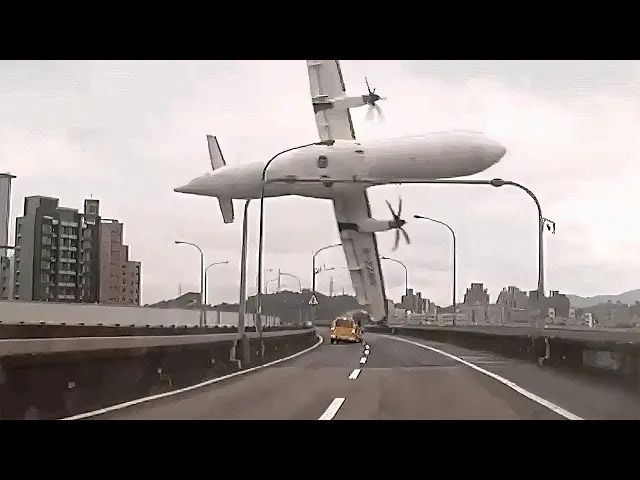
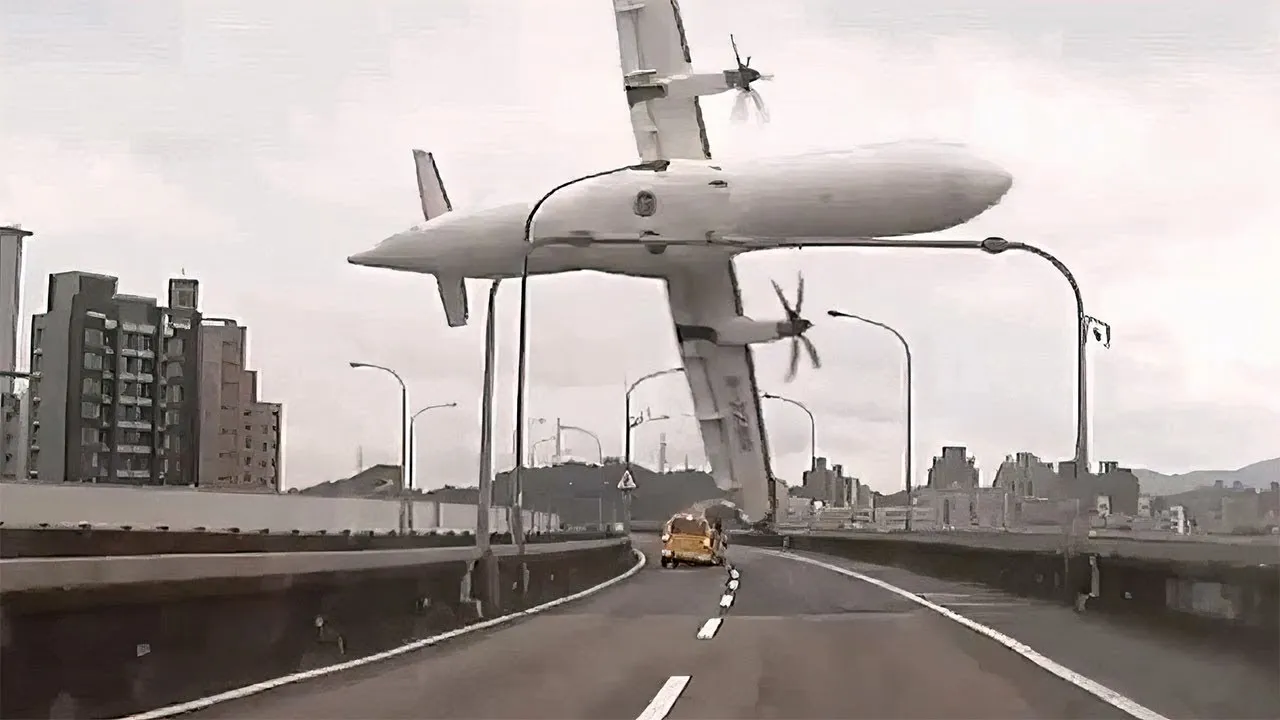
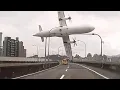
More than 15,000 people died, and the devastation generated an impressive 25 million tons of debris. Plane crash in Taiwan On February 4, 2015, a combination of factors that included engine failure and crew errors caused a plane to crash and kill 43 of the 58 people on board. TransAsia Flight 235 was a scheduled air route between Taipei Airport and Kinmen Airport.
There was confusion in the cockpit as the two pilots tried to regain control of the aircraft after one of the engines stopped working. One of the commanders reduced the power of what was working, but seemed not to realize the error until it was too late. The plane was already at low speed and altitude, and in an amateur video, it is possible to see the moment it collides with an overpass, before falling into the river.
Hindenburg Disaster On May 6, 1937, after an intercontinental voyage, the iconic airship Hindenburg exploded in mid-air while trying to dock at its mooring mast in New Jersey, United States. Of the 100 passengers on board, 35 died and others were seriously injured. The airship was filled with hydrogen gas and electrostatic energy and completely caught fire within seconds of the failed landing attempt.
The Hindenburg, then operated by the Nazi government, was 245 meters long, 41 meters in diameter, flew at 135 kilometers per hour, with a range of 14 thousand kilometers. Tsar Bomb The Tsar is the most powerful weapon ever detonated in history: developed by the Soviet Union, this 58 megaton bomb was equivalent to 58 million tons of TNT. It was detonated on October 30, 1961, in Nova Zembla, an island in the Arctic Ocean and generated a fireball that was seen more than a thousand kilometers away.
Any heat generated could cause 3rd degree burns on a person 100 km away. The impact of the bomb was felt in several countries, and there are even reports of broken windows in Finland as a result of the incident. The mushroom cloud produced rose beyond 60 kilometers in altitude.
Tacoma Narrows Bridge Suspension bridges are very interesting structures that began to become popular in the 19th century: they are suspended by cables, and can even swing during the crossing, at least the smaller ones. Today, the most famous suspension bridge is perhaps the Golden Gate, in California, United States. But, in 1940, one of the most famous bridges of the time ended in a tragic end: located in Washington, also in the United States, the Tacoma Narrows was completely destroyed after being affected by the force of the wind.
The bridge began to oscillate around 10 am and, in just 1 hour, it completely collapsed. Unfortunately, there was one victim in the accident: a poor little dog that was in an abandoned vehicle on the bridge. Which of these disasters caught your attention the most?
Tell us in the comments. Until next time!