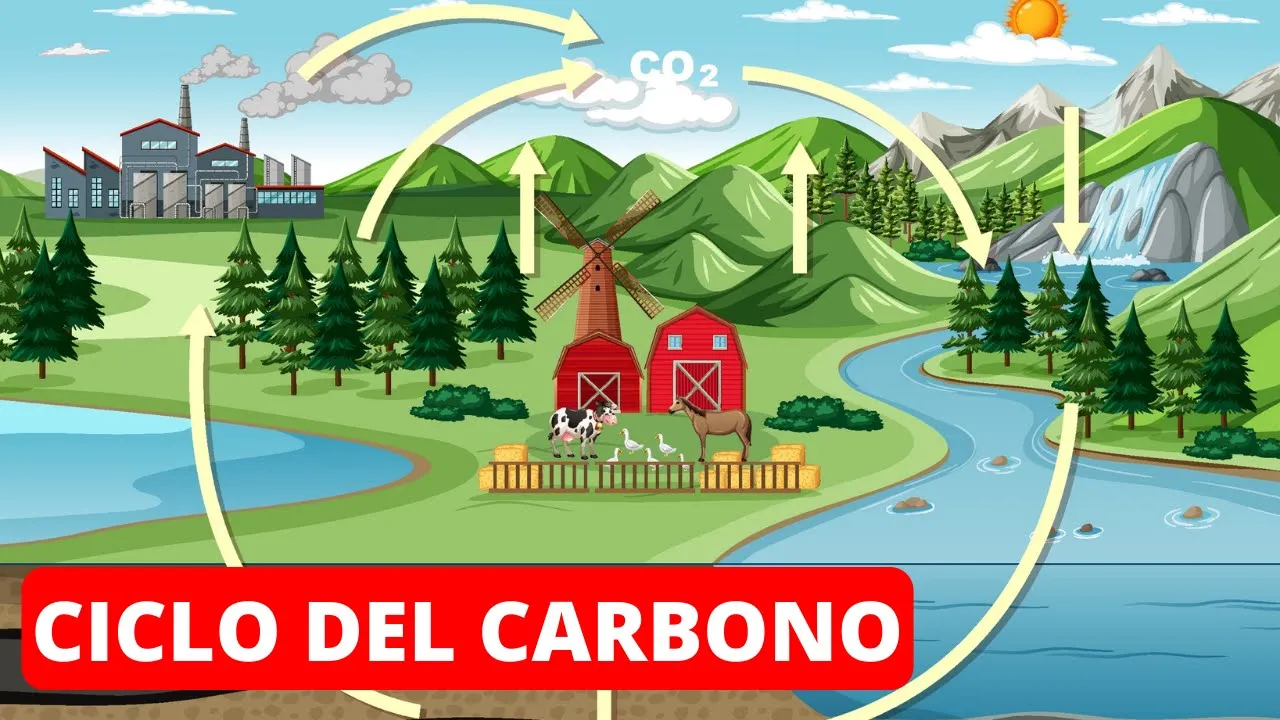
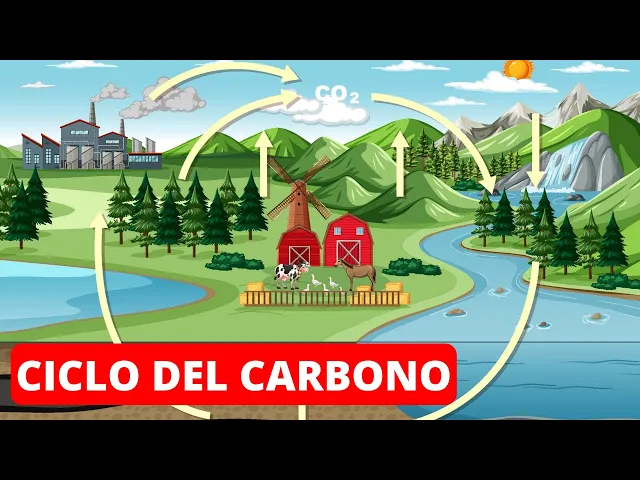
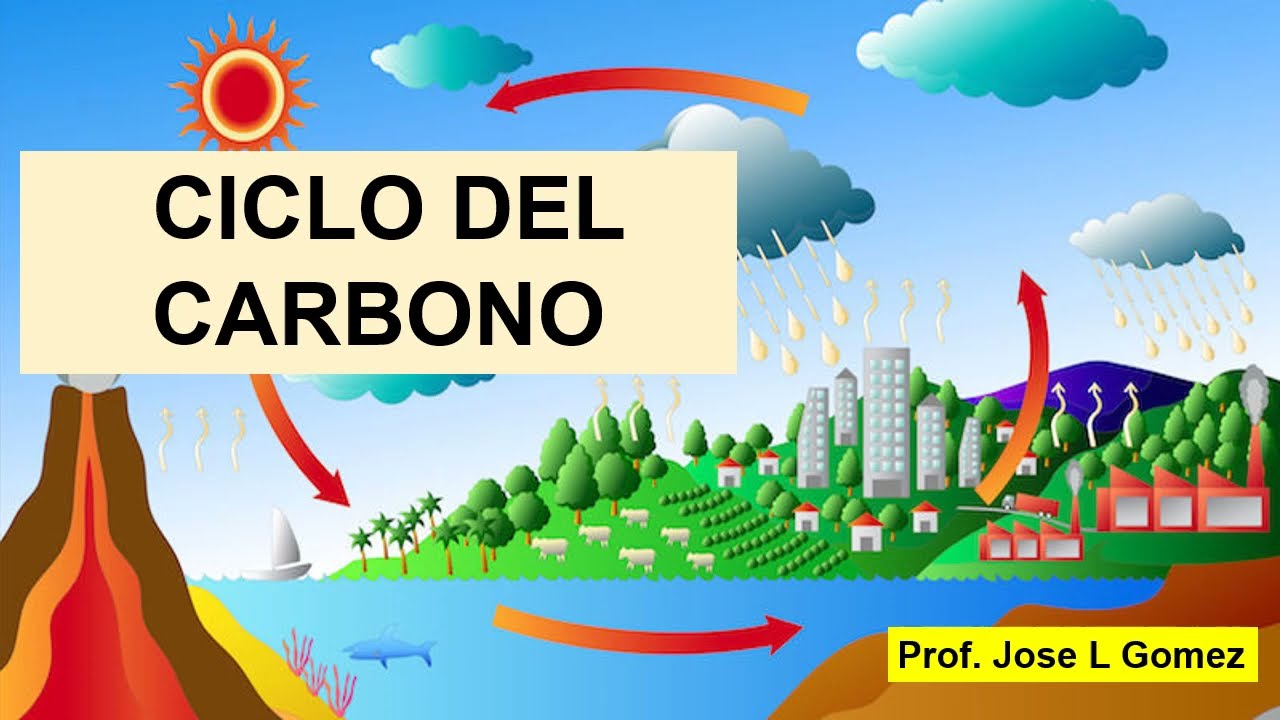
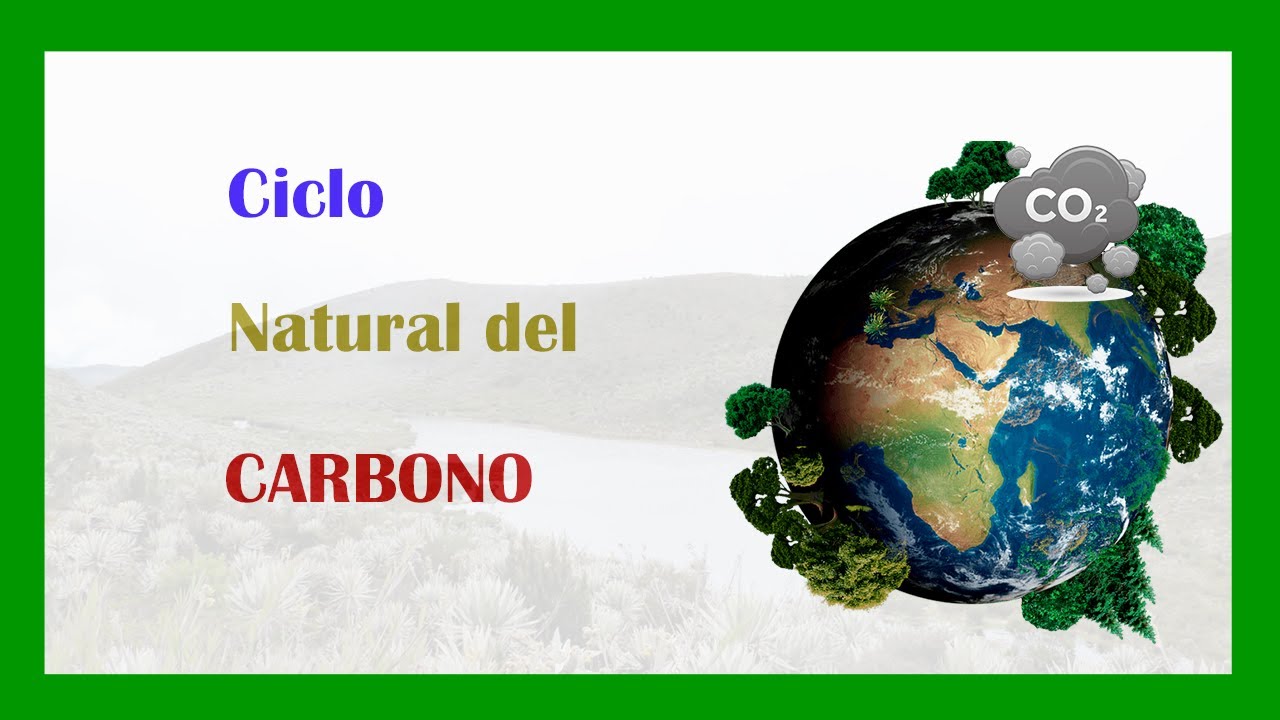
The carbon cycle refers to the movement of carbon from the atmosphere through the oceans, the surface and the depths of the earth, until it returns again to the atmosphere. The word "cycle" means circle, that is, a movement or process that ends in the same place where it began. There are two carbon cycles.
The biological cycle: it is the most important, because it is the one that sustains all life on Earth. It is complete after 20 years, which means that this is the time it takes for all the carbon in the atmosphere to descend to the oceans and land and return to the atmosphere. The geological cycle: also known as the biogeochemical cycle.
It refers to the circulation of carbon between the layers of the lithosphere, under the earth's surface. It takes millions of years to complete and is related to the formation of rocks and fossils. The total amount of carbon existing on the planet always remains the same.
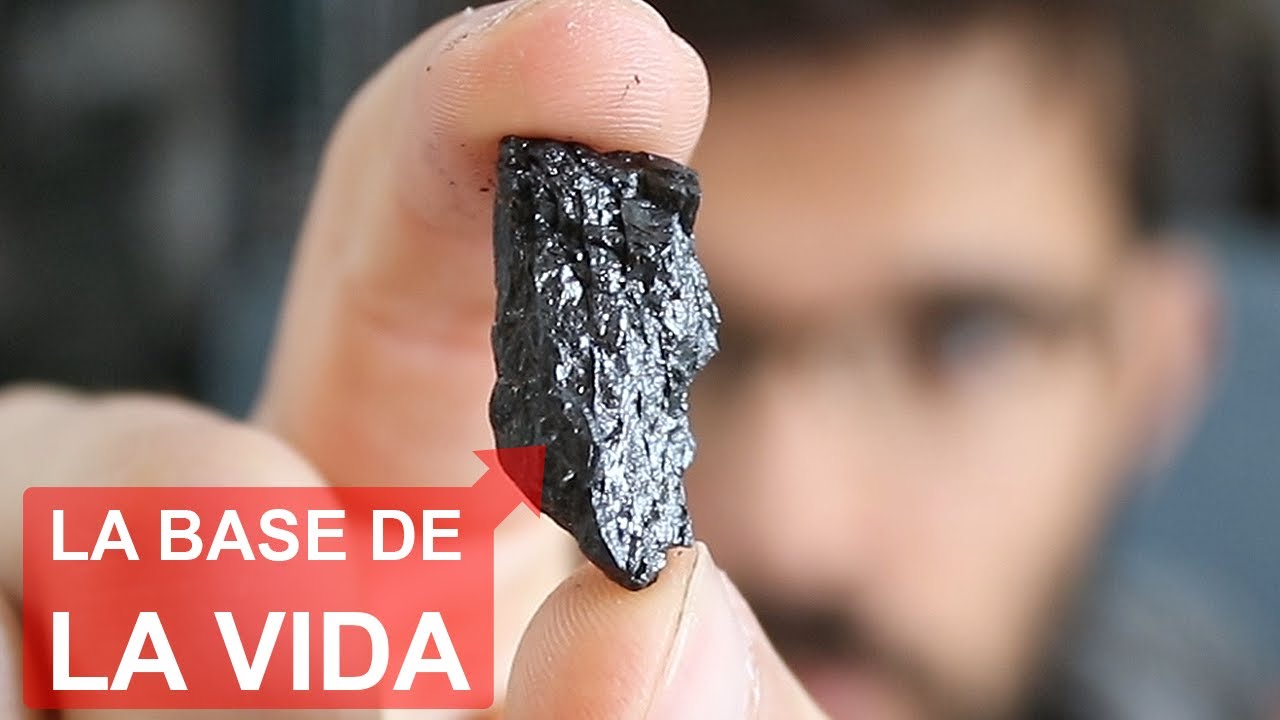
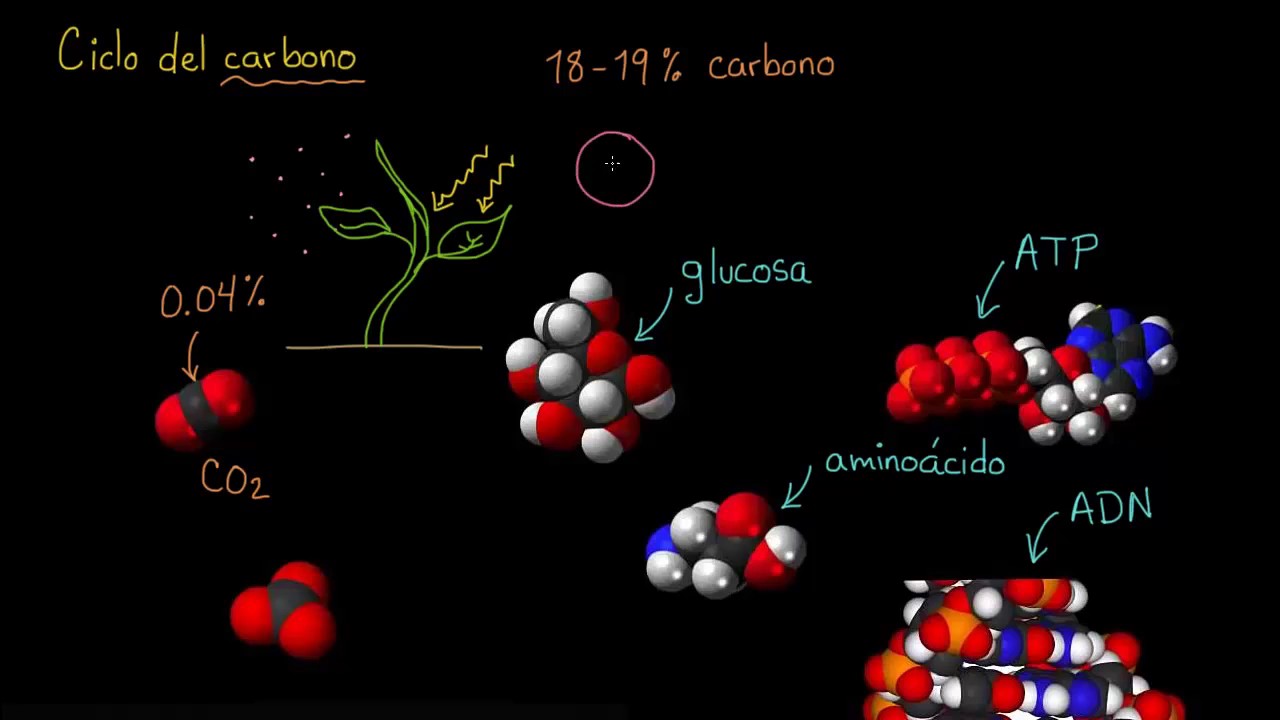
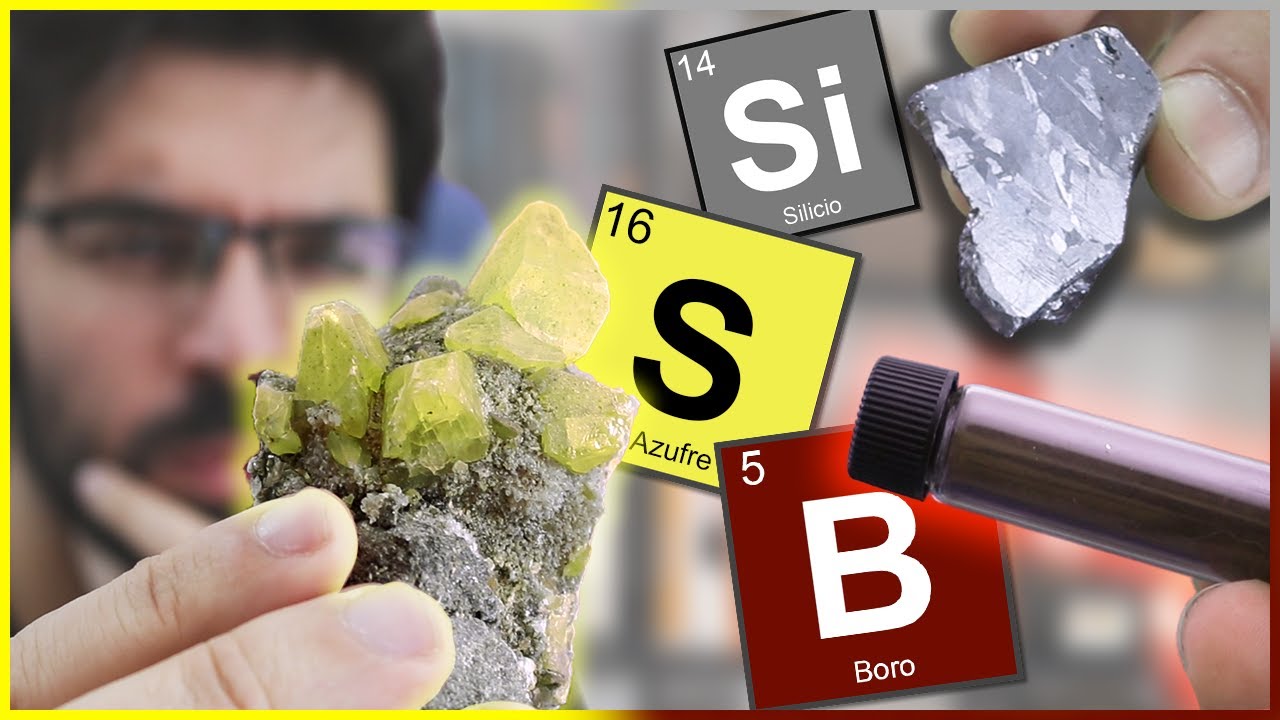
What is carbon? Carbon is a chemical element identified in the periodic table with the symbol C. Its atomic number is 6 and its atomic mass is 12.
0111 grams. There are two reasons why carbon is a special element. The first is that it can form an enormous number of components.
Currently about a million are known, and the number grows year after year. The vast majority of these components are formed by combining with hydrogen (H); the set of components formed on the basis of carbon and hydrogen (CH) is known as organic chemistry. The second reason is that carbon is an essential element for life.
Without their presence, DNA would never form. Biological carbon cycle Carbon in the atmosphere In the atmosphere, carbon is present in the form of carbon dioxide and, to a much lesser extent, methane. These compounds naturally retain heat ; but if the amount in the atmosphere increases excessively as a result of industrial activity, then they begin to retain too much heat and produce the greenhouse effect, one of the main causes of climate change.
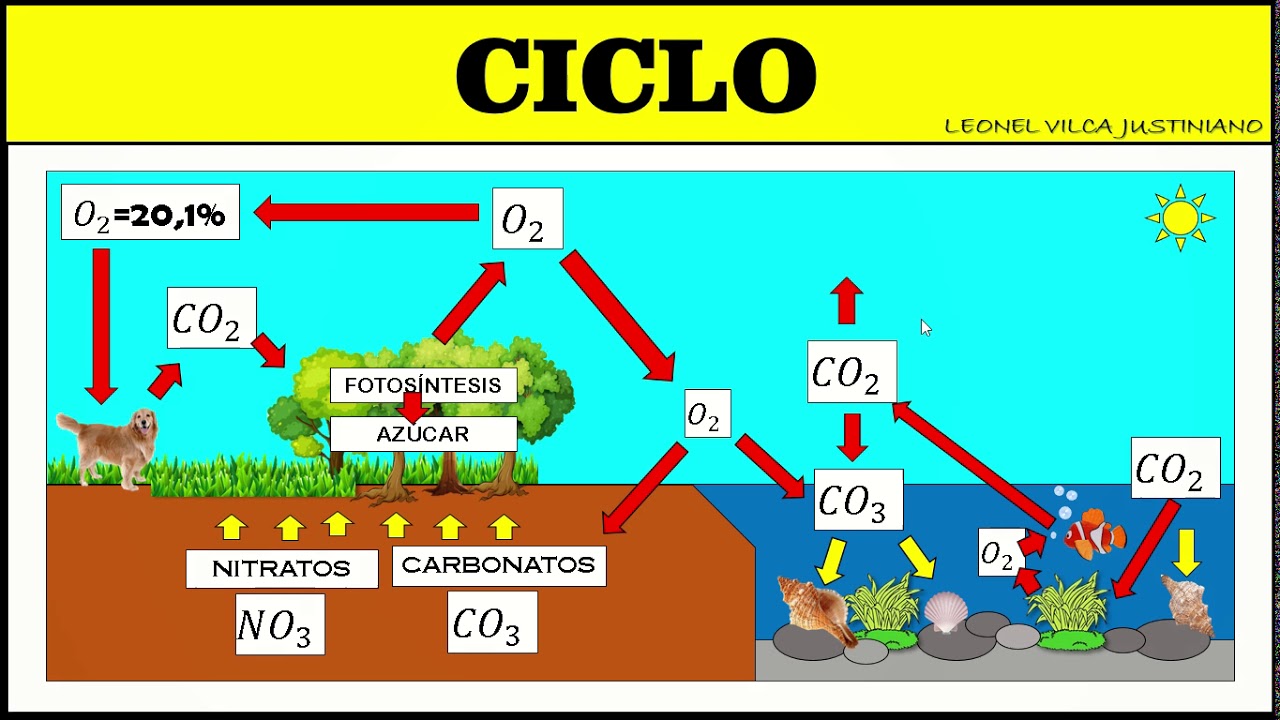
Carbon leaves the atmosphere in two ways: respiration and photosynthesis (in the biosphere), and by dissolving in ocean waters, rivers, and lakes (hydrosphere). Carbon in the hydrosphere Water masses and currents absorb carbon dioxide during periods of lowering temperatures, and return it to the atmosphere when the heat increases. When absorbed, carbon reacts with water to form carbonic acid, responsible for ocean acidification.
Large bodies of water are the largest carbon reservoirs on the planet. Carbon in the biosphere The biosphere is where living things develop . They absorb and return carbon through three processes: photosynthesis, respiration, and decomposition.
Photosynthesis In this process, green plants (which contain chlorophyll) and algae take solar energy and carbon dioxide from the atmosphere and convert them into oxygen and carbohydrates. Oxygen is released to allow animals and humans to breathe. Carbohydrates, for their part, are essential nutritional compounds for the growth of plants and other living beings.
Carbohydrates pass from plants to animals through food: the former are consumed by herbivores (cows, sheep, goats, deer, etc. ) and these, in turn, by carnivores (lions, tigers, wolves). , etc.
). Respiration It is the reverse process of photosynthesis; It is done by both plants and animals. The plants reabsorb the oxygen that they had released in photosynthesis and, during the night, they release carbon dioxide into the atmosphere.
Animals and humans do something similar: they take in oxygen when they inhale and return carbon dioxide when they exhale. Decomposition It is the product of the action of decomposers (microorganisms such as bacteria and fungi) on animal waste, plant remains and dead organisms. During decomposition carbon is produced in the form of carbon dioxide, which returns to the atmosphere.
decomposition product It is organic carbon, which for millions of years has been accumulating in the earth's crust (lithosphere) in the form of fossil fuels, coral and limestone. Other phenomena that affect the carbon cycle Fires and volcanoes Some forest fires are very large: they last several days and burn up huge tracts of land, killing a large number of plants and animals. These burned organisms begin to decompose and produce carbon dioxide that rises into the atmosphere.
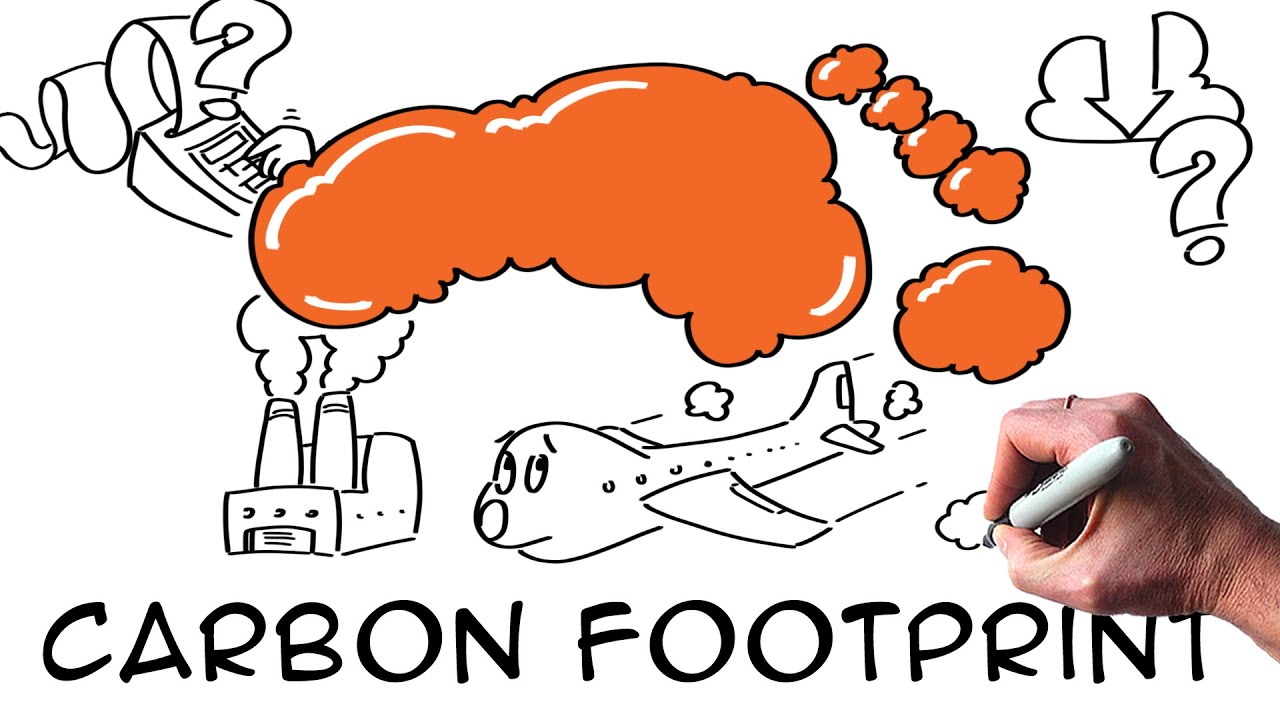
Likewise, volcanoes, when they erupt, expel an immense amount of this same gas. Industry and vehicles Undoubtedly, the vertiginous industrial development that humanity has experienced during the last two centuries has an important influence on the carbon cycle. Currently, factories generate massive carbon dioxide, which is saturating the atmosphere and aggravating the greenhouse effect.
Something similar happens with vehicles. These run on gasoline, which is a fossil fuel made up of carbon; when burned, they release carbon dioxide through the exhaust pipe. Geological carbon cycle While the biological cycle is completed every 20 years, the geological one takes millions of years.
This cycle is deeply related to the very functioning of the Earth, and it was set in motion since the very first times of the planet, about 4,500 million years ago. The formation of carbonates As we explained previously, when dissolved in large masses and currents of water, carbon dioxide forms carbonic acid. This compound is eventually transported to coastal areas, where it comes into contact with calcium and magnesium in the earth's crust and produces carbonates.
The erosive action of rain and wind washes carbonates back into the ocean, where they accumulate in layers at the bottom, or are consumed by marine organisms that later die and decompose on the seabed. These carbonates accumulate on the ocean floor over thousands of years and form limestone rocks. Subduction Limestone rocks are pushed towards the Earth's mantle due to the phenomenon known as subduction, which consists of one tectonic plate being placed under another.
In the Earth's mantle, limestone rocks are subjected to very high temperatures and pressures, which is why they melt and, when they come into contact with other chemical compounds, release carbon dioxide. Most of the latter is returned to the atmosphere through volcanic eruptions.

![CICLO DEL CARBONO⚡fácil y rápido [guía examen unam, ipn, comipems]](https://img.youtube.com/vi/HBprVpl7IrY/maxresdefault.jpg)

![♻️ Ciclo del Carbono ⚫️ [Fácil y Rápido] | BIOLOGÍA |](https://img.youtube.com/vi/jQFSCmSu5XM/maxresdefault.jpg)