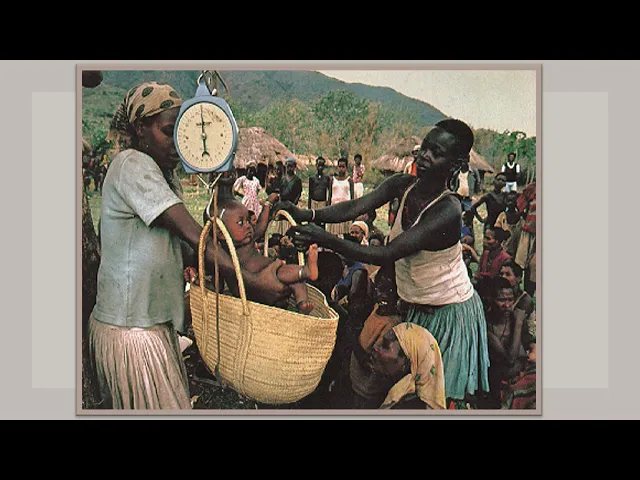
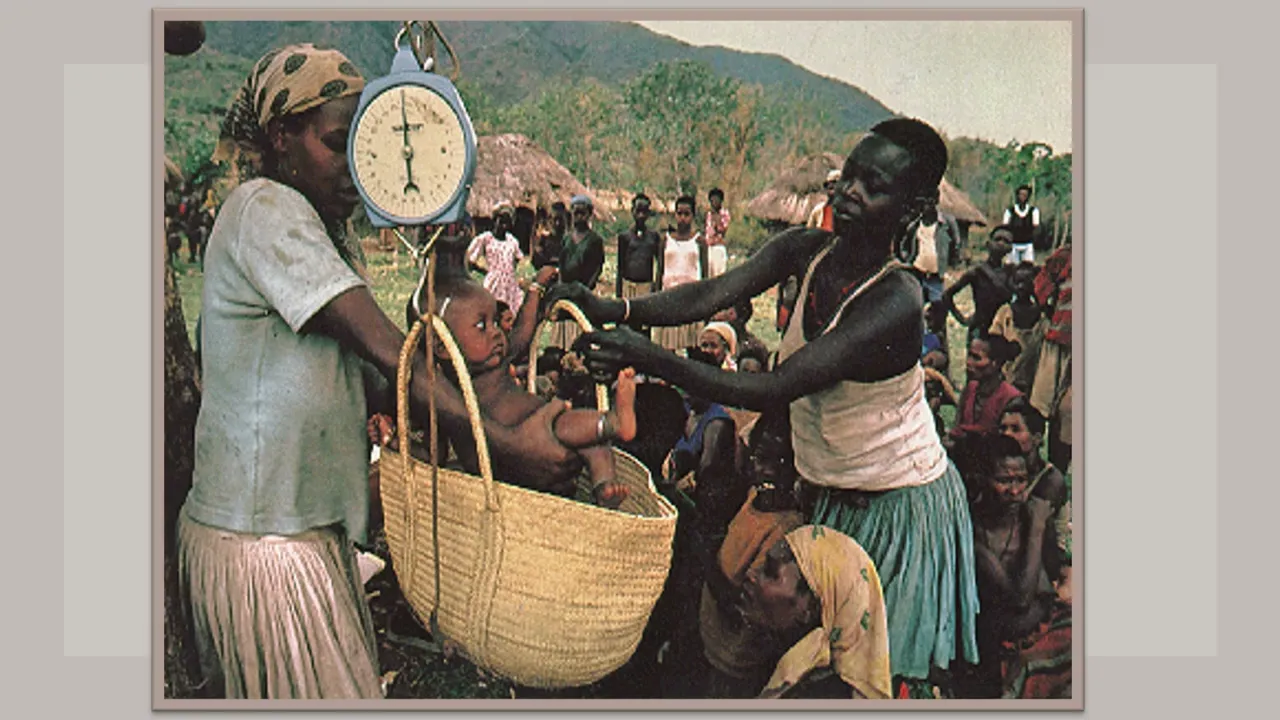
welcome students to the second part of lesson one so there's always four lessons and this is the part two of lesson one which is on the instruments of foreign policy directed and diluted multilateralism so I fast forward from Lester Pearson who was called Mike Pearson to Jean cran who was another liberal prime minister of Canada we will talk about conservative Prime Ministers like Brian morrone in future weeks as we tackle different problems but here I need to talk to you now about Jean crean's form of liberal internationalism and also their focus on directed and diluted multilateralism you can see the captions are not very good with PowerPoint you need to use the YouTube channel in order to create excellent captions and it's your responsibility to create those captions and study them especially if English is your second language Welcome to our class this is part two so the historical background here is of the Jean cran period which is quite long if you look at it uh 1993 to 1995 then another 5 years and then another four years so you can see that picture there of Jean cren Kim Campbell Joe Clark and Pierre Elliot Trudeau your professor has met all of these people including uh Jeffrey Pearson uh Lester be Pearson's son who I was very good friends with um the only person I never had the honor of meeting except from very far away was Pierre Elliot Trudeau I saw him in Saskatoon saskatch one uh at a university talk and all the students threw Tomatoes at him Rotten Tomatoes because of the cruise missile testing and we wore black armbands to signify how AOS we were to the cruise missile testing anyway these people all of them are actually uh symbolic of the multilateralist perspective in Canadian foreign policy so we're going to learn about that it evolved in many ways from Liberal internationalism so we need to learn about the main tenants of this before we do our own toolbox so can we characterize that cretum time period well let's talk about that maybe it is uh directed multilateralism Team Canada approach let's explore that more well I have to introduce now a lot of new issues because we're getting in we moved from the 1940s and to the 60s all the way up to the 1990s where the cran government remember cran had been a cabinet minister under Lester B Pearson and he was very interested in the Arctic so this is the beginning of Canada looking northwards and starting to realize that we have a huge amount of uh Arctic under our sovereignty this was when they had a new Arctic Ambassador her I remember Mary Simons was nominated and one of my professors Franklin Griffith had hoped he'd become the Arctic Ambassador but instead it came went to a woman U Mary Simons who is she now she's the governor general of Canada highest ranking person um below the queen king below King Charles and the Queen Elizabeth so there's the Arctic there other many many new Concepts that came in play and you need to know these if if you want to operate in the international sphere so cran was very against being in what he called the camp follower relationship he didn't want like President Reagan and and Brian morrone pictured there he didn't want Canada to be in that sort of subservient position he wanted it to be more a partnership between equals he wanted to be a Cooperative partner and he was as I've mentioned before good friends with Bill Clinton some other Concepts that I want to bring up for you to remember are this idea of subsidies Canadians started talking about the subsidies that were being put in place by the Americans and they started criticizing us especially because of our logging and our subsidization of our forestry and dumping dumping our uh Forest Products into the United States so they wanted and so did we we wanted more codification of our relationship more International law that led to these ideas about NAFTA now we had the Free Trade Agreement under Brian morone but NAFTA the North American free trade agreeement came into play now and this tried to stop us trade harassment it was not an insignificant agreement it it was trying to stop the American domination of our trading some other ideas were that we want wanted Canada wanted to control our oil and our energy especially in the north and in western Canada they wanted to make sure that Canada's oil and Canada's energy and our huge gas resources and so on were treated fairly in North America under the crutching government there was also a lot of attention paid to uh Services especially Canada's Banks we have seven strong Banks Toronto Dominion Royal Bank and so on and they were becoming less competitive against the many many American Banks now they are very very strong because of this initiative and we should be thankful for that so there's the picture of Jean Cen and Bill Clinton talking about how they and they trading and and leveraging and linking and at the same time the the global South which I've symbolized here by this picture the global South was suffering so the new idea ideas we're going to get into our um dispute resolution mechanisms this is a kind of trendy word for saying let's settle our conflicts with uh mechanisms they talked a lot about energy protection of Canada's energy protection they wanted a Level Playing Field with agreed upon labor and environmental standards that's when we started talking about expansion of the United Nations security Council it's expanded we started talking about opposing the e101 helicopters because they were too sophisticated Canada wanted to review NORAD again usually every 5 years sometimes every 3 years this was the beginning of the notion of converting uh bases that were too large and too costly for the Department of National Defense into for example peacekeeping training centers and this was the idea of democratizing foreign policy so I bring this up it goes past you now and maybe later when you are um traveling the world on behalf of Canada you will think of these ideas and they will compete with the kind of Concepts that you see here this is a former Eastern European uh City look at I mean people are just in these apartments living Dradful lives no Parks no no Freedom it's it's very difficult Canada has a lot of new Concepts it's very attractive for immigrants people want to come to Canada we have the idea that um people should come here because we're just and we're generous versus a business class approach where you buy your way in uh so these are ideas I'll talk about more when we talk about immigration and Refugee policy the concept of sustainable development came into being at this point and this integrated many different ideas now 17 SG goals but at that time we started talking about environmental and economic and social goals how to make it a fair world for everyone with sustainable consumption sevene Generations into the future making sure that global trade patterns from the north to the South and vice versa South to the north were Fair using appropriate technology that was solar wind powerered and using our resources to meet Global human needs you can see how that comes that pattern comes right out of me because it's just natural it's part of our way of thinking in Canada and that's what I'm trying to teach you here is what how this is evolved the newer concept and issues from the 1990s also included Greening the Rio Summit so what does this mean this was the first un Summit that that focused on energy I mean so not on energy on the environment and the reason it was important was because of the guy in charge Maurice strong strong he had the biggest Network in the world I I heard I saw that his his address book was like a binder and he he he helped to craft the agenda 21 agreement he knew everyone everywhere and that was when they started talking about the target of 0. 7% of G&P for international Aid this was an idea that came about by Pearson and the three wise men but this is when they started actually thinking about putting it in place Greening Gat and and guarantees of environmental standards ratifying it still has not been ratified but we still talk about it ratify the law of the sea and developing new indicators of sustainable development sustainable was very very important so here are some pictures of Central America at the time so while Canada in the 1990s was developing these new ideas in the Central America we had the wars Guatemala Nicaragua Panama people uh the environment being destroyed people here you can see drug use going through the garbages for food and so on and so extremely distressing situations and people wanted to help they really wanted to help people outside of our borders which is what we should do and that's when we started talking more about North South relations instead of saying oh they're underdeveloped or they're less developed or using that concept of development as if we're so developed that's wrong instead the idea was to use the concept of the north where people do have it seems a higher GMP now of course you say right away well Australia New Zealand they have a high income per capita they're not in the north but this was a general kind of a concept that was popular in the 1990s so the South has it's not it has a lower G&P has a lower per capita income maybe it's in the South so the idea then was that um official development assistance which we call Oda would rise to 0. 7% of GMP by the year 2000 we would also redirect ceda's Aid Ceda is the international Agency for Canada that that um that deals with our Aid and we would direct ceda's aid from Eastern Europe to the Third world so instead of spending money on Ukraine and on Poland it would go to Africa and to Asia and to South America I'm dwelling on North South relations because if you are interested in in in writing interational Injustice and in working in development it's still called development uh then you need to know some of these phrases if you want to work internationally if you want to work for an NGO so I mentioned before that the this is an old uh uh picture an old chart and you can see that the amount of Oda as a percentage of gross national product for Canada kept slipping from the Target and instead of getting up to 0.
7% it kept going down and down and down here more modern is uh Canada's percentage compared to other countries so you can see that um Canada spends 0 . 29% approximately right now it's 0. 27% but these are small amounts that are different so look at the Danes how much that they're spending nearly 1% and then the Norwegians are higher than 0.