hello I am K.M Wyland and I run the writing website helping writers become authors and I used to do videos a lot like every week but I haven't for quite a few years but I thought I would try to get back into it and my idea is that I'm going to post a writing q a on Instagram and Twitter once a week or so um this first question is one that I got in an email Emily Marto and she said I could use it publicly and I wanted to do that because I felt like it
was she put the question really well but in the future I am my idea is that we well Source the questions from the comments so if you have a writing question you can leave it in the comments on Instagram or YouTube wherever you're watching this and I will choose one that I feel is a good um learning experience for everyone and I will share it in a future video so today this question as I say is from Emily Marto and she asks I've been going through your blog and books about structure and character Arc again
and I have a question about the inciting incident or a call to Adventure everywhere I read that the protagonist must somehow refuse the Call to Adventure however in my story the main character is looking for it she can't wait to dive in her status quo does not satisfy her she encounters conflict of course there are problems that prevent her from crossing the threshold of the first plot point but she herself doesn't refuse the call I'm wondering if that's okay and thinking about Harry Potter and the Philosopher's Stone he doesn't seem to refuse the call either
it's his family who prevent him from going although okay he's not sure Hagrid is right about him being a wizard but that doesn't really sound like a refusal to me thank you very much in advance for your answer so I really liked how Emily phrased this question because um this is a common question but first I just want to really quickly Define terms so the inciting event as I teach it is the first major turning point within the story it happens halfway through the First Act and it is the moment that incites the main conflict
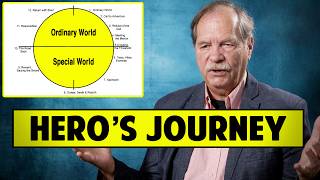
that will occur throughout the rest of the story I like to say that it's the moment where the character trips over the conflict he's not necessarily fully engaged with it at this point that happens later at the first plot point but he's definitely noticing it and in other terms we hear this called The Call to Adventure it's the moment where the character is first given the opportunity to think about well maybe I should accept the challenge of this conflict whatever it may be um in the heroes Journey obviously would be a quest but there's so
many different ways that this takes place symbolically anyway um there's two beats to this there's the Call to Adventure and there's the refusal of the call which is what Emily's talking about and the short answer to her question um as she exemplified an imperfect example from Harry Potter is that no the protagonist does not always have to be the person who is refusing The Call to Adventure however this beat is important because what the refusal does is create a reversal or a counter beat to the inciting event or the Call to Adventure which you want
you know to complete that emotional Arc and also to emphasize the stakes because if there isn't a reason not to take the call to Adventure then at least it won't seem like there's much of a story in the future for the character so it is a very important beat however as Emily points out it's not always necessary that the protagonist is the one who refuses the he refuses the call it just needs to happen so that the readers get a sense of this beat and that can happen through other characters it can happen through supporting
characters who refuse the call on behalf of the protagonist as with Harry's aunt and uncle who do not want him to accept the call and go to Hogwarts and do everything they can to prevent it but it can also be a much simpler more low-key beat in which characters who are on the protagonist side are simply pointing out like are you sure you want to do this and talking about all the challenges that the protagonist will face if they do indeed accept the call so short answer is yes the refusal of the call is an
important beat but it doesn't have to be on the nose necessarily with the protagonist being the one who's resisting it and trying to avoid it hope that was helpful and if you have a question that you would like me to answer in the future be sure to leave it below in the comments and I will see you again soon hopefully