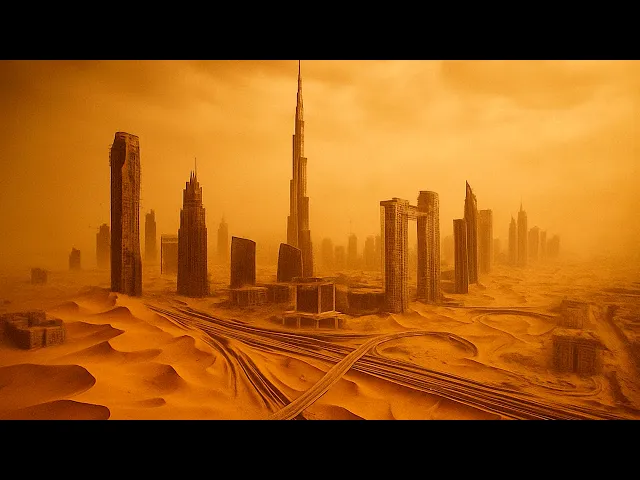
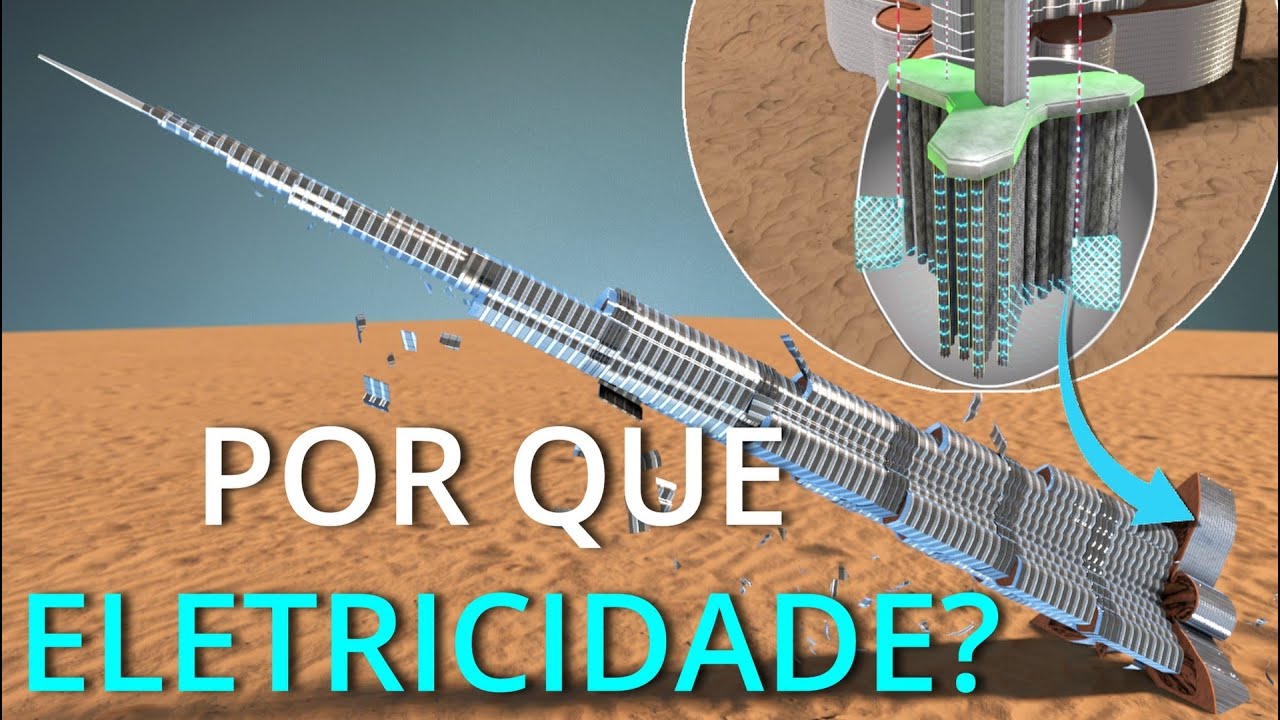
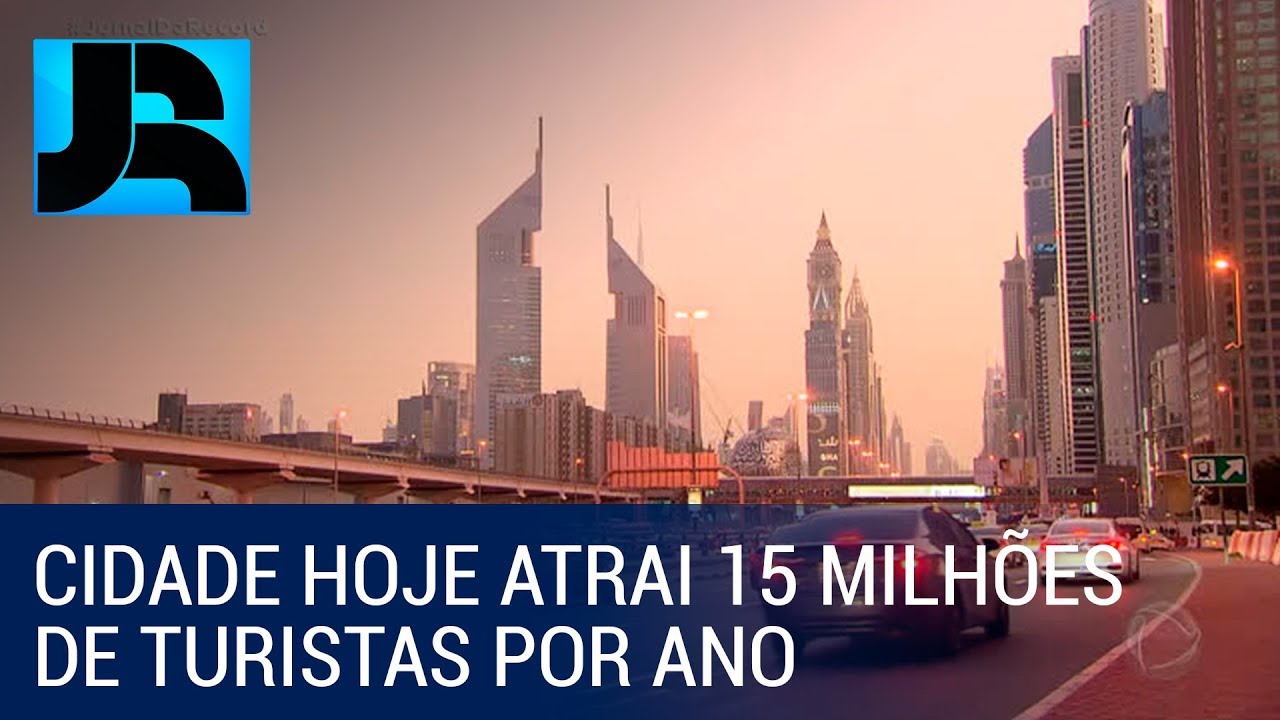
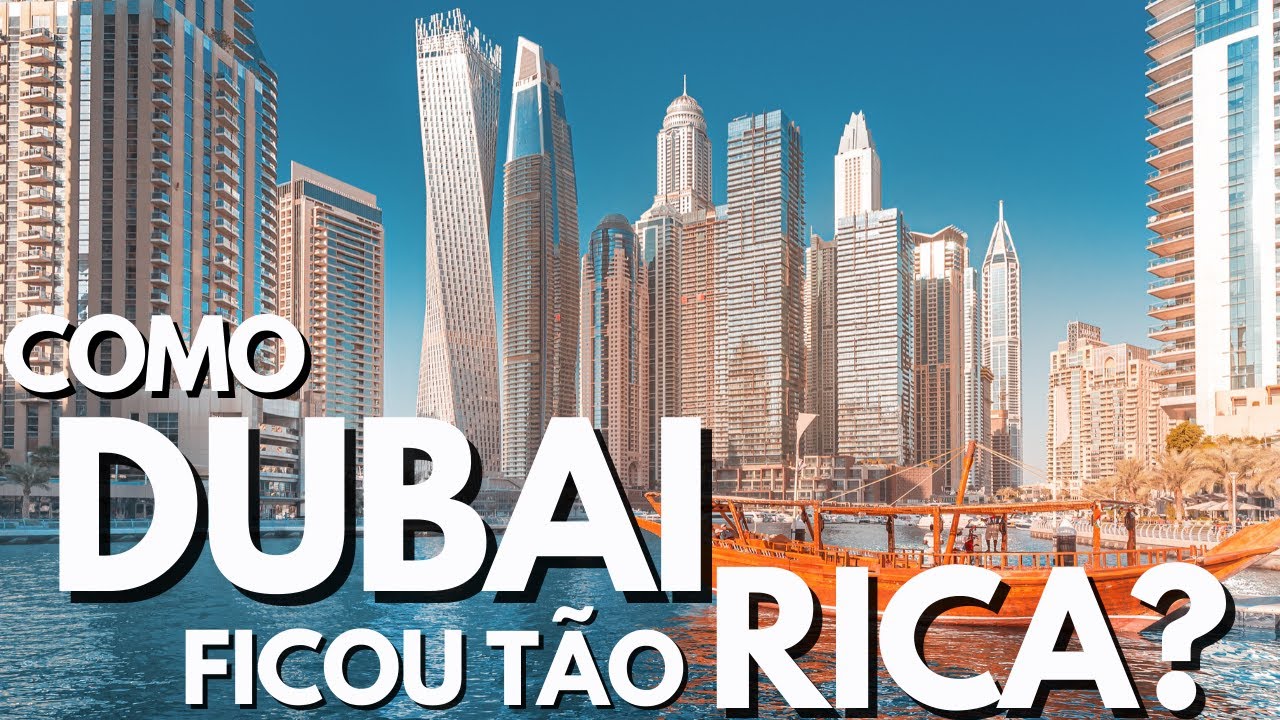
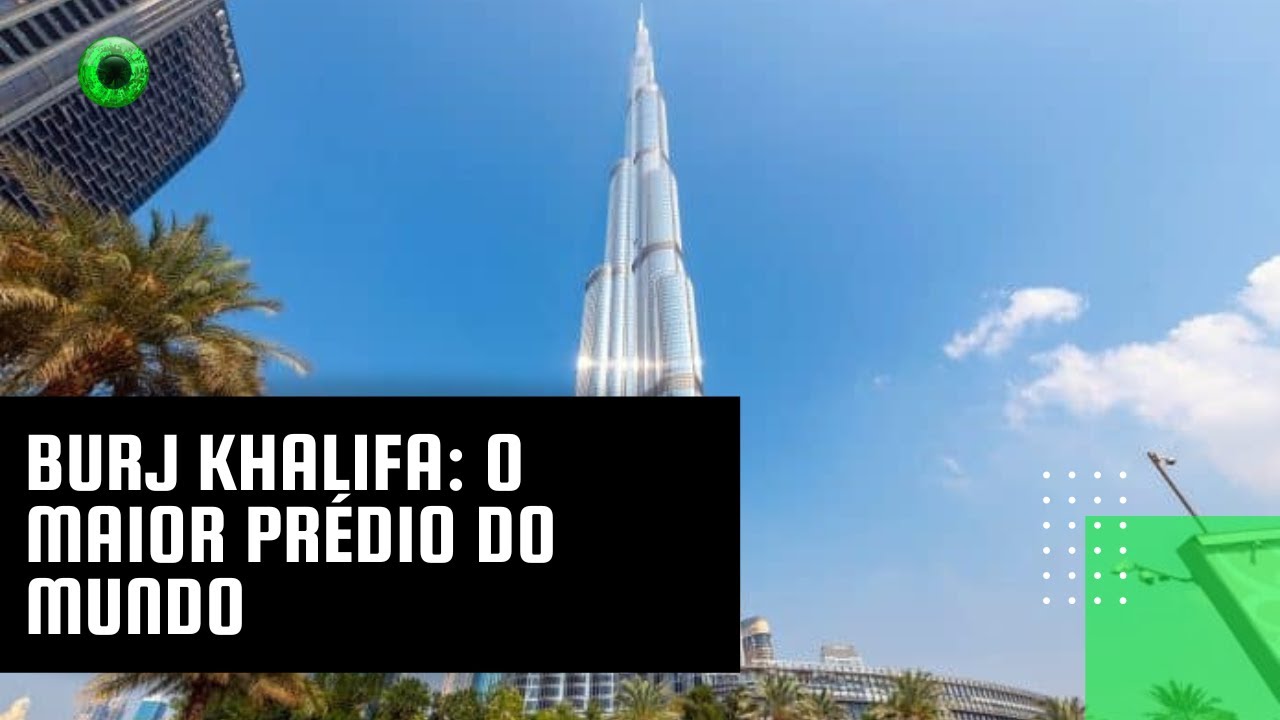
When we think of luxury and wealth, we quickly think of Dubai, a city marked by ultramodern architecture and trendy life. In addition to shopping malls, restaurants and luxury hotels, the city is home to the Burj Khalifa, the largest building in the world, measuring 830 meters high. Despite so much glamor and being an extremely rich place, based on the production and export of oil, its days may be numbered.
I'm Donato de Paula, narrator of Mistérios do Mundo, and in today's video you will understand why the future of Dubai is threatened. In just a few decades, Dubai, one of the seven emirates that make up the United Arab Emirates, went from being a fishing village to becoming one of the most important tourist destinations in the world, especially for those looking for luxury and sophistication. Its growth occurred after the discovery of large oil reserves in the 1960s , causing rapid development and giving way to the greatest architectural works of the modern world.
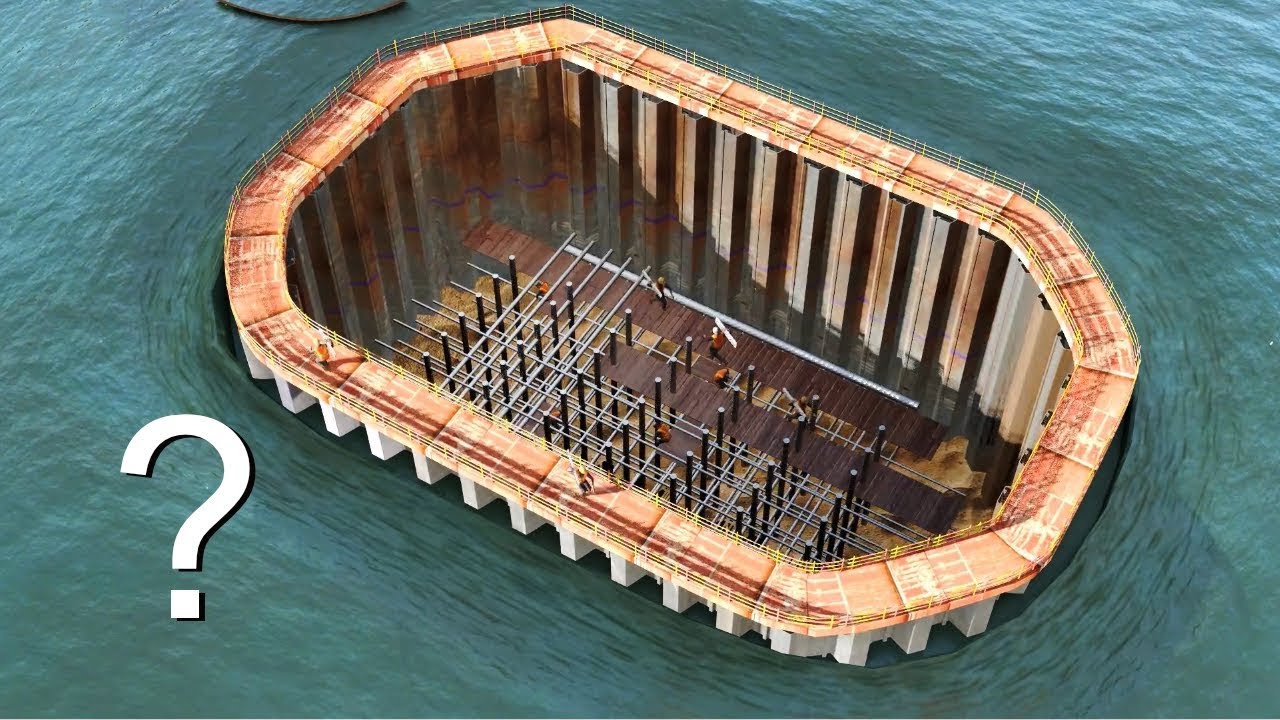
In addition to the Burj Khalifa, more than 300 artificial islands have been built. Although there is no shortage of money here, Dubai achieved very rapid development with not so thorough planning. Together with peculiar geographic conditions, such as the fact that 80% of its territory is in a desert, the city faces catastrophic risks in the near future.
To depend a little less on oil, the government has been investing a lot in tourism. Each year, the number of tourists the city receives is equivalent to five times the local population. Therefore, much of the investment is directed towards visual changes, aesthetic improvements or the creation of other establishments.
However, the entire structural part, especially the artificial islands, remained in the background. To give you an idea, the government preferred to build large buildings before even creating adequate infrastructure for them. An example of this is the Burj Khalifa itself, and other buildings that do not even have an adequate sewage system.
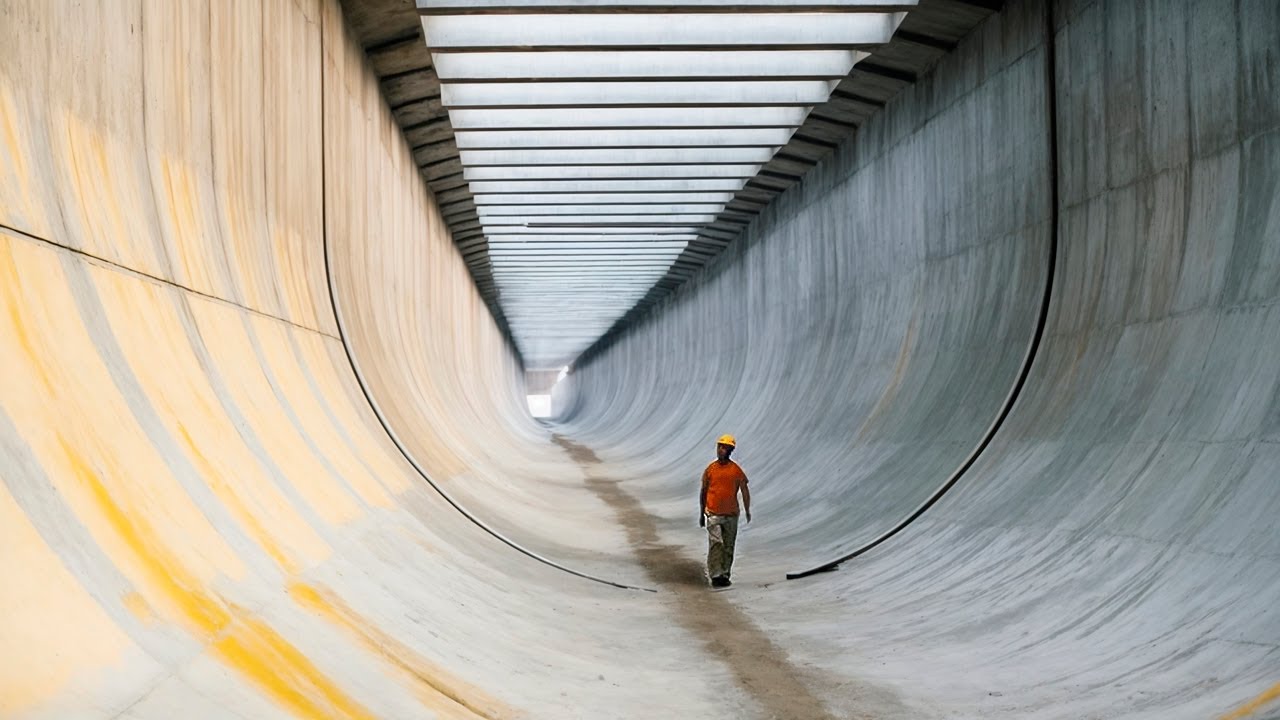
Every day, the colossal building produces almost 15 tons of sewage, and the local system cannot handle that much released load. The solution to this problem was to use septic tank trucks, despite a more advanced sewage system being under development, expected to be completed by 2025. Dubai is one of the biggest polluters in the world and much of this dirt comes through the need for energy.
Being between the sea and the desert, temperatures are around 40 degrees and, therefore, even the bus stops have air conditioning. It is the city that consumes the most energy on the entire planet, and much of this energy comes from fossil fuels. Artificial islands are already starting to present problems.
The trajectory of the wind and sea currents were altered, initiating erosion and sinking processes. Every year, Dubai loses 10 to 15 thousand cubic meters of sand, and sinks around 5 millimeters. If the problems in the water already seem serious enough, on land the scenario is even worse.
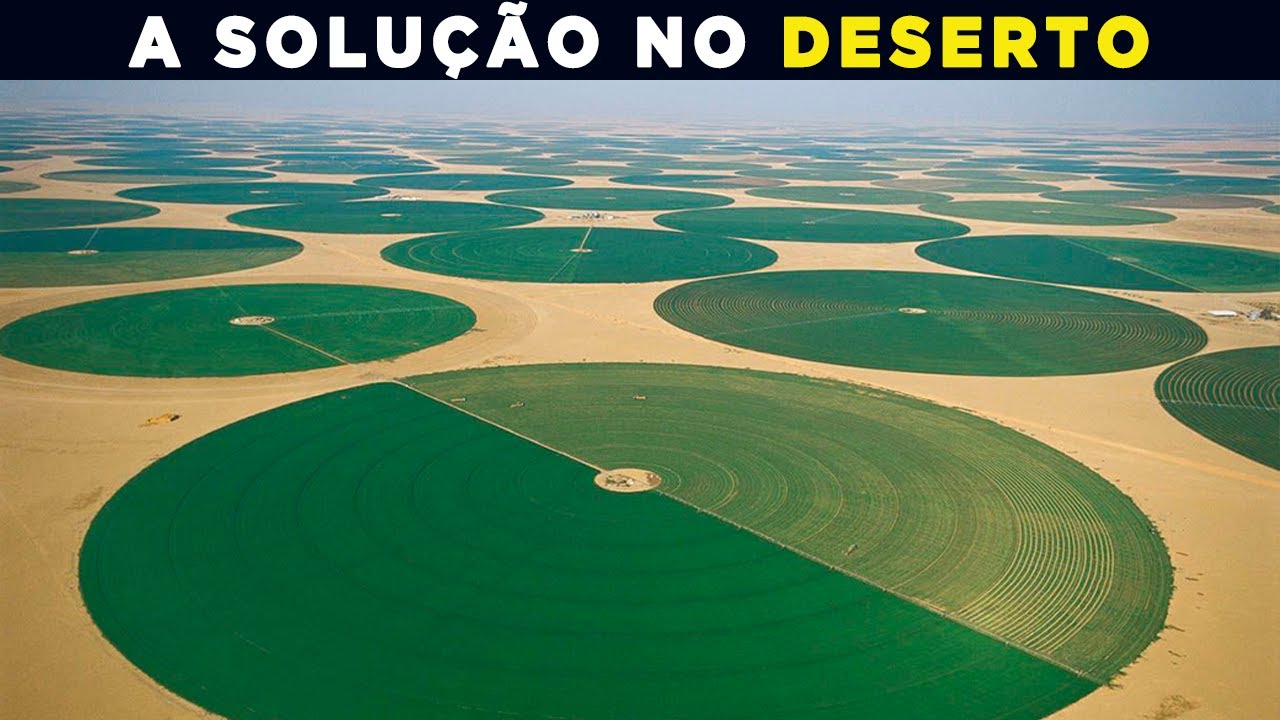
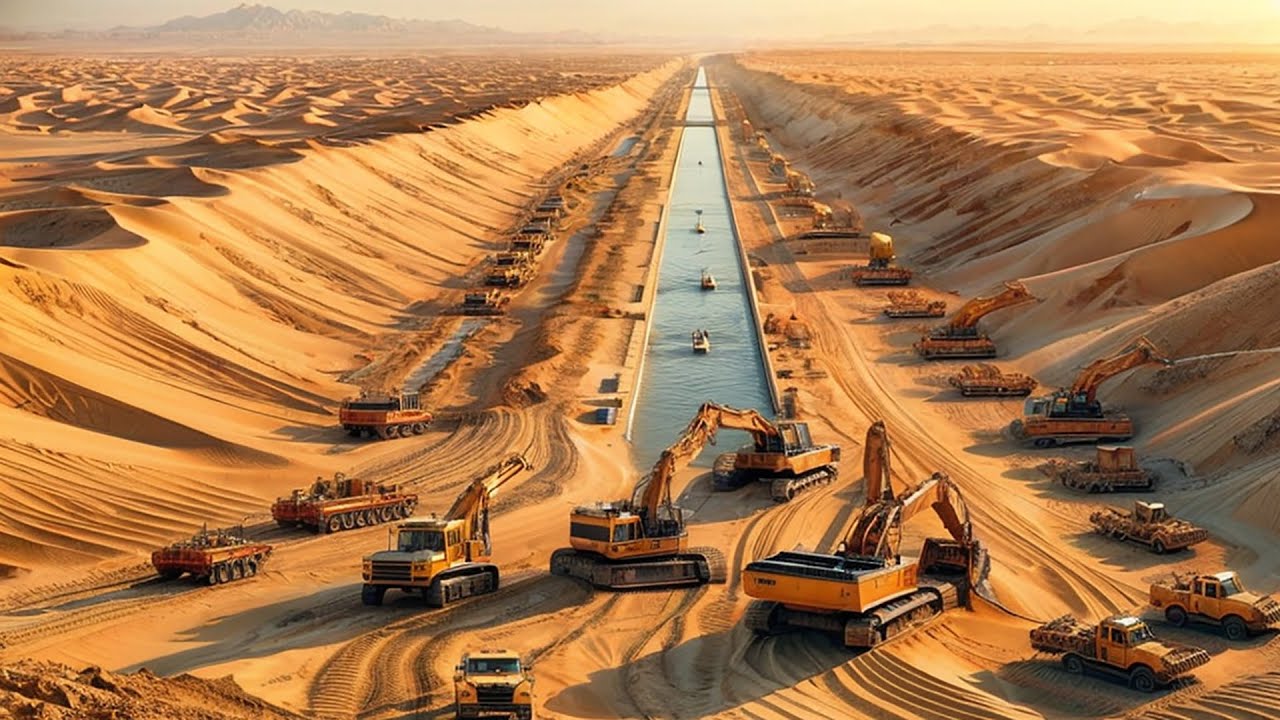
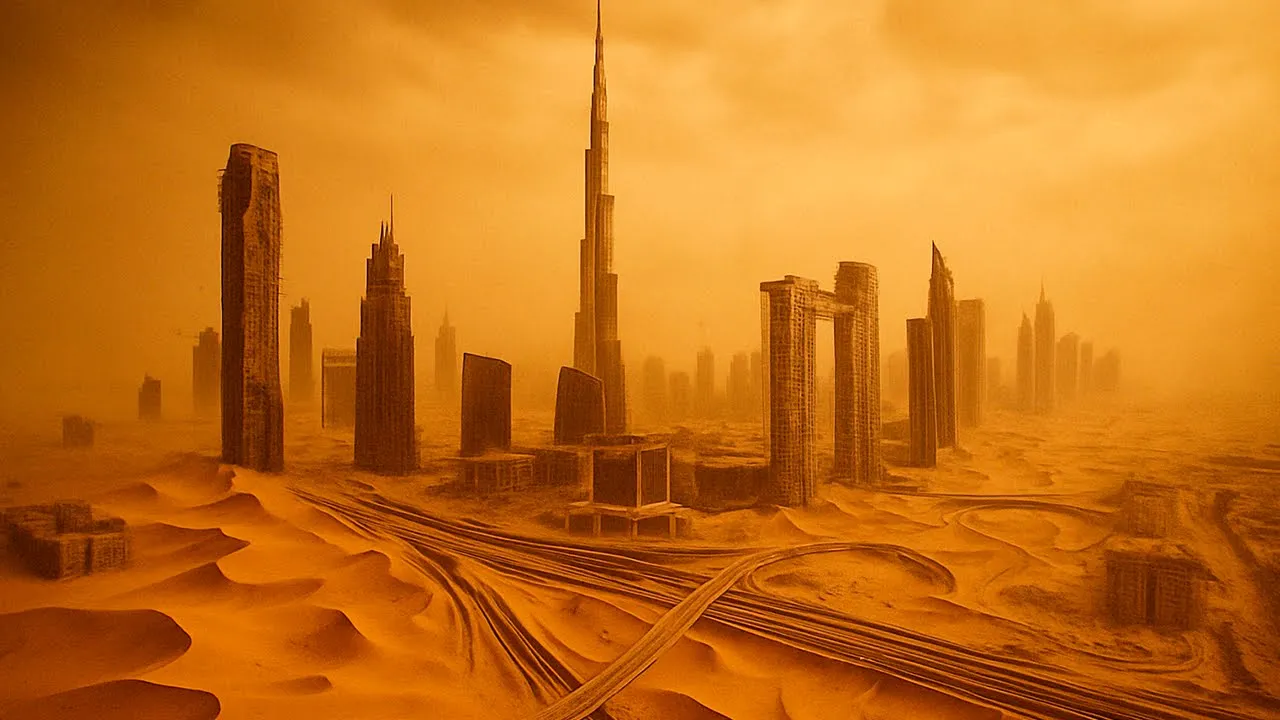
The desert is little by little occupying several urban areas, damaging infrastructure. This happens because many areas considered fertile have been destroyed for more and more construction. Dubai has lost more than 56% of its arable land so far.
At the same time, the demand for natural resources, especially water, is only growing, as its population has also tripled in size in a matter of years. An attempt to stop the advance of the desert was made in 2010 with the planting of a million trees, but none survived. Shortly afterwards, a huge real estate project was announced on the same land, and no attempt was made to restore it.
An interesting fact about Dubai is that the water obtained undergoes desalination, an expensive process that consumes a lot of energy and does not always completely remove the salt from the seawater . With the need to irrigate these trees, if they continued to be cared for, the demand for water would increase and the irrigated areas would suffer an accumulation of salt in the soil. To obtain water other than through the desalination process, Dubai started to adopt a strategy that many countries have adopted, that of "seeding" clouds to cause rain artificial - which requires a lot of money and testing, as the country has not yet mastered this technique and needs to import labor from other places so that they can recover their land, especially from China.
This method of causing artificial rain over time could help the country recover its land, but this technology is not yet fully understood. But one thing Dubai has in abundance is money and this allows the emirate to invest in techniques to improve the country's infrastructure. One such system in development is desert control being developed by a Norwegian start-up.
The technology is a type of nano clay that, after applied to the sand, allows small, lighter particles to descend into the degraded soil, storing rainwater, forming a new composition capable of absorbing nutrients and enabling fertility. This technology is still being improved and even if Dubai manages to recover the soil, its biggest challenge is to obtain drinking water and reduce environmental impacts, taking planned actions and thinking about the environment: after all, the money may run out one day, right ? same?
And you, what do you think is likely to happen? Will nature win this battle? Tell us in the comments!
To the next!